
ability
US /əˈbɪlɪti/
UK /ə'bɪlətɪ/
- Noun (Countable/Uncountable)
- The power, resources or skill to do something
- A particular skill or talent.
A2TOEICMoreabstract
US /ˈæbˌstrækt/
UK /'æbstrækt/
- Noun (Countable/Uncountable)
- Passage of text from an article or book
- Something that doesn't exist physically
- Adjective
- Concerning something that doesn't exist physically
- Relating to abstract art.
B1Moreadapt
US /əˈdæpt/
UK /ə'dæpt/
- Transitive Verb
- To change something for a different function
- To change something to fit or suit a new purpose
- Intransitive Verb
- To change your behaviour so that it is easier to live in a new place or situation
B1TOEICMoreat school
US
UK
- Phrase
- Present and attending school.
A1Moreat the end of the day
US
UK
- Phrase
- Ultimately; when everything else is considered.
- After a day's work or activities.
A1Moreawareness
US /əˈwɛrnɪs/
UK /əˈweənəs/
- Uncountable Noun
- Having knowledge of something
A2TOEICMorebased on
US
UK
- Phrasal Verb
- To use something as the foundation or starting point for something else.
- Preposition
- Using something as the main idea or foundation.
- Relying on something as evidence or justification.
A1Morebias
US /ˈbaɪəs/
UK /'baɪəs/
- Noun (Countable/Uncountable)
- Preference to believe things even if incorrect
- A systematic error in a statistical result
- Transitive Verb
- To unfairly favor one view over another
- To cause someone to have prejudice
B1TOEICMoreblack and white
US /blæk ənd hwaɪt/
UK /blæk ænd hwait/
- Phrase
- Adjective
- Showing images only in black, grey, and white, not in colour.
A1Moreblame
US /blem/
UK /bleɪm/
- Transitive Verb
- To say someone is responsible for something bad
- Noun (Countable/Uncountable)
- Act of saying someone did something bad
A2TOEICMorecognitive
US /ˈkɑɡnɪtɪv/
UK /ˈkɒgnətɪv/
- Adjective
- The process of knowing and remembering
- Relating to the ability to think and reason.
C1Morecombat
US /kəmˈbæt, ˈkɑmˌbæt/
UK /'kɒmbæt/
- Verb (Transitive/Intransitive)
- To fight someone or something physically
B1Moreconsistently
US /kənˈsɪstəntlɪ/
UK /kən'sɪstəntlɪ/
- Adverb
- In a manner that is the same almost every time
- In every case or on every occasion; invariably
B1Morecontroversial
US /ˌkɑntrəˈvɚʃəl, -siəl/
UK /ˌkɔntrəˈvə:ʃəl/
- Adjective
- Causing a great deal of argument, or conflict
B1Morecurious
US /ˈkjʊriəs/
UK /ˈkjʊəriəs/
- Adjective
- Wanting to know more about something
- Attracting interest by being strange or unusual
A2Moredemon
US /ˈdimən/
UK /'di:mən/
- Noun
- Cruel wicked and inhuman person or spirit
B1Moredictate
US /ˈdɪkˌtet/
UK /dɪk'teɪt/
- Transitive Verb
- To speak while someone writes down your words
- To make a thing necessary
B1TOEICMoredisagree
US /ˌdɪsəˈɡri/
UK /ˌdɪsə'ɡri:/
- Intransitive Verb
- To have a different opinion; to fail to agree
B2TOEICMorediverse
US /dɪˈvɚs, daɪ-, ˈdaɪˌvɚs/
UK /daɪˈvɜ:s/
- Adjective
- Being varied or different from each other
- Very different from each other
B1TOEICMoredouble down
US
UK
- Verb (Transitive/Intransitive)
- In gambling, to double one's bet, typically in exchange for taking one more card.
- To reinforce one's commitment to a particular course of action, even in the face of opposition or risk.
A2Moredumb
US /dʌm/
UK /dʌm/
- Adjective
- Senseless; stupid
B1Moreemotional
US /ɪˈmoʃənəl/
UK /ɪˈməʊʃənl/
- Adjective
- Causing, feeling, or appealing to the emotions
- Relating to or characterized by emotion
A2Moreexcel
US /ɪkˈsɛl/
UK /ɪkˈsel/
- Verb (Transitive/Intransitive)
- To perform an activity better than others
- To surpass or be superior to (someone) in a particular activity or field.
- Noun (Countable/Uncountable)
- A spreadsheet software program by Microsoft.
B2TOEICMoreexplore
US /ɪkˈsplɔr/
UK /ɪk'splɔ:(r)/
- Transitive Verb
- To examine something in detail to learn about it
- To travel to a place to discover more about it
A2TOEICMoreflexibility
US
UK
- Uncountable Noun
- The quality of being able to be bent or stretched
B1TOEICMoreflexible
US /ˈflɛksəbəl/
UK /ˈfleksəbl/
- Adjective
- Bending easily
- Able to adjust to new events, requirements easily
B1TOEICMorefull picture
US
UK
- Noun
- A complete and comprehensive understanding of a situation or issue.
- A detailed and comprehensive view or representation of something.
impulsive
US /ɪmˈpʌlsɪv/
UK /ɪmˈpʌlsɪv/
- Adjective
- Acting without really thinking about it; rash
- (Psychology) Relating to or characterized by a sudden, involuntary inclination to do something.
B2Morein black and white
US /ɪn blæk ən waɪt/
UK /in blak ənd wait/
- other
- Clearly written or documented, usually in print.
A2Morein mind
US /ɪn maɪnd/
UK /in maind/
- Phrase
- Being aware of or considering something.
- To remember or consider something.
A2Moreinsanely
US /ɪn'seɪnlɪ/
UK /ɪn'seɪnlɪ/
- Adverb
- In an insane manner
B2Moreintelligence
US /ɪnˈtɛlədʒəns/
UK /ɪn'telɪdʒəns/
- Uncountable Noun
- Collection of secret information about something
- Ability to learn things or to consider situations
- Adjective
- Of the spying services; acting in secrecy
A2TOEICMoreinterfere
US /ˌɪntɚˈfɪr/
UK /ˌɪntə'fɪə(r)/
- Intransitive Verb
- To get involved in something not your business
- Transitive Verb
- To prevent a process or activity from continuing or being carried out properly.
B1TOEICMoreinterpret
US /ɪnˈtɚprɪt/
UK /ɪn'tɜ:prɪt/
- Verb (Transitive/Intransitive)
- To express so that others understand it
- To translate what is said into another language
A2TOEICMoreironic
US /aɪˈrɑnɪk/
UK /aɪˈrɒnɪk/
- Adjective
- Funny because it is the opposite of the truth
B2Morelook at
US /lʊk æt/
UK /luk æt/
- Phrasal Verb
- To use your eyes to focus on something
- To focus your eyes on something carefully
A1Moreloop
US /lup/
UK /lu:p/
- Noun (Countable/Uncountable)
- A circle or curved shape, as when you tie a lace
- A circle of rope or string to put around something
- Transitive Verb
- To put a circle of rope around something
B2TOEICMoremotivation
US /ˌmotəˈveʃən/
UK /ˌməʊtɪ'veɪʃn/
- Uncountable Noun
- Reason behind why someone did something
- Enthusiasm for doing something.
B1TOEICMorenuance
US /ˈnu:ɑ:ns/
UK /ˈnju:ɑ:ns/
- Noun
- Small, not obvious difference in meaning, etc.
B2TOEICMoreovercome
US /ˌovɚˈkʌm/
UK /ˌəʊvə'kʌm/
- Transitive Verb
- To succeed in a struggle against; defeat
- Participle
- Past participle of overcome; to have successfully dealt with or controlled a problem or feeling.
A2TOEICMorepsychology
US /saɪˈkɑlədʒi/
UK /saɪ'kɒlədʒɪ/
- Uncountable Noun
- The study of the mind and how it affects behavior
- Way in which a person or group thinks and behaves
C2Morereality
US /riˈælɪti/
UK /rɪ'ælətɪ/
- Noun (Countable/Uncountable)
- What is true, as opposed to what is imagined
- The state of things as they actually exist, rather than as they may appear or might be imagined.
A2Morerecognize
US /ˈrek.əɡ.naɪz/
UK /ˈrek.əɡ.naɪz/
- Transitive Verb
- To accept the truth or reality of something
- To consider something as important or special
A2TOEICMorereflect
US /rɪˈflɛkt/
UK /rɪ'flekt/
- Verb (Transitive/Intransitive)
- To indicate or be a sign of something
- To bounce back light, heat, sound from a surface
A2TOEICMoreresonate
US /ˈrɛzəˌnet/
UK /'rezəneɪt/
- Intransitive Verb
- (Of ideas) to have a big impact for a long time
- (E.g. of a bell) to sound clearly for a long time
C2TOEICMorerigid
US /ˈrɪdʒɪd/
UK /ˈrɪdʒɪd/
- Adjective
- Stiff rather than flexible
- Very fixed in your opinion or habits
B1Moreshift
US /ʃɪft/
UK /ʃɪft/
- Verb (Transitive/Intransitive)
- To change in position or direction
- To move something from one place to another
- Noun (Countable/Uncountable)
- A change in a persons plans, opinions or beliefs
- Period of work starting at a certain time
A2Moreslayer
US /'sleɪə/
UK /'sleɪə/
- Countable Noun
- A killer or murderer
B2Morestick
US /stɪk/
UK /stɪk/
- Verb (Transitive/Intransitive)
- To push a sharp or pointed object into something
- To join together using glue or paste
- Countable Noun
- Long thin piece of wood from a tree
A2Morestruggle
US /ˈstrʌɡəl/
UK /'strʌɡl/
- Verb (Transitive/Intransitive)
- To try very hard to do something difficult
- To fight or struggle violently
- Noun (Countable/Uncountable)
- Strong efforts made to do something difficult
- A difficult or challenging situation or task
A2Morethink about
US /θɪŋk əˈbaʊt/
UK /θiŋk əˈbaut/
- Phrasal Verb
- To consider something carefully.
- To remember or call to mind.
A1More
Vocabulary
- at school: Present and attending school.
- think about: To consider something carefully.
- full picture: A complete and comprehensive understanding of a situation or issue.
- in mind: Being aware of or considering something.
- in black and white: Clearly written or documented, usually in print.
- black and white
- double down: In gambling, to double one's bet, typically in exchange for taking one more card.
- at the end of the day: Ultimately; when everything else is considered.
- based on: To use something as the foundation or starting point for something else.
- look at: To use your eyes to focus on something
- cognitive: The process of knowing and remembering
- stick: To push a sharp or pointed object into something
- struggle: To try very hard to do something difficult
- recognize: To accept the truth or reality of something
- present: Being in attendance; being there; having turned up
- controversial: Causing a great deal of argument, or conflict
- intelligence: Collection of secret information about something
- bias: Preference to believe things even if incorrect
- interfere: To get involved in something not your business
- motivation: Reason behind why someone did something
- curious: Wanting to know more about something
- interpret: To express so that others understand it
- emotional: Causing, feeling, or appealing to the emotions
- dumb: Senseless; stupid
- psychology: The study of the mind and how it affects behavior
- sentence: (Of a judge) to decide the punishment of
- combat: To fight someone or something physically
- explore: To examine something in detail to learn about it
- reality: What is true, as opposed to what is imagined
- diverse: Being varied or different from each other
- ability: The power, resources or skill to do something
- abstract: Passage of text from an article or book
- blame: To say someone is responsible for something bad
- consistently: In a manner that is the same almost every time
- reflect: To indicate or be a sign of something
- awareness: Having knowledge of something
- shift: To change in position or direction
- overcome: To succeed in a struggle against; defeat
- dictate: To speak while someone writes down your words
- impulsive: Acting without really thinking about it; rash
- adapt: To change something for a different function
- resonate: (Of ideas) to have a big impact for a long time
- rigid: Stiff rather than flexible
- flexible: Bending easily
- reason: To think and make conclusions in a logical manner
- click: To work well with someone or something
- mind: To be bothered or upset by something
- nuance: Small, not obvious difference in meaning, etc.
- discuss: To talk about seriously or in great detail
- loop: A circle or curved shape, as when you tie a lace
- notice: To become aware by sight, touch, or hearing
- ironic: Funny because it is the opposite of the truth
- excel: To perform an activity better than others
- kind: In a caring and helpful manner
- learn: To get knowledge or skills by study or experience
- prefer: To like something better than something else
- insanely: In an insane manner
- point: An item to be discussed
- wrong: Action that is harmful, unjust or illegal
- grow: To get bigger and more mature; make plants do this
- demon: Cruel wicked and inhuman person or spirit
- flexibility: The quality of being able to be bent or stretched
- world: All the humans, events, activities on the earth
- think: To have an idea about something without certainty
- disagree: To have a different opinion; to fail to agree
- slayer: A killer or murderer
Get the full experience in the app
Learn anywhere with detailed sentence and usage analysis
01:03
She took a brave step forward, leaving behind her comfort zone to chase her dreams.
Vocabulary
- brave
adj. Having courage
- comfort zone
phr. A familiar situation where one feels safe
Explanation
a brave step is a noun phrase, where brave is an adjective modifying the noun step, meaning "a courageous step".
forward is an adverb modifying step, meaning "ahead".
The whole phrase serves as the object, answering the "what" of took (verb) — she took a brave step forward.
Get the full experience in the app
Look up words anytime with pronunciation, part of speech, and usage
brave
US/brev/
UK/breɪv/
adj.Brave
v.t.To bravely face
A2 Elementary
Get the full experience in the app
Practice speaking anytime and get instant pronunciation feedback
Try this speaking exercise.
Try practicing with this sentence.
80
7 Signs You Might Be Less Intelligent Than You Think
0
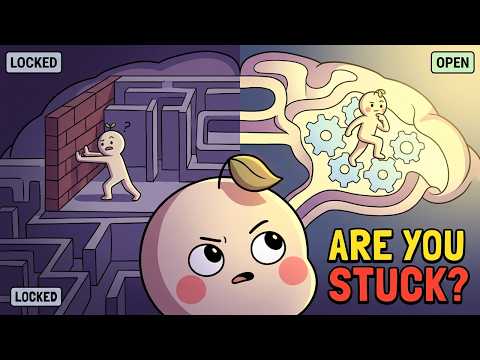
林宜悉 posted on 2026/09/12Ever wonder if you're as smart as you think? This video explores fascinating signs of cognitive rigidity, like always needing to be right or struggling to see other viewpoints, and offers practical tips to boost your self-awareness and flexibility. You'll even pick up phrases like "cognitive rigidity" and learn why saying "I don't know" can be a sign of intelligence!
Learn this video on the APP!
The VoiceTube App has more in-depth practice for videos!