
adult
US / əˈdʌlt, ˈædʌlt/
UK /ˈædʌlt/
- Noun (Countable/Uncountable)
- Person or animal that is fully grown
- A fully grown animal.
- Adjective
- Being fully grown; mature; no longer a teenager
- Containing sexually explicit material.
A2TOEICMoreadulthood
US /'ædʌlthʊd/
UK /'ædʌlthʊd/
- Uncountable Noun
- Time of life when a person is fully grown
- The time when someone has the rights and responsibilities of an adult.
B1Moreafford
US /əˈfɔrd, əˈford/
UK /ə'fɔ:d/
- Transitive Verb
- To make available, to provide
- To have enough money to pay for something
A2TOEICMoreapart from
US /əˈpɑrt frʌm/
UK /əˈpɑ:t frɔm/
- Preposition
- Except for; not considering
- In addition to; as well as
as opposed to
US
UK
- Preposition
- In contrast to; rather than.
- Instead of; in place of.
A1Moreat home
US /æt hom/
UK /æt həum/
- Phrase
- In one's own residence or country.
- Adjective
- Feeling comfortable and relaxed.
at once
US /æt wʌns/
UK /æt wʌns/
- Adverb
- Immediately; without delay
- At the same time; simultaneously
A2Moreat the end of the day
US
UK
- Phrase
- Ultimately; when everything else is considered.
- After a day's work or activities.
A1Moreat the tail
US /ət ðə ˈteɪl/
UK /ət ðə ˈteɪl/
- other
- At the end or last position in a line or group.
B2Morebuy into
US /baɪ ˈɪntu/
UK /bai ˈɪntuː/
- Phrasal Verb
- To come to accept an idea or believe in it
- To buy a part of something e.g. a company's shares
A1Moreby no means
US
UK
- Phrase
- Certainly not; in no way.
A1Morecapitalism
US /ˈkæpɪtlˌɪzəm/
UK /ˈkæpɪtəlɪzəm/
- Noun (Countable/Uncountable)
- Economic system where companies own industry
- An economic system in which private individuals or businesses own capital goods. The production of goods and services is based on supply and demand in the general market (a market economy) rather than through central planning (a planned economy or command
B1Morecare for
US /kɛr fɔr/
UK /kɛə fɔ:/
- Phrasal Verb
- To want or desire a thing
- To look after someone who is ill, old, or very young.
A1Morecare of
US /kɛr ʌv/
UK /kɛə ɔv/
- Preposition
- Used in an address to indicate the person who will receive the mail for someone else.
A2Moreclaw back
US
UK
- Phrasal Verb
- To recover something, especially money, that was previously lost or given away.
A1Morecolumn
US /ˈkɑ:ləm/
UK /ˈkɒləm/
- Noun (Countable/Uncountable)
- Regular series of articles in a newspaper/magazine
- Strong vertical stone pillar that holds up a roof
B1Morecome up
US /kʌm ʌp/
UK /kʌm ʌp/
- Phrasal Verb
- To come closer to someone; approach
- (Of sun) to rise into the sky in the morning
A1Morecomfortable
US /ˈkʌmfətəbəl, ˈkʌmftəbəl/
UK /ˈkʌmftəbl/
- Adjective
- Having more than enough e.g. money for your needs
- Being relaxed, warm or happy
A2Morecrisis
US /ˈkraɪsɪs/
UK /'kraɪsɪs/
- Noun (Countable/Uncountable)
- Unstable situation of extreme danger or difficulty
- A turning point in a disease.
B1Moreculture
US /ˈkʌltʃɚ/
UK /'kʌltʃə(r)/
- Noun (Countable/Uncountable)
- Beliefs and customs of a particular group
- The customs, beliefs, art, and all the other things that a group of people share and consider important.
- Transitive Verb
- To grow cells, tissues, bacteria, etc. in a controlled environment.
A2Morecut out
US /kʌt aʊt/
UK /kʌt aut/
- Phrasal Verb
- To leave out of something, e.g. a social event
- To cut something from, e.g. a picture from a book
- Verb (Transitive/Intransitive)
- To stop doing or using something.
- To be naturally suited or fitted for something.
A1Moredig into
US
UK
- Phrasal Verb
- To start eating food enthusiastically.
- To investigate or research something thoroughly.
B1Moredo in
US
UK
- Phrasal Verb
- To make completely tired out and exhausted
- To destroy or cause damage to someone
A1Moredomino
US /ˈdɑ:mənoʊ/
UK /ˈdɒmɪnəʊ/
- Countable Noun
- Flat rectangular blocks with spots used in a game
- A hooded cloak worn with a mask at masquerades.
C1Moredraw on
US /drɔ ɑn/
UK /drɔ: ɔn/
- Phrasal Verb
- To come to its end
- To make use of (someone's help, your savings, etc.)
A1Moreeconomic
US /ˌɛkəˈnɑmɪk, ˌikə-/
UK /ˌi:kəˈnɒmɪk/
- Adjective
- Concerning trade, industry, and money
- Financially worthwhile; profitable.
- Noun
- A system relating to economics
- A factor relating to economics
A2Morefeel for
US /fil fɔr/
UK /fi:l fɔ:/
- Phrasal Verb
- To have sympathy for someone; to empathize with someone's situation.
- To try to find something by touching it.
A1Morefeel like
US
UK
- Intransitive Verb
- To have a desire or inclination for something.
- To have a particular quality or sensation; resemble.
A1Morefigure out
US /ˈfɪɡjɚ aʊt/
UK /ˈfiɡə aut/
- Phrasal Verb
- To understand the behavior of someone
- To think through logically to find a solution
- Verb (Transitive/Intransitive)
- To understand or find an answer to something.
- To find a solution to a problem or understand something.
A1Morefinancial
US /faɪˈnænʃ(ə)l/
UK /faɪˈnænʃl/
- Adjective
- Involving money
- Relating to investments.
- Countable Noun
- A person who provides advice on financial matters.
A2TOEICMorefor myself
US /fɚ maɪˈsɛlf/
UK /fə maɪˈself/
- other
- Done for one's own benefit or use.
A1Morefor now
US /fɔr naʊ/
UK /fɔ: nau/
- Phrase
- Temporarily; for the present time.
- In the short term; for the immediate future.
A1Morefor sure
US /fɔr ʃʊr/
UK /fɔ: ʃuə/
- Adverb
- Definitely; certainly; without a doubt.
- Used to emphasize a statement.
- Interjection
- An expression of strong agreement or affirmation.
A2Morefor the better
US /fɔr ði ˈbɛtɚ/
UK /fɔ: ðə ˈbetə/
- Phrase
- Resulting in improvement; to a more favorable condition.
A1Morefreak out
US /frik aʊt/
UK /fri:k aut/
- Phrasal Verb
- To react or behave in a wild or irrational way
- To become very anxious, upset, or afraid; to panic.
- Intransitive Verb
- To experience or display extreme emotions, such as fear or panic.
- To have a very disturbing and frightening experience caused by taking drugs.
B2Morefrom home
US
UK
- Phrase
- Working or operating from one's residence.
- Originating or coming from one's own house or country.
A1Morefrom time to time
US
UK
- Phrase
- Occasionally; sometimes but not regularly.
- At intervals; now and then.
A1Moregen
US /dʒen/
UK /dʒen/
- Uncountable Noun
- (UK old-fashioned, informal) Information about a particular subject
- Noun
- a group of people born around the same time who share a similar age
B2Moregeneration
US /ˌdʒɛnəˈreʃən/
UK /ˌdʒenəˈreɪʃn/
- Noun (Countable/Uncountable)
- Act or process of producing or causing something
- People born and living at about the same time
A2TOEICMoreget out of
US /ɡɛt aʊt ʌv/
UK /ɡet aut ɔv/
- Phrasal Verb
- To leave or escape responsibilities, troubles
- To leave a small, enclosed vehicle
A1Moreget stuck in
US /ɡɛt stʌk ɪn/
UK /ɡet stʌk in/
- Phrasal Verb
- To become enthusiastically involved in something.
A1Moreglad
US /ɡlæd/
UK /ɡlæd/
- Adjective
- Happy or pleased about something/to do something
- Happy that something happened; pleased
A2Morego back to
US /ɡo bæk tu/
UK /ɡəu bæk tu:/
- Phrasal Verb
- To return to a starting point
A1Morego out
US /ɡo aʊt/
UK /ɡəu aut/
- Phrase
- To leave a building (e.g. a house)
- Phrasal Verb
- (Of a fire) to burn out; be extinguished
- Go out of fashion to stop being fashionable
A1Moregoing on
US /ˈɡoɪŋ ɑn/
UK /ˈgəʊɪŋ ɔn/
- Phrasal Verb
- To continue doing something
- To happen (usually negative)
A1Moregot to
US /ɡɑt tu/
UK /gɔt tu:/
- Verb (Transitive/Intransitive)
- To arrive at some place
- To have the opportunity or permission to do something
- Phrasal Verb
- To appeal to the emotions of; move
- To finally begin to start something after a delay
A1Moregrapple with
US
UK
- Phrasal Verb
- To struggle or deal with something difficult.
- To engage in a physical struggle or fight.
hang around
US /hæŋ əˈraʊnd/
UK /hæŋ əˈraund/
- Phrasal Verb
- To spend time with someone
A2Morehave to
US /hæv tu/
UK /ˈhæv tə/
- Auxiliary Verb
- Must do
A1Morehell yeah
US
UK
- Interjection
- An enthusiastic expression of agreement or approval.
- Phrase
- Used to strongly affirm a statement.
hit with
US
UK
- Phrasal Verb
- To strike someone or something using an object.
- To suddenly realize or understand something.
A1Morein order to
US /ɪn ˈɔrdɚ tu/
UK /in ˈɔ:də tu:/
- Preposition
- For the purpose of; with the aim of.
- Phrase
- In a specific sequence or arrangement.
- With the aim of; for the purpose of.
C1Morein tandem
US /ɪn ˈtændəm/
UK /in ˈtændəm/
- Phrase
- (Of two people/organizations) working together
C1Morein terms of
US
UK
- Phrase
- With regard to; concerning a particular aspect.
A1Morein the end
US /ɪn ði ɛnd/
UK /in ðə end/
- Phrase
- Finally; after a period of time or series of events.
- Ultimately; as the final result or consequence.
A1Morein the past
US
UK
- Phrase
- During a former period of time; previously.
A1Morein the thick of it
US /ɪn ðə θɪk ʌv ɪt/
UK /ɪn ðə θɪk ɔv ɪt/
- other
- Fully involved in an intense or difficult situation.
B2Morein the world
US /ɪn ði wɜrld/
UK /in ðə wɜː(r)ld/
- Phrase
- Used to emphasize a question expressing surprise, confusion, disbelief
- Used to indicate the extent or degree of something, often in a superlative sense
A1Moreincreasingly
US /ɪnˈkriːsɪŋli/
UK /ɪnˈkri:sɪŋli/
- Adverb
- More and more; in greater degree or amount
A2Morelay
US /le/
UK /leɪ/
- Adjective
- Amateur; not being a trained priest
- Transitive Verb
- To place a bet on a game outcome
- (Of a bird, etc.) to produce eggs from its body
A2Morelike anything
US /laɪk ˈɛniθɪŋ/
UK /laɪk ˈeniθɪŋ/
- other
- Used to emphasize strong intensity or effort.
B2Morelike hell
US
UK
- Phrase
- Used to express strong disagreement or refusal.
- With great speed, force, or intensity.
B2Morelook after
US /lʊk ˈæftɚ/
UK /luk ˈɑ:ftə/
- Phrasal Verb
- To take care of someone or something
A1Morelook at
US /lʊk æt/
UK /luk æt/
- Phrasal Verb
- To use your eyes to focus on something
- To focus your eyes on something carefully
A1Morelook back
US /lʊk bæk/
UK /luk bæk/
- Phrasal Verb
- To think about past events
A1Moremade with
US
UK
- Phrase
- Containing a particular ingredient or material.
- Created or produced using a specific tool, method, or process.
- Phrasal Verb
- To offer or provide something, often quickly or unexpectedly.
A1Moremake for
US /mek fɔr/
UK /meik fɔ:/
- Phrasal Verb
- To go to or toward something/someone for a reason
- To result in; cause
A1Moremarker
US /ˈmɑ:rkə(r)/
UK /ˈmɑ:kə(r)/
- Noun (Countable/Uncountable)
- Something that is easy to recognize or identify
- Thick pen used for writing, e.g. on boards
B1Morememe
US /mi:m/
UK /mi:m/
- Noun
- Idea, value or pattern of behavior in a culture
C1Moremess up
US /mɛs ʌp/
UK /mes ʌp/
- Phrasal Verb
- To make a mistake
- To make something untidy or dirty.
- Verb (Transitive/Intransitive)
- To make something untidy or dirty.
- To spoil or ruin something.
A2Moremidlife
US
UK
- Adjective
- Of the middle years of a person's life
- Noun
- The period of one's life, typically in the 40s or 50s, when a person begins to think about their life and whether they are happy with it.
B1Moremillennial
US /mɪ'lenɪrl/
UK /mɪ'lenɪəl/
- Adjective
- Concerning a millennium (a thousand years)
- Relating to the millennial generation.
- Noun
- A person born between the early 1980s and the mid-1990s to early 2000s.
- A person reaching young adulthood around the year 2000.
B2Moremint
US /mɪnt/
UK /mɪnt/
- Noun (Countable/Uncountable)
- Candies with the taste of mint
- Place where a government prints its money
- Transitive Verb
- To print money or make coins
C2Moremobile
US /ˈmoʊbl/
UK /'məʊbaɪl/
- Adjective
- Able to be moved or able to move
- Able to move easily from one job, place, or social class to another.
- Countable Noun
- Personal phone you take with you wherever you go
- A decorative structure that is suspended so as to turn freely in the air.
B1Moremortality
US /mɔrˈtælɪti/
UK /mɔ:ˈtæləti/
- Uncountable Noun
- Quality or state of being capable of dying
- The state of being subject to death; the proportion of deaths to population.
B2Moremotherhood
US /ˈmʌðɚˌhʊd/
UK /'mʌðəhʊd/
- Uncountable Noun
- Condition of being a female parent
B1Moremove back
US /muv bæk/
UK /mu:v bæk/
- Phrasal Verb
- To retreat or withdraw from a position.
- To reposition or shift something to a previous location.
A2Moreno matter
US
UK
- Conjunction
- Regardless of; it does not matter.
- Adverb
- Regardless of; it is not important
A1Morenot available
US /nɑt əˈveləbəl/
UK /nɔt əˈveiləbl/
- Adjective
- Not able to be used or obtained; inaccessible.
- Not present or accessible; unable to be contacted.
A1Moreof course
US /ʌv kɔː(r)s/
UK /ɔv kɔː(r)s/
- Adverb
- Sure ; Certainly
- Phrase
- For sure; certainly
A2Moreoff of
US /ɔf ʌv/
UK /ɔf ɔv/
- Preposition
- From a position on something; down from.
A1Moreon earth
US /ɑn ɚθ/
UK /ɔn ə:θ/
- Phrase
- Used to emphasize a question expressing surprise or anger.
- Used to emphasize that something is not possible or will not happen.
A1Moreon end
US /ɑn ɛnd/
UK /ɔn end/
- Phrase
- Continuously; without stopping.
- In an upright position; standing vertically.
A1Moreon the job
US /ɑn ði dʒɑb/
UK /ɔn ðə dʒɔb/
- Phrase
- While working; during the course of employment.
A1Moreon the other hand
US
UK
- Phrase
- Considering a different aspect of the matter; alternatively.
A1Moreon the other side of
US /ɑn ði ˈʌðɚ ˈsaɪd ʌv/
UK /ɒn ði ˈʌðə ˈsaɪd ɒv/
- Preposition
- Located across something from a given point.
A2Moreon to
US /ɑn tu/
UK /ɔn tu:/
- Preposition
- Toward something; forward
- Aware of someone's activities.
- Adjective
- Aware of someone's deception or illegal activities.
A1Moreonline
US /ˌɑ:nˈlaɪn/
UK /ˌɒnˈlaɪn/
- Adjective
- Connected to the internet
- Adverb
- Via the internet.
B1Moreoptimism
US /ˈɑptəˌmɪzəm/
UK /ˈɒptɪmɪzəm/
- Uncountable Noun
- Condition of having a positive outlook or belief
B2Moreout of reach
US /aʊt ʌv ritʃ/
UK /aut ɔv ri:tʃ/
- Phrase
- Cannot be touched as it is far away
- Adjective
- Too high or far away to be touched or grasped; unattainable.
- Beyond someone's capacity to obtain or achieve; unaffordable.
A2Moreout there
US /aʊt ðɛr/
UK /aut ðɛə/
- Adverb
- In or to a place that is far away
- Existing in the universe
- Adjective
- Unconventional; strange; avant-garde
- Existing or available.
A1Moreover to
US
UK
- Preposition
- Used to hand over to someone else to speak
- The responsibility is now yours
pan out
US /pæn aʊt/
UK /pæn aut/
- Phrasal Verb
- (Of events) to happen as you expected them to
- To develop in a particular way.
A2Morepaying off
US
UK
- Phrasal Verb
- To give money to get person to do something; bribe
- To give money to settle a debt
- Verb (Transitive/Intransitive)
- To bribe someone.
- To result in success; to be worthwhile.
A1Morepolitic
US /ˈpɑlɪtɪk/
UK /ˈpɒlətɪk/
- Adjective
- Careful what you say; diplomatic
B2Morepregnant
US /ˈprɛɡnənt/
UK /ˈpregnənt/
- Adjective
- Carrying your unborn baby inside you
- Full of meaning or significance; suggestive.
B1Moreput off
US /pʊt ɔf/
UK /put ɔf/
- Phrasal Verb
- To take off, e.g. clothing
- To delay until a later date
A1Morequarter
US /ˈkwɔrtɚ/
UK /'kwɔ:tə(r)/
- Countable Noun
- 25 cents
- 3-month period of time for businesses, etc.
- Transitive Verb
- To split something into four equal parts
- To give a soldier a place to live for a short time
A2TOEICMorequince
US /kwɪns/
UK /kwɪns/
- Countable Noun
- Smooth-skinned fruit used to make jam, jelly
B2Morereality
US /riˈælɪti/
UK /rɪ'ælətɪ/
- Noun (Countable/Uncountable)
- What is true, as opposed to what is imagined
- The state of things as they actually exist, rather than as they may appear or might be imagined.
A2Morerequire
US /rɪˈkwaɪr/
UK /rɪ'kwaɪə(r)/
- Transitive Verb
- To demand that someone does something
- To need to do something, to make it necessary
A2TOEICMoreresponsibility
US /rɪˌspɑnsəˈbɪlɪti/
UK /rɪˌspɒnsə'bɪlətɪ/
- Noun (Countable/Uncountable)
- Job, task or thing you are expected to look after
- A thing to be done because it is morally correct
A2Moreright for
US
UK
- Adjective
- Suitable or appropriate for a particular person, purpose, or situation.
- Correct or most appropriate.
A1Moreshake up
US /ʃek ʌp/
UK /ʃeik ʌp/
- Phrasal Verb
- To completely rethink or reorganize something
A2Moreshout out
US /ʃaʊt aʊt/
UK /ʃaut aut/
- Noun
- A public expression of greeting or praise.
- Verb (Transitive/Intransitive)
- To publicly mention or acknowledge someone or something.
- To publicly acknowledge or thank someone.
A2Moresociety
US /səˈsaɪɪti/
UK /sə'saɪətɪ/
- Noun (Countable/Uncountable)
- A group who meet to share values or interests
- Group of people living together
A2TOEICMoretake on
US /tek ɑn/
UK /teik ɔn/
- Phrasal Verb
- To acquire a new characteristic
- To accept a new responsibility, role
A1Moretalk about it
US /tɔk əˈbaʊt ɪt/
UK /tɔ:k əˈbaut it/
- Verb (Transitive/Intransitive)
- To discuss a particular subject.
A1Moretalking about
US
UK
- Phrasal Verb
- To discuss a particular topic.
- To be constantly mentioning or bringing up a subject.
A1Morethink about
US /θɪŋk əˈbaʊt/
UK /θiŋk əˈbaut/
- Phrasal Verb
- To consider something carefully.
- To remember or call to mind.
A1Morethink of
US /θɪŋk ʌv/
UK /θiŋk ɔv/
- Phrasal Verb
- To look on as (being something specific); consider
- To consider or remember something.
- Verb (Transitive/Intransitive)
- To imagine or call something to mind
A1Moreup and running
US /ʌp ənd ˈrʌnɪŋ/
UK /ʌp ænd ˈrʌnɪŋ/
- Adjective
- Fully operational; functioning correctly.
- Active and operating successfully.
A1Moreused to
US /juzd tu/
UK /ˈju:st tə/
- Adjective
- Did regularly before, but don't do now
- Auxiliary Verb
- Have done before, but do not do now
A1Morewear out
US /wɛr aʊt/
UK /wɛə aut/
- Phrase
- Phrasal Verb
- To use until it becomes unusable; become unusable
- To make very tired; tire out
A1Morewireless
US /ˈwaɪrlɪs/
UK /'waɪələs/
- Adjective
- Needing no wires to make something operate
B2Morework in
US /wɚk ɪn/
UK /wə:k in/
- Phrasal Verb
- To make an opening for something in your schedule
- To fit person/thing into a schedule or sequence
A1Morework out
US /wɚk aʊt/
UK /wə:k aut/
- Phrasal Verb
- To find a way to do something, by thinking
A1More
Vocabulary
- feel like: To have a desire or inclination for something.
- have to: Must do
- think about: To consider something carefully.
- talking about: To discuss a particular topic.
- think of: To look on as (being something specific); consider
- for sure: Definitely; certainly; without a doubt.
- on the other side of: Located across something from a given point.
- used to: Did regularly before, but don't do now
- hit with: To strike someone or something using an object.
- look at: To use your eyes to focus on something
- dig into: To start eating food enthusiastically.
- take on: To acquire a new characteristic
- work in: To make an opening for something in your schedule
- freak out: To react or behave in a wild or irrational way
- no matter: Regardless of; it does not matter.
- at home: In one's own residence or country.
- in tandem: (Of two people/organizations) working together
- in order to: For the purpose of; with the aim of.
- from home: Working or operating from one's residence.
- care for: To want or desire a thing
- cut out: To leave out of something, e.g. a social event
- care of: Used in an address to indicate the person who will receive the mail for someone else.
- put off: To take off, e.g. clothing
- figure out: To understand the behavior of someone
- look back: To think about past events
- got to: To arrive at some place
- on to: Toward something; forward
- at the end of the day: Ultimately; when everything else is considered.
- in the end: Finally; after a period of time or series of events.
- going on: To continue doing something
- go back to: To return to a starting point
- of course: Sure ; Certainly
- like anything: Used to emphasize strong intensity or effort.
- get stuck in: To become enthusiastically involved in something.
- mess up: To make a mistake
- move back: To retreat or withdraw from a position.
- work out
- on end: Continuously; without stopping.
- off of: From a position on something; down from.
- out there: In or to a place that is far away
- for now: Temporarily; for the present time.
- on the job: While working; during the course of employment.
- on the other hand : Considering a different aspect of the matter; alternatively.
- apart from: Except for; not considering
- by no means: Certainly not; in no way.
- shake up: To completely rethink or reorganize something
- at the tail: At the end or last position in a line or group.
- draw on: To come to its end
- paying off: To give money to get person to do something; bribe
- right for: Suitable or appropriate for a particular person, purpose, or situation.
- not available: Not able to be used or obtained; inaccessible.
- from time to time: Occasionally; sometimes but not regularly.
- shout out: A public expression of greeting or praise.
- grapple with: To struggle or deal with something difficult.
- buy into: To come to accept an idea or believe in it
- look after: To take care of someone or something
- talk about it: To discuss a particular subject.
- in the thick of it: Fully involved in an intense or difficult situation.
- as opposed to: In contrast to; rather than.
- do in: To make completely tired out and exhausted
- out of reach: Cannot be touched as it is far away
- in terms of
- for myself: Done for one's own benefit or use.
- in the past: During a former period of time; previously.
- wear out
- made with: Containing a particular ingredient or material.
- hang around: To spend time with someone
- up and running: Fully operational; functioning correctly.
- come up: To come closer to someone; approach
- over to: Used to hand over to someone else to speak
- feel for: To have sympathy for someone; to empathize with someone's situation.
- on earth: Used to emphasize a question expressing surprise or anger.
- make for: To go to or toward something/someone for a reason
- at once: Immediately; without delay
- in the world: Used to emphasize a question expressing surprise, confusion, disbelief
- go out: To leave a building (e.g. a house)
- pan out: (Of events) to happen as you expected them to
- claw back: To recover something, especially money, that was previously lost or given away.
- for the better: Resulting in improvement; to a more favorable condition.
- like hell: Used to express strong disagreement or refusal.
- hell yeah: An enthusiastic expression of agreement or approval.
- get out of: To leave or escape responsibilities, troubles
- sort: To organize things by putting them into groups
- matter: To be of great importance; to count
- crisis: Unstable situation of extreme danger or difficulty
- experience: Thing a person has done or that happened to them
- fear: Unpleasant feeling caused by being aware of danger
- mortality: Quality or state of being capable of dying
- reality: What is true, as opposed to what is imagined
- bit: Device put in a horse's mouth to control it
- financial: Involving money
- afford: To make available, to provide
- society: A group who meet to share values or interests
- pregnant: Carrying your unborn baby inside you
- require: To demand that someone does something
- generation: Act or process of producing or causing something
- optimism: Condition of having a positive outlook or belief
- responsibility: Job, task or thing you are expected to look after
- shape: The outer form of something, what it looks like
- stage: To organize an event to gain public interest
- culture: Beliefs and customs of a particular group
- quarter: 25 cents
- lot: What happens to a person in life from chance; fate
- increasingly: More and more; in greater degree or amount
- millennial: Concerning a millennium (a thousand years)
- comfortable: Having more than enough e.g. money for your needs
- kind: In a caring and helpful manner
- column: Regular series of articles in a newspaper/magazine
- economic: Concerning trade, industry, and money
- support: To give assistance or advice to someone
- piece: A counter in a board game
- adult: Person or animal that is fully grown
- find: To become aware of something that is happening
- glad: Happy or pleased about something/to do something
- adulthood: Time of life when a person is fully grown
- lay: Amateur; not being a trained priest
- mobile: Able to be moved or able to move
- part: Division of a book
- start: First time or place that a thing exists; beginning
- interesting: Taking your attention; making you want to know
- capitalism: Economic system where companies own industry
- meme: Idea, value or pattern of behavior in a culture
- mint: Candies with the taste of mint
- politic: Careful what you say; diplomatic
- wireless: Needing no wires to make something operate
- domino: Flat rectangular blocks with spots used in a game
- marker: Something that is easy to recognize or identify
- online: Connected to the internet
- motherhood: Condition of being a female parent
- midlife: Of the middle years of a person's life
- gen: (UK old-fashioned, informal) Information about a particular subject
- quince: Smooth-skinned fruit used to make jam, jelly
Get the full experience in the app
Learn anywhere with detailed sentence and usage analysis
01:03
She took a brave step forward, leaving behind her comfort zone to chase her dreams.
Vocabulary
- brave
adj. Having courage
- comfort zone
phr. A familiar situation where one feels safe
Explanation
a brave step is a noun phrase, where brave is an adjective modifying the noun step, meaning "a courageous step".
forward is an adverb modifying step, meaning "ahead".
The whole phrase serves as the object, answering the "what" of took (verb) — she took a brave step forward.
Get the full experience in the app
Look up words anytime with pronunciation, part of speech, and usage
brave
US/brev/
UK/breɪv/
adj.Brave
v.t.To bravely face
A2 Elementary
Get the full experience in the app
Practice speaking anytime and get instant pronunciation feedback
Try this speaking exercise.
Try practicing with this sentence.
80
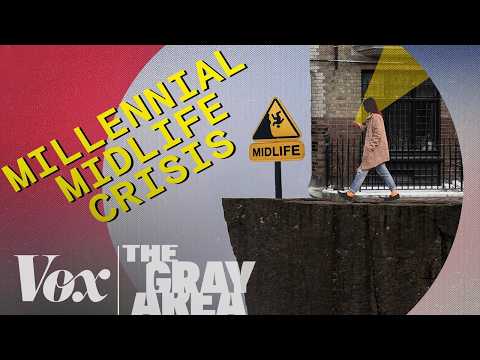
The truth behind the millennial "midlife crisis" | The Gray Area
0
林宜悉 posted on 2026/09/13Ever wonder why millennials seem to be hitting a "midlife crisis" earlier than previous generations? This fascinating chat explores how events like 9/11 and the 2008 financial crisis have shaped a generation's economic and life expectations, offering insights into the changing markers of adulthood and the concept of "late-stage capitalism." You'll pick up some great vocabulary for discussing societal shifts and personal finance!
Learn this video on the APP!
The VoiceTube App has more in-depth practice for videos!