
all over the place
US
UK
- Phrase
- In a state of disorder; scattered everywhere.
- In many different locations; widely distributed.
- Adjective
- Mentally or emotionally disorganized; confused or erratic.
A1Moreas one
US
UK
- Adverb
- Acting or moving together at the same time.
- In complete agreement or unity.
- Phrase
- With a single voice or opinion; unanimously.
- In perfect harmony or unison.
A1Moreas well as
US /æz wɛl æz/
UK /æz wel æz/
- Adverb
- Also; in addition to
- Preposition
- In addition to; and also.
A1Moreassume
US /əˈsum/
UK /ə'sju:m/
- Transitive Verb
- To act in a false manner to mislead others
- To believe, based on the evidence; suppose
A2TOEICMoreat a time
US /æt e taɪm/
UK /æt ə taim/
- Phrase
- Separately; one by one
- Simultaneously; together
A1Morebased on
US
UK
- Phrasal Verb
- To use something as the foundation or starting point for something else.
- Preposition
- Using something as the main idea or foundation.
- Relying on something as evidence or justification.
A1Morebasically
US /ˈbesɪkəli,-kli/
UK /ˈbeɪsɪkli/
- Adverb
- Used before you explain something simply, clearly
- In essence; when you consider the most important aspects of something.
A2Moreblur
US /blɚ/
UK /blɜ:(r)/
- Transitive Verb
- To make something unclear or out of focus
- To dull the distinction between things
B2Morebreak down
US /brek daʊn/
UK /breik daun/
- Phrasal Verb
- To forcibly break, destroy or make collapse
- (Machine) to stop working or become weaker
A1Morebreaks down
US
UK
- Phrasal Verb
- To forcibly break, destroy or make collapse
- (Machine) to stop working or become weaker
A1Morebuild out
US /bɪld aʊt/
UK /bild aut/
- Phrasal Verb
- To expand or develop something, such as a business or system.
- To construct or develop infrastructure, often related to technology or networks.
A1Moreby doing that
US
UK
- Phrase
- Using that action or method.
A2Moreby ear
US /baɪ ɪɚ/
UK /baɪ ɪə/
- other
- Learning or doing something using hearing, not written instructions.
B1Moreby heart
US /baɪ hɑrt/
UK /bai hɑ:t/
- Adverb
- Learned or memorized perfectly.
- Phrase
- To memorize something perfectly
A2Morecarry over
US /ˈkæri ˈovɚ/
UK /ˈkæri ˈəuvə/
- Phrasal Verb
- Accounts to move an entry to later column
- To move an event, completion of task to later time
A1Morecheck out
US /tʃɛk aʊt/
UK /tʃek aut/
- Phrase
- Phrasal Verb
- To find out information about something
- To take books out of a library
A1Morechord
US /kɔrd, kord/
UK /kɔ:d/
- Countable Noun
- Line that joins two points on a circle
- Combination of musical notes played at same time
B1Moredepending on
US
UK
- Phrasal Verb
- To rely on for support (financial or emotional)
- Influenced or determined by.
- Preposition
- Subject to; contingent on
- Relying on someone or something for support or assistance.
A2Morediminish
US /dɪˈmɪnɪʃ/
UK /dɪˈmɪnɪʃ/
- Verb (Transitive/Intransitive)
- To make something smaller or less important
- To imply someone's reputation is less good
B1Moredominant
US /ˈdɑmənənt/
UK /ˈdɒmɪnənt/
- Adjective
- The strongest; most powerful
- Being the most common, significant or important
- Noun
- (Music) The fifth note of a scale.
B1Moreentire
US /ɛnˈtaɪr/
UK /ɪn'taɪə(r)/
- Adjective
- Complete or full; with no part left out; whole
- Undivided; not shared or distributed.
A2TOEICMoreexact
US /ɪɡˈzækt/
UK /ɪɡ'zækt/
- Adjective
- Completely correct; accurate; specific
- Transitive Verb
- To get something, sometimes using force
A2TOEICMorefamiliar
US /fəˈmɪljɚ/
UK /fəˈmɪliə(r)/
- Adjective
- Well-known or easily recognized
- Having a good knowledge of something.
- Noun
- A close friend or associate.
- (In folklore) a spirit, often in animal form, believed to attend and serve a witch.
A2TOEICMorefigure out
US /ˈfɪɡjɚ aʊt/
UK /ˈfiɡə aut/
- Phrasal Verb
- To understand the behavior of someone
- To think through logically to find a solution
- Verb (Transitive/Intransitive)
- To understand or find an answer to something.
- To find a solution to a problem or understand something.
A1Morefill in
US /fɪl ɪn/
UK /fil in/
- Phrasal Verb
- To put earth in e.g. a hole
- To explain the context so that someone understands
- Verb (Transitive/Intransitive)
- To write or type information in a blank space.
- To temporarily do someone else's job.
A1Moreflat
US /flæt/
UK /flæt/
- Noun (Countable/Uncountable)
- Apartment; set of rooms for living in
- The smooth or level part of something
- Verb (Transitive/Intransitive)
- To share an apartment with someone
- To fail to produce the intended effect; to be unsuccessful or uninteresting.
A2Morefor example
US
UK
- Phrase
- As an illustration or instance.
frank
US /fræŋk/
UK /fræŋk/
- Proper Noun
- Member of the ancient Germanic peoples
- Person's name
- Transitive Verb
- To stamp envelopes for posting
B2TOEICMorefrom the first
US /frəm ðə ˈfɝst/
UK /frəm ðə ˈfɜ:st/
- other
- From the very beginning.
B2Moregig
US /ɡɪɡ/
UK /gɪg/
- Noun
- Show; performance; job for a musician or performer
B2Morego ahead
US /ɡo əˈhɛd/
UK /ɡəu əˈhed/
- Phrasal Verb
- To start an activity; start doing, working etc.
- To give permission to do something
- Intransitive Verb
- To start or proceed with something
- To proceed despite potential obstacles or doubts.
A1Moregoing on
US /ˈɡoɪŋ ɑn/
UK /ˈgəʊɪŋ ɔn/
- Phrasal Verb
- To continue doing something
- To happen (usually negative)
A1Morehandful
US /ˈhændˌfʊl/
UK /'hændfʊl/
- Noun (Countable/Uncountable)
- an amount of something that can be held in one hand; small quantity or amount of people or things
- A thing requiring great effort to control, manage
B1Morehave to
US /hæv tu/
UK /ˈhæv tə/
- Auxiliary Verb
- Must do
A1Morehold onto
US /hold ˈɑnˌtu/
UK /həuld ˈɔntu/
- Phrasal Verb
- To grasp or grip something tightly.
- To keep or retain possession of something.
A1Morehum
US /hʌm/
UK /hʌm/
- Verb (Transitive/Intransitive)
- To make a constant low sound
- To move very fast
- Uncountable Noun
- A constant low sound
- A busy, active atmosphere.
B2Morehum along
US /hʌm əˈlɔŋ/
UK /hʌm əˈlɒŋ/
- other
- To sing quietly to oneself, often without words.
B1Morein order to
US /ɪn ˈɔrdɚ tu/
UK /in ˈɔ:də tu:/
- Preposition
- For the purpose of; with the aim of.
- Phrase
- In a specific sequence or arrangement.
- With the aim of; for the purpose of.
C1Morein terms of
US
UK
- Phrase
- With regard to; concerning a particular aspect.
A1Morein the space of
US /ɪn ðə ˈspeɪs ʌv/
UK /in ðə ˈspeis ɔv/
- Preposition
- Within a certain period of time.
B2Morein the way
US /ɪn ði we/
UK /in ðə wei/
- Phrase
- Obstructing someone or something; hindering progress.
- Stored or placed so as to be available or ready when needed.
A1Morein the world
US /ɪn ði wɜrld/
UK /in ðə wɜː(r)ld/
- Phrase
- Used to emphasize a question expressing surprise, confusion, disbelief
- Used to indicate the extent or degree of something, often in a superlative sense
A1Morein with
US /ɪn wɪð/
UK /in wið/
- Phrase
- Fashionable or popular at the moment.
- Having influence or favor with someone.
- Phrasal Verb
- To introduce or bring something new into a system or organization.
A1Moreindividual
US /ˌɪndəˈvɪdʒuəl/
UK /ˌɪndɪˈvɪdʒuəl/
- Countable Noun
- Single person, looked at separately from others
- A single thing or item, especially when part of a set or group.
- Adjective
- Made for use by one single person
- Having a distinct manner different from others
A2Moreinstead of
US /ɪnˈstɛd ʌv/
UK /inˈsted ɔv/
- Preposition
- When one thing is replaced by another
- Adverb
- As a substitute or alternative.
A1Moreleave it out
US /liv ɪt aʊt/
UK /li:v ɪt aʊt/
- other
- To stop doing or saying something irritating or unpleasant.
B1Morelook at
US /lʊk æt/
UK /luk æt/
- Phrasal Verb
- To use your eyes to focus on something
- To focus your eyes on something carefully
A1Moremelody
US /ˈmɛlədi/
UK /'melədɪ/
- Noun (Countable/Uncountable)
- Song; music
- Pleasing musical notes put together to form a tune
B2Moreminor
US /ˈmaɪnɚ/
UK /'maɪnə(r)/
- Adjective
- Not so large in size; not important or valuable
- An interval a half tone smaller than its major
- Noun
- Subject studied in college, but not the main one
- Someone too young to be legally responsible
B1Moreobvious
US /ˈɑbviəs/
UK /ˈɒbviəs/
- Adjective
- Easily understood and clear; plain to see
- Easy to see or notice.
A2TOEICMoreon the spot
US /ɑn ði spɑt/
UK /ɔn ðə spɔt/
- Phrase
- Immediately; at that location.
- Present and ready for action or responsibility.
A1Moreover to
US
UK
- Preposition
- Used to hand over to someone else to speak
- The responsibility is now yours
play in
US
UK
- Phrasal Verb
- To participate or compete in a game or competition.
- To have a role in a theatrical production.
A1Moreplay through
US /pleɪ θru/
UK /pleɪ θru:/
- other
- Continue playing despite injury or difficulty.
B2Moreprocess
US /ˈprɑsˌɛs, ˈproˌsɛs/
UK /prə'ses/
- Transitive Verb
- To organize and use data in a computer
- To deal with official forms in the way required
- Noun (Countable/Uncountable)
- Dealing with official forms in the way required
- Set of changes that occur slowly and naturally
A2TOEICMorerecognize
US /ˈrek.əɡ.naɪz/
UK /ˈrek.əɡ.naɪz/
- Transitive Verb
- To accept the truth or reality of something
- To consider something as important or special
A2TOEICMorerecommend
US /ˌrɛkəˈmɛnd/
UK /ˌrekə'mend/
- Transitive Verb
- To advise or suggest that someone do something
- To endorse or support something publicly.
A2TOEICMorerepertoire
US /ˈrepərtwɑ:(r)/
UK /ˈrepətwɑ:(r)/
- Noun
- Variety of things (e.g. operas/skills) you can do
B2Moreright in front
US
UK
- Phrase
- Directly ahead; in a position immediately before someone or something.
- In a position where something is easily visible or obvious.
A2Moresection
US / ˈsɛkʃən/
UK /'sekʃn/
- Noun (Countable/Uncountable)
- A part of a whole
- Specific group of people from a larger group
- Transitive Verb
- To divide something into smaller parts
B1TOEICMoreseparate
US /'sepəreɪt/
UK /'sepəreɪt/
- Adjective
- Being different from or unrelated to another
- Not connected; different.
- Transitive Verb
- To divide two things by being in between them
- To move things away from each other
A2TOEICMoresing along
US
UK
- Phrasal Verb
- To join in singing with someone or something.
A2Moresit down
US /sit daʊn/
UK /sit daun/
- Phrasal Verb
- To take a seat
A1Moreskeleton
US /ˈskɛlɪtn/
UK /ˈskelɪtn/
- Noun (Countable/Uncountable)
- Structure of bones that supports the body
- Frame that provides support for e.g. a building
- Adjective
- Outline of the basic of main part of something
B1Morestep to
US
UK
- Phrasal Verb
- To approach someone or something, often with a specific purpose.
- To challenge or confront someone, often aggressively.
A1Morestraight
US /stret/
UK /streɪt/
- Adjective
- Not having curves, bends, or angles
- Not gay; heterosexual
- Adverb
- in a line; immediately; honestly and directly
- In a straight line; directly.
A2TOEICMorestructure
US /ˈstrʌk.tʃɚ/
UK /ˈstrʌk.tʃə/
- Noun (Countable/Uncountable)
- The way in which the parts of a system or object are arranged or organized, or a system arranged in this way
- A building or other man-made object.
- Transitive Verb
- To plan, organize, or arrange the parts of something
A2TOEICMoresuppose
US /səˈpoʊz/
UK /sə'pəʊz/
- Verb (Transitive/Intransitive)
- To imagine or guess what might happen
- Conjunction
- What if
A2TOEICMorethink about
US /θɪŋk əˈbaʊt/
UK /θiŋk əˈbaut/
- Phrasal Verb
- To consider something carefully.
- To remember or call to mind.
A1Moreto the point
US /tu ði pɔɪnt/
UK /tu: ðə pɔint/
- Adjective
- Expressing something directly and without unnecessary detail.
- Phrase
- Relevant and pertinent to the matter at hand.
A2Moretranspose
US /trænˈspoʊz/
UK /trænˈspəʊz/
- Transitive Verb
- To change the relative position or sequence
C1Moreturnaround
US /ˈtɚnəˌraʊnd/
UK /ˈtɜ:nəraʊnd/
- Noun
- Unloading/loading/servicing plane for return trip
C2Moretypically
US /ˈtɪpɪklɪ/
UK /ˈtɪpɪkli/
- Adverb
- In a normal or usual way
B1Moreup there
US /ʌp ðɛr/
UK /ʌp ðɛə/
- Adverb
- In or to a higher place or position; far away.
- In heaven.
A1Moreused to
US /juzd tu/
UK /ˈju:st tə/
- Adjective
- Did regularly before, but don't do now
- Auxiliary Verb
- Have done before, but do not do now
A1Morevocal
US /ˈvoʊkl/
UK /ˈvəʊkl/
- Adjective
- Expressing an opinion publicly in a loud way
- Concerning the voice
B1Morewith just
US
UK
- Phrase
- Using only; with no more than.
- Barely; by a narrow margin.
A2More
Vocabulary
- fill in: To put earth in e.g. a hole
- look at: To use your eyes to focus on something
- go ahead: To start an activity; start doing, working etc.
- think about: To consider something carefully.
- hold onto: To grasp or grip something tightly.
- play through: Continue playing despite injury or difficulty.
- instead of: When one thing is replaced by another
- for example: As an illustration or instance.
- in terms of
- sing along: To join in singing with someone or something.
- hum along: To sing quietly to oneself, often without words.
- carry over: Accounts to move an entry to later column
- over to: Used to hand over to someone else to speak
- play in: To participate or compete in a game or competition.
- in the space of: Within a certain period of time.
- right in front: Directly ahead; in a position immediately before someone or something.
- by heart: Learned or memorized perfectly.
- in the way: Obstructing someone or something; hindering progress.
- at a time: Separately; one by one
- in the world: Used to emphasize a question expressing surprise, confusion, disbelief
- up there: In or to a higher place or position; far away.
- breaks down: To forcibly break, destroy or make collapse
- with just: Using only; with no more than.
- going on: To continue doing something
- as one: Acting or moving together at the same time.
- depending on: To rely on for support (financial or emotional)
- have to: Must do
- build out: To expand or develop something, such as a business or system.
- to the point: Expressing something directly and without unnecessary detail.
- based on: To use something as the foundation or starting point for something else.
- all over the place: In a state of disorder; scattered everywhere.
- sit down: To take a seat
- by ear: Learning or doing something using hearing, not written instructions.
- as well as: Also; in addition to
- step to: To approach someone or something, often with a specific purpose.
- check out
- leave it out: To stop doing or saying something irritating or unpleasant.
- in with: Fashionable or popular at the moment.
- figure out: To understand the behavior of someone
- on the spot: Immediately; at that location.
- in order to: For the purpose of; with the aim of.
- from the first: From the very beginning.
- used to: Did regularly before, but don't do now
- break down: To forcibly break, destroy or make collapse
- by doing that: Using that action or method.
- entire: Complete or full; with no part left out; whole
- assume: To act in a false manner to mislead others
- individual: Single person, looked at separately from others
- obvious: Easily understood and clear; plain to see
- process: To organize and use data in a computer
- recognize: To accept the truth or reality of something
- recommend: To advise or suggest that someone do something
- basically: Used before you explain something simply, clearly
- term: Conditions applying to an agreement, contract
- straight: Not having curves, bends, or angles
- structure: The way in which the parts of a system or object are arranged or organized, or a system arranged in this way
- typically: In a normal or usual way
- common: Area in a city or town that is open to everyone
- familiar: Well-known or easily recognized
- exact: Completely correct; accurate; specific
- separate: Being different from or unrelated to another
- suppose: To imagine or guess what might happen
- bit: Device put in a horse's mouth to control it
- flat: Apartment; set of rooms for living in
- handful: an amount of something that can be held in one hand; small quantity or amount of people or things
- similar: Nearly the same; alike
- dominant: The strongest; most powerful
- diminish: To make something smaller or less important
- form: Sports team or person's current winning record
- section: A part of a whole
- pretty: Being attractive to the eye in a simple way
- lead: Wire for electricity, computer, etc.; cable
- minor: Not so large in size; not important or valuable
- lot: What happens to a person in life from chance; fate
- place: To put someone in a particular type of situation
- important: Having power or authority
- single: One run in cricket or a hit baseball
- learn: To get knowledge or skills by study or experience
- skeleton: Structure of bones that supports the body
- point: An item to be discussed
- gig: Show; performance; job for a musician or performer
- blur: To make something unclear or out of focus
- fill: To make something full
- head: To hit a ball with your head in a game
- frank: Member of the ancient Germanic peoples
- chord: Line that joins two points on a circle
- vocal: Expressing an opinion publicly in a loud way
- repertoire: Variety of things (e.g. operas/skills) you can do
- melody: Song; music
- hum: To make a constant low sound
- turnaround: Unloading/loading/servicing plane for return trip
- transpose: To change the relative position or sequence
Get the full experience in the app
Learn anywhere with detailed sentence and usage analysis
01:03
She took a brave step forward, leaving behind her comfort zone to chase her dreams.
Vocabulary
- brave
adj. Having courage
- comfort zone
phr. A familiar situation where one feels safe
Explanation
a brave step is a noun phrase, where brave is an adjective modifying the noun step, meaning "a courageous step".
forward is an adverb modifying step, meaning "ahead".
The whole phrase serves as the object, answering the "what" of took (verb) — she took a brave step forward.
Get the full experience in the app
Look up words anytime with pronunciation, part of speech, and usage
brave
US/brev/
UK/breɪv/
adj.Brave
v.t.To bravely face
A2 Elementary
Get the full experience in the app
Practice speaking anytime and get instant pronunciation feedback
Try this speaking exercise.
Try practicing with this sentence.
80
0
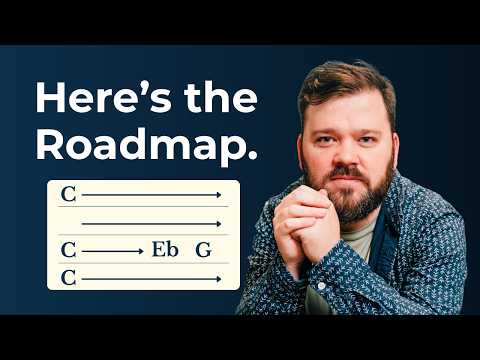
hayaokimido posted on 2026/09/10Ever wondered how jazz musicians memorize hundreds of songs? This video reveals a clever shortcut: instead of memorizing every single chord, you'll learn how to recognize and use common harmonic patterns like the "2-5-1" to "read" tunes like a roadmap. You'll pick up practical ways to approach complex music and boost your improvisation skills!
Learn this video on the APP!
The VoiceTube App has more in-depth practice for videos!