
acknowledge
US /ækˈnɑlɪdʒ/
UK /ək'nɒlɪdʒ/
- Transitive Verb
- To say you have received a letter, gift, etc.
- To say you accept the truth or value of something
A2Moreadministration
US / ædˌmɪnɪˈstreʃən/
UK /ədˌmɪnɪˈstreɪʃn/
- Uncountable Noun
- Act of giving e.g. medicine to a patient
- The work of running something, e.g. a business
B1TOEICMoreanswer to
US
UK
- Phrasal Verb
- To be responsible to someone and have to explain your actions to them.
- To correspond to or match a description or requirement.
A1Moreapart from
US /əˈpɑrt frʌm/
UK /əˈpɑ:t frɔm/
- Preposition
- Except for; not considering
- In addition to; as well as
as against
US /əz əˈgɛnst/
UK /əz əˈgenst/
- other
- Compared with; in contrast to.
B2Moreat least
US /æt list/
UK /æt li:st/
- Adverb
- As a minimum
- Not less than
- Phrase
- No less than; at the minimum
- Used to indicate that something is positive in a bad situation.
C2Moreat the worst
US /ət ðə ˈwɝst/
UK /ət ðə ˈwɜ:st/
- other
- Used to describe the worst possible situation or outcome.
B1Moreballot
US /ˈbælət/
UK /'bælət/
- Countable Noun
- Piece of paper used for the purpose of voting
- Intransitive Verb
- To have voted in an election
B2Morebullshit
US /ˈbʊlˌʃɪt/
UK /ˈbʊlʃɪt/
- Interjection
- Telling lies, nonsense (very rude)
- Uncountable Noun
- Nonsense; something that is not true.
C2Morecampaign
US /kæmˈpen/
UK /kæm'peɪn/
- Intransitive Verb
- To work in an organized, active way towards a goal
- Noun (Countable/Uncountable)
- Series of actions meant to achieve a goal
- A planned set of military activities intended to achieve a particular objective.
A2TOEICMorecast
US /kæst/
UK /kɑ:st/
- Noun (Countable/Uncountable)
- People who appear in a play or movie
- Small amount of a particular color
- Transitive Verb
- To give specific roles to actors in a movie, play
- To describe someone's personality or character
A2Morechaos
US /ˈkeˌɑs/
UK /'keɪɒs/
- Noun (plural)
- State of utter confusion or disorder
- Uncountable Noun
- Complete disorder and confusion.
- Behavior so unpredictable as to appear random, owing to great sensitivity to small changes in conditions.
B1Morecivil
US /ˈsɪvəl/
UK /ˈsɪvl/
- Adjective
- Of citizens of a country; not military, criminal
- Acting in a polite, but not truly friendly manner
B1Moreclaim
US /klem/
UK /kleɪm/
- Noun (Countable/Uncountable)
- To say that something is true, often without proof.
- A statement that something is true.
- Transitive Verb
- To demand or ask for something that you believe is rightfully yours.
- To take or cause the loss of (e.g., a life, property).
A2Morecoming to you
US
UK
- Intransitive Verb
- To approach or arrive at your location
- To occur to you; to enter your mind
A1Moreconcede
US /kənˈsid/
UK /kən'si:d/
- Verb (Transitive/Intransitive)
- To admit that something is true
B2Moreconvention center
US
UK
- Noun
A1Morecount
US /kaʊnt/
UK /kaʊnt/
- Verb (Transitive/Intransitive)
- To add things together to find the total number
- To matter or be important
- Countable Noun
- Number of things added together, e.g. votes
- With the number of crimes, knockouts, as stated
A2Morecrime
US /kraɪm/
UK /kraɪm/
- Noun (Countable/Uncountable)
- Act that is believed to be a mistake or foolish
- Act that is against the law; murder, theft etc.
A2Moredamage
US /ˈdæmɪdʒ/
UK /ˈdæmɪdʒ/
- Noun (Countable/Uncountable)
- Physical harm that is done to something
- Transitive Verb
- To harm physically; to hurt or break something
- To harm the reputation of someone.
A2TOEICMoredespite the fact
US
UK
- Preposition
- In spite of; notwithstanding.
- Conjunction
- Even though; although.
A2Moredownside
US /ˈdaʊnˌsaɪd/
UK /ˈdaʊnsaɪd/
- Noun
- Negative aspect of something
- The potential negative consequences or risks associated with a decision or action.
B2Moredrop off
US /drɑp ɔf/
UK /drɒp ɒf/
- Phrasal Verb
- To leave someone, something somewhere
- To fall asleep
- Verb (Transitive/Intransitive)
- To take someone or something to a particular place and leave them there.
A1Moreelect
US /ɪˈlɛkt/
UK /ɪ'lekt/
- Transitive Verb
- To select someone for a position by voting
B1TOEICMoreelection
US /ɪˈlɛkʃən/
UK /ɪ'lekʃn/
- Noun
- Process of choosing someone by voting
B1TOEICMoreevidence of
US
UK
- Phrase
- Facts, objects, or signs that make you believe that something is true.
- Something that shows that something else exists or is true.
A1Moreexcept for
US /ɪkˈsɛpt fɔr/
UK /ikˈsept fɔ:/
- Preposition
- Not including; excluding.
fight on
US
UK
- Phrasal Verb
- To continue fighting despite difficulties or setbacks.
A1Morefor the record
US /fɔr ði rɪˈkɚd/
UK /fɔ: ðə riˈkɔ:d/
- Phrase
- Said to ensure something is officially noted or remembered.
- To state something to ensure the correct information is known.
A1Moreformally
US /ˈfɔrml:ɪ/
UK /'fɔ:məlɪ/
- Adverb
- In a formal manner; officially
- In your best clothes, e.g. for a prom
B1Morefort
US /fɔ:rt/
UK /fɔ:t/
- Noun
- Group of military buildings with high walls
B1Morefraud
US /frɔd/
UK /frɔ:d/
- Noun (Countable/Uncountable)
- Use of dishonest ways to take something valuable
- Person who pretends to be what he or she is not
B1TOEICMorego ahead
US /ɡo əˈhɛd/
UK /ɡəu əˈhed/
- Phrasal Verb
- To start an activity; start doing, working etc.
- To give permission to do something
- Intransitive Verb
- To start or proceed with something
- To proceed despite potential obstacles or doubts.
A1Morehandle
US /ˈhændl/
UK /'hændl/
- Transitive Verb
- To cope with or take responsibility for
- To control a machine, car etc.
- Countable Noun
- The part of a door you hold to open it
- Thing you hold to carry or open a bag, pan etc.
A2TOEICMorehave to
US /hæv tu/
UK /ˈhæv tə/
- Auxiliary Verb
- Must do
A1Morehonk
US /hɔŋk, hɑŋk/
UK /hɒŋk/
- Intransitive Verb
- To make a loud noise like that of a horn
- Noun
- A loud noise like that of a horn
C2Morein a row
US /ɪn e ro/
UK /in ə rəu/
- Phrase
- One after another without a break.
- Arranged in a straight line.
- Idiom
- To have an argument.
A1Morein a vacuum
US /ɪn e ˈvækjuəm/
UK /in ə ˈvækjuəm/
- Phrase
- Existing or considered without relation to other things; isolated from outside influences.
- Without any context or background information.
A1Morein broad daylight
US /ɪn brɔd ˈdeˌlaɪt/
UK /in brɔ:d ˈdeilait/
- Phrase
- Openly and brazenly, especially during the day when it is easily visible.
B1Morein charge
US /ɪn tʃɑrdʒ/
UK /in tʃɑ:dʒ/
- Adverb
- To be responsible for
A1Morein court
US /ɪn kɔrt/
UK /in kɔ:t/
- Phrase
- Present or being discussed during a legal trial or hearing.
A1Morein fact
US /ɪn fækt/
UK /in fækt/
- Adverb
- Used to emphasize the truth of a statement, especially one that contrasts with or contradicts something else.
- Used to introduce a more detailed or surprising piece of information.
- Phrase
- Used to emphasize the truth of a statement, especially one that is surprising or contrary to what might be expected.
C1Morein particular
US /ɪn pɚˈtɪkjəlɚ/
UK /in pəˈtikjulə/
- Phrase
- Specifically; especially.
- Detailed or precise.
A1Morein the future
US /ɪn ði ˈfjutʃɚ/
UK /in ðə ˈfju:tʃə/
- Phrase
- At a later time; in times to come.
A1Morein with
US /ɪn wɪð/
UK /in wið/
- Phrase
- Fashionable or popular at the moment.
- Having influence or favor with someone.
- Phrasal Verb
- To introduce or bring something new into a system or organization.
A1Morelook at
US /lʊk æt/
UK /luk æt/
- Phrasal Verb
- To use your eyes to focus on something
- To focus your eyes on something carefully
A1Morelook the other way
US /lʊk ði ˈʌðɚ weɪ/
UK /lʊk ði ˈʌðə weɪ/
- other
- To deliberately ignore something wrong or bad that happens.
B2Morelooking out
US
UK
- Phrasal Verb
- To take care and watch something carefully
- To be careful; to be vigilant
- Intransitive Verb
- To be careful or vigilant
A1Moremight well
US
UK
- Modal Verb
- Used to indicate a good possibility or likelihood.
- Used to suggest a sensible or advisable course of action.
A1Moremove on
US /muv ɑn/
UK /mu:v ɔn/
- Phrasal Verb
- To decide to change or go to a different place
- To start talking about something different.
A1Morenightmare
US /ˈnaɪtˌmɛr/
UK /ˈnaɪtmeə(r)/
- Noun (Countable/Uncountable)
- Frightening, difficult or displeasing experience
- Frightening or upsetting dream while sleeping
A2Morenonsense
US /ˈnɑ:nsens/
UK /ˈnɒnsns/
- Uncountable Noun
- Foolish or untrue statements or ideas
- Foolish or unacceptable behaviour.
- Interjection
- Used to say that you do not agree with something or think it is not true.
A2Moreof all time
US /ʌv ɔl taɪm/
UK /ɔv ɔ:l taim/
- Adjective
- The best or most significant in history.
- Phrase
- Ever; in all of history.
A1Moreof course
US /ʌv kɔː(r)s/
UK /ɔv kɔː(r)s/
- Adverb
- Sure ; Certainly
- Phrase
- For sure; certainly
A2Moreon earth
US /ɑn ɚθ/
UK /ɔn ə:θ/
- Phrase
- Used to emphasize a question expressing surprise or anger.
- Used to emphasize that something is not possible or will not happen.
A1Moreon to
US /ɑn tu/
UK /ɔn tu:/
- Preposition
- Toward something; forward
- Aware of someone's activities.
- Adjective
- Aware of someone's deception or illegal activities.
A1Moreother than
US
UK
- Preposition
- Except for; apart from.
- Conjunction
- Different from.
A1Morepandemic
US /pænˈdɛmɪk/
UK /pæn'demɪk/
- Adjective
- (of a disease) existing in almost all of an area or in almost all of a group of people, animals, or plants
- Noun
- a pandemic disease
C2Morepoll
US /pol/
UK /pəʊl/
- Noun (Countable/Uncountable)
- Process of gathering opinions by asking questions
- Polls where you go to cast your vote in elections
- Transitive Verb
- To ask a group of people in a vote or election
B1TOEICMorepresident
US /ˈprɛzɪdənt,-ˌdɛnt/
UK /ˈprezɪdənt/
- Noun
- Person in charge of a country, or organization
- The highest-ranking executive in a corporation or organization.
A2TOEICMorepunch
US /pʌntʃ/
UK /pʌntʃ/
- Noun (Countable/Uncountable)
- Alcoholic drink made from wine and fruit, etc.
- Transitive Verb
- To hit something very hard with a closed hand
- To make a hole in something with a special tool
B1Morerefuse
US /ˈrefjus/
UK /rɪ'fju:z/
- Transitive Verb
- To not accept, allow, or give something
- Uncountable Noun
- Garbage, waste
A2TOEICMorerepublican
US /rɪˈpʌblɪkən/
UK /rɪˈpʌblɪkən/
- Countable Noun
- Supporter of the conservative US political party
- Adjective
- Of a republic; not favoring a monarchy
B1Moresatan
US /'seɪtn/
UK /'seɪtn/
- Proper Noun
- An evil spirit said to be in control of hell
B2Moresettler
US /ˈsɛtlɚ/
UK /ˈsetlə(r)/
- Countable Noun
- Person going to live in an uninhabited region
B1Morespend
US /spɛnd/
UK /spend/
- Transitive Verb
- To use money to pay for something
- To use time in order to do something
A2TOEICMorestand here
US
UK
- Intransitive Verb
- To remain in or move to this specific location.
suck
US /sʌk/
UK /sʌk/
- Intransitive Verb
- To be very bad, undesirable or unpleasant
- Transitive Verb
- To pull or remove something with great power
- To attract someone; make someone interested
B1Moretalking about
US
UK
- Phrasal Verb
- To discuss a particular topic.
- To be constantly mentioning or bringing up a subject.
A1Morethreat
US /θrɛt/
UK /θret/
- Noun
- Warning of probable trouble
- A warning that you may be harmed
A2TOEICMorethreat to
US
UK
- Phrase
- A person or thing likely to cause damage or danger.
- A statement of an intention to inflict pain, injury, damage, or other hostile action on someone in retribution for or opposition to something done or not done.
B2Moretime will tell
US
UK
- Phrase
- The future will reveal the answer or outcome.
A1Moreto do with
US
UK
- Phrasal Verb
- To be about something; concern
A1Moretransition
US /trænˈzɪʃən, -ˈsɪʃ-/
UK /trænˈzɪʃn/
- Noun
- Change from one state, movement, place to another
- Intransitive Verb
- To change state, movement, place, or subject
B1Moreturtle
US /ˈtɜ:rtl/
UK /ˈtɜ:tl/
- Noun
- Animal that lives in water and has a hard shell
B1Moretwitter
US /ˈtwɪtɚ/
UK /ˈtwɪtə(r)/
- Intransitive Verb
- To make small chattering sounds, like some birds
- Proper Noun
- An online messaging system
C2Morewidespread
US /ˈwaɪdˈsprɛd/
UK /ˈwaɪdspred/
- Adjective
- Happening or existing in many places
A2TOEICMorewith just
US
UK
- Phrase
- Using only; with no more than.
- Barely; by a narrow margin.
A2Morework to do
US
UK
- Phrase
- Tasks or activities that need to be accomplished.
- Obligations or responsibilities that require effort and attention.
A1More
Vocabulary
- evidence of: Facts, objects, or signs that make you believe that something is true.
- have to: Must do
- in fact: Used to emphasize the truth of a statement, especially one that contrasts with or contradicts something else.
- talking about: To discuss a particular topic.
- stand here: To remain in or move to this specific location.
- coming to you: To approach or arrive at your location
- in with: Fashionable or popular at the moment.
- in a row: One after another without a break.
- go ahead: To start an activity; start doing, working etc.
- move on: To decide to change or go to a different place
- look the other way: To deliberately ignore something wrong or bad that happens.
- on to: Toward something; forward
- apart from: Except for; not considering
- look at: To use your eyes to focus on something
- might well: Used to indicate a good possibility or likelihood.
- in particular: Specifically; especially.
- as against: Compared with; in contrast to.
- of all time: The best or most significant in history.
- in broad daylight: Openly and brazenly, especially during the day when it is easily visible.
- in court: Present or being discussed during a legal trial or hearing.
- drop off: To leave someone, something somewhere
- for the record: Said to ensure something is officially noted or remembered.
- to do with: To be about something; concern
- answer to: To be responsible to someone and have to explain your actions to them.
- of course: Sure ; Certainly
- except for: Not including; excluding.
- fight on: To continue fighting despite difficulties or setbacks.
- on earth: Used to emphasize a question expressing surprise or anger.
- convention center
- threat to: A person or thing likely to cause damage or danger.
- in charge: To be responsible for
- looking out: To take care and watch something carefully
- with just: Using only; with no more than.
- in a vacuum: Existing or considered without relation to other things; isolated from outside influences.
- other than: Except for; apart from.
- despite the fact: In spite of; notwithstanding.
- in the future: At a later time; in times to come.
- time will tell: The future will reveal the answer or outcome.
- at the worst: Used to describe the worst possible situation or outcome.
- work to do: Tasks or activities that need to be accomplished.
- at least: As a minimum
- pandemic: (of a disease) existing in almost all of an area or in almost all of a group of people, animals, or plants
- evidence: Factual proof that helps to establish the truth
- campaign: To work in an organized, active way towards a goal
- chaos: State of utter confusion or disorder
- claim: To say that something is true, often without proof.
- fraud: Use of dishonest ways to take something valuable
- acknowledge: To say you have received a letter, gift, etc.
- mean: Average of a set of numbers
- suck: To be very bad, undesirable or unpleasant
- draw: To attract attention to someone or something
- state: Region within a country, with its own government
- cast: People who appear in a play or movie
- threat: Warning of probable trouble
- administration: Act of giving e.g. medicine to a patient
- widespread: Happening or existing in many places
- transition: Change from one state, movement, place to another
- accept: To agree to receive or take something offered
- nightmare: Frightening, difficult or displeasing experience
- poll: Process of gathering opinions by asking questions
- civil: Of citizens of a country; not military, criminal
- crime: Act that is believed to be a mistake or foolish
- receive: To get something someone has given or sent to you
- lot: What happens to a person in life from chance; fate
- count: To add things together to find the total number
- downside: Negative aspect of something
- sign: Indication that something exists or will happen
- punch: Alcoholic drink made from wine and fruit, etc.
- spend: To use money to pay for something
- president: Person in charge of a country, or organization
- fact: Something that is known or proved to be true
- election: Process of choosing someone by voting
- damage: Physical harm that is done to something
- nonsense: Foolish or untrue statements or ideas
- refuse: To not accept, allow, or give something
- handle: To cope with or take responsibility for
- ballot: Piece of paper used for the purpose of voting
- pick: Sharp tool used for breaking the ground
- change: To exchange one set of clothes for another
- wear: To have clothes, glasses, shoes etc. on your body
- secretary: Office worker who makes appointments, etc.
- choose: To select; decide between several possibilities
- fight: To argue or quarrel with someone about something
- concede: To admit that something is true
- republican: Supporter of the conservative US political party
- bullshit: Telling lies, nonsense (very rude)
- twitter: To make small chattering sounds, like some birds
- honk: To make a loud noise like that of a horn
- fort: Group of military buildings with high walls
- elect: To select someone for a position by voting
- formally: In a formal manner; officially
- turtle: Animal that lives in water and has a hard shell
- settler: Person going to live in an uninhabited region
- satan: An evil spirit said to be in control of hell
Get the full experience in the app
Learn anywhere with detailed sentence and usage analysis
01:03
She took a brave step forward, leaving behind her comfort zone to chase her dreams.
Vocabulary
- brave
adj. Having courage
- comfort zone
phr. A familiar situation where one feels safe
Explanation
a brave step is a noun phrase, where brave is an adjective modifying the noun step, meaning "a courageous step".
forward is an adverb modifying step, meaning "ahead".
The whole phrase serves as the object, answering the "what" of took (verb) — she took a brave step forward.
Get the full experience in the app
Look up words anytime with pronunciation, part of speech, and usage
brave
US/brev/
UK/breɪv/
adj.Brave
v.t.To bravely face
A2 Elementary
Get the full experience in the app
Practice speaking anytime and get instant pronunciation feedback
Try this speaking exercise.
Try practicing with this sentence.
80
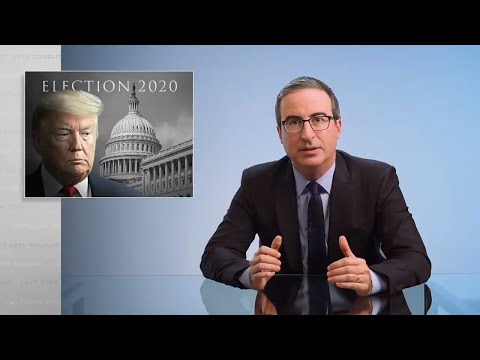
Trump & Election Results: Last Week Tonight with John Oliver (HBO)
0
蘇英蔓 posted on 2026/09/05Ever wondered how election results can be challenged? John Oliver dives into the claims made after the last US election, breaking down why they didn't hold up. You'll pick up some great vocabulary for discussing political news and understanding how to critically evaluate information.
Learn this video on the APP!
The VoiceTube App has more in-depth practice for videos!