
advantage
US /ædˈvæntɪdʒ/
UK /əd'vɑ:ntɪdʒ/
- Noun (Countable/Uncountable)
- Thing making the chance of success higher
- A positive point about something
- Transitive Verb
- To make use of something, especially to further one's own position; exploit.
A2TOEICMoreagricultural
US /ˌæɡrɪ'kʌltʃərəl/
UK /ˌæɡrɪ'kʌltʃərəl/
- Adjective
- Concerning farming, or the land
B1Moreagriculture
US /ˈæɡrɪˌkʌltʃɚ/
UK /ˈægrɪkʌltʃə(r)/
- Uncountable Noun
- The science of farming
- The study of farming and related sciences.
A2Morearound the world
US /əˈraʊnd ði wɜrld/
UK /əˈraund ðə wɜː(r)ld/
- Phrase
- In or to many countries.
- In various places throughout the world.
A2Moreby now
US /baɪ naʊ/
UK /bai nau/
- Phrase
- At the present time or already; before the present.
A2Morecoming to you
US
UK
- Intransitive Verb
- To approach or arrive at your location
- To occur to you; to enter your mind
A1Morefor instance
US /fɔr ˈɪnstəns/
UK /fɔ: ˈinstəns/
- Adverb
- As an example.
- Phrase
- As an example.
- As an illustration or case in point
B1Morefor sure
US /fɔr ʃʊr/
UK /fɔ: ʃuə/
- Adverb
- Definitely; certainly; without a doubt.
- Used to emphasize a statement.
- Interjection
- An expression of strong agreement or affirmation.
A2Moregather
US /ˈɡæðɚ/
UK /ˈgæðə(r)/
- Transitive Verb
- To bring objects together into one place
- To collect foods such as wild berries or crops
- Noun
- Fold in cloth, as in a full skirt
A2TOEICMoregot to
US /ɡɑt tu/
UK /gɔt tu:/
- Verb (Transitive/Intransitive)
- To arrive at some place
- To have the opportunity or permission to do something
- Phrasal Verb
- To appeal to the emotions of; move
- To finally begin to start something after a delay
A1Morehave to
US /hæv tu/
UK /ˈhæv tə/
- Auxiliary Verb
- Must do
A1Morehelp out
US /hɛlp aʊt/
UK /help aut/
- Phrasal Verb
- To assist someone
A1Morehistory
US /ˈhɪstəri/
UK /'hɪstrɪ/
- Noun (Countable/Uncountable)
- Established pattern or record
- Study of past events as an academic subject
A2Morein a series
US
UK
- Phrase
- Arranged or happening one after another.
- Occurring sequentially or in a specific order.
B1Morein fact
US /ɪn fækt/
UK /in fækt/
- Adverb
- Used to emphasize the truth of a statement, especially one that contrasts with or contradicts something else.
- Used to introduce a more detailed or surprising piece of information.
- Phrase
- Used to emphasize the truth of a statement, especially one that is surprising or contrary to what might be expected.
C1Morein places
US
UK
- Phrase
- In some locations but not others
A1Morein time
US /ɪn taɪm/
UK /in taim/
- Adverb
- Eventually; after a period of time.
- Not late; with enough time to spare.
- Phrase
- Eventually; before it is too late.
- According to the scheduled time; punctual.
A1Morein turn
US
UK
- Adverb
- One after the other in a sequence or rotation.
A1Moreland on
US
UK
- Phrasal Verb
- To come down to the ground or another surface after flying or falling.
- To criticize someone severely.
B1Morelook at
US /lʊk æt/
UK /luk æt/
- Phrasal Verb
- To use your eyes to focus on something
- To focus your eyes on something carefully
A1Moremeat
US /mit/
UK /mi:t/
- Uncountable Noun
- Flesh of a dead animal that you eat
- Noun
- Something that is important or significant
A2Moremove around
US /muv əˈraʊnd/
UK /mu:v əˈraund/
- Phrasal Verb
- To change position or location; to go from place to place.
- Intransitive Verb
- To spread or circulate (e.g., information, rumors).
of course
US /ʌv kɔː(r)s/
UK /ɔv kɔː(r)s/
- Adverb
- Sure ; Certainly
- Phrase
- For sure; certainly
A2Moreon the road
US /ɑn ði rəʊd/
UK /ɔn ðə roʊd/
- Phrase
- Traveling, especially as part of a tour or journey.
- Making progress; advancing towards a goal.
- Idiom
- Making progress towards a goal or achievement.
A1Moreother than
US
UK
- Preposition
- Except for; apart from.
- Conjunction
- Different from.
A1Moreout of it
US /aʊt ʌv ɪt/
UK /aut ɔv it/
- Adjective
- Unconscious or not completely alert; dazed or confused.
- Not able to think clearly or react quickly; not with it.
A1Moreover to
US
UK
- Preposition
- Used to hand over to someone else to speak
- The responsibility is now yours
planet
US /ˈplænɪt/
UK /'plænɪt/
- Noun (Countable/Uncountable)
- One of the bodies that orbit the sun
- A different world or sphere of existence.
- Proper Noun
- The earth.
A2Morepopulation
US /ˌpɑpjəˈleʃən/
UK /ˌpɒpjuˈleɪʃn/
- Noun (Countable/Uncountable)
- Number of people who live in a country, area etc.
- A group of individuals of one species living in a particular area.
A2TOEICMorerevolution
US /ˌrɛvəˈluʃən/
UK /ˌrevə'lu:ʃn/
- Noun
- When a group overthrows an existing government
- Sudden or significant change in something
B1Morespend more time
US
UK
- Phrase
- To dedicate a greater amount of time to a particular activity or person.
A1Morethanks to
US /θæŋks tu/
UK /θæŋks tu:/
- Preposition
- Because of; as a result of.
A1Morethink about
US /θɪŋk əˈbaʊt/
UK /θiŋk əˈbaut/
- Phrasal Verb
- To consider something carefully.
- To remember or call to mind.
A1Moreturn into
US /tɚn ˈɪntu/
UK /tə:n ˈɪntuː/
- Phrasal Verb
- To change to become something else
- To change your direction to go into a place
A1Moreway too long
US
UK
- Phrase
- Excessively long in duration; much longer than necessary or desired.
- An expression indicating that a period of time has been excessively extended since a particular event.
A2Morewheat
US /hwit, wit/
UK /wi:t/
- Uncountable Noun
- A kind of grain that is used to make flour
B1More
Vocabulary
- have to: Must do
- got to: To arrive at some place
- look at: To use your eyes to focus on something
- in places: In some locations but not others
- think about: To consider something carefully.
- other than: Except for; apart from.
- over to: Used to hand over to someone else to speak
- out of it: Unconscious or not completely alert; dazed or confused.
- thanks to: Because of; as a result of.
- spend more time: To dedicate a greater amount of time to a particular activity or person.
- around the world: In or to many countries.
- in turn: One after the other in a sequence or rotation.
- in time: Eventually; after a period of time.
- for instance: As an example.
- coming to you: To approach or arrive at your location
- in a series: Arranged or happening one after another.
- in fact: Used to emphasize the truth of a statement, especially one that contrasts with or contradicts something else.
- land on: To come down to the ground or another surface after flying or falling.
- on the road: Traveling, especially as part of a tour or journey.
- help out: To assist someone
- move around: To change position or location; to go from place to place.
- way too long: Excessively long in duration; much longer than necessary or desired.
- by now: At the present time or already; before the present.
- for sure: Definitely; certainly; without a doubt.
- of course: Sure ; Certainly
- turn into: To change to become something else
- people: Persons sharing culture, country, background, etc.
- world: All the humans, events, activities on the earth
- planet: One of the bodies that orbit the sun
- population: Number of people who live in a country, area etc.
- advantage: Thing making the chance of success higher
- revolution: When a group overthrows an existing government
- food: What people and animals eat to live
- history: Established pattern or record
- agriculture: The science of farming
- gather: To bring objects together into one place
- test: To be given a medical examination
- wheat: A kind of grain that is used to make flour
- agricultural: Concerning farming, or the land
- meat: Flesh of a dead animal that you eat
- eat: To put food in your mouth
Get the full experience in the app
Learn anywhere with detailed sentence and usage analysis
01:03
She took a brave step forward, leaving behind her comfort zone to chase her dreams.
Vocabulary
- brave
adj. Having courage
- comfort zone
phr. A familiar situation where one feels safe
Explanation
a brave step is a noun phrase, where brave is an adjective modifying the noun step, meaning "a courageous step".
forward is an adverb modifying step, meaning "ahead".
The whole phrase serves as the object, answering the "what" of took (verb) — she took a brave step forward.
Get the full experience in the app
Look up words anytime with pronunciation, part of speech, and usage
brave
US/brev/
UK/breɪv/
adj.Brave
v.t.To bravely face
A2 Elementary
Get the full experience in the app
Practice speaking anytime and get instant pronunciation feedback
Try this speaking exercise.
Try practicing with this sentence.
80
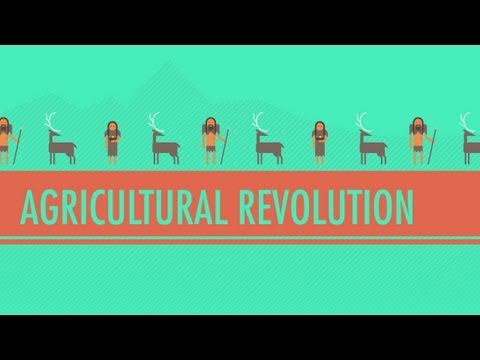
The Agricultural Revolution: Crash Course World History #1
0
Fu Jung Lai posted on 2012/12/20Ever wondered how we went from hunting and gathering to farming and building civilizations? This hilarious Crash Course video with John Green breaks down the Agricultural Revolution, explaining everything from animal domestication to how our food systems changed forever! You'll pick up some great vocabulary and cultural insights along the way.
Learn this video on the APP!
The VoiceTube App has more in-depth practice for videos!