
actual
US /ˈæktʃuəl/
UK /ˈæktʃuəl/
- Adjective
- Real or existing in fact, not imagined; real
- Current; existing at the present time.
A2TOEICMoreadd up to
US /æd ʌp tu/
UK /æd ʌp tu:/
- Phrasal Verb
- To amount to a particular sum or total.
- To have a particular result or effect; to be equal to.
A2Moreagent
US /ˈedʒənt/
UK /'eɪdʒənt/
- Noun
- Chemical with the power to make chemical reactions
- Person who represents or decides for others
A2TOEICMoreassign
US /əˈsaɪn/
UK /ə'saɪn/
- Transitive Verb
- To give someone a particular job to do
- To give someone credit or blame for something
B2TOEICMoreassociate
US /əˈsoʊʃiˌeɪt/
UK /ə'səʊʃɪeɪt/
- Countable Noun
- Partner in professional work, e.g. in law
- Verb (Transitive/Intransitive)
- To spend time with other people; mix with
- To form a connection in your mind between things
B1TOEICMoreassume
US /əˈsum/
UK /ə'sju:m/
- Transitive Verb
- To act in a false manner to mislead others
- To believe, based on the evidence; suppose
A2TOEICMoreatom
US /ˈætəm/
UK /'ætəm/
- Noun
- Smallest bit that matter can be broken down into
B1Morecarbon
US /ˈkɑrbən/
UK /'kɑ:bən/
- Uncountable Noun
- Chemical element with an atomic number of 6
B1Morecause
US /kɔz/
UK /kɔ:z/
- Noun
- Belief, goal or organization that people support
- Reason for
- Transitive Verb
- To make something happen; create effect or result
A2Morechannel
US /ˈtʃænəl/
UK /'tʃænl/
- Noun (Countable/Uncountable)
- Long hole dug in the ground, e.g. to move water
- TV or radio station or its programs
- Transitive Verb
- To dig a long hole for carrying water
- To send (e.g. money) to a certain place or person
B1Morecharge
US /tʃɑrdʒ/
UK /tʃɑ:dʒ/
- Verb (Transitive/Intransitive)
- To run quickly toward someone to attack them
- To ask for money as a price for a service or goods
- Noun (Countable/Uncountable)
- An attack by running quickly toward someone
- A price for a service or goods
A2Morechemistry
US /ˈkɛmɪstri/
UK /'kemɪstrɪ/
- Uncountable Noun
- The study of the structure of substances
B1Morecomprehension
US /ˌkɑmprɪˈhɛnʃən/
UK /ˌkɒmprɪˈhenʃn/
- Uncountable Noun
- Act of understanding, e.g. a reading text
- The scope or range of something.
B1Morecopper
US /ˈkɑpɚ/
UK /'kɒpə(r)/
- Uncountable Noun
- Reddish-brown metal used in cables or wires
B1Moredecrease
US /dɪˈkris/
UK /dɪˈkri:s/
- Verb (Transitive/Intransitive)
- To reduce the size, amount or number of something
- Uncountable Noun
- Amount by which something has been reduced
B1TOEICMoredioxide
US /daɪˈɑksaɪd/
UK /daɪˈɒksaɪd/
- Noun
- An oxide containing two oxides per molecule
B2Moreelectron
US /ɪˈlektrɑ:n/
UK /ɪˈlektrɒn/
- Countable Noun
- A negatively charged particle
B2Moreelement
US /ˈɛləmənt/
UK /'elɪmənt/
- Noun (Countable/Uncountable)
- Essential or particular part of something
- A substance that cannot be broken down into simpler substances by chemical means.
A2TOEICMoreequation
US /ɪˈkweʒən, -ʃən/
UK /ɪˈkweɪʒn/
- Noun (Countable/Uncountable)
- Mathematical statement showing things to be equal
- Complex set of different facts, ideas or issues
B1Moreexcept for
US /ɪkˈsɛpt fɔr/
UK /ikˈsept fɔ:/
- Preposition
- Not including; excluding.
flow
US /flo/
UK /fləʊ/
- Intransitive Verb
- To move steadily and easily in a certain direction
- Uncountable Noun
- Amount of something that moves through an area
A2Morefor example
US
UK
- Phrase
- As an illustration or instance.
gain
US /ɡen/
UK /ɡeɪn/
- Verb (Transitive/Intransitive)
- To increase in something, such as weight
- To get something wanted, needed or valued
- Noun (Countable/Uncountable)
- An increase in something, such as weight
A2TOEICMorehydrogen
US /ˈhaɪdrədʒən/
UK /ˈhaɪdrədʒən/
- Uncountable Noun
- Lightest of all chemical elements
B1Morehypothetical
US /ˌhaɪpəˈθɛtɪkəl/
UK /ˌhaɪpəˈθetɪkl/
- Adjective
- Thought up, as an example; not being a real case
- Of the nature of a hypothesis; conjectural; provisional.
- Noun
- A hypothetical example or case.
- A hypothetical situation or scenario.
B2Moreion
US /ˈaɪən/
UK /'aɪən/
- Noun (Countable/Uncountable)
- Atoms with either a positive or negative charge
B2Morelook at
US /lʊk æt/
UK /luk æt/
- Phrasal Verb
- To use your eyes to focus on something
- To focus your eyes on something carefully
A1Moremolecule
US /ˈmɑlɪˌkjul/
UK /ˈmɒlɪkju:l/
- Noun
- Two or more atoms chemically combined
B2Morenegative
US /ˈnɛɡətɪv/
UK /'neɡətɪv/
- Noun
- The opposite to a positive electrical charge
- In grammar, containing words such as 'no' or 'not'
- Adjective
- Being harmful, unwanted or unhelpful
- In mathematics, being less than zero
A2Moreneutral
US /ˈnu:trəl/
UK /ˈnju:trəl/
- Adjective
- Something with pH value of 7
- Having no positive or negative electrical charge
- Noun (Countable/Uncountable)
- Color that is dull and not bright, such as gray
- The rest position for gears in a car or vehicle
B1Moreoccur
US /əˈkɚ/
UK /əˈkɜ:(r)/
- Intransitive Verb
- To come to pass or to happen
- To be found to exist; to be present.
A2TOEICMoreoxidation
US /ˌɑksɪˈdeʃən/
UK /ˌɒksɪ'deɪʃn/
- Uncountable Noun
- Process of combining with oxygen
C1Moreoxidize
US /ˈɑ:ksɪdaɪz/
UK /ˈɒksɪdaɪz/
- Verb (Transitive/Intransitive)
- To be exposed to oxygen, as when food goes brown
- To make something combine with oxygen
C2Moreoxygen
US /ˈɑksɪdʒən/
UK /'ɒksɪdʒən/
- Uncountable Noun
- A gas in the air that we need to breathe
- Oxygen administered as a medical treatment.
B1Morereaction
US /riˈækʃən/
UK /rɪ'ækʃn/
- Noun
- Bodily response to a drug or something eaten
- Feeling or action in response to something
A2Morereduce
US /rɪˈdus, -ˈdjus/
UK /rɪ'dju:s/
- Verb (Transitive/Intransitive)
- To try to decrease, e.g. your weight if overweight
- To boil a liquid until it has decreased in amount
A2TOEICMorereduction
US /rɪˈdʌkʃən/
UK /rɪ'dʌkʃn/
- Noun
- Act of making something smaller
B1Morescience
US /ˈsaɪəns/
UK /'saɪəns/
- Uncountable Noun
- Study of the physical world, based on facts
A2TOEICMorestuff
US /stʌf/
UK /stʌf/
- Uncountable Noun
- Generic description for things, materials, objects
- Transitive Verb
- To push material inside something, with force
B1Moresubscribe
US /səbˈskraɪb/
UK /səb'skraɪb/
- Verb (Transitive/Intransitive)
- To regularly pay to receive a service
B1TOEICMoresubstance
US /ˈsʌbstəns/
UK /'sʌbstəns/
- Uncountable Noun
- Essence of; most basic or central qualities
- Particular type of material
A2Moretake for example
US
UK
- Phrase
- To use as an instance or illustration.
A1Moretrack
US /træk/
UK /træk/
- Transitive Verb
- To use marks to follow a wild animal
- To move a certain way/follow a particular course
- Noun
- A circular course for running
- Course or way someone takes, e.g. in education
A2TOEICMorewrite out
US /raɪt aʊt/
UK /rait aut/
- Phrasal Verb
- To write something in full instead of using abbreviations or symbols.
- To copy something by writing it.
A1More
Vocabulary
- add up to: To amount to a particular sum or total.
- take for example: To use as an instance or illustration.
- for example: As an illustration or instance.
- write out: To write something in full instead of using abbreviations or symbols.
- except for: Not including; excluding.
- look at: To use your eyes to focus on something
- stuff: Generic description for things, materials, objects
- subscribe: To regularly pay to receive a service
- assume: To act in a false manner to mislead others
- negative: The opposite to a positive electrical charge
- associate: Partner in professional work, e.g. in law
- comprehension: Act of understanding, e.g. a reading text
- hypothetical: Thought up, as an example; not being a real case
- substance: Essence of; most basic or central qualities
- track: To use marks to follow a wild animal
- increase: To make or become larger in size or amount
- molecule: Two or more atoms chemically combined
- neutral: Something with pH value of 7
- occur: To come to pass or to happen
- explain: To make clear or easy to understand by describing
- cause: Belief, goal or organization that people support
- charge: To run quickly toward someone to attack them
- reaction: Bodily response to a drug or something eaten
- actual: Real or existing in fact, not imagined; real
- oxygen: A gas in the air that we need to breathe
- equation: Mathematical statement showing things to be equal
- reduce: To try to decrease, e.g. your weight if overweight
- element: Essential or particular part of something
- gain: To increase in something, such as weight
- leave: To go away from; depart
- agent: Chemical with the power to make chemical reactions
- dioxide: An oxide containing two oxides per molecule
- lot: What happens to a person in life from chance; fate
- reduction: Act of making something smaller
- carbon: Chemical element with an atomic number of 6
- channel: Long hole dug in the ground, e.g. to move water
- single: One run in cricket or a hit baseball
- flow: To move steadily and easily in a certain direction
- science: Study of the physical world, based on facts
- assign: To give someone a particular job to do
- decrease: To reduce the size, amount or number of something
- copper: Reddish-brown metal used in cables or wires
- chemistry: The study of the structure of substances
- hydrogen: Lightest of all chemical elements
- atom: Smallest bit that matter can be broken down into
- check: Paper showing how much you owe at a restaurant
- feel: To be aware of or experience an emotion, sensation
- lose: To be unable to keep in check or control something
- add: To include as well
- watch: To keep in check, manage, or control something
- number: Symbols such as 1, 2, 56, 793
- talk: Style of speaking
- write: To compose letters and words on paper or a screen
- oxidation: Process of combining with oxygen
- free: Living, happening without being controlled
- electron: A negatively charged particle
- ion: Atoms with either a positive or negative charge
- oxidize: To be exposed to oxygen, as when food goes brown
- email: A message like a letter sent by computer or phone
Get the full experience in the app
Learn anywhere with detailed sentence and usage analysis
01:03
She took a brave step forward, leaving behind her comfort zone to chase her dreams.
Vocabulary
- brave
adj. Having courage
- comfort zone
phr. A familiar situation where one feels safe
Explanation
a brave step is a noun phrase, where brave is an adjective modifying the noun step, meaning "a courageous step".
forward is an adverb modifying step, meaning "ahead".
The whole phrase serves as the object, answering the "what" of took (verb) — she took a brave step forward.
Get the full experience in the app
Look up words anytime with pronunciation, part of speech, and usage
brave
US/brev/
UK/breɪv/
adj.Brave
v.t.To bravely face
A2 Elementary
Get the full experience in the app
Practice speaking anytime and get instant pronunciation feedback
Try this speaking exercise.
Try practicing with this sentence.
80
Oxidation-Reduction Reactions
0
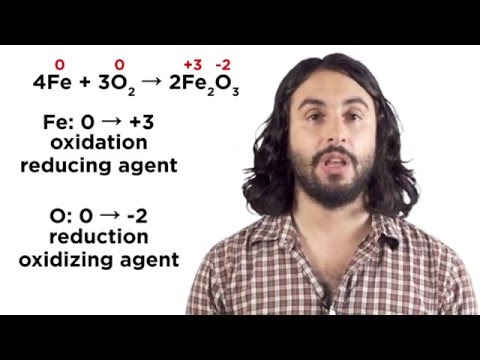
Ken Lee posted on 2026/08/25Ever wondered what's really going on in a redox reaction? Professor Dave breaks down electron transfer, oxidation, and reduction in a super clear way, even explaining how to use oxidation numbers to track it all! You'll pick up key terms like 'oxidizing agent' and 'reducing agent' that are essential for understanding chemistry.
Learn this video on the APP!
The VoiceTube App has more in-depth practice for videos!