
as soon as
US /æz sun æz/
UK /æz su:n æz/
- Phrase
- In a short time after (something happens)
- Without any delay; immediately
- Conjunction
- At the moment that, or immediately after.
A1Moreby accident
US /baɪ ˈæksɪdənt/
UK /bai ˈæksidənt/
- Phrase
- Without intending to; unintentionally.
by nature
US /baɪ ˈnetʃɚ/
UK /bai ˈneitʃə/
- Adverb
- Inherently; by one's character or disposition.
- Phrase
- Inherently; by one's natural disposition or character.
- According to its essential characteristics; intrinsically.
A2Morecareful
US /ˈkerfl/
UK /ˈkeəfl/
- Adjective
- Trying not to make mistakes; working slowly
- Cautious and attentive to potential dangers or problems.
A2Morecome back
US /kʌm bæk/
UK /kʌm bæk/
- Phrasal Verb
- To reply to someone, often forcefully
- To be remembered
A1Morecome before
US /kʌm bɪˈfɔr/
UK /kʌm biˈfɔ:/
- Phrasal Verb
- To happen or exist earlier in time than something else.
- To be considered more important than something else.
A1Morecorrect
US /kəˈrɛkt/
UK /kə'rekt/
- Adjective
- Being suitable and appropriate for an occasion
- True or accurate
- Transitive Verb
- To fix a problem
- To write marks on a piece of work to show mistakes
A2Morediscomfort
US /dɪsˈkʌmfərt/
UK /dɪsˈkʌmfət/
- Transitive Verb
- To cause to feel uncomfortable or not at ease
- Uncountable Noun
- Feelings of being uncomfortable or uneasy
B2Morefeel for
US /fil fɔr/
UK /fi:l fɔ:/
- Phrasal Verb
- To have sympathy for someone; to empathize with someone's situation.
- To try to find something by touching it.
A1Morefigure out
US /ˈfɪɡjɚ aʊt/
UK /ˈfiɡə aut/
- Phrasal Verb
- To understand the behavior of someone
- To think through logically to find a solution
- Verb (Transitive/Intransitive)
- To understand or find an answer to something.
- To find a solution to a problem or understand something.
A1Morefor certain
US /fɔr ˈsɚtn/
UK /fɔ: ˈsə:tn/
- Idiom
- Definitely; without a doubt.
- Phrase
- Without any doubt; definitely.
for example
US
UK
- Phrase
- As an illustration or instance.
for the best
US
UK
- Phrase
- Resulting in the most positive or beneficial outcome, even if it's difficult or painful in the short term.
- Hoping for a positive outcome.
A1Moreget back to
US /ɡɛt bæk tu/
UK /ɡet bæk tu:/
- Phrasal Verb
- To get in contact with someone again
- To return to someone or something; to respond at a later time.
A1Moregoing on
US /ˈɡoɪŋ ɑn/
UK /ˈgəʊɪŋ ɔn/
- Phrasal Verb
- To continue doing something
- To happen (usually negative)
A1Morehave to
US /hæv tu/
UK /ˈhæv tə/
- Auxiliary Verb
- Must do
A1Morein jail
US /ɪn dʒel/
UK /in dʒeil/
- Phrase
- Imprisoned; confined in a jail or prison.
B1Morein mind
US /ɪn maɪnd/
UK /in maind/
- Phrase
- Being aware of or considering something.
- To remember or consider something.
A2Morein the middle of
US
UK
- Phrase
- In the central part or point of something.
- Engaged or occupied with something.
A2Morein writing
US
UK
- Phrase
- Expressed or presented in written form, rather than spoken.
- Officially recorded in a written document, especially for legal purposes.
A1Moreinsecure
US /ˌɪnsɪˈkjʊr/
UK /ˌɪnsɪ'kjʊə(r)/
- Adjective
- Lacking confidence or certainty about yourself
- Not being safe or stable
B1Moreinside of
US /ɪnˈsaɪd ʌv/
UK /inˈsaid ɔv/
- Preposition
- Within; in the inner part of.
- Within a certain period of time.
A1Morelike anything
US /laɪk ˈɛniθɪŋ/
UK /laɪk ˈeniθɪŋ/
- other
- Used to emphasize strong intensity or effort.
B2Morelook at
US /lʊk æt/
UK /luk æt/
- Phrasal Verb
- To use your eyes to focus on something
- To focus your eyes on something carefully
A1Morelook for
US /lʊk fɔr/
UK /luk fɔ:/
- Phrasal Verb
- To try to find a thing or person that is lost
- To expect or anticipate something.
A1Moremove into
US /muv ˈɪntu/
UK /mu:v ˈɪntuː/
- Phrasal Verb
- To start living in a new house or building
- To start being involved in a new area of business or activity.
not limited to
US /nɑt ˈlɪmɪtɪd tu/
UK /nɔt ˈlimitid tu:/
- Phrase
- Including something but also allowing other things; not restricted to.
A1Moreon the other hand
US
UK
- Phrase
- Considering a different aspect of the matter; alternatively.
A1Moresound right
US
UK
- Intransitive Verb
- To seem correct or accurate.
take out
US /tek aʊt/
UK /teik aut/
- Phrasal Verb
- To apply for and get a license
- To take someone on a date
- Uncountable Noun
- Food purchased at a restaurant to eat elsewhere.
A1Moretalking about
US
UK
- Phrasal Verb
- To discuss a particular topic.
- To be constantly mentioning or bringing up a subject.
A1Morethink of
US /θɪŋk ʌv/
UK /θiŋk ɔv/
- Phrasal Verb
- To look on as (being something specific); consider
- To consider or remember something.
- Verb (Transitive/Intransitive)
- To imagine or call something to mind
A1Moreuncomfortable
US /ʌnˈkʌmfətəbəl, -ˈkʌmftə-/
UK /ʌnˈkʌmftəbl/
- Adjective
- Not being relaxed; worried about something
- Causing or feeling slight pain or physical unease.
B1More
Vocabulary
- for example: As an illustration or instance.
- have to: Must do
- look at: To use your eyes to focus on something
- in writing: Expressed or presented in written form, rather than spoken.
- talking about: To discuss a particular topic.
- by accident: Without intending to; unintentionally.
- going on: To continue doing something
- come back: To reply to someone, often forcefully
- come before: To happen or exist earlier in time than something else.
- for certain: Definitely; without a doubt.
- look for: To try to find a thing or person that is lost
- by nature: Inherently; by one's character or disposition.
- on the other hand : Considering a different aspect of the matter; alternatively.
- in jail: Imprisoned; confined in a jail or prison.
- in mind: Being aware of or considering something.
- inside of: Within; in the inner part of.
- move into: To start living in a new house or building
- not limited to: Including something but also allowing other things; not restricted to.
- take out: To apply for and get a license
- sound right: To seem correct or accurate.
- figure out: To understand the behavior of someone
- feel for: To have sympathy for someone; to empathize with someone's situation.
- like anything: Used to emphasize strong intensity or effort.
- think of: To look on as (being something specific); consider
- in the middle of: In the central part or point of something.
- for the best: Resulting in the most positive or beneficial outcome, even if it's difficult or painful in the short term.
- as soon as: In a short time after (something happens)
- get back to: To get in contact with someone again
- be: Being
- situation: Place, position or area that something is in
- feel: To be aware of or experience an emotion, sensation
- word: Unit of language that has a meaning
- insecure: Lacking confidence or certainty about yourself
- lot: What happens to a person in life from chance; fate
- verb: Word that expresses an action or state
- correct: Being suitable and appropriate for an occasion
- adjective: A word that describes a noun, e.g. happy
- noun: The subject or object of a sentence
- dictionary: Book with the spellings and meanings of many words
- accident: Sudden unplanned event causing damage, injury etc.
- uncomfortable: Not being relaxed; worried about something
- discomfort: To cause to feel uncomfortable or not at ease
- careful: Trying not to make mistakes; working slowly
Get the full experience in the app
Learn anywhere with detailed sentence and usage analysis
01:03
She took a brave step forward, leaving behind her comfort zone to chase her dreams.
Vocabulary
- brave
adj. Having courage
- comfort zone
phr. A familiar situation where one feels safe
Explanation
a brave step is a noun phrase, where brave is an adjective modifying the noun step, meaning "a courageous step".
forward is an adverb modifying step, meaning "ahead".
The whole phrase serves as the object, answering the "what" of took (verb) — she took a brave step forward.
Get the full experience in the app
Look up words anytime with pronunciation, part of speech, and usage
brave
US/brev/
UK/breɪv/
adj.Brave
v.t.To bravely face
A2 Elementary
Get the full experience in the app
Practice speaking anytime and get instant pronunciation feedback
Try this speaking exercise.
Try practicing with this sentence.
80
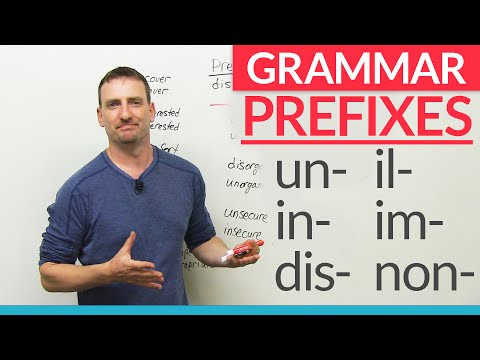
English Grammar: Negative Prefixes - "un", "dis", "in", "im", "non"
0
Chris posted on 2015/02/18Ever get confused between 'un-' and 'dis-'? This video breaks down how to use negative prefixes like "un", "dis", "in", and "im" correctly to avoid common mistakes. You'll pick up essential vocabulary and boost your writing skills with this super clear grammar lesson!
Learn this video on the APP!
The VoiceTube App has more in-depth practice for videos!