
access
US /ˈæksɛs/
UK /'ækses/
- Noun (Countable/Uncountable)
- Way to enter a place, e.g. a station or stadium
- The opportunity or right to use something or to see someone.
- Transitive Verb
- To be able to use or have permission to use
A2TOEICMoreallow for
US
UK
- Verb (Transitive/Intransitive)
- To take into consideration
A1Morealong with
US /əˈlɔŋ wɪð/
UK /əˈlɔŋ wið/
- Preposition
- In addition to; together with.
- Adverb
- In company or together with someone or something.
- Including; in addition to.
A2Morearchitecture
US /ˈɑrkɪˌtɛktʃɚ/
UK /ˈɑ:kɪtektʃə(r)/
- Uncountable Noun
- Design and construction of buildings
- The style or design of a building or buildings.
A2Moreas long as
US /æz lɔŋ æz/
UK /æz lɔŋ æz/
- Conjunction
- For the period that; provided that.
- For the length of time that
- Preposition
- On the condition that; providing that.
- Having the same length as.
A1Moreas opposed to
US
UK
- Preposition
- In contrast to; rather than.
- Instead of; in place of.
A1Moreassign
US /əˈsaɪn/
UK /ə'saɪn/
- Transitive Verb
- To give someone a particular job to do
- To give someone credit or blame for something
B2TOEICMoreat some point
US /æt sʌm pɔɪnt/
UK /æt sʌm pɔint/
- Phrase
- At an unspecified time, usually in the future.
A1Morebased on
US
UK
- Phrasal Verb
- To use something as the foundation or starting point for something else.
- Preposition
- Using something as the main idea or foundation.
- Relying on something as evidence or justification.
A1Moreby definition
US /baɪ ˌdɛfəˈnɪʃən/
UK /bai ˌdefiˈniʃən/
- Phrase
- Inherently; as an essential quality or characteristic.
B2Moreby design
US
UK
- Phrase
- Intentionally; deliberately.
A2Morecapacity
US /kəˈpæsɪti/
UK /kə'pæsətɪ/
- Noun (Countable/Uncountable)
- Ability to hold, involve or contain (e.g. liquids)
- Largest amount of something that can be produced
B1Morecomplexity
US /kəmˈplɛksɪti/
UK /kəm'pleksətɪ/
- Uncountable Noun
- State of having many parts and not being simple
- A factor or element that makes something complicated.
B1Morecomprehend
US /ˌkɑmprɪˈhɛnd/
UK /ˌkɒmprɪ'hend/
- Transitive Verb
- To understand the meaning of
- To include or contain something
B1Moreconcept
US /ˈkɑnˌsɛpt/
UK /'kɒnsept/
- Noun (Countable/Uncountable)
- Abstract idea of something or how it works
- A plan or intention; a conception.
A2TOEICMoreconfigure
US /kənˈfɪgjər/
UK /kənˈfɪgə(r)/
- Transitive Verb
- To construct or arrange in a certain way
B2Moreconsortium
US /kənˈsɔrtiəm,-ʃiəm/
UK /kənˈsɔ:tiəm/
- Noun (Countable/Uncountable)
- Group formed with the purpose to work together
- An association of companies or organizations for a specific purpose.
B2Moreconvert
US /kənˈvɚt/
UK /kən'vɜ:t/
- Verb (Transitive/Intransitive)
- To switch from a religion, belief etc. to another
- To change form, character, or function to another
- Countable Noun
- Person switching from one belief system to another
A2Moredatum
US /ˈdetəm, ˈdætəm, ˈdɑtəm/
UK /ˈdeɪtəm/
- Noun
- Item of factual information
B1Moredeal with
US /dil wɪð/
UK /di:l wið/
- Verb (Transitive/Intransitive)
- To buy or sell goods or services.
- Phrasal Verb
- To take action to solve a problem or manage a situation.
- To be about; concern.
A1Moredefine
US /dɪˈfaɪn/
UK /dɪ'faɪn/
- Transitive Verb
- To explain the meaning of words
- To set or mark the limits of something
A2TOEICMoredestination
US /ˌdɛstəˈneʃən/
UK /ˌdestɪˈneɪʃn/
- Noun
- The place you are traveling to
- A place regarded as worth visiting or traveling to.
B1TOEICMoredetermine
US /dɪˈtɚmɪn/
UK /dɪ'tɜ:mɪn/
- Transitive Verb
- To control exactly how something will be or act
- To establish the facts about; discover
A2TOEICMoredevice
US /dɪˈvaɪs/
UK /dɪˈvaɪs/
- Noun (Countable/Uncountable)
- Object, machine, or equipment for a specific use
- Method of doing something; a way
A2TOEICMoredo in
US
UK
- Phrasal Verb
- To make completely tired out and exhausted
- To destroy or cause damage to someone
A1Moredomain
US /doʊˈmeɪn/
UK /dəˈmeɪn/
- Noun (Countable/Uncountable)
- A field of knowledge, thought or influence
- Area that a ruler or government controls
B1Moredownstream
US /ˈdaʊnˌstrim/
UK /ˌdaʊn'stri:m/
- Adverb
- In the direction of a stream's current
C1Moredynamic
US /daiˈnæmik/
UK /daɪˈnæmɪk/
- Adjective
- Always active or energetic; getting things done
B1TOEICMoreedge
US /ɛdʒ/
UK /edʒ/
- Noun (Countable/Uncountable)
- An advantage you have over others
- Cutting side of a sharp object
- Transitive Verb
- To cut something to make the blade sharp
- To go around the boundary of something
A2TOEICMoreexpansion
US /ɪkˈspænʃən/
UK /ɪkˈspænʃn/
- Noun (Countable/Uncountable)
- Making or becoming larger
- The process of increasing in size, number, or scope, especially in a business context.
B2TOEICMoreexplicitly
US /ɪk'splɪsɪtlɪ/
UK /ɪk'splɪsɪtlɪ/
- Adverb
- Clearly; specifically
- Directly and unambiguously expressed or stated.
B1Morefabric
US /ˈfæbrɪk/
UK /ˈfæbrɪk/
- Noun (Countable/Uncountable)
- Cloth or material
- Basic structure
B1TOEICMoreformat
US /ˈfɔ:rmæt/
UK /ˈfɔ:mæt/
- Noun
- Form, design, or arrangement of something
- Transitive Verb
- To set the appearance of a text in a certain way
- To set a computer back to its original state
B1TOEICMorego after
US /ɡo ˈæftɚ/
UK /ɡəu ˈɑ:ftə/
- Phrasal Verb
- To chase or pursue something
A1Morego out
US /ɡo aʊt/
UK /ɡəu aut/
- Phrase
- To leave a building (e.g. a house)
- Phrasal Verb
- (Of a fire) to burn out; be extinguished
- Go out of fashion to stop being fashionable
A1Moregoing on
US /ˈɡoɪŋ ɑn/
UK /ˈgəʊɪŋ ɔn/
- Phrasal Verb
- To continue doing something
- To happen (usually negative)
A1Moregot to
US /ɡɑt tu/
UK /gɔt tu:/
- Verb (Transitive/Intransitive)
- To arrive at some place
- To have the opportunity or permission to do something
- Phrasal Verb
- To appeal to the emotions of; move
- To finally begin to start something after a delay
A1Morehave to
US /hæv tu/
UK /ˈhæv tə/
- Auxiliary Verb
- Must do
A1Morein control
US /ɪn kənˈtrol/
UK /in kənˈtrəul/
- Adjective
- Having the power to direct or regulate something; able to manage or direct a situation or person.
- Possessing self-restraint and the ability to manage one's own behavior and emotions.
- Phrase
- Having command or authority; managing effectively.
C1Morein terms of
US
UK
- Phrase
- With regard to; concerning a particular aspect.
A1Morein the past
US
UK
- Phrase
- During a former period of time; previously.
A1Moreinstead of
US /ɪnˈstɛd ʌv/
UK /inˈsted ɔv/
- Preposition
- When one thing is replaced by another
- Adverb
- As a substitute or alternative.
A1Moreintermediate
US /ˌɪntɚˈmidiɪt/
UK /ˌɪntəˈmi:diət/
- Adjective
- Between; in the middle; moderate
- Having some knowledge but not advanced
- Noun (Countable/Uncountable)
- Person with some knowledge but not advanced
- Something that comes between two things in time, place, character, etc.
B1Morekernel
US /ˈkɜ:rnl/
UK /ˈkɜ:nl/
- Noun (Countable/Uncountable)
- Central small part or aspect, e.g. of truth
- The central part of an operating system that manages the system's resources.
C1Morelook at
US /lʊk æt/
UK /luk æt/
- Phrasal Verb
- To use your eyes to focus on something
- To focus your eyes on something carefully
A1Moremention
US /ˈmɛnʃən/
UK /'menʃn/
- Transitive Verb
- To refer to or talk or write about something
- Uncountable Noun
- Act of referring to or talking about something
- A formal acknowledgement of something
A2TOEICMoremultiple
US /ˈmʌltəpəl/
UK /ˈmʌltɪpl/
- Adjective
- Having or involving more than one of something
- Having or involving several parts, elements, or members.
- Countable Noun
- Number produced by multiplying a smaller number
- A number of identical circuit elements connected in parallel or series.
B1Morenode
US //noʊd//
UK
- Noun
- A junction point in a network or stem
- Raised area caused by a mass of cells in the body
B1Morepartition
US /pɑrˈtɪʃən/
UK /pɑ:'tɪʃn/
- Noun
- A wall, screen, etc. used to separate areas
- Transitive Verb
- To separate areas by adding borders, walls etc.
B2Moreperspective
US /pɚˈspɛktɪv/
UK /pə'spektɪv/
- Noun (Countable/Uncountable)
- Artistic method of creating a sense of distance
- Ability to understand what is important in life
B1TOEICMorephysical
US /ˈfɪzɪkəl/
UK /ˈfɪzɪkl/
- Countable Noun
- Health check at the doctors' or hospital
- Adjective
- Concerning the body of a person
- Concerning things that can be seen or touched
A2Moreport
US /pɔrt, port/
UK /pɔ:t/
- Noun (Countable/Uncountable)
- City where ships can shelter during a storm
- Left side of a ship when facing forward
- Transitive Verb
- To move data from one computer system to another
B1Morepower up
US /ˈpaʊɚ ʌp/
UK /ˈpauə ʌp/
- Phrasal Verb
- To turn on a device or system; to activate.
- To increase in strength, energy, or ability.
A1Moreregion
US /ˈridʒən/
UK /'ri:dʒən/
- Noun (Countable/Uncountable)
- Part of a country, of the world, area, etc.
- A part of the body
A2TOEICMorerely on
US /rɪˈlaɪ ɑn/
UK /riˈlai ɔn/
- Phrasal Verb
- To depend on someone or something
A2Moreroute
US /rut, raʊt/
UK /ru:t/
- Noun (Countable/Uncountable)
- Way to get from one place to another place; path
- Path or way that people often use
- Transitive Verb
- To send along a particular path or way
A2TOEICMorescale
US /skel/
UK /skeɪl/
- Noun (Countable/Uncountable)
- Size, level, or amount when compared
- Small hard plates that cover the body of fish
- Verb (Transitive/Intransitive)
- To change the size of but keep the proportions
- To climb something large (e.g. a mountain)
A2TOEICMorescale up
US //skeɪl ʌp//
UK
- Phrasal Verb
- To increase in size, number, or extent.
A1Moreset out
US /sɛt aʊt/
UK /set aut/
- Phrasal Verb
- To arrange something in an orderly fashion
- To give in detail in writing
A1Morespread out
US /sprɛd aʊt/
UK /spred aut/
- Phrasal Verb
- To extend or stretch over a large area.
- To arrange things so that they cover a large area.
B2Morestandard
US /ˈstændəd/
UK /'stændəd/
- Noun
- Official unit of measuring something
- Principle of behaving in a moral way
- Adjective
- Being the accepted normal level of quality
- (Of a language) being the most accepted in a place
A2TOEICMorestart off
US /stɑrt ɔf/
UK /stɑ:t ɔf/
- Phrasal Verb
- To begin or commence something.
- To begin a journey.
B2Moreswitch
US /swɪtʃ/
UK /swɪtʃ/
- Noun
- A change or shift from one method to another
- Thing you move to turn electrical items on or off
- Transitive Verb
- To exchange or replace something for another thing
A2TOEICMoretalking about
US
UK
- Phrasal Verb
- To discuss a particular topic.
- To be constantly mentioning or bringing up a subject.
A1Morethink of
US /θɪŋk ʌv/
UK /θiŋk ɔv/
- Phrasal Verb
- To look on as (being something specific); consider
- To consider or remember something.
- Verb (Transitive/Intransitive)
- To imagine or call something to mind
A1Moretighten up
US /ˈtaɪtn: ʌp/
UK /ˈtaɪtn ʌp/
- Phrasal Verb
- To make stricter or more secure.
- To make something physically firmer or tighter.
A1Moreto do with
US
UK
- Phrasal Verb
- To be about something; concern
A1Moreto scale
US
UK
- Phrase
- In proportion; maintaining accurate relative dimensions.
- Verb (Transitive/Intransitive)
- To increase or expand proportionally.
- To climb or ascend.
B2Moretouch on
US
UK
- Phrasal Verb
- To briefly discuss
A1Moretrade off
US /treid ɔf/
UK /treid ɔf/
- Noun (Countable/Uncountable)
- Exchange that occurs as a compromise
- Verb (Transitive/Intransitive)
- To accept that you cannot have everything you want and give up something that is less important so that you can have what is more important.
- To balance two opposing situations or qualities; to compromise.
C2Moretransaction
US /trænˈsækʃən, -ˈzæk-/
UK /trænˈzækʃn/
- Noun (Countable/Uncountable)
- An exchange in business usually involving money
- A financial exchange or transfer of funds.
B2TOEICMoreused to
US /juzd tu/
UK /ˈju:st tə/
- Adjective
- Did regularly before, but don't do now
- Auxiliary Verb
- Have done before, but do not do now
A1Morevector
US /ˈvɛktɚ/
UK /'vektə(r)/
- Noun
- Math a quantity that has both size and direction
B2Morework to do
US
UK
- Phrase
- Tasks or activities that need to be accomplished.
- Obligations or responsibilities that require effort and attention.
A1More
Vocabulary
- based on: To use something as the foundation or starting point for something else.
- in terms of
- allow for: To take into consideration
- to scale: In proportion; maintaining accurate relative dimensions.
- have to: Must do
- look at: To use your eyes to focus on something
- got to: To arrive at some place
- start off: To begin or commence something.
- set out: To arrange something in an orderly fashion
- go after: To chase or pursue something
- in the past: During a former period of time; previously.
- tighten up: To make stricter or more secure.
- trade off: Exchange that occurs as a compromise
- scale up: To increase in size, number, or extent.
- along with: In addition to; together with.
- spread out: To extend or stretch over a large area.
- instead of: When one thing is replaced by another
- at some point: At an unspecified time, usually in the future.
- do in: To make completely tired out and exhausted
- talking about: To discuss a particular topic.
- touch on: To briefly discuss
- by design: Intentionally; deliberately.
- as opposed to: In contrast to; rather than.
- deal with
- as long as: For the period that; provided that.
- think of: To look on as (being something specific); consider
- used to: Did regularly before, but don't do now
- in control: Having the power to direct or regulate something; able to manage or direct a situation or person.
- rely on: To depend on someone or something
- go out: To leave a building (e.g. a house)
- power up: To turn on a device or system; to activate.
- by definition: Inherently; as an essential quality or characteristic.
- to do with: To be about something; concern
- work to do: Tasks or activities that need to be accomplished.
- going on: To continue doing something
- perspective: Artistic method of creating a sense of distance
- access: Way to enter a place, e.g. a station or stadium
- multiple: Having or involving more than one of something
- physical: Health check at the doctors' or hospital
- concept: Abstract idea of something or how it works
- scale: Size, level, or amount when compared
- determine: To control exactly how something will be or act
- capacity: Ability to hold, involve or contain (e.g. liquids)
- destination: The place you are traveling to
- dynamic: Always active or energetic; getting things done
- bit: Device put in a horse's mouth to control it
- mention: To refer to or talk or write about something
- address: Exact street location of a place
- edge: An advantage you have over others
- fabric: Cloth or material
- region: Part of a country, of the world, area, etc.
- define: To explain the meaning of words
- architecture: Design and construction of buildings
- pretty: Being attractive to the eye in a simple way
- introduce: To open an essay to set the scene
- switch: A change or shift from one method to another
- standard: Official unit of measuring something
- device: Object, machine, or equipment for a specific use
- route: Way to get from one place to another place; path
- convert: To switch from a religion, belief etc. to another
- explicitly: Clearly; specifically
- fall: Season after summer and before winter; Autumn
- intermediate: Between; in the middle; moderate
- lot: What happens to a person in life from chance; fate
- important: Having power or authority
- single: One run in cricket or a hit baseball
- kind: In a caring and helpful manner
- assign: To give someone a particular job to do
- domain: A field of knowledge, thought or influence
- manage: To survive hardships and difficulties; to cope
- control: A device designed to operate a machine
- system: Set of organized, planned ideas that work together
- complexity: State of having many parts and not being simple
- allow: To admit the validity or truth of something
- transaction: An exchange in business usually involving money
- format: Form, design, or arrangement of something
- support: To give assistance or advice to someone
- comprehend: To understand the meaning of
- point: An item to be discussed
- expansion: Making or becoming larger
- datum: Item of factual information
- port: City where ships can shelter during a storm
- kernel: Central small part or aspect, e.g. of truth
- consortium: Group formed with the purpose to work together
- partition: A wall, screen, etc. used to separate areas
- node: A junction point in a network or stem
- configure: To construct or arrange in a certain way
- vector: Math a quantity that has both size and direction
- downstream: In the direction of a stream's current
Get the full experience in the app
Learn anywhere with detailed sentence and usage analysis
01:03
She took a brave step forward, leaving behind her comfort zone to chase her dreams.
Vocabulary
- brave
adj. Having courage
- comfort zone
phr. A familiar situation where one feels safe
Explanation
a brave step is a noun phrase, where brave is an adjective modifying the noun step, meaning "a courageous step".
forward is an adverb modifying step, meaning "ahead".
The whole phrase serves as the object, answering the "what" of took (verb) — she took a brave step forward.
Get the full experience in the app
Look up words anytime with pronunciation, part of speech, and usage
brave
US/brev/
UK/breɪv/
adj.Brave
v.t.To bravely face
A2 Elementary
Get the full experience in the app
Practice speaking anytime and get instant pronunciation feedback
Try this speaking exercise.
Try practicing with this sentence.
80
0
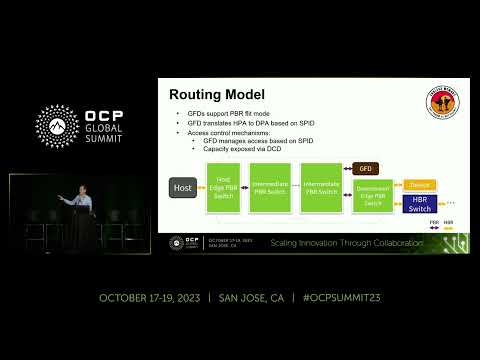
佛斯特 posted on 2026/08/19Ever wondered how CXL fabrics are designed to handle massive data centers and scale-out systems? This video dives into the core concepts, explaining how memory disaggregation and composable systems are becoming the future, and you'll pick up key terms like 'host edge' and 'port-based routing' along the way!
Learn this video on the APP!
The VoiceTube App has more in-depth practice for videos!