
anniversary
US /ˌænəˈvɚsəri/
UK /ˌænɪ'vɜ:sərɪ/
- Noun
- Date occuring every year of a past event, wedding
B1TOEICMoreas one
US
UK
- Adverb
- Acting or moving together at the same time.
- In complete agreement or unity.
- Phrase
- With a single voice or opinion; unanimously.
- In perfect harmony or unison.
A1Moreas well as
US /æz wɛl æz/
UK /æz wel æz/
- Adverb
- Also; in addition to
- Preposition
- In addition to; and also.
A1Moreassembly
US /əˈsɛmbli/
UK /ə'semblɪ/
- Noun (Countable/Uncountable)
- Process of putting the parts of something together
- Group of people gathered for a purpose
B1TOEICMoreat present
US /æt ˈprɛznt/
UK /æt ˈprezənt/
- Phrase
- Currently; now
A1Morebackfire
US /ˈbækˌfaɪr/
UK /ˌbækˈfaɪə(r)/
- Intransitive Verb
- (Vehicle) to explode fuel in the muffler
- (Plans) to go wrong and have unexpected results
C1Moreban
US /bæn/
UK /bæn/
- Transitive Verb
- To make something illegal or not allowed
- To prohibit someone from participating in a particular online community or game.
- Noun (Countable/Uncountable)
- Official action preventing something happening
- A prohibition from participating in a particular online community or game.
B1Moreblur
US /blɚ/
UK /blɜ:(r)/
- Transitive Verb
- To make something unclear or out of focus
- To dull the distinction between things
B2Morecommunity
US /kəˈmjunɪti/
UK /kə'mju:nətɪ/
- Noun (Countable/Uncountable)
- Group of people who share a common idea or area
- A feeling of fellowship with others, as a result of sharing common attitudes, interests, and goals.
- Adjective
- Relating to or shared by the people in a particular area.
- Shared or participated in by all members of a group
A2Moreconflict
US /ˈkɑnˌflɪkt/
UK /'kɒnflɪkt/
- Noun (Countable/Uncountable)
- Argument or struggle between two or more parties
- A serious disagreement or argument.
- Verb (Transitive/Intransitive)
- To have opposite ideas; to disagree; To not match
A2Moreconsequence
US /ˈkɑnsɪˌkwɛns,-kwəns/
UK /ˈkɔnsikwəns/
- Noun (Countable/Uncountable)
- Importance of a person or thing
- Outcome of an event; result
A2Moredeny
US /dɪˈnaɪ/
UK /dɪ'naɪ/
- Transitive Verb
- To refuse to allow or accept something
A2TOEICMoredeport
US /dɪˈpɔrt, -ˈport/
UK /dɪ'pɔ:t/
- Transitive Verb
- To force a person to leave a country
C1Moredeportation
US /ˌdipɔrˈteʃən, -por-/
UK /ˌdi:pɔ:'teɪʃn/
- Noun
- Act of expelling a person from their native land
B2Moredesignate
US /ˈdɛzɪɡˌnet/
UK /'dezɪɡneɪt/
- Transitive Verb
- To officially choose for a position; appoint
- To identify or mark something for a purpose
B1Moredeteriorate
US /dɪˈtɪriəˌret/
UK /dɪ'tɪərɪəreɪt/
- Intransitive Verb
- To become worse in condition or value
B2Morediplomatic
US /ˌdɪpləˈmætɪk/
UK /ˌdɪpləˈmætɪk/
- Adjective
- Concerning formal relationships between countries
- Not being offensive
B1Moredispose
US /dɪˈspoz/
UK /dɪ'spəʊz/
- Transitive Verb
- To get rid of by throwing away
B1TOEICMoreengagement
US /ɛnˈɡedʒmənt/
UK /ɪnˈgeɪdʒmənt/
- Noun (Countable/Uncountable)
- Something you must do at a set time; appointment
- Fight between opposing military forces in a war
A2TOEICMoreestablish
US /ɪˈstæblɪʃ/
UK /ɪˈstæblɪʃ/
- Transitive Verb
- To set or create something to last for a long time
- To use facts, evidence to show truth or clarity
A2TOEICMoreexcept for
US /ɪkˈsɛpt fɔr/
UK /ikˈsept fɔ:/
- Preposition
- Not including; excluding.
expertise
US /ˌekspɜːrˈtiːz/
UK /ˌekspɜ:ˈti:z/
- Uncountable Noun
- The special knowledge that an expert has
- Expert skill or knowledge in a particular field.
B1TOEICMoreextent
US /ɪkˈstɛnt/
UK /ɪkˈstent/
- Noun (Countable/Uncountable)
- Point, level or limit to which something reaches
- Range or space included in something
A2TOEICMoreextraordinary
US /ɪkˈstrɔ:rdəneri/
UK /ɪkˈstrɔ:dnri/
- Adjective
- Beyond what is ordinary; very unusual; remarkable
- Additional to or different from what is usual or regular.
B1TOEICMorefacilitate
US /fəˈsɪlɪˌtet/
UK /fə'sɪlɪteɪt/
- Transitive Verb
- To make an action or process easier
B1TOEICMoreflee
US /fli/
UK /fli:/
- Intransitive Verb
- To leave somewhere urgently, to avoid danger
B1Morefor the most part
US
UK
- Phrase
- Generally; mostly; on the whole.
- Mostly; generally; in most cases.
A1Morefounder
US /ˈfaʊndɚ/
UK /ˈfaʊndə(r)/
- Noun (Countable/Uncountable)
- Person establishing an organization, school etc.
- Intransitive Verb
- (Of business, idea, etc.) to fail
- (Of a ship) To be sinking after hitting rocks
B1TOEICMorefrankly
US /ˈfræŋkli/
UK /ˈfræŋkli/
- Adverb
- Speaking honestly and directly
- Used to express disagreement or mild disapproval.
B2Morehave to
US /hæv tu/
UK /ˈhæv tə/
- Auxiliary Verb
- Must do
A1Morehumanitarian
US /hju:ˌmænɪˈteriən/
UK /hju:ˌmænɪˈteəriən/
- Noun
- Person who tries to help those in a crisis
- Adjective
- Concerned with or seeking to promote human welfare.
B2Morein particular
US /ɪn pɚˈtɪkjəlɚ/
UK /in pəˈtikjulə/
- Phrase
- Specifically; especially.
- Detailed or precise.
A1Morein sight
US /ɪn saɪt/
UK /in sait/
- Phrase
- Visible; able to be seen.
- Near to being achieved; imminent.
in the face of
US //ɪn ðə feɪs ɑv//
UK
- Phrase
- When confronted with something difficult or challenging.
- Despite; in defiance of; when confronted with.
A1Morein the past
US
UK
- Phrase
- During a former period of time; previously.
A1Morein the world
US /ɪn ði wɜrld/
UK /in ðə wɜː(r)ld/
- Phrase
- Used to emphasize a question expressing surprise, confusion, disbelief
- Used to indicate the extent or degree of something, often in a superlative sense
A1Moreleft out
US
UK
- Phrasal Verb
- To forget; omit
- To exclude someone or something; to not include.
A1Moreleverage
US /ˈlɛvərɪdʒ, ˈlivə-/
UK /'li:vərɪdʒ/
- Noun (Countable/Uncountable)
- An advantage which gives you influence or power
- An advantage gained through the use of resources or a strategic position
- Transitive Verb
- To use an advantage which gives you influence
B2TOEICMoremedia outlet
US
UK
- Noun
- A newspaper, magazine, television station, or other source of news and information.
C2Morenumber of people
US /ˈnʌmbɚ ʌv ˈpipəl/
UK /ˈnʌmbə ɔv ˈpi:pl/
- Phrase
- The total count of individuals within a group or gathering.
- A statistical figure representing the population size or a subset thereof.
A1Moreof course
US /ʌv kɔː(r)s/
UK /ɔv kɔː(r)s/
- Adverb
- Sure ; Certainly
- Phrase
- For sure; certainly
A2Moreopposition
US /ˌɑ:pəˈzɪʃn/
UK /ˌɒpəˈzɪʃn/
- Uncountable Noun
- Act of disagreeing or trying to stop something
- Group that you are fighting or competing against
B1Moreoutlet
US /ˈaʊtˌlɛt, -lɪt/
UK /'aʊtlet/
- Noun (Countable/Uncountable)
- Place in a wall to supply electricity to a device
- A pipe, hole or wire through which something flows
B1TOEICMoreoutright
US /ˈaʊtˈraɪt, -ˌraɪt/
UK /ˈaʊtraɪt/
- Adjective
- In a complete manner; totally
- Open and direct; not concealed.
- Adverb
- In a clear and direct manner
B2Morepopulation
US /ˌpɑpjəˈleʃən/
UK /ˌpɒpjuˈleɪʃn/
- Noun (Countable/Uncountable)
- Number of people who live in a country, area etc.
- A group of individuals of one species living in a particular area.
A2TOEICMoreportray
US /pɔ:rˈtreɪ/
UK /pɔ:ˈtreɪ/
- Transitive Verb
- To play a character in theater or on film
- To represent something for artistic purposes
B2Morepower on
US /ˈpaʊɚ ɑn/
UK /ˈpauə ɔn/
- Phrasal Verb
- To activate or switch on a device or machine.
B1Morepracticality
US /ˌpræktɪˈkælətɪ/
UK /ˌpræktɪˈkæləti/
- Uncountable Noun
- State of being useful or realistically possible
C1Morepressure
US /ˈprɛʃɚ/
UK /'preʃə(r)/
- Noun (Countable/Uncountable)
- Anxiety caused by difficult problems
- Force, weight when pressing against a thing
- Transitive Verb
- To apply force to something
- To persuade or force someone to do something
A2TOEICMoreprevent
US /prɪˈvɛnt/
UK /prɪ'vent/
- Transitive Verb
- To stop something from happening or existing
A2TOEICMorepublic life
US /ˈpʌblɪk laɪf/
UK /ˈpʌblik laif/
- Noun
- The aspect of a person's life that concerns their involvement in public affairs, especially as a politician or other figure known to the general public.
- The state of being exposed to general public attention or knowledge.
A1Morerather than
US
UK
- Adverb
- More exactly; more correctly
- Preferably; instead
- Preposition
- Instead of
A1Morerecognize
US /ˈrek.əɡ.naɪz/
UK /ˈrek.əɡ.naɪz/
- Transitive Verb
- To accept the truth or reality of something
- To consider something as important or special
A2TOEICMoreregime
US /reˈʒim, rɪ-/
UK /reɪˈʒi:m/
- Noun
- A system of management; a form of government
B1Moreremain
US /rɪˈmen/
UK /rɪˈmeɪn/
- Intransitive Verb
- To be left behind; to continue to exist
- To stay in a place when other people have gone
A2TOEICMoreremarkable
US /rɪˈmɑrkəbəl/
UK /rɪˈmɑ:kəbl/
- Adjective
- Interesting and unexpected, worthy of notice
- Worthy of attention; striking.
A2TOEICMorerepressive
US /rɪˈprɛsɪv/
UK /rɪˈpresɪv/
- Adjective
- Psych restricting action, thought or movement
B2Moreresist
US /rɪˈzɪst/
UK /rɪ'zɪst/
- Verb (Transitive/Intransitive)
- To not be affected by e.g. a force or an effect
- To fight or prevent something from happening
A2TOEICMorerule in
US
UK
- Phrasal Verb
- To make an official decision in favor of someone in a legal case.
B1Morestand with
US /stænd wɪð/
UK /stænd wið/
- Phrasal Verb
- To support or defend someone or something.
A1Moresurvive
US /sɚˈvaɪv/
UK /sə'vaɪv/
- Intransitive Verb
- To continue to live despite illness or trouble
A2TOEICMoreupheaval
US /ʌpˈhivəl/
UK /ʌpˈhi:vl/
- Uncountable Noun
- Raising of the earth's upper layer
- Sudden or violent upsetting of a system or society
B2Morewithdraw
US /wɪðˈdrɔ, wɪθ-/
UK /wɪð'drɔ:/
- Verb (Transitive/Intransitive)
- To take money out of a bank account
- To pull back; move away or backward from something
B1TOEICMorework around
US
UK
- Phrasal Verb
- To find a way to avoid a problem or obstacle.
A1More
Vocabulary
- have to: Must do
- in sight: Visible; able to be seen.
- except for: Not including; excluding.
- power on: To activate or switch on a device or machine.
- in the face of: When confronted with something difficult or challenging.
- stand with: To support or defend someone or something.
- rule in: To make an official decision in favor of someone in a legal case.
- number of people: The total count of individuals within a group or gathering.
- media outlet: A newspaper, magazine, television station, or other source of news and information.
- of course: Sure ; Certainly
- public life: The aspect of a person's life that concerns their involvement in public affairs, especially as a politician or other figure known to the general public.
- as one: Acting or moving together at the same time.
- as well as: Also; in addition to
- in particular: Specifically; especially.
- in the past: During a former period of time; previously.
- work around: To find a way to avoid a problem or obstacle.
- rather than: More exactly; more correctly
- left out: To forget; omit
- at present: Currently; now
- for the most part: Generally; mostly; on the whole.
- in the world: Used to emphasize a question expressing surprise, confusion, disbelief
- extraordinary: Beyond what is ordinary; very unusual; remarkable
- recognize: To accept the truth or reality of something
- present: Being in attendance; being there; having turned up
- conflict: Argument or struggle between two or more parties
- consequence: Importance of a person or thing
- community: Group of people who share a common idea or area
- extent: Point, level or limit to which something reaches
- frankly: Speaking honestly and directly
- pressure: Anxiety caused by difficult problems
- prevent: To stop something from happening or existing
- deteriorate: To become worse in condition or value
- leverage: An advantage which gives you influence or power
- establish: To set or create something to last for a long time
- resist: To not be affected by e.g. a force or an effect
- remain: To be left behind; to continue to exist
- regime: A system of management; a form of government
- expertise: The special knowledge that an expert has
- remarkable: Interesting and unexpected, worthy of notice
- population: Number of people who live in a country, area etc.
- survive: To continue to live despite illness or trouble
- engagement: Something you must do at a set time; appointment
- deny: To refuse to allow or accept something
- facilitate: To make an action or process easier
- outright: In a complete manner; totally
- flee: To leave somewhere urgently, to avoid danger
- diplomatic: Concerning formal relationships between countries
- leave: To go away from; depart
- portray: To play a character in theater or on film
- withdraw: To take money out of a bank account
- receive: To get something someone has given or sent to you
- important: Having power or authority
- continue: To do something without stopping, or after pausing
- support: To give assistance or advice to someone
- public: Owned by the government
- government: Group of people and system that rule a nation
- humanitarian: Person who tries to help those in a crisis
- ban: To make something illegal or not allowed
- blur: To make something unclear or out of focus
- founder: Person establishing an organization, school etc.
- anniversary: Date occuring every year of a past event, wedding
- worse: Comparative of 'bad'; more bad
- outlet: Place in a wall to supply electricity to a device
- assembly: Process of putting the parts of something together
- great: Very good; better than before
- change: To exchange one set of clothes for another
- find: To become aware of something that is happening
- opposition: Act of disagreeing or trying to stop something
- dispose: To get rid of by throwing away
- part: Division of a book
- world: All the humans, events, activities on the earth
- designate: To officially choose for a position; appoint
- practicality: State of being useful or realistically possible
- upheaval: Raising of the earth's upper layer
- life: All the living things e.g. animals, plants, humans
- backfire: (Vehicle) to explode fuel in the muffler
- deportation: Act of expelling a person from their native land
- deport: To force a person to leave a country
- repressive: Psych restricting action, thought or movement
Get the full experience in the app
Learn anywhere with detailed sentence and usage analysis
01:03
She took a brave step forward, leaving behind her comfort zone to chase her dreams.
Vocabulary
- brave
adj. Having courage
- comfort zone
phr. A familiar situation where one feels safe
Explanation
a brave step is a noun phrase, where brave is an adjective modifying the noun step, meaning "a courageous step".
forward is an adverb modifying step, meaning "ahead".
The whole phrase serves as the object, answering the "what" of took (verb) — she took a brave step forward.
Get the full experience in the app
Look up words anytime with pronunciation, part of speech, and usage
brave
US/brev/
UK/breɪv/
adj.Brave
v.t.To bravely face
A2 Elementary
Get the full experience in the app
Practice speaking anytime and get instant pronunciation feedback
Try this speaking exercise.
Try practicing with this sentence.
80
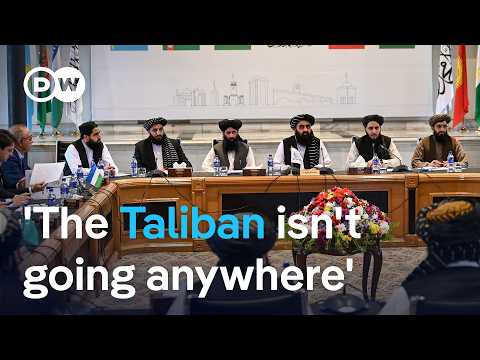
What comes after five years of pressure on Afghanistan's rulers? | DW News
0
林宜悉 posted on 2026/08/16Five years after the Taliban returned to power in Afghanistan, what's the reality on the ground? This DW News report dives into the challenges faced by the Afghan people, particularly women and girls, and explores the complex international response. You'll gain insight into the current situation and pick up key vocabulary for discussing international relations and human rights.
Learn this video on the APP!
The VoiceTube App has more in-depth practice for videos!