
abandon
US /əˈbændən/
UK /ə'bændən/
- Transitive Verb
- To discard or intentionally get rid of an item
- To withdraw your support, or leave someone
- Uncountable Noun
- Wild, carefree behavior
B1Moreaccess
US /ˈæksɛs/
UK /'ækses/
- Noun (Countable/Uncountable)
- Way to enter a place, e.g. a station or stadium
- The opportunity or right to use something or to see someone.
- Transitive Verb
- To be able to use or have permission to use
A2TOEICMoreanterior
US /ænˈtɪriɚ/
UK /ænˈtɪəriə(r)/
- Noun
- Front
C1Moreat least
US /æt list/
UK /æt li:st/
- Adverb
- As a minimum
- Not less than
- Phrase
- No less than; at the minimum
- Used to indicate that something is positive in a bad situation.
C2Morecampfire
US /'kæmpfaɪər/
UK /'kæmpfaɪə(r)/
- Noun
- Small outdoor fire for warmth or cooking
C2Morecasa
US
UK
- Noun
- Spanish a house or dwelling
B2Morecollapse
US /kəˈlæps/
UK /kə'læps/
- Verb (Transitive/Intransitive)
- To fold (e.g. a stroller) down to make it smaller
- To suddenly fall down or break apart into pieces
- Noun
- The sudden failure of a structure or system.
- The sudden failure of a bodily organ or function.
B1Morecomplex
US /kəmˈplɛks, ˈkɑmˌplɛks/
UK /'kɒmpleks/
- Countable Noun
- Group of buildings all used for the same purpose
- Adjective
- Not being simple; having many parts or aspects
A2Morecope
US /koʊp/
UK /kəʊp/
- Verb (Transitive/Intransitive)
- To deal with something in spite of difficulties
A2Moredamage
US /ˈdæmɪdʒ/
UK /ˈdæmɪdʒ/
- Noun (Countable/Uncountable)
- Physical harm that is done to something
- Transitive Verb
- To harm physically; to hurt or break something
- To harm the reputation of someone.
A2TOEICMoredestroy
US /dɪˈstrɔɪ/
UK /dɪ'strɔɪ/
- Transitive Verb
- To damage so badly that something no longer exists
- To defeat someone or something easily
A2TOEICMoredestruction
US /dɪˈstrʌkʃən/
UK /dɪ'strʌkʃn/
- Noun
- Act of destroying; damaging beyond repair
- The state of being destroyed or ruined.
B1TOEICMoreearthquake
US /ˈɜ:rθkweɪk/
UK /ˈɜ:θkweɪk/
- Noun (Countable/Uncountable)
- Heavy shaking of the ground due to natural forces
- A series of vibrations in the earth caused by the abrupt movement of rock far below the surface
B1Moreensure
US /ɛnˈʃʊr/
UK /ɪn'ʃʊə(r)/
- Transitive Verb
- To make something sure, certain, or safe
A2TOEICMoreera
US /'ɪrə/
UK /'ɪərə/
- Noun
- Period characterized by particular events, people
- A major division of geological time, usually divided into periods.
B1Moreessential
US /ɪˈsɛnʃəl/
UK /ɪ'senʃl/
- Adjective
- Extremely or most important and necessary
- Fundamental; basic.
- Noun
- A concentrated hydrophobic liquid containing volatile aroma compounds from plants.
B1TOEICMoregather
US /ˈɡæðɚ/
UK /ˈgæðə(r)/
- Transitive Verb
- To bring objects together into one place
- To collect foods such as wild berries or crops
- Noun
- Fold in cloth, as in a full skirt
A2TOEICMoreget a sense
US
UK
- Verb (Transitive/Intransitive)
- To understand or perceive something intuitively.
A1Morehoy
US /hɔɪ/
UK /hɔɪ/
- Noun
- Flat-bottom boat for carrying heavy loads
B2Moreindicate
US /ˈɪndɪˌket/
UK /ˈɪndɪkeɪt/
- Transitive Verb
- To show something; direct attention to; point out
- To represent something using a symbol or sign
A2TOEICMorelean
US /lin/
UK /li:n/
- Verb (Transitive/Intransitive)
- To balance against or on something for support
- To have a tendency to do something; favor
- Adjective
- Having a low fat content
- Efficient; well-designed with no waste
A2Moremagnitude
US /ˈmæɡnɪˌtud, -ˌtjud/
UK /ˈmægnɪtju:d/
- Noun
- Number representing force of an earthquake
- Size or importance
B2Moremedical
US /ˈmɛdɪkəl/
UK /ˈmedɪkl/
- Adjective
- Of or relating to physical health or medicine
- Noun
- A health check or test
A2Moreneighborhood
US /ˈnebɚˌhʊd/
UK /'neɪbəhʊd/
- Noun (Countable/Uncountable)
- Area of a town or city that people live in
- People who live in a particular area
- Adjective
- Relating to a neighborhood.
B1Moreorganization
US /ˌɔrɡənɪˈzeʃən/
UK /ˌɔ:gənaɪˈzeɪʃn/
- Noun (Countable/Uncountable)
- Group of people with a particular purpose
- The way in which something is structured or arranged.
A2Moreoutright
US /ˈaʊtˈraɪt, -ˌraɪt/
UK /ˈaʊtraɪt/
- Adjective
- In a complete manner; totally
- Open and direct; not concealed.
- Adverb
- In a clear and direct manner
B2Morepara
US /pɑˈrɑ, ˈpɑrɑ/
UK /'pærə/
- Noun
- Shortened form of paragraph
B1Morepriority
US /praɪˈɔrɪti, -ˈɑr-/
UK /praɪ'ɒrətɪ/
- Noun (Countable/Uncountable)
- Thing that is more important/urgent than others
- A level of importance assigned to a task or process in a computer system.
- Adjective
- Denoting something that constitutes a priority.
B1TOEICMorerender
US /ˈrɛndɚ/
UK /ˈrendə(r)/
- Transitive Verb
- To cause to be in a certain state or condition
- To digitally make an image ready for use
- Noun (Countable/Uncountable)
- A first coat of plaster applied to a surface.
B1TOEICMorerescue
US /ˈrɛskju/
UK /'reskju:/
- Transitive Verb
- To save someone who is in danger or in trouble
- To provide financial assistance to save a company or economy from collapse.
- Noun (Countable/Uncountable)
- Act of saving someone in danger or in trouble
- An act of saving someone or something from a dangerous or difficult situation.
A2TOEICMorerow
US /roʊ/
UK /rəʊ/
- Verb (Transitive/Intransitive)
- To move a boat using oars
- To argue or quarrel loudly about something
- Noun (Countable/Uncountable)
- Loud argument or quarrel between people
- Straight line of things, e.g. seats in classroom
A2Morerubble
US /ˈrʌbəl/
UK /ˈrʌbl/
- Uncountable Noun
- Rough, broken stones from destroyed building
B2Moresanitation
US /ˌsænɪˈteʃən/
UK /ˌsænɪˈteɪʃn/
- Uncountable Noun
- Water systems that protect people's health
C1Moresin
US /sɪn/
UK /sɪn/
- Noun
- Act that breaks a religious law
- Intransitive Verb
- To do something that breaks a religious law
B1Morespare
US /spɛr/
UK /speə(r)/
- Transitive Verb
- To make (money or time) available for
- To save from being hurt or punished
- Adjective
- Being extra or in reserve
A2Morespeechless
US /ˈspitʃlɪs/
UK /'spi:tʃləs/
- Adjective
- Temporarily unable to speak, as through shock
B1Moretear
US /tɛr/
UK /teə(r)/
- Noun (Countable/Uncountable)
- Drop of salty water from the eye
- Hole or rip in something after it has been damaged
- Intransitive Verb
- To move very quickly, often with carelessness
A2Moretoll
US /tol/
UK /təʊl/
- Noun (Countable/Uncountable)
- Sound that a big bell makes, when it is rung
- Number of people hurt or killed in a disaster
- Intransitive Verb
- (Bell) to ring in a slow, loud and repeated way
B2TOEICMorevital
US /'vaɪtl/
UK /'vaɪtl/
- Adjective
- Needed to support life; essential
- Full of life; energetic
B1TOEICMore
Vocabulary
- get a sense: To understand or perceive something intuitively.
- at least: As a minimum
- essential: Extremely or most important and necessary
- vital: Needed to support life; essential
- access: Way to enter a place, e.g. a station or stadium
- force: Group of persons trained for military action; army
- sense: Certain mental feeling or emotion
- priority: Thing that is more important/urgent than others
- complex: Group of buildings all used for the same purpose
- spare: To make (money or time) available for
- cope: To deal with something in spite of difficulties
- lean: To balance against or on something for support
- collapse: To fold (e.g. a stroller) down to make it smaller
- toll: Sound that a big bell makes, when it is rung
- indicate: To show something; direct attention to; point out
- compare: To consider how similar and different things are
- render: To cause to be in a certain state or condition
- sanitation: Water systems that protect people's health
- outright: In a complete manner; totally
- abandon: To discard or intentionally get rid of an item
- era: Period characterized by particular events, people
- magnitude: Number representing force of an earthquake
- leave: To go away from; depart
- rescue: To save someone who is in danger or in trouble
- ensure: To make something sure, certain, or safe
- destroy: To damage so badly that something no longer exists
- tear: Drop of salty water from the eye
- destruction: Act of destroying; damaging beyond repair
- anterior: Front
- offer: Price you say you are willing to pay for something
- row: To move a boat using oars
- manage: To survive hardships and difficulties; to cope
- gather: To bring objects together into one place
- organization: Group of people with a particular purpose
- public: Owned by the government
- damage: Physical harm that is done to something
- point: An item to be discussed
- neighborhood: Area of a town or city that people live in
- own: To have something as your property
- great: Very good; better than before
- medical: Of or relating to physical health or medicine
- difference: A thing or issue that people do not agree about
- grow: To get bigger and more mature; make plants do this
- difficult: Hard; not easy; you need to work hard to do it
- sin: Act that breaks a religious law
- world: All the humans, events, activities on the earth
- carry: To have a child, be pregnant
- rubble: Rough, broken stones from destroyed building
- speechless: Temporarily unable to speak, as through shock
- earthquake: Heavy shaking of the ground due to natural forces
- campfire: Small outdoor fire for warmth or cooking
- casa: Spanish a house or dwelling
- para: Shortened form of paragraph
- hoy: Flat-bottom boat for carrying heavy loads
Get the full experience in the app
Learn anywhere with detailed sentence and usage analysis
01:03
She took a brave step forward, leaving behind her comfort zone to chase her dreams.
Vocabulary
- brave
adj. Having courage
- comfort zone
phr. A familiar situation where one feels safe
Explanation
a brave step is a noun phrase, where brave is an adjective modifying the noun step, meaning "a courageous step".
forward is an adverb modifying step, meaning "ahead".
The whole phrase serves as the object, answering the "what" of took (verb) — she took a brave step forward.
Get the full experience in the app
Look up words anytime with pronunciation, part of speech, and usage
brave
US/brev/
UK/breɪv/
adj.Brave
v.t.To bravely face
A2 Elementary
Get the full experience in the app
Practice speaking anytime and get instant pronunciation feedback
Try this speaking exercise.
Try practicing with this sentence.
80
0
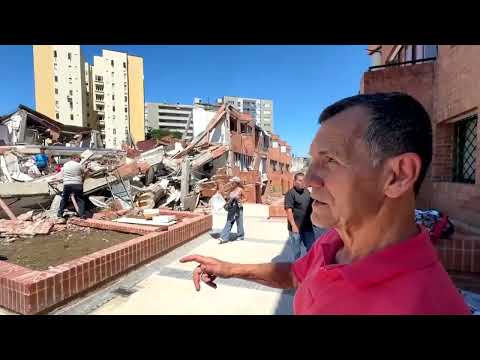
林宜悉 posted on 2026/08/11This powerful video shares the devastating aftermath of an earthquake in Cali, Colombia, through the eyes of a local resident. You'll hear firsthand accounts of the destruction and learn phrases like 'se queda uno sin palabras' (one is left speechless) to describe overwhelming situations. It's a moving look at resilience and a chance to pick up impactful vocabulary for discussing difficult events.
Learn this video on the APP!
The VoiceTube App has more in-depth practice for videos!