
absorb
US /əbˈsɔrb, -ˈzɔrb/
UK /əb'sɔ:b/
- Transitive Verb
- To take up all attention / energy of something
- To take in a liquid; soak up
B1TOEICMoreannoying
US /əˈnɔɪɪŋ/
UK /əˈnɔɪɪŋ/
- Transitive Verb
- To make someone angry
- Adjective
- A little angry; upset
B1TOEICMoreanti
US /ˈæntaɪ, -ti/
UK /'æntɪ/
- Adjective
- A prefix meaning 'against' or 'opposed'
B2Moreas well as
US /æz wɛl æz/
UK /æz wel æz/
- Adverb
- Also; in addition to
- Preposition
- In addition to; and also.
A1Morebacteria
US /bækˈtɪriə/
UK /bæk'tɪərɪə/
- Noun (plural)
- The very small creatures that can cause disease
B2Moreblame
US /blem/
UK /bleɪm/
- Transitive Verb
- To say someone is responsible for something bad
- Noun (Countable/Uncountable)
- Act of saying someone did something bad
A2TOEICMorebode
US /boʊd/
UK /bəʊd/
- Intransitive Verb
- To be an omen for (good or bad events)
C1Morebreed
US /brid/
UK /bri:d/
- Noun
- Kind of / sort of
- Particular kind of animal, e.g. a Labrador dog
- Verb (Transitive/Intransitive)
- To create situations for a (bad) thing to happen
- To produce baby animals of specific kinds
A2Morebuzz
US /bʌz/
UK /bʌz/
- Noun (Countable/Uncountable)
- Low pitched sound similar to the sound bees make
- Intransitive Verb
- To make a low, constant noise like a bee
B1Morecertain to
US
UK
- Adjective
- Sure to happen; inevitable.
climate
US /ˈklaɪmɪt/
UK /ˈklaɪmət/
- Noun (Countable/Uncountable)
- Typical weather conditions in a particular place
- The general attitudes, feelings, or opinions that people have at a particular time.
A2Morecombine
US /kəmˈbaɪn/
UK /kəmˈbaɪn/
- Verb (Transitive/Intransitive)
- To mix several things together to form one thing
- To harvest by means of a combine.
- Noun (Countable/Uncountable)
- A harvesting machine for cutting, threshing, and cleaning grain.
- A mixture of different things.
A2Morecome together
US /kʌm təˈɡɛðɚ/
UK /kʌm təˈɡeðə/
- Phrasal Verb
- To assemble or unite; to start working together.
- To form a close relationship or bond.
A1Morecome up with
US /kʌm ʌp wɪð/
UK /kʌm ʌp wið/
- Phrasal Verb
- To think of an idea or solution; produce
A1Morecontroversial
US /ˌkɑntrəˈvɚʃəl, -siəl/
UK /ˌkɔntrəˈvə:ʃəl/
- Adjective
- Causing a great deal of argument, or conflict
B1Morecreature
US /ˈkritʃɚ/
UK /ˈkri:tʃə(r)/
- Noun (Countable/Uncountable)
- Animal of any type
- An animal, as distinct from a human being.
A2Moredisease
US /dɪˈziz/
UK /dɪˈzi:z/
- Noun (Countable/Uncountable)
- Illness that affects a person, animal, or plant
- A disorder of structure or function in a plant, especially one caused by a pathogen.
- Transitive Verb
- To affect with disease; to corrupt or sicken.
A2TOEICMoredna
US
UK
- Noun (Countable/Uncountable)
- Chemical in living cells with genetic information
B2Moreecosystem
US /ˈɛkoˌsɪstəm, ˈiko-/
UK /ˈi:kəʊsɪstəm/
- Noun (Countable/Uncountable)
- Types of plants and animals in an specific area
- A network of interconnected companies, technologies, and services that interact to create value.
B1Moreeliminate
US /ɪˈlɪməˌnet/
UK /ɪ'lɪmɪneɪt/
- Transitive Verb
- To completely remove; to get rid of
- To remove from a contest by beating them
B1TOEICMoreethical
US /ˈɛθɪkəl/
UK /ˈeθɪkl/
- Adjective
- Morally right; following principles of goodness
B1Moreevolution
US /ˌɛvəˈluʃən, ˌivə-/
UK /ˌi:və'lu:ʃn/
- Uncountable Noun
- Theory that living things change over time
- Process by which something develops over time
B1Moreflush
US /flʌʃ/
UK /flʌʃ/
- Noun
- Feeling that comes suddenly
- Verb (Transitive/Intransitive)
- To redden in the face due to emotion
B1Moregain
US /ɡen/
UK /ɡeɪn/
- Verb (Transitive/Intransitive)
- To increase in something, such as weight
- To get something wanted, needed or valued
- Noun (Countable/Uncountable)
- An increase in something, such as weight
A2TOEICMoregigantic
US /dʒaɪˈɡæntɪk/
UK /dʒaɪ'ɡæntɪk/
- Adjective
- Extremely large
- Of very great size, extent, or degree.
B2Morehandful
US /ˈhændˌfʊl/
UK /'hændfʊl/
- Noun (Countable/Uncountable)
- an amount of something that can be held in one hand; small quantity or amount of people or things
- A thing requiring great effort to control, manage
B1Morehave been around
US /hæv bɪn əˈraʊnd/
UK /hæv bɪn əˈraund/
- Verb (Transitive/Intransitive)
- To have a lot of experience in life.
- To have existed for a period of time.
A2Morehave to
US /hæv tu/
UK /ˈhæv tə/
- Auxiliary Verb
- Must do
A1Morein and of themselves
US /ɪn ənd əv ðəmˈselvz/
UK /ɪn ənd əv ðəmˈselvz/
- other
- By their own nature; independently considered.
C1Morein places
US
UK
- Phrase
- In some locations but not others
A1Morein the world
US /ɪn ði wɜrld/
UK /in ðə wɜː(r)ld/
- Phrase
- Used to emphasize a question expressing surprise, confusion, disbelief
- Used to indicate the extent or degree of something, often in a superlative sense
A1Morein theory
US /ɪn ˈθiəri/
UK /in ˈθiəri/
- Adverb
- According to the stated ideas or principles
- Phrase
- According to the theoretical possibilities rather than actual practice.
B2Moreknock on
US /nɑk ɑn/
UK /nɔk ɔn/
- Phrasal Verb
- To strike a door or window to attract attention.
- Intransitive Verb
- (In rugby) to drop the ball forward.
A1Moremalaria
US /məˈlɛriə/
UK /məˈleəriə/
- Noun
- Disease caused by being bitten by a mosquito
B2Moremess
US /mɛs/
UK /mes/
- Noun (Countable/Uncountable)
- Something that is untidy, dirty or unclean
- A difficult or confused situation.
- Transitive Verb
- To make something untidy or dirty
A2Moreparalysis
US /pəˈrælɪsɪs/
UK /pəˈræləsɪs/
- Noun (plural)
- Inability to move or feel all or part of the body
C1Morepopulation
US /ˌpɑpjəˈleʃən/
UK /ˌpɒpjuˈleɪʃn/
- Noun (Countable/Uncountable)
- Number of people who live in a country, area etc.
- A group of individuals of one species living in a particular area.
A2TOEICMorepoverty
US /ˈpɑvəti/
UK /ˈpɔvəti/
- Uncountable Noun
- State of being poor
- Lack of something necessary
B1Moreprotein
US /ˈprəʊˌtiːn/
UK /ˈprəʊti:n/
- Noun (Countable/Uncountable)
- Group of molecules made from amino acids
B1Morepush the button
US /pʊʃ ði ˈbʌtn/
UK /puʃ ðə ˈbʌtən/
- Transitive Verb
- To press a button in order to make something work.
A1Morerather than
US
UK
- Adverb
- More exactly; more correctly
- Preferably; instead
- Preposition
- Instead of
A1Morereduction
US /rɪˈdʌkʃən/
UK /rɪ'dʌkʃn/
- Noun
- Act of making something smaller
B1Morerelease
US /rɪ'li:s/
UK /rɪ'li:s/
- Transitive Verb
- To free someone from a responsibility or burden
- To allow a film, music etc. to be sold/distributed
- Noun
- Act of freeing someone from a duty or burden
- Introduction of a new product, film, book, etc.
A2TOEICMoresolution
US /səˈluʃən/
UK /səˈlu:ʃn/
- Noun (Countable/Uncountable)
- Mix of a liquid and a solid or a gas
- Way to solve or deal with a problem
A2Moresource
US /sɔrs, sors/
UK /sɔ:s/
- Noun (Countable/Uncountable)
- Piece of information; a person giving information
- Place from which something necessary comes
- Adjective
- Produces or provides what is wanted or needed
A2TOEICMorespread
US /sprɛd/
UK /spred/
- Noun (Countable/Uncountable)
- A big meal, often laid out as a buffet
- The distance between two things
- Verb (Transitive/Intransitive)
- To place over a large area; to cover a large area
- (Of ideas, gossip) to pass to and affect others
A2TOEICMoresterilization
US /ˌstɛrəlɪˈzeʃən/
UK /ˌsterəlaɪ'zeɪʃn/
- Noun
- Act of removing bacteria from something
- Act of making an organism unable to reproduce
B2Morestrict
US /strɪkt/
UK /strɪkt/
- Adjective
- Tending to enforce rules; severe
- (Of orders) that must be obeyed
A2Moretackle
US /ˈtækəl/
UK /'tækl/
- Transitive Verb
- To start working on a difficult problem
- To grab and throw a person to the ground
- Noun (Countable/Uncountable)
- Equipment used in fishing
- Arrangement of ropes and wheels used for lifting
B1TOEICMoretheory
US /ˈθiəri, ˈθɪri/
UK /ˈθiəri/
- Noun (Countable/Uncountable)
- Ideas or principles that explain facts or events
- An idea or belief about something
A2TOEICMoretropical
US /ˈtrɑpɪkəl/
UK /ˈtrɒpɪkl/
- Adjective
- Hot and humid; near to the equator
- Very hot and humid
- Noun
- The tropical region of the earth
B1Moreused to
US /juzd tu/
UK /ˈju:st tə/
- Adjective
- Did regularly before, but don't do now
- Auxiliary Verb
- Have done before, but do not do now
A1Morevector
US /ˈvɛktɚ/
UK /'vektə(r)/
- Noun
- Math a quantity that has both size and direction
B2Morewipe out
US
UK
- Phrasal Verb
- To destroy or be destroyed
- To fall off a surfboard or skis.
A2Morework in
US /wɚk ɪn/
UK /wə:k in/
- Phrasal Verb
- To make an opening for something in your schedule
- To fit person/thing into a schedule or sequence
A1More
Vocabulary
- in the world: Used to emphasize a question expressing surprise, confusion, disbelief
- wipe out: To destroy or be destroyed
- in and of themselves: By their own nature; independently considered.
- have been around: To have a lot of experience in life.
- used to: Did regularly before, but don't do now
- come up with: To think of an idea or solution; produce
- have to: Must do
- work in: To make an opening for something in your schedule
- certain to: Sure to happen; inevitable.
- in theory: According to the stated ideas or principles
- knock on: To strike a door or window to attract attention.
- as well as: Also; in addition to
- in places: In some locations but not others
- come together: To assemble or unite; to start working together.
- rather than: More exactly; more correctly
- push the button: To press a button in order to make something work.
- eliminate: To completely remove; to get rid of
- controversial: Causing a great deal of argument, or conflict
- tackle: To start working on a difficult problem
- poverty: State of being poor
- treat: To pay for the food or enjoyment of someone else
- mess: Something that is untidy, dirty or unclean
- bacteria: The very small creatures that can cause disease
- disease: Illness that affects a person, animal, or plant
- climate: Typical weather conditions in a particular place
- spread: A big meal, often laid out as a buffet
- annoying: To make someone angry
- blame: To say someone is responsible for something bad
- protein: Group of molecules made from amino acids
- strict: Tending to enforce rules; severe
- absorb: To take up all attention / energy of something
- theory: Ideas or principles that explain facts or events
- mean: Average of a set of numbers
- paralysis: Inability to move or feel all or part of the body
- handful: an amount of something that can be held in one hand; small quantity or amount of people or things
- population: Number of people who live in a country, area etc.
- release: To free someone from a responsibility or burden
- gigantic: Extremely large
- evolution: Theory that living things change over time
- create: To make, cause, or bring into existence
- breed: Kind of / sort of
- ecosystem: Types of plants and animals in an specific area
- solution: Mix of a liquid and a solid or a gas
- gain: To increase in something, such as weight
- source: Piece of information; a person giving information
- ethical: Morally right; following principles of goodness
- tropical: Hot and humid; near to the equator
- combine: To mix several things together to form one thing
- creature: Animal of any type
- buzz: Low pitched sound similar to the sound bees make
- reduction: Act of making something smaller
- flush: Feeling that comes suddenly
- malaria: Disease caused by being bitten by a mosquito
- simple: Not hard to understand or do; not complex
- argue: To fight or disagree over something
- change: To exchange one set of clothes for another
- world: All the humans, events, activities on the earth
- widely: To a large degree; over a large range
- carry: To have a child, be pregnant
- problem: Something difficult to deal with or causes trouble
- anti: A prefix meaning 'against' or 'opposed'
- warm: To become more friendly or to like something
- warmth: Quality of kindness, friendliness, or sincerity
- bottle: Container with a narrow neck used to hold liquids
- call: A order or request for action
- bode: To be an omen for (good or bad events)
- die: Cube with dots numbering 1-6 on it used in games
- vector: Math a quantity that has both size and direction
- sterilization: Act of removing bacteria from something
- dna: Chemical in living cells with genetic information
Get the full experience in the app
Learn anywhere with detailed sentence and usage analysis
01:03
She took a brave step forward, leaving behind her comfort zone to chase her dreams.
Vocabulary
- brave
adj. Having courage
- comfort zone
phr. A familiar situation where one feels safe
Explanation
a brave step is a noun phrase, where brave is an adjective modifying the noun step, meaning "a courageous step".
forward is an adverb modifying step, meaning "ahead".
The whole phrase serves as the object, answering the "what" of took (verb) — she took a brave step forward.
Get the full experience in the app
Look up words anytime with pronunciation, part of speech, and usage
brave
US/brev/
UK/breɪv/
adj.Brave
v.t.To bravely face
A2 Elementary
Get the full experience in the app
Practice speaking anytime and get instant pronunciation feedback
Try this speaking exercise.
Try practicing with this sentence.
80
0
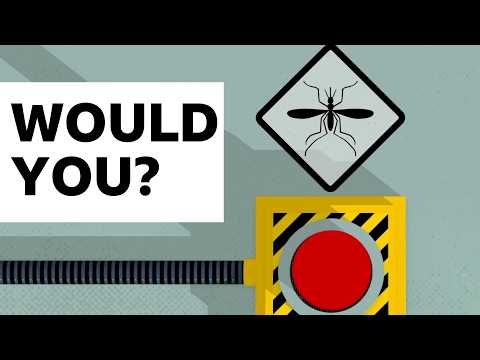
林宜悉 posted on 2026/08/06Ever wondered if we should wipe out all the mosquitoes? This video dives into the surprising impact these tiny creatures have, from spreading deadly diseases to their role in the ecosystem. You'll learn fascinating facts and pick up vocabulary related to biology and environmental science!
Learn this video on the APP!
The VoiceTube App has more in-depth practice for videos!