
affect
US /əˈfɛkt/
UK /ə'fekt/
- Transitive Verb
- To cause a change in something else
- To pretend to have or feel (something).
- Noun
- (Psychology) Emotion or feeling.
A2TOEICMorearrive at
US /əˈraɪv æt/
UK /əˈraiv æt/
- Phrasal Verb
- To reach a place, especially at the end of a journey.
- To reach a conclusion or decision after thinking about something.
A2Moreas a result of
US
UK
- Phrase
- Because of something; owing to.
A1Moreat the same time
US
UK
- Phrase
- Simultaneously; at the identical moment.
- Nevertheless; however; used to introduce a contrasting or qualifying statement.
A1Morebuild up
US /bɪld ʌp/
UK /bild ʌp/
- Phrasal Verb
- To increase the amount; collect something
- To develop or increase something in stages
- Verb (Transitive/Intransitive)
- To increase or develop something gradually.
- To praise or encourage someone.
A1Morecall for
US /kɔl fɔr/
UK /kɔ:l fɔ:/
- Phrasal Verb
- To demand, need or require (an action or thing)
- To come to someone's house to take them somewhere
A1Morecare for
US /kɛr fɔr/
UK /kɛə fɔ:/
- Phrasal Verb
- To want or desire a thing
- To look after someone who is ill, old, or very young.
A1Moreclinical
US /ˈklɪnɪkəl/
UK /ˈklɪnɪkl/
- Adjective
- Concerning the treatment or observing patients
- Using scientific techniques and precision
B1Morecommitment
US /kəˈmɪtmənt/
UK /kə'mɪtmənt/
- Noun
- Permanent love or concern for person, thing
- Promise or decision to do something for a purpose
A2Morecommunity
US /kəˈmjunɪti/
UK /kə'mju:nətɪ/
- Noun (Countable/Uncountable)
- Group of people who share a common idea or area
- A feeling of fellowship with others, as a result of sharing common attitudes, interests, and goals.
- Adjective
- Relating to or shared by the people in a particular area.
- Shared or participated in by all members of a group
A2Morecontact
US /ˈkɑnˌtækt/
UK /'kɒntækt/
- Adjective
- Touching or feeling something
- Noun (Countable/Uncountable)
- Touching or feeling something
- Object that allows electricity to run through it
A2Morecurrent
US /ˈkɚrənt, ˈkʌr-/
UK /'kʌrənt/
- Uncountable Noun
- Electricity flowing through wires
- Movement of water in a river, or air in the sky
- Adjective
- Happening or being in the present time
- In general use or accepted by most people.
A2Moredisease
US /dɪˈziz/
UK /dɪˈzi:z/
- Noun (Countable/Uncountable)
- Illness that affects a person, animal, or plant
- A disorder of structure or function in a plant, especially one caused by a pathogen.
- Transitive Verb
- To affect with disease; to corrupt or sicken.
A2TOEICMoreepidemic
US /ˌɛpɪˈdɛmɪk/
UK /ˌepɪ'demɪk/
- Adjective
- Disease that spreads quickly affecting many
- Noun (Countable/Uncountable)
- Something that spreads suddenly and widely
B2Morefor now
US /fɔr naʊ/
UK /fɔ: nau/
- Phrase
- Temporarily; for the present time.
- In the short term; for the immediate future.
A1Morefor sure
US /fɔr ʃʊr/
UK /fɔ: ʃuə/
- Adverb
- Definitely; certainly; without a doubt.
- Used to emphasize a statement.
- Interjection
- An expression of strong agreement or affirmation.
A2Moregoing on
US /ˈɡoɪŋ ɑn/
UK /ˈgəʊɪŋ ɔn/
- Phrasal Verb
- To continue doing something
- To happen (usually negative)
A1Moregrace
US /ɡres/
UK /ɡreɪs/
- Uncountable Noun
- Dignified polite behavior, as when things go badly
- God's kindness shown to people
- Transitive Verb
- To make a place look more attractive
B1Morehave to
US /hæv tu/
UK /ˈhæv tə/
- Auxiliary Verb
- Must do
A1Morehazard
US /ˈhæzəd/
UK /'hæzəd/
- Noun (Countable/Uncountable)
- Something that is dangerous and causes problems
- Something that is dangerous and likely to cause damage.
- Verb (Transitive/Intransitive)
- To try, with the risk of being wrong or losing
B1TOEICMorehealthcare
US /'helθker/
UK /'helθkeə/
- Uncountable Noun
- Nursing care to prevent illness or recover from it
B1Morehumanitarian
US /hju:ˌmænɪˈteriən/
UK /hju:ˌmænɪˈteəriən/
- Noun
- Person who tries to help those in a crisis
- Adjective
- Concerned with or seeking to promote human welfare.
B2Morein attendance
US
UK
- Phrase
- Present at a particular event or meeting.
A1Morein other words
US
UK
- Phrase
- Stating something in a different way, often to make it clearer or more understandable.
in terms of
US
UK
- Phrase
- With regard to; concerning a particular aspect.
A1Morein the hospital
US /ɪn ðə ˈhɑspɪtəl/
UK /in ðə ˈhɒspɪtəl/
- Preposition
- Located inside a hospital receiving medical care.
A1Morein the past
US
UK
- Phrase
- During a former period of time; previously.
A1Morein the streets
US /ɪn ðə strits/
UK /ɪn ðə stri:ts/
- other
- Located or happening outdoors in public roads or areas.
A2Moreindividual
US /ˌɪndəˈvɪdʒuəl/
UK /ˌɪndɪˈvɪdʒuəl/
- Countable Noun
- Single person, looked at separately from others
- A single thing or item, especially when part of a set or group.
- Adjective
- Made for use by one single person
- Having a distinct manner different from others
A2Moreinfect
US /ɪnˈfɛkt/
UK /ɪn'fekt/
- Transitive Verb
- To introduce a computer virus to
- To give a disease, bacteria or virus to
B1Moreintegrate
US /ˈɪntɪˌɡret/
UK /ˈɪntɪgreɪt/
- Transitive Verb
- To combine together; make into one thing
- To bring (people or groups with particular characteristics or needs) into equal participation in or membership of a social group or institution.
A2Moreinvolve
US /ɪnˈvɑlv/
UK /ɪn'vɒlv/
- Transitive Verb
- To have or be included as a part of something
- To cause (a person or group) to take part in an event or activity.
A2TOEICMoreknow about
US /noʊ əˈbaʊt/
UK /nəʊ əˈbaut/
- Phrasal Verb
- To have information or understanding of a subject or situation.
malaria
US /məˈlɛriə/
UK /məˈleəriə/
- Noun
- Disease caused by being bitten by a mosquito
B2Moremental
US /ˈmɛntl/
UK /ˈmentl/
- Adjective
- Concerning the mind
A2TOEICMoreof course
US /ʌv kɔː(r)s/
UK /ɔv kɔː(r)s/
- Adverb
- Sure ; Certainly
- Phrase
- For sure; certainly
A2Moreon record
US /ɑn rɪˈkɚd/
UK /ɔn riˈkɔ:d/
- Adverb
- Formally and publicly stated
- Adjective
- Officially documented or registered.
A1Moreon the ground
US
UK
- Phrase
- Located on the surface of the earth.
- Present and available in a particular place, especially to deal with a situation.
outbreak
US /ˈaʊtˌbrek/
UK /ˈaʊtbreɪk/
- Noun (Countable/Uncountable)
- Sudden occurrence of illness, discontent etc.
- A sudden occurrence of something unwelcome, such as war or disease.
B2Moreover time
US /ˈovɚ taɪm/
UK /ˈəuvə taim/
- Phrase
- Gradually; as time passes.
- During a long period.
- Adverb
- Gradually; as time passes.
B1Morepersistent
US /pərˈsɪstənt/
UK /pəˈsɪstənt/
- Adjective
- Continuing to do something despite challenges
- Continuing to exist or occur for a long time.
C1TOEICMoreprevent
US /prɪˈvɛnt/
UK /prɪ'vent/
- Transitive Verb
- To stop something from happening or existing
A2TOEICMoreprovince
US /ˈprɑvɪns/
UK /'prɒvɪns/
- Noun
- Subject that a person has a good knowledge of
- Area a country is divided into outside the capital
B1Moreremain
US /rɪˈmen/
UK /rɪˈmeɪn/
- Intransitive Verb
- To be left behind; to continue to exist
- To stay in a place when other people have gone
A2TOEICMoreresponse
US /rɪˈspɑns/
UK /riˈspɔns/
- Noun
- Something said/written as an answer to something
- Reaction to something that has occurred
A2TOEICMoresame time
US
UK
- Phrase
- Occurring simultaneously or at the same point in time.
- At the identical time as before; recurring at a fixed hour.
- Noun
- An equal duration or period.
A1Morespread
US /sprɛd/
UK /spred/
- Noun (Countable/Uncountable)
- A big meal, often laid out as a buffet
- The distance between two things
- Verb (Transitive/Intransitive)
- To place over a large area; to cover a large area
- (Of ideas, gossip) to pass to and affect others
A2TOEICMorestrain
US /stren/
UK /streɪn/
- Transitive Verb
- To remove the water from (food) using a colander
- To injure a muscle, leg etc. by using it too much
- Noun (Countable/Uncountable)
- Injury to a muscle, leg etc. through overuse
- Type or variation of a disease or bacillus
B2Morestruggle
US /ˈstrʌɡəl/
UK /'strʌɡl/
- Verb (Transitive/Intransitive)
- To try very hard to do something difficult
- To fight or struggle violently
- Noun (Countable/Uncountable)
- Strong efforts made to do something difficult
- A difficult or challenging situation or task
A2Moresuch as
US /sʌtʃ æz/
UK /sʌtʃ æz/
- Preposition
- For example; like
A1Morethanks to
US /θæŋks tu/
UK /θæŋks tu:/
- Preposition
- Because of; as a result of.
A1Moreto do with
US
UK
- Phrasal Verb
- To be about something; concern
A1Moreto let
US /tu lɛt/
UK /tu let/
- Preposition
- Indicates that a property is available for rent.
A2Moretrace
US /tres/
UK /treɪs/
- Transitive Verb
- To make an outline to determine a shape
- To find someone or something that has disappeared
- Uncountable Noun
- Very small quantity of something
- A mark or other sign of the former presence or passage of something.
B1Moreturn to
US /tɚn tu/
UK /tə:n tu:/
- Phrasal Verb
- To go to someone for help, advice, or information.
- To start doing or using something, often something bad or undesirable.
A1Moretyphoid
US /ˈtaɪˌfɔɪd/
UK /ˈtaɪfɔɪd/
- Uncountable Noun
- Serious waterborne illness
B2Moreused to
US /juzd tu/
UK /ˈju:st tə/
- Adjective
- Did regularly before, but don't do now
- Auxiliary Verb
- Have done before, but do not do now
A1Morevaccine
US /vækˈsin,ˈvækˌsin/
UK /'væksi:n/
- Noun (Countable/Uncountable)
- Shot using weak disease cells to stop same disease
- A preparation of weakened or killed microorganisms, or of antigenic proteins derived from them, used to induce protective immunity in animals.
B2Morevirus
US /ˈvaɪrəs/
UK /'vaɪrəs/
- Noun
- File secretly put on computers to cause harm
- Living organism that causes disease or sickness
B1Morework together
US /wɚk təˈɡɛðɚ/
UK /wə:k təˈɡeðə/
- Verb (Transitive/Intransitive)
- To collaborate or cooperate with others to achieve a common goal.
A1More
Vocabulary
- have to: Must do
- for now: Temporarily; for the present time.
- for sure: Definitely; certainly; without a doubt.
- used to: Did regularly before, but don't do now
- of course: Sure ; Certainly
- on record: Formally and publicly stated
- build up: To increase the amount; collect something
- over time: Gradually; as time passes.
- care for: To want or desire a thing
- in the hospital: Located inside a hospital receiving medical care.
- in attendance: Present at a particular event or meeting.
- on the ground: Located on the surface of the earth.
- thanks to: Because of; as a result of.
- in other words: Stating something in a different way, often to make it clearer or more understandable.
- to do with: To be about something; concern
- going on: To continue doing something
- turn to: To go to someone for help, advice, or information.
- in the past: During a former period of time; previously.
- work together: To collaborate or cooperate with others to achieve a common goal.
- such as: For example; like
- at the same time: Simultaneously; at the identical moment.
- same time: Occurring simultaneously or at the same point in time.
- arrive at: To reach a place, especially at the end of a journey.
- to let: Indicates that a property is available for rent.
- know about: To have information or understanding of a subject or situation.
- call for: To demand, need or require (an action or thing)
- in terms of
- as a result of: Because of something; owing to.
- in the streets: Located or happening outdoors in public roads or areas.
- struggle: To try very hard to do something difficult
- individual: Single person, looked at separately from others
- mental: Concerning the mind
- commitment: Permanent love or concern for person, thing
- situation: Place, position or area that something is in
- epidemic: Disease that spreads quickly affecting many
- strain: To remove the water from (food) using a colander
- community: Group of people who share a common idea or area
- fear: Unpleasant feeling caused by being aware of danger
- disease: Illness that affects a person, animal, or plant
- current: Electricity flowing through wires
- spread: A big meal, often laid out as a buffet
- integrate: To combine together; make into one thing
- increase: To make or become larger in size or amount
- prevent: To stop something from happening or existing
- affect: To cause a change in something else
- remain: To be left behind; to continue to exist
- persistent: Continuing to do something despite challenges
- response: Something said/written as an answer to something
- contact: Touching or feeling something
- vaccine: Shot using weak disease cells to stop same disease
- involve: To have or be included as a part of something
- reason: To think and make conclusions in a logical manner
- accept: To agree to receive or take something offered
- provide: To make available; to supply for use
- clinical: Concerning the treatment or observing patients
- outbreak: Sudden occurrence of illness, discontent etc.
- trace: To make an outline to determine a shape
- receive: To get something someone has given or sent to you
- hazard: Something that is dangerous and causes problems
- notice: To become aware by sight, touch, or hearing
- lot: What happens to a person in life from chance; fate
- malaria: Disease caused by being bitten by a mosquito
- continue: To do something without stopping, or after pausing
- information: Collection of facts and details about something
- grace: Dignified polite behavior, as when things go badly
- staff: Employees of a company
- support: To give assistance or advice to someone
- public: Owned by the government
- humanitarian: Person who tries to help those in a crisis
- protect: To defend someone or something from harm or danger
- virus: File secretly put on computers to cause harm
- province: Subject that a person has a good knowledge of
- infect: To introduce a computer virus to
- healthcare: Nursing care to prevent illness or recover from it
- typhoid: Serious waterborne illness
Get the full experience in the app
Learn anywhere with detailed sentence and usage analysis
01:03
She took a brave step forward, leaving behind her comfort zone to chase her dreams.
Vocabulary
- brave
adj. Having courage
- comfort zone
phr. A familiar situation where one feels safe
Explanation
a brave step is a noun phrase, where brave is an adjective modifying the noun step, meaning "a courageous step".
forward is an adverb modifying step, meaning "ahead".
The whole phrase serves as the object, answering the "what" of took (verb) — she took a brave step forward.
Get the full experience in the app
Look up words anytime with pronunciation, part of speech, and usage
brave
US/brev/
UK/breɪv/
adj.Brave
v.t.To bravely face
A2 Elementary
Get the full experience in the app
Practice speaking anytime and get instant pronunciation feedback
Try this speaking exercise.
Try practicing with this sentence.
80
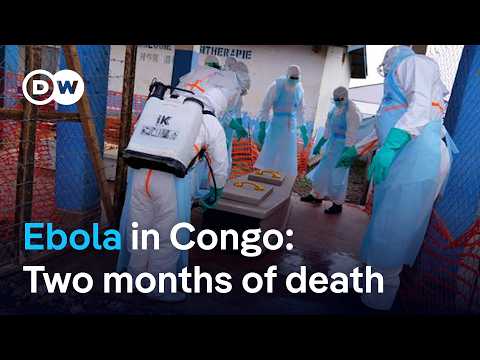
Over a thousand people dead: Congo's Ebola crisis worsens | DW News
0
林宜悉 posted on 2026/07/24The Ebola crisis in the Democratic Republic of the Congo is worsening, with over a thousand deaths and a faster rate of infection than ever before. This report dives into the complex challenges on the ground, from the dedication of frontline healthcare workers to the impact of insecurity and mistrust on containment efforts. You'll gain insight into the critical issues surrounding this devastating outbreak and the ongoing fight to control it.
Learn this video on the APP!
The VoiceTube App has more in-depth practice for videos!