
all the things
US
UK
- Pronoun
- Everything; all items or aspects
- Determiner
- Every item or object being considered or discussed.
A1Morealmost all of
US
UK
- Determiner
- Nearly the entire quantity or number of something.
- Pronoun
- Nearly every person in a group.
A1Moreas opposed to
US
UK
- Preposition
- In contrast to; rather than.
- Instead of; in place of.
A1Moreas soon as
US /æz sun æz/
UK /æz su:n æz/
- Phrase
- In a short time after (something happens)
- Without any delay; immediately
- Conjunction
- At the moment that, or immediately after.
A1Moreas you wish
US
UK
- Phrase
- A polite way of granting a request or giving permission.
- Expressing acceptance of someone's decision, even if one doesn't necessarily agree with it.
A1Moreat hand
US /æt hænd/
UK /æt hænd/
- Phrase
- Close by; readily available.
- About to happen; imminent.
- Adjective
- Nearby; easily available
A1Moreat home
US /æt hom/
UK /æt həum/
- Phrase
- In one's own residence or country.
- Adjective
- Feeling comfortable and relaxed.
at least
US /æt list/
UK /æt li:st/
- Adverb
- As a minimum
- Not less than
- Phrase
- No less than; at the minimum
- Used to indicate that something is positive in a bad situation.
C2Moreat some point
US /æt sʌm pɔɪnt/
UK /æt sʌm pɔint/
- Phrase
- At an unspecified time, usually in the future.
A1Moreat work
US /æt wɚk/
UK /æt wə:k/
- Phrase
- Located at one's place of employment
A1Moreattention
US /əˈtɛnʃən/
UK /əˈtenʃn/
- Noun (Countable/Uncountable)
- Taking notice of someone or something
- Noun
- (Soldiers) Standing with straight backs
A2TOEICMoreaverage
US /ˈævərɪdʒ, ˈævrɪdʒ/
UK /'ævərɪdʒ/
- Noun (Countable/Uncountable)
- Total of numbers divided by the number of items
- Transitive Verb
- To add numbers then divide by the number of items
A2TOEICMoreback to normal
US
UK
- Adjective
- Returned to the usual or expected state or condition.
- Phrase
- In the usual or ordinary way; as things were before.
A2Moreback to work
US
UK
- Phrase
- Returning to one's job or professional duties after a period of absence.
- Interjection
- An expression used to urge or remind people to resume working.
A1Morebeing with
US
UK
- Phrasal Verb
- Accompanying someone; being in someone's presence.
- Supporting someone's opinion or cause.
- Verb (Transitive/Intransitive)
- Accompanying someone; spending time with someone.
- Supporting someone; agreeing with someone.
A1Morebest practice
US
UK
- Noun
- A procedure that has been shown by research and experience to produce optimal results and that is established or proposed as a standard suitable for widespread adoption.
A1Morecare of
US /kɛr ʌv/
UK /kɛə ɔv/
- Preposition
- Used in an address to indicate the person who will receive the mail for someone else.
A2Morecasual
US /ˈkæʒuəl/
UK /ˈkæʒuəl/
- Adjective
- Being careless or having little thought or effort
- (Of clothes, etc.) not formal; easy to wear
- Countable Noun
- A worker employed on a temporary or irregular basis.
- A job as a musician that is not regular or permanent.
A2Moreclarity
US /ˈklærɪti/
UK /'klærətɪ/
- Uncountable Noun
- Being easy to be seen through, heard or understood
- The quality of an image being sharp and clear
B1Morecome back
US /kʌm bæk/
UK /kʌm bæk/
- Phrasal Verb
- To reply to someone, often forcefully
- To be remembered
A1Morecome onto
US
UK
- Phrasal Verb
- To approach someone with romantic intentions
A1Morecommunication
US /kəˌmjunɪˈkeʃən/
UK /kəˌmju:nɪ'keɪʃn/
- Noun (Countable/Uncountable)
- Talking to people; giving information to people
- The process of conveying information, ideas, or feelings through language or other means.
A2Morecontact
US /ˈkɑnˌtækt/
UK /'kɒntækt/
- Adjective
- Touching or feeling something
- Noun (Countable/Uncountable)
- Touching or feeling something
- Object that allows electricity to run through it
A2Moreconversation
US /ˌkɑnvɚˈseʃən/
UK /ˌkɒnvəˈseɪʃn/
- Uncountable Noun
- Talking with other people; discussion or chat
- General communication or interaction.
A2Moreculture
US /ˈkʌltʃɚ/
UK /'kʌltʃə(r)/
- Noun (Countable/Uncountable)
- Beliefs and customs of a particular group
- The customs, beliefs, art, and all the other things that a group of people share and consider important.
- Transitive Verb
- To grow cells, tissues, bacteria, etc. in a controlled environment.
A2Morecuriosity
US /ˌkjʊriˈɑsɪti/
UK /ˌkjʊərɪ'ɒsətɪ/
- Noun (Countable/Uncountable)
- Something unusual and perhaps worthy of collecting
- Eager desire to learn more about something
B1Moredeal with
US /dil wɪð/
UK /di:l wið/
- Verb (Transitive/Intransitive)
- To buy or sell goods or services.
- Phrasal Verb
- To take action to solve a problem or manage a situation.
- To be about; concern.
A1Moredefine
US /dɪˈfaɪn/
UK /dɪ'faɪn/
- Transitive Verb
- To explain the meaning of words
- To set or mark the limits of something
A2TOEICMoredefinition
US /ˌdɛfəˈnɪʃən/
UK /ˌdefɪˈnɪʃn/
- Noun (Countable/Uncountable)
- Explanation of word's meaning, as in dictionaries
- The sharpness of an image on a screen
A2TOEICMoredepend
US /dɪˈpend/
UK /dɪˈpend/
- Verb (Transitive/Intransitive)
- Be controlled or determined by (someone/something)
- To rely on someone or something for support, help, or existence.
B1TOEICMoredo in
US
UK
- Phrasal Verb
- To make completely tired out and exhausted
- To destroy or cause damage to someone
A1Morefeedback
US /ˈfidˌbæk/
UK /ˈfi:dbæk/
- Noun (Countable/Uncountable)
- A response or opinion, about a service, etc.
- Information about reactions to a product, a person's performance of a task, etc. which is used as a basis for improvement.
- Verb (Transitive/Intransitive)
- To give information or opinions about something to someone, especially in order to improve it.
B1TOEICMorefeel like
US
UK
- Intransitive Verb
- To have a desire or inclination for something.
- To have a particular quality or sensation; resemble.
A1Morefigure out
US /ˈfɪɡjɚ aʊt/
UK /ˈfiɡə aut/
- Phrasal Verb
- To understand the behavior of someone
- To think through logically to find a solution
- Verb (Transitive/Intransitive)
- To understand or find an answer to something.
- To find a solution to a problem or understand something.
A1Morefor example
US
UK
- Phrase
- As an illustration or instance.
for someone
US /fɚ ˈsʌmwʌn/
UK /fə ˈsʌmwʌn/
- other
- On behalf of or intended for a particular person.
A1Morefrustrate
US /ˈfrʌsˌtret/
UK /frʌ'streɪt/
- Transitive Verb
- To make annoyed because things don't go well
- To prevent (a plan or intention) from succeeding.
B1TOEICMorefrustration
US /frʌˈstreʃən/
UK /frʌ'streɪʃn/
- Noun (Countable/Uncountable)
- Annoyance because things don't go the way you want
- The prevention of the progress, success, or fulfillment of something.
B1Moregenuinely
US /ˈdʒɛnjʊɪnlɪ/
UK /'dʒenjʊɪnlɪ/
- Adverb
- In a real, actual, not false or artificial way
- In a sincere and honest way.
A2Moreget back to
US /ɡɛt bæk tu/
UK /ɡet bæk tu:/
- Phrasal Verb
- To get in contact with someone again
- To return to someone or something; to respond at a later time.
A1Moreget through
US /ɡɛt θru/
UK /ɡet θru:/
- Phrasal Verb
- To arrive at the end of or finish something
- To succeed in contacting someone by phone
A1Morego ahead
US /ɡo əˈhɛd/
UK /ɡəu əˈhed/
- Phrasal Verb
- To start an activity; start doing, working etc.
- To give permission to do something
- Intransitive Verb
- To start or proceed with something
- To proceed despite potential obstacles or doubts.
A1Morego away
US /ɡo əˈwe/
UK /ɡəu əˈwei/
- Phrasal Verb
- To go on vacation
- To leave; depart.
A1Morego for it
US /ɡo fɔr ɪt/
UK /ɡəu fɔ: it/
- Interjection
- An expression of encouragement or approval.
- Intransitive Verb
- To try to achieve something; to make an attempt.
A1Morego haywire
US
UK
- Phrasal Verb
- To malfunction or go out of control.
A1Morego on
US /ɡo ɑn/
UK /ɡəu ɔn/
- Phrasal Verb
- To continue doing something
- To happen (usually negative)
- Interjection
- Used to encourage someone
A1Moregoing on
US /ˈɡoɪŋ ɑn/
UK /ˈgəʊɪŋ ɔn/
- Phrasal Verb
- To continue doing something
- To happen (usually negative)
A1Moregood person
US
UK
- Noun
- A morally upright and kind individual.
- A person who is skilled or competent in a particular area.
A1Moregot to
US /ɡɑt tu/
UK /gɔt tu:/
- Verb (Transitive/Intransitive)
- To arrive at some place
- To have the opportunity or permission to do something
- Phrasal Verb
- To appeal to the emotions of; move
- To finally begin to start something after a delay
A1Moregrow on
US /ɡro ɑn/
UK /ɡrəu ɔn/
- Phrasal Verb
- To cause someone to begin to like
A1Morehappen on
US /ˈhæpən ɑn/
UK /ˈhæpən ɒn/
- other
- To find or discover by accident.
B2Morehave to
US /hæv tu/
UK /ˈhæv tə/
- Auxiliary Verb
- Must do
A1Morehold on
US /hold ɑn/
UK /həuld ɔn/
- Phrasal Verb
- To wait for someone (e.g. on a phone call)
- To wait for a short time.
A1Morein a rut
US
UK
- Adjective
- Stuck in a monotonous routine; lacking variety or progress.
- Experiencing a lack of progress or satisfaction in one's career.
- Phrase
- Stuck in a monotonous or unchanging routine.
in different ways
US
UK
- Phrase
- Using various methods or approaches; with variety.
- In varying manners or styles; not uniformly.
A1Morein general
US /ɪn ˈdʒɛnərəl/
UK /in ˈdʒenərəl/
- Phrase
- Typically; usually; on the whole.
- Not specific or detailed; broadly.
- Adjective
- Not detailed or specific; overall.
C2Morein on
US
UK
- Phrase
- To be involved in a secret or plan.
- To be aware of something that is secret or not generally known.
A1Morein order to
US /ɪn ˈɔrdɚ tu/
UK /in ˈɔ:də tu:/
- Preposition
- For the purpose of; with the aim of.
- Phrase
- In a specific sequence or arrangement.
- With the aim of; for the purpose of.
C1Morein terms of
US
UK
- Phrase
- With regard to; concerning a particular aspect.
A1Morein the hospital
US /ɪn ðə ˈhɑspɪtəl/
UK /in ðə ˈhɒspɪtəl/
- Preposition
- Located inside a hospital receiving medical care.
A1Morein the way
US /ɪn ði we/
UK /in ðə wei/
- Phrase
- Obstructing someone or something; hindering progress.
- Stored or placed so as to be available or ready when needed.
A1Morein the world
US /ɪn ði wɜrld/
UK /in ðə wɜː(r)ld/
- Phrase
- Used to emphasize a question expressing surprise, confusion, or disbelief.
- Used to indicate the extent or degree of something, often in a superlative sense.
A1Moreinstead of
US /ɪnˈstɛd ʌv/
UK /inˈsted ɔv/
- Preposition
- When one thing is replaced by another
- Adverb
- As a substitute or alternative.
A1Moreinstruction
US /ɪnˈstrʌkʃən/
UK /ɪn'strʌkʃn/
- Noun (Countable/Uncountable)
- A command for someone formally to do something
- Act of teaching or explaining to others
- Uncountable Noun
- Information about how to do or use something
A2TOEICMorejerk
US /dʒɚk/
UK /dʒɜ:k/
- Noun (Countable/Uncountable)
- Someone you think is an idiot
- Sudden sharp movement; tug
- Verb (Transitive/Intransitive)
- To move suddenly and violently; tug
C2Moreknow about
US /noʊ əˈbaʊt/
UK /nəʊ əˈbaut/
- Phrasal Verb
- To have information or understanding of a subject or situation.
literally
US /ˈlɪtərəli/
UK
- Adverb
- In a literal manner or sense; exactly as stated.
- Used for emphasis to describe something that is actually true, often to highlight surprise or intensity.
B1Morelook around
US /lʊk əˈraʊnd/
UK /luk əˈraund/
- Phrasal Verb
- To explore a place; search for something.
A1Morelook at
US /lʊk æt/
UK /luk æt/
- Phrasal Verb
- To use your eyes to focus on something
- To focus your eyes on something carefully
A1Morelook away
US /lʊk əˈwe/
UK /luk əˈwei/
- Phrasal Verb
- To turn your eyes in a different direction, especially because you are embarrassed, frightened, or upset.
A2Morelook beyond
US
UK
- Phrasal Verb
- To consider the future and what might happen.
B2Moremeditation
US /ˌmɛdɪˈteʃən/
UK /ˌmedɪ'teɪʃn/
- Noun (Countable/Uncountable)
- Act of deep and quiet thinking
- The practice of focusing one's mind for a period of time.
B2Morenext to
US /nɛkst tu/
UK /nekst tu:/
- Preposition
- Being located along side another
- In comparison with
- Adverb
- Almost; nearly
A1Moreno matter
US
UK
- Conjunction
- Regardless of; it does not matter.
- Adverb
- Regardless of; it is not important
A1Morenonviolent
US /ˌnɑnˈvaɪələnt/
UK /ˌnɒn'vaɪələnt/
- Adjective
- Deciding to not use physical force
B1Moreof a sudden
US
UK
- Phrase
- Quickly and unexpectedly; suddenly.
B2Moreof course
US /ʌv kɔː(r)s/
UK /ɔv kɔː(r)s/
- Adverb
- Sure ; Certainly
- Phrase
- For sure; certainly
A2Moreoff the cuff
US /ɔf ði kʌf/
UK /ɔf ðə kʌf/
- Adverb
- Without preparation or advance thought; extemporaneously.
on average
US /ɑn ˈævərɪdʒ/
UK /ɔn ˈævəridʒ/
- Phrase
- Typically; usually; based on an average calculation.
B1Moreon hold
US /ɑn hold/
UK /ɔn həuld/
- Adjective
- Temporarily delayed or suspended.
- Adverb
- Waiting to be connected on a telephone call.
A2Moreon the spectrum
US
UK
- Phrase
- Having a range of conditions characterized by challenges with social skills, repetitive behaviors, speech, and nonverbal communication.
- Falling within a range or scale of possibilities or characteristics.
C1Moreoptimism
US /ˈɑptəˌmɪzəm/
UK /ˈɒptɪmɪzəm/
- Uncountable Noun
- Condition of having a positive outlook or belief
B2Moreout of sight, out of mind
US /aʊt əv saɪt aʊt əv maɪnd/
UK /aut əv saɪt aut əv maɪnd/
- Proverb
- People forget things or people when not seen regularly.
B1Moreover to
US
UK
- Preposition
- Used to hand over to someone else to speak
- The responsibility is now yours
overwhelmed
US /ˌoʊ.vɚˈwɛlmd/
UK /ˌəʊ.vəˈwɛlmd/
- Transitive Verb
- To defeat something or someone completely
- To affect someone emotionally in a strong way
- Adjective
- Feeling like you have so much to do that you can't even get started.
- Feeling like you are unable to cope with something
B2Morepeel back
US
UK
- Phrasal Verb
- To gradually reveal or uncover something by removing layers or obstacles.
A1Morephone up
US
UK
- Phrasal Verb
- To make a telephone call to someone.
A1Morepoint out
US /pɔɪnt aʊt/
UK /pɔint aut/
- Phrasal Verb
- To make others aware of an idea
- To draw attention to something or someone
A1Morepractice
US /ˈpræktɪs/
UK /'præktɪs/
- Noun
- The office and place for legal or medical work
- Doing something many times to become better at it
- Verb (Transitive/Intransitive)
- To work as a doctor or lawyer
- To live according to the teachings of a religion
A2TOEICMoreprove
US /pruv/
UK /pru:v/
- Transitive Verb
- To demonstrate truth by providing evidence
- To test the quality or worth of something.
- Intransitive Verb
- To turn out to be; be found to be.
A2TOEICMorerather than
US
UK
- Adverb
- More exactly; more correctly
- Preferably; instead
- Preposition
- Instead of
A1Morereliance
US /rɪˈlaɪəns/
UK /rɪˈlaɪəns/
- Uncountable Noun
- State of being dependent on something for help
B1Moreright next to
US
UK
- Preposition
- Immediately adjacent to; in very close proximity to.
- Figuratively very close to; on the verge of.
A1Moresecond nature
US /ˈsɛkənd ˈnetʃɚ/
UK /ˈsekənd ˈneitʃə/
- Noun
- A behavior that has become automatic or habitual.
A2Moreset out
US /sɛt aʊt/
UK /set aut/
- Phrasal Verb
- To arrange something in an orderly fashion
- To give in detail in writing
A1Moresettle in
US /ˈsɛtl ɪn/
UK /ˈsetl in/
- Phrasal Verb
- To become comfortable in a new place or situation.
B2Moreshow up
US /ʃo ʌp/
UK /ʃəu ʌp/
- Phrasal Verb
- To arrive or be seen at a place, e.g. a party
- To be noticeably better than (someone else)
A1Moreshut down
US /ʃʌt daʊn/
UK /ʃʌt daun/
- Phrasal Verb
- To close an operating system, e.g. on a computer
- To stop a factory/machine from operating
- Transitive Verb
- To deactivate a nuclear reactor.
- To turn off a computer or other electronic device.
A2Moresilence
US /ˈsaɪləns/
UK /'saɪləns/
- Uncountable Noun
- State of being quiet and not talking for a time
- When there is not sound or noise; complete quiet
- Transitive Verb
- To stop the noise that something is making
- To prevent someone from expressing thoughts
A2Moreslightly
US /ˈslaɪtli/
UK /ˈslaɪtli/
- Adverb
- Only a little
B1Moresolution
US /səˈluʃən/
UK /səˈlu:ʃn/
- Noun (Countable/Uncountable)
- Mix of a liquid and a solid or a gas
- Way to solve or deal with a problem
A2Moretalking about
US
UK
- Phrasal Verb
- To discuss a particular topic.
- To be constantly mentioning or bringing up a subject.
A1Morethink about
US /θɪŋk əˈbaʊt/
UK /θiŋk əˈbaut/
- Phrasal Verb
- To consider something carefully.
- To remember or call to mind.
A1Morethink out
US
UK
- Phrasal Verb
- To consider carefully so all points are covered
A1Moreto let
US /tu lɛt/
UK /tu let/
- Preposition
- Indicates that a property is available for rent.
A2Moreto the point
US /tu ði pɔɪnt/
UK /tu: ðə pɔint/
- Adjective
- Expressing something directly and without unnecessary detail.
- Phrase
- Relevant and pertinent to the matter at hand.
A2Moreturn to
US /tɚn tu/
UK /tə:n tu:/
- Phrasal Verb
- To go to someone for help, advice, or information.
- To start doing or using something, often something bad or undesirable.
A1Moreuncomfortable
US /ʌnˈkʌmfətəbəl, -ˈkʌmftə-/
UK /ʌnˈkʌmftəbl/
- Adjective
- Not being relaxed; worried about something
- Causing or feeling slight pain or physical unease.
B1Moreused to
US /juzd tu/
UK /ˈju:st tə/
- Adjective
- Did regularly before, but don't do now
- Auxiliary Verb
- Have done before, but do not do now
A1Morewith it
US /wɪð ɪt/
UK /wið it/
- Adjective
- Intelligent, alert, and up-to-date.
- Understanding and knowledgeable about current trends or information.
A1Morewith practice
US
UK
- Phrase
- Through repeated exercise or performance, leading to improvement or skill.
A1Moreworkload
US /ˈwɜ:rkloʊd/
UK /ˈwɜ:kləʊd/
- Uncountable Noun
- Work you are expected to do in a specified time
C1More
Vocabulary
- have to: Must do
- at work: Located at one's place of employment
- go on: To continue doing something
- instead of: When one thing is replaced by another
- going on: To continue doing something
- think about: To consider something carefully.
- feel like: To have a desire or inclination for something.
- as opposed to: In contrast to; rather than.
- talking about: To discuss a particular topic.
- for example: As an illustration or instance.
- at some point: At an unspecified time, usually in the future.
- look at: To use your eyes to focus on something
- next to: Being located along side another
- got to: To arrive at some place
- of a sudden: Quickly and unexpectedly; suddenly.
- in the way: Obstructing someone or something; hindering progress.
- of course: Sure ; Certainly
- go for it: An expression of encouragement or approval.
- rather than: More exactly; more correctly
- with it: Intelligent, alert, and up-to-date.
- deal with
- for someone: On behalf of or intended for a particular person.
- second nature: A behavior that has become automatic or habitual.
- as you wish: A polite way of granting a request or giving permission.
- back to work: Returning to one's job or professional duties after a period of absence.
- get back to: To get in contact with someone again
- care of: Used in an address to indicate the person who will receive the mail for someone else.
- point out: To make others aware of an idea
- as soon as: In a short time after (something happens)
- go haywire: To malfunction or go out of control.
- settle in: To become comfortable in a new place or situation.
- know about: To have information or understanding of a subject or situation.
- set out: To arrange something in an orderly fashion
- turn to: To go to someone for help, advice, or information.
- look beyond: To consider the future and what might happen.
- happen on: To find or discover by accident.
- grow on: To cause someone to begin to like
- in general: Typically; usually; on the whole.
- at hand: Close by; readily available.
- best practice: A procedure that has been shown by research and experience to produce optimal results and that is established or proposed as a standard suitable for widespread adoption.
- go away: To go on vacation
- back to normal: Returned to the usual or expected state or condition.
- in on: To be involved in a secret or plan.
- in the hospital: Located inside a hospital receiving medical care.
- right next to: Immediately adjacent to; in very close proximity to.
- phone up: To make a telephone call to someone.
- out of sight, out of mind: People forget things or people when not seen regularly.
- look around: To explore a place; search for something.
- look away: To turn your eyes in a different direction, especially because you are embarrassed, frightened, or upset.
- almost all of: Nearly the entire quantity or number of something.
- on the spectrum: Having a range of conditions characterized by challenges with social skills, repetitive behaviors, speech, and nonverbal communication.
- on hold: Temporarily delayed or suspended.
- hold on: To wait for someone (e.g. on a phone call)
- show up: To arrive or be seen at a place, e.g. a party
- good person: A morally upright and kind individual.
- with practice: Through repeated exercise or performance, leading to improvement or skill.
- off the cuff: Without preparation or advance thought; extemporaneously.
- figure out: To understand the behavior of someone
- in terms of
- on average: Typically; usually; based on an average calculation.
- in a rut: Stuck in a monotonous routine; lacking variety or progress.
- peel back: To gradually reveal or uncover something by removing layers or obstacles.
- think out: To consider carefully so all points are covered
- used to: Did regularly before, but don't do now
- in order to: For the purpose of; with the aim of.
- come onto: To approach someone with romantic intentions
- at home: In one's own residence or country.
- shut down: To close an operating system, e.g. on a computer
- to the point: Expressing something directly and without unnecessary detail.
- over to: Used to hand over to someone else to speak
- in different ways: Using various methods or approaches; with variety.
- in the world: Used to emphasize a question expressing surprise, confusion, or disbelief.
- being with: Accompanying someone; being in someone's presence.
- do in: To make completely tired out and exhausted
- get through: To arrive at the end of or finish something
- at least: As a minimum
- to let: Indicates that a property is available for rent.
- come back: To reply to someone, often forcefully
- no matter: Regardless of; it does not matter.
- go ahead: To start an activity; start doing, working etc.
- all the things: Everything; all items or aspects
- literally: In a literal manner or sense; exactly as stated.
- overwhelmed: To defeat something or someone completely
- meditation: Act of deep and quiet thinking
- present: Being in attendance; being there; having turned up
- genuinely: In a real, actual, not false or artificial way
- situation: Place, position or area that something is in
- slightly: Only a little
- practice: The office and place for legal or medical work
- matter: To be of great importance; to count
- realize: To become aware of or understand mentally
- average: Total of numbers divided by the number of items
- experience: Thing a person has done or that happened to them
- conversation: Talking with other people; discussion or chat
- position: Person's opinion or attitude about something
- frustration: Annoyance because things don't go the way you want
- casual: Being careless or having little thought or effort
- jerk: Someone you think is an idiot
- definition: Explanation of word's meaning, as in dictionaries
- attention: Taking notice of someone or something
- define: To explain the meaning of words
- contact: Touching or feeling something
- curiosity: Something unusual and perhaps worthy of collecting
- reason: To think and make conclusions in a logical manner
- clarity: Being easy to be seen through, heard or understood
- silence: State of being quiet and not talking for a time
- optimism: Condition of having a positive outlook or belief
- prove: To demonstrate truth by providing evidence
- mind: To be bothered or upset by something
- solution: Mix of a liquid and a solid or a gas
- social: Involving activity with people, e.g. in free time
- favorite: A thing that someone likes best or enjoys most
- instruction: A command for someone formally to do something
- feedback: A response or opinion, about a service, etc.
- haven: Place where people can feel safe and happy
- culture: Beliefs and customs of a particular group
- communication: Talking to people; giving information to people
- frustrate: To make annoyed because things don't go well
- lot: What happens to a person in life from chance; fate
- depend: Be controlled or determined by (someone/something)
- sound: Sensible, dependable and reliable
- kind: In a caring and helpful manner
- learn: To get knowledge or skills by study or experience
- reliance: State of being dependent on something for help
- uncomfortable: Not being relaxed; worried about something
- workload: Work you are expected to do in a specified time
- nonviolent: Deciding to not use physical force
Get the full experience in the app
Learn anywhere with detailed sentence and usage analysis
01:03
She took a brave step forward, leaving behind her comfort zone to chase her dreams.
Vocabulary
- brave
adj. Having courage
- comfort zone
phr. A familiar situation where one feels safe
Explanation
a brave step is a noun phrase, where brave is an adjective modifying the noun step, meaning "a courageous step".
forward is an adverb modifying step, meaning "ahead".
The whole phrase serves as the object, answering the "what" of took (verb) — she took a brave step forward.
Get the full experience in the app
Look up words anytime with pronunciation, part of speech, and usage
brave
US/brev/
UK/breɪv/
adj.Brave
v.t.To bravely face
A2 Elementary
Get the full experience in the app
Practice speaking anytime and get instant pronunciation feedback
Try this speaking exercise.
Try practicing with this sentence.
80
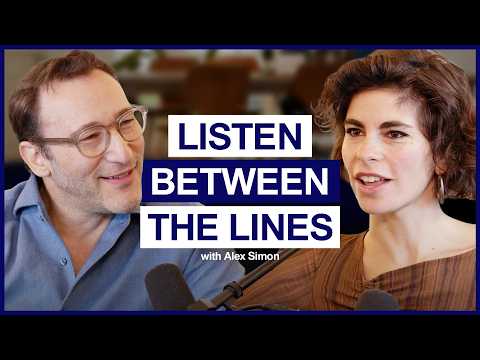
The Secret to Better Conversations Isn't Talking | A Bit of Optimism: Feelings at Work | PART 2
0
林宜悉 posted on 2026/07/21Ever feel like you're talking, but no one's *really* listening? This video dives into the surprising truth about effective listening, revealing why it's not about waiting for your turn to speak, but genuinely understanding the other person. You'll pick up key phrases and insights to make anyone you talk to feel truly heard!
Learn this video on the APP!
The VoiceTube App has more in-depth practice for videos!