
accurate
US /ˈækjərɪt/
UK /ˈækjərət/
- Adjective
- With no mistake or error; Correct
A2Moreadvanced technology
US /ædˈvænst tɛkˈnɑlədʒi/
UK /ədˈvɑ:nst tekˈnɔlədʒi/
- Uncountable Noun
- Cutting-edge or highly developed technology.
- Phrase
- Technology that represents the future of innovation and development.
A2Moreagent
US /ˈedʒənt/
UK /'eɪdʒənt/
- Noun
- Chemical with the power to make chemical reactions
- Person who represents or decides for others
A2TOEICMoreallow me
US
UK
- Phrase
- A polite way of offering to do something for someone.
- A formal way to ask for permission or to introduce oneself.
artificial
US /ˌɑrtəˈfɪʃəl/
UK /ˌɑ:tɪ'fɪʃl/
- Adjective
- Dishonest, to seem fake, not sincere
- (Something) made by people; not created by nature
B1TOEICMoreas with
US /æz wɪð/
UK /æz wið/
- Preposition
- In the same way that something happens or is true of something else.
A1Moreat least
US /æt list/
UK /æt li:st/
- Adverb
- As a minimum
- Not less than
- Phrase
- No less than; at the minimum
- Used to indicate that something is positive in a bad situation.
C2Moreat most
US /æt most/
UK /æt məust/
- Adverb
- Not more than; a maximum of.
- Phrase
- Used to indicate an upper limit or maximum quantity.
A1Moreat pace
US
UK
- Phrase
- With speed; rapidly.
- Maintaining a consistent and relatively high speed.
A1Moreat school
US
UK
- Phrase
- Present and attending school.
A1Moreat the moment
US
UK
- Adverb
- At this time; now
A1Moreaugment
US /ɔɡˈmɛnt/
UK /ɔ:ɡ'ment/
- Transitive Verb
- To make something larger, stronger, more effective
B2TOEICMoreautomate
US /ˈɔtəˌmet/
UK /'ɔ:təmeɪt/
- Transitive Verb
- To make automatic by using machines
B2TOEICMoreautomation
US /ˌɔtəˈmeʃən/
UK /ˌɔ:təˈmeɪʃn/
- Uncountable Noun
- Use of machines to do tasks once done by people
B2Morebased on
US
UK
- Phrasal Verb
- To use something as the foundation or starting point for something else.
- Preposition
- Using something as the main idea or foundation.
- Relying on something as evidence or justification.
A1Morebear in mind
US /bɛr ɪn maɪnd/
UK /bɛə in maind/
- Phrase
- To remember and consider something.
- Phrasal Verb
- To remember or consider something
A1Morebest practice
US
UK
- Noun
- A procedure that has been shown by research and experience to produce optimal results and that is established or proposed as a standard suitable for widespread adoption.
A1Morebetter understanding
US
UK
- Uncountable Noun
- An improved level of comprehension or knowledge.
B2Morebring in
US /brɪŋ ɪn/
UK /briŋ in/
- Phrasal Verb
- To earn a certain amount of money or profits
- To add person into existing group, e.g. phone call
A1Morecarry on
US /ˈkæri ɑn/
UK /ˈkæri ɔn/
- Phrasal Verb
- To engage in an activity, e.g. a conversation
- To continue or keep doing something
- Verb (Transitive/Intransitive)
- To continue doing something
A1Morechange over
US
UK
- Phrasal Verb
- To switch from one thing to another.
A2Morecheck out
US /tʃɛk aʊt/
UK /tʃek aut/
- Phrase
- Phrasal Verb
- To find out information about something
- To take books out of a library
A1Morechomping at the bit
US /ˈtʃɑmpɪŋ æt ðə bɪt/
UK /ˈtʃɒmpɪŋ æt ðə bɪt/
- other
- Feeling eager or impatient to begin something.
B2Morecognitive
US /ˈkɑɡnɪtɪv/
UK /ˈkɒgnətɪv/
- Adjective
- The process of knowing and remembering
- Relating to the ability to think and reason.
C1Morecome back
US /kʌm bæk/
UK /kʌm bæk/
- Phrasal Verb
- To reply to someone, often forcefully
- To be remembered
A1Morecome from
US /kʌm frʌm/
UK /kʌm frɔm/
- Phrasal Verb
- To have as your native country or city
A1Moreconstantly
US /ˈkɑnstəntlɪ/
UK /ˈkɒnstəntli/
- Adverb
- Frequently, or without pause
- In a way that is unchanging or faithful
B1Morecontext
US /ˈkɑnˌtɛkst/
UK /ˈkɒntekst/
- Noun (Countable/Uncountable)
- Set of facts surrounding a person or event
- The circumstances that form the setting for an event, statement, or idea, and in terms of which it can be fully understood and assessed.
A2Morecritical
US /ˈkrɪtɪkəl/
UK /ˈkrɪtɪkl/
- Adjective
- Making a negative judgment of something
- Being important or serious; vital; dangerous
A2Moredeal with
US /dil wɪð/
UK /di:l wið/
- Verb (Transitive/Intransitive)
- To buy or sell goods or services.
- Phrasal Verb
- To take action to solve a problem or manage a situation.
- To be about; concern.
A1Moredomain
US /doʊˈmeɪn/
UK /dəˈmeɪn/
- Noun (Countable/Uncountable)
- A field of knowledge, thought or influence
- Area that a ruler or government controls
B1Moreenormous
US /ɪˈnɔrməs/
UK /iˈnɔ:məs/
- Adjective
- Huge; very big; very important
- Very great in size, amount, or degree.
A2Moreexpert
US /ˈɛkˌspɚt/
UK /'ekspɜ:t/
- Countable Noun
- Skillful person with special knowledge
- Adjective
- Having special knowledge or skill
A2TOEICMoreexpertise
US /ˌekspɜːrˈtiːz/
UK /ˌekspɜ:ˈti:z/
- Uncountable Noun
- The special knowledge that an expert has
- Expert skill or knowledge in a particular field.
B1TOEICMoreexponentially
US /ˌekspə'nenʃəlɪ/
UK /ˌekspə'nenʃəlɪ/
- Adverb
- (Of an increase) at a faster and faster rate
- At an increasingly rapid rate; extremely quickly.
C1Morefall apart
US /fɔl əˈpɑrt/
UK /fɔ:l əˈpɑ:t/
- Phrasal Verb
- To suffer a nervous breakdown
- To break into pieces; stop functioning
A1Morefeel like
US
UK
- Intransitive Verb
- To have a desire or inclination for something.
- To have a particular quality or sensation; resemble.
A1Morefor certain
US /fɔr ˈsɚtn/
UK /fɔ: ˈsə:tn/
- Idiom
- Definitely; without a doubt.
- Phrase
- Without any doubt; definitely.
for example
US
UK
- Phrase
- As an illustration or instance.
for free
US /fɔr fri/
UK /fɔ: fri:/
- Phrase
- Without charge; at no cost.
- Adjective
- Available without payment.
A2Morefor instance
US /fɔr ˈɪnstəns/
UK /fɔ: ˈinstəns/
- Adverb
- As an example.
- Phrase
- As an example.
- As an illustration or case in point
B1Morefor myself
US /fɚ maɪˈsɛlf/
UK /fə maɪˈself/
- other
- Done for one's own benefit or use.
A1Morefor some reason
US /fɔr sʌm ˈrizən/
UK /fɔ: sʌm ˈri:zən/
- Phrase
- For a reason that is not known or not easily explained.
A1Morefor sure
US /fɔr ʃʊr/
UK /fɔ: ʃuə/
- Adverb
- Definitely; certainly; without a doubt.
- Used to emphasize a statement.
- Interjection
- An expression of strong agreement or affirmation.
A2Morefor the most part
US
UK
- Phrase
- Generally; mostly; on the whole.
- Mostly; generally; in most cases.
A1Morefor the rest
US /fɔr ði rɛst/
UK /fɔ: ðə rest/
- Phrase
- Concerning the remaining people or things.
- During the remaining part of a period of time.
A1Morefundamentally
US /ˌfʌndəˈmɛntl:ɪ/
UK /ˌfʌndəˈmentəli/
- Adverb
- In a basic and important way
- In a complete and thorough way
B1Moreget across
US /ɡɛt əˈkrɔs/
UK /ɡet əˈkrɔs/
- Phrasal Verb
- To communicate (something) clearly and effectively.
A1Moregive away
US /ɡɪv əˈwe/
UK /ɡiv əˈwei/
- Phrase
- Phrasal Verb
- To let others have something you own
- To tell (a secret)
A1Morego back to
US /ɡo bæk tu/
UK /ɡəu bæk tu:/
- Phrasal Verb
- To return to a starting point
A1Moregot to
US /ɡɑt tu/
UK /gɔt tu:/
- Verb (Transitive/Intransitive)
- To arrive at some place
- To have the opportunity or permission to do something
- Phrasal Verb
- To appeal to the emotions of; move
- To finally begin to start something after a delay
A1Moregrapple with
US
UK
- Phrasal Verb
- To struggle or deal with something difficult.
- To engage in a physical struggle or fight.
hand over
US /hænd ˈovɚ/
UK /hænd ˈəuvə/
- Phrasal Verb
- To give into the possession or control of another
A1Morehand up
US
UK
- Phrasal Verb
- To raise one's hand in order to get attention, especially in a classroom.
handful
US /ˈhændˌfʊl/
UK /'hændfʊl/
- Noun (Countable/Uncountable)
- an amount of something that can be held in one hand; small quantity or amount of people or things
- A thing requiring great effort to control, manage
B1Moreharm
US /hɑrm/
UK /hɑ:m/
- Transitive Verb
- To damage, injure, or hurt someone or something
- Noun
- Damage or injury
A2Morehave to
US /hæv tu/
UK /ˈhæv tə/
- Auxiliary Verb
- Must do
A1Moreimperative
US /ɪmˈpɛrətɪv/
UK /ɪm'perətɪv/
- Noun
- The state of demanding notice or attention
- Adjective
- Absolutely necessary; that must be done
B2TOEICMorein areas
US
UK
- Phrase
- Located or occurring within specific regions or locations.
- Relating to specific fields, subjects, or disciplines.
A1Morein mind
US /ɪn maɪnd/
UK /in maind/
- Phrase
- Being aware of or considering something.
- To remember or consider something.
A2Morein particular
US /ɪn pɚˈtɪkjəlɚ/
UK /in pəˈtikjulə/
- Phrase
- Specifically; especially.
- Detailed or precise.
A1Morein terms of
US
UK
- Phrase
- With regard to; concerning a particular aspect.
A1Morein the future
US /ɪn ði ˈfjutʃɚ/
UK /in ðə ˈfju:tʃə/
- Phrase
- At a later time; in times to come.
A1Morein time
US /ɪn taɪm/
UK /in taim/
- Adverb
- Eventually; after a period of time.
- Not late; with enough time to spare.
- Phrase
- Eventually; before it is too late.
- According to the scheduled time; punctual.
A1Moreintelligence
US /ɪnˈtɛlədʒəns/
UK /ɪn'telɪdʒəns/
- Uncountable Noun
- Collection of secret information about something
- Ability to learn things or to consider situations
- Adjective
- Of the spying services; acting in secrecy
A2TOEICMoreintervention
US /ˌɪntə'venʃn/
UK /ˌɪntə'venʃn/
- Noun (Countable/Uncountable)
- Getting involved to solve a disagreement, problem
- The use of military force by a country in another country's internal affairs.
B1Morelecture
US /ˈlɛktʃɚ/
UK /'lektʃə(r)/
- Transitive Verb
- To speak to someone to show anger or warn them
- To give a talk or speech about a subject
- Noun (Countable/Uncountable)
- Telling someone off for doing something wrong
- Talk or speech about a particular subject
A2TOEICMorelingo
US /ˈlɪŋgoʊ/
UK /ˈlɪŋgəʊ/
- Noun
- Language or dialect
C1Moreliteracy
US /ˈlɪtərəsi/
UK /ˈlɪtərəsi/
- Uncountable Noun
- Fact of having knowledge of a particular subject
- State of being able to read and write
B1Morelook around
US /lʊk əˈraʊnd/
UK /luk əˈraund/
- Phrasal Verb
- To explore a place; search for something.
A1Morelook at
US /lʊk æt/
UK /luk æt/
- Phrasal Verb
- To use your eyes to focus on something
- To focus your eyes on something carefully
A1Moremake up
US /mek ʌp/
UK /meik ʌp/
- Phrasal Verb
- To invent or create a story
- To add up to
- Verb (Transitive/Intransitive)
- To invent a story, excuse, etc.
- To compensate for something lost, missed, or deficient.
A1Moreof course
US /ʌv kɔː(r)s/
UK /ɔv kɔː(r)s/
- Adverb
- Sure ; Certainly
- Phrase
- For sure; certainly
A2Moreorganic
US /ɔrˈɡænɪk/
UK /ɔ:ˈgænɪk/
- Adjective
- Developing naturally and without a set structure
- Concerning food made with few or no chemicals
B1Moreoutside of
US /aʊtˈsaɪd ʌv/
UK /ˌautˈsaid ɔv/
- Preposition
- Located or situated beyond the boundaries or confines of something.
- Beyond the scope, range, or limits of something.
A1Moreoutsource
US /ˈaʊtˌsɔrs, -ˌsors/
UK /ˈaʊtsɔ:s/
- Transitive Verb
- To obtain goods or services from outside suppliers
C2Moreover time
US /ˈovɚ taɪm/
UK /ˈəuvə taim/
- Phrase
- Gradually; as time passes.
- During a long period.
- Adverb
- Gradually; as time passes.
B1Moreover to
US
UK
- Preposition
- Used to hand over to someone else to speak
- The responsibility is now yours
play ball
US /pleɪ bɔl/
UK /pleɪ bɔ:l/
- other
- Cooperate or act in agreement with others.
B2Morepoint out
US /pɔɪnt aʊt/
UK /pɔint aut/
- Phrasal Verb
- To make others aware of an idea
- To draw attention to something or someone
A1Morepotential
US /pəˈtɛnʃəl/
UK /pəˈtenʃl/
- Adjective
- Capable of happening or becoming reality
- Having or showing the capacity to develop into something in the future.
- Uncountable Noun
- someone's or something's ability to develop, achieve, or succeed
A2TOEICMorepresentation
US /ˌprɛzənˈteʃən, ˌprizən-/
UK /ˌpreznˈteɪʃn/
- Noun (Countable/Uncountable)
- Act of giving a formal talk about something
- Way in which something is displayed or shown
A2Moreprompt
US /prɑmpt/
UK /prɒmpt/
- Noun
- Message on a computer requiring attention
- Encouragement to ask someone else to talk
- Transitive Verb
- To display a message to requires a user to act
- To say something to encourage someone else to talk
B1Moreproperly
US /ˈprɑːpərli/
UK /ˈprɔpəlɪ/
- Adverb
- In an appropriate or correct manner
- In a way that is suitable or appropriate.
A2Moreput it together
US
UK
- Phrasal Verb
- To assemble or construct something from separate parts.
- To organize or create something, such as a plan or presentation.
A1Morerather than
US
UK
- Adverb
- More exactly; more correctly
- Preferably; instead
- Preposition
- Instead of
A1Morerazor
US /ˈrezɚ/
UK /ˈreɪzə(r)/
- Noun
- Tool with a sharp edge used to shave beard or hair
C1Morerely
US /rɪˈlaɪ/
UK /rɪ'laɪ/
- Intransitive Verb
- Depend on with full trust or confidence
- To trust or have confidence in someone.
B2TOEICMorerely on
US /rɪˈlaɪ ɑn/
UK /riˈlai ɔn/
- Phrasal Verb
- To depend on someone or something
A2Morerepetitive
US /rɪˈpɛtɪtɪv/
UK /rɪˈpetətɪv/
- Adjective
- Doing or saying the same things many times
B2Moreresearch
US /rɪˈsɚtʃ, ˈriˌsɚtʃ/
UK /rɪ'sɜ:tʃ/
- Verb (Transitive/Intransitive)
- To study in order to discover new ideas and facts
- To study the market relating to marketing products and services.
- Noun (Countable/Uncountable)
- Study done to discover new ideas and facts
- A particular area or topic of study.
A2TOEICMorescrub up
US /skrʌb ʌp/
UK /skrʌb ʌp/
- other
- To dress smartly or neatly for an occasion.
B2Moreshut down
US /ʃʌt daʊn/
UK /ʃʌt daun/
- Phrasal Verb
- To close an operating system, e.g. on a computer
- To stop a factory/machine from operating
- Transitive Verb
- To deactivate a nuclear reactor.
- To turn off a computer or other electronic device.
A2Moresurgeon
US /ˈsɜrdʒən/
UK /'sɜ:dʒən/
- Countable Noun
- A doctor who performs surgery
B2Moresurgery
US /ˈsɚdʒəri/
UK /'sɜ:dʒərɪ/
- Noun (Countable/Uncountable)
- Medical operation involving cutting into body
- A doctor's office; health clinic
B1Moretake it away
US
UK
- Phrasal Verb
- To remove something.
- Idiom
- To begin playing or performing.
C1Moretake over
US /tek ˈovɚ/
UK /teik ˈəuvə/
- Phrasal Verb
- To gain control of (a company) from someone else
- To assume control or possession of something.
A1Moretalking about
US
UK
- Phrasal Verb
- To discuss a particular topic.
- To be constantly mentioning or bringing up a subject.
A1Moretask
US /tæsk/
UK /tɑ:sk/
- Noun (Countable/Uncountable)
- Big or small piece of work someone has to do
- Transitive Verb
- To be given something to do, e.g. wash dishes
A2TOEICMoretechnology
US /tɛkˈnɑlədʒi/
UK /tek'nɒlədʒɪ/
- Uncountable Noun
- Use or knowledge of science in industry etc.
- Machinery and equipment developed from scientific knowledge.
A2TOEICMorethink about
US /θɪŋk əˈbaʊt/
UK /θiŋk əˈbaut/
- Phrasal Verb
- To consider something carefully.
- To remember or call to mind.
A1Morethink of
US /θɪŋk ʌv/
UK /θiŋk ɔv/
- Phrasal Verb
- To look on as (being something specific); consider
- To consider or remember something.
- Verb (Transitive/Intransitive)
- To imagine or call something to mind
A1Moreto do with
US
UK
- Phrasal Verb
- To be about something; concern
A1Moreto God
US /tə ɡɑd/
UK /tə ɡɒd/
- other
- Used to emphasize truth or sincerity.
A2Moreto hand
US
UK
- Transitive Verb
- To give or pass something to someone using your hand.
- To offer assistance or help.
A1Moreto the point
US /tu ði pɔɪnt/
UK /tu: ðə pɔint/
- Adjective
- Expressing something directly and without unnecessary detail.
- Phrase
- Relevant and pertinent to the matter at hand.
A2Moreturn around
US /tɚn əˈraʊnd/
UK /tə:n əˈraund/
- Phrasal Verb
- To change your body to the opposite direction
- To make something running badly into a success
- Verb (Transitive/Intransitive)
- To change direction so as to face the opposite way.
- To improve or cause to improve.
A1Moreturn out
US /tɚn aʊt/
UK /tə:n aut/
- Phrasal Verb
- To arrive for a public event or entertainment
- To happen to be in the end
A1Moreupstairs
US /ˌʌpˈsterz/
UK /ˌʌpˈsteəz/
- Adverb
- On a floor above
- Noun
- The floor above you in a building
C1Moreused to
US /juzd tu/
UK /ˈju:st tə/
- Adjective
- Did regularly before, but don't do now
- Auxiliary Verb
- Have done before, but do not do now
A1Morewalk around
US
UK
- Phrasal Verb
- To stroll or wander in a leisurely way.
- To move about in order to inspect something.
A2Morewith it
US /wɪð ɪt/
UK /wið it/
- Adjective
- Intelligent, alert, and up-to-date.
- Understanding and knowledgeable about current trends or information.
A1Morework at
US /wɚk æt/
UK /wə:k æt/
- Phrasal Verb
- To have a job at a particular place or organization.
- To make an effort to improve something.
A1More
Vocabulary
- have to: Must do
- think about: To consider something carefully.
- based on: To use something as the foundation or starting point for something else.
- at the moment: At this time; now
- with it: Intelligent, alert, and up-to-date.
- of course: Sure ; Certainly
- in the future: At a later time; in times to come.
- rely on: To depend on someone or something
- over time: Gradually; as time passes.
- for sure: Definitely; certainly; without a doubt.
- come from: To have as your native country or city
- in mind: Being aware of or considering something.
- deal with
- bring in: To earn a certain amount of money or profits
- look at: To use your eyes to focus on something
- go back to: To return to a starting point
- hand over: To give into the possession or control of another
- advanced technology: Cutting-edge or highly developed technology.
- think of: To look on as (being something specific); consider
- allow me: A polite way of offering to do something for someone.
- grapple with: To struggle or deal with something difficult.
- for the most part: Generally; mostly; on the whole.
- at school: Present and attending school.
- bear in mind: To remember and consider something.
- carry on: To engage in an activity, e.g. a conversation
- for certain: Definitely; without a doubt.
- turn around: To change your body to the opposite direction
- put it together: To assemble or construct something from separate parts.
- outside of: Located or situated beyond the boundaries or confines of something.
- work at: To have a job at a particular place or organization.
- scrub up: To dress smartly or neatly for an occasion.
- used to: Did regularly before, but don't do now
- for some reason: For a reason that is not known or not easily explained.
- chomping at the bit: Feeling eager or impatient to begin something.
- to God: Used to emphasize truth or sincerity.
- turn out: To arrive for a public event or entertainment
- play ball: Cooperate or act in agreement with others.
- in particular: Specifically; especially.
- as with: In the same way that something happens or is true of something else.
- take over: To gain control of (a company) from someone else
- feel like: To have a desire or inclination for something.
- in time: Eventually; after a period of time.
- look around: To explore a place; search for something.
- fall apart: To suffer a nervous breakdown
- at least: As a minimum
- got to: To arrive at some place
- talking about: To discuss a particular topic.
- point out: To make others aware of an idea
- to do with: To be about something; concern
- change over: To switch from one thing to another.
- over to: Used to hand over to someone else to speak
- to hand: To give or pass something to someone using your hand.
- in terms of
- hand up: To raise one's hand in order to get attention, especially in a classroom.
- at most: Not more than; a maximum of.
- for example: As an illustration or instance.
- walk around: To stroll or wander in a leisurely way.
- give away
- for free: Without charge; at no cost.
- make up: To invent or create a story
- come back: To reply to someone, often forcefully
- take it away: To remove something.
- for the rest: Concerning the remaining people or things.
- rather than: More exactly; more correctly
- shut down: To close an operating system, e.g. on a computer
- at pace: With speed; rapidly.
- in areas: Located or occurring within specific regions or locations.
- check out
- to the point: Expressing something directly and without unnecessary detail.
- for instance: As an example.
- for myself: Done for one's own benefit or use.
- get across: To communicate (something) clearly and effectively.
- best practice: A procedure that has been shown by research and experience to produce optimal results and that is established or proposed as a standard suitable for widespread adoption.
- better understanding: An improved level of comprehension or knowledge.
- constantly: Frequently, or without pause
- cognitive: The process of knowing and remembering
- potential: Capable of happening or becoming reality
- context: Set of facts surrounding a person or event
- enormous: Huge; very big; very important
- critical: Making a negative judgment of something
- situation: Place, position or area that something is in
- properly: In an appropriate or correct manner
- experience: Thing a person has done or that happened to them
- accurate: With no mistake or error; Correct
- artificial: Dishonest, to seem fake, not sincere
- intelligence: Collection of secret information about something
- develop: To explain something in steps and in detail
- research: To study in order to discover new ideas and facts
- imperative: The state of demanding notice or attention
- bit: Device put in a horse's mouth to control it
- presentation: Act of giving a formal talk about something
- expert: Skillful person with special knowledge
- brain: To strike someone forcefully on the head
- task: Big or small piece of work someone has to do
- handful: an amount of something that can be held in one hand; small quantity or amount of people or things
- prompt: Message on a computer requiring attention
- expertise: The special knowledge that an expert has
- repetitive: Doing or saying the same things many times
- pretty: Being attractive to the eye in a simple way
- intervention: Getting involved to solve a disagreement, problem
- reason: To think and make conclusions in a logical manner
- lecture: To speak to someone to show anger or warn them
- literacy: Fact of having knowledge of a particular subject
- rest: Time when one relaxes, sleeps, or is inactive
- surgery: Medical operation involving cutting into body
- risk: To do something potentially dangerous or foolish
- lead: Wire for electricity, computer, etc.; cable
- organic: Developing naturally and without a set structure
- rely: Depend on with full trust or confidence
- mind: To be bothered or upset by something
- fundamentally: In a basic and important way
- moment: Very short or brief period of time
- agent: Chemical with the power to make chemical reactions
- lot: What happens to a person in life from chance; fate
- important: Having power or authority
- technology: Use or knowledge of science in industry etc.
- kind: In a caring and helpful manner
- domain: A field of knowledge, thought or influence
- harm: To damage, injure, or hurt someone or something
- surgeon: A doctor who performs surgery
- exponentially: (Of an increase) at a faster and faster rate
- razor: Tool with a sharp edge used to shave beard or hair
- augment: To make something larger, stronger, more effective
- automate: To make automatic by using machines
- upstairs: On a floor above
- automation: Use of machines to do tasks once done by people
- lingo: Language or dialect
- outsource: To obtain goods or services from outside suppliers
Get the full experience in the app
Learn anywhere with detailed sentence and usage analysis
01:03
She took a brave step forward, leaving behind her comfort zone to chase her dreams.
Vocabulary
- brave
adj. Having courage
- comfort zone
phr. A familiar situation where one feels safe
Explanation
a brave step is a noun phrase, where brave is an adjective modifying the noun step, meaning "a courageous step".
forward is an adverb modifying step, meaning "ahead".
The whole phrase serves as the object, answering the "what" of took (verb) — she took a brave step forward.
Get the full experience in the app
Look up words anytime with pronunciation, part of speech, and usage
brave
US/brev/
UK/breɪv/
adj.Brave
v.t.To bravely face
A2 Elementary
Get the full experience in the app
Practice speaking anytime and get instant pronunciation feedback
Try this speaking exercise.
Try practicing with this sentence.
80
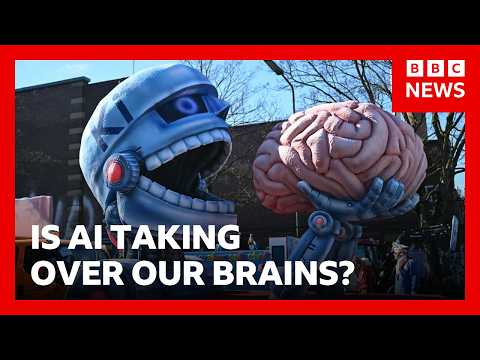
Are we losing our minds to AI? | BBC News
0
林宜悉 posted on 2026/07/18Are we outsourcing our thinking to AI? This fascinating BBC News clip dives into whether AI is enhancing human intelligence or quietly eroding our skills, featuring insights from a neurosurgeon and a digital technology researcher. You'll explore the concept of 'cognitive offloading' and pick up key phrases for discussing AI's impact on expertise and decision-making.
Learn this video on the APP!
The VoiceTube App has more in-depth practice for videos!