
alphabet
US /ˈælfəˌbɛt, -bɪt/
UK /ˈælfəbet/
- Noun
- Letters, symbols, characters of a written language
B1Morealphabetically
US /ˌælfə'betɪklɪ/
UK /ˌælfə'betɪklɪ/
- Adverb
- In the order of the letters of an alphabet
B1Morearbitrarily
US /ˌɑrbəˈtrɛrəlɪ/
UK /'ɑ:bɪtrəlɪ/
- Adverb
- Without using reason, often unfairly; on a whim
B1Moreat least
US /æt list/
UK /æt li:st/
- Adverb
- As a minimum
- Not less than
- Phrase
- No less than; at the minimum
- Used to indicate that something is positive in a bad situation.
C2Moreawesome
US /ˈɔsəm/
UK /'ɔ:səm/
- Adjective
- Great; wonderful; stupendous
B2TOEICMoreawkward
US /ˈɔkwəd/
UK /ˈɔ:kwəd/
- Adjective
- Lacking smooth movement
- Causing embarrassment or trouble
B1Morecapital
US /ˈkæpɪtl/
UK /'kæpɪtl/
- Noun
- Writing the first letter of a word in big letters
- Official main city of a country, province or state
- Adjective
- Main, or major
- (Of an offense) liable to the death penalty.
A2Morechromosome
US /ˈkroʊməsoʊm/
UK /ˈkrəʊməsəʊm/
- Noun
- Cell structures that carry the genetic material
C2Morecomparison
US /kəmˈpærɪsən/
UK /kəmˈpærɪsn/
- Noun (Countable/Uncountable)
- Act of comparing things
- The quality or state of being similar or alike.
A2Moreconfess
US /kənˈfɛs/
UK /kən'fes/
- Verb (Transitive/Intransitive)
- To admit that you did something wrong
B1Morecurious
US /ˈkjʊriəs/
UK /ˈkjʊəriəs/
- Adjective
- Wanting to know more about something
- Attracting interest by being strange or unusual
A2Moredominant
US /ˈdɑmənənt/
UK /ˈdɒmɪnənt/
- Adjective
- The strongest; most powerful
- Being the most common, significant or important
- Noun
- (Music) The fifth note of a scale.
B1Moreexpression
US /ɪkˈsprɛʃən/
UK /ɪk'spreʃn/
- Noun (Countable/Uncountable)
- Act of making your thoughts and feelings known
- Group of words that have a specific meaning
A2TOEICMoregene
US /dʒin/
UK /dʒi:n/
- Noun
- Part of cell controlling development of a thing
B1Moregenetic
US /dʒəˈnɛtɪk/
UK /dʒəˈnetɪk/
- Adjective
- Of, relating to, or controlled by genes
- Relating to genes or heredity.
B1Moregenotype
US /'dʒenətaɪp/
UK /ˈdʒenətaɪp/
- Noun
- Group of organisms sharing a specific genes
C1Moregiant
US /ˈdʒaɪənt/
UK /'dʒaɪənt/
- Countable Noun
- Tall, large, and powerful human-like creatures
- Very successful, powerful person or organization
- Adjective
- Very large, or much bigger than other things
A2Morego ahead
US /ɡo əˈhɛd/
UK /ɡəu əˈhed/
- Phrasal Verb
- To start an activity; start doing, working etc.
- To give permission to do something
- Intransitive Verb
- To start or proceed with something
- To proceed despite potential obstacles or doubts.
A1Moregot to
US /ɡɑt tu/
UK /gɔt tu:/
- Verb (Transitive/Intransitive)
- To arrive at some place
- To have the opportunity or permission to do something
- Phrasal Verb
- To appeal to the emotions of; move
- To finally begin to start something after a delay
A1Moregrandfather
US /ˈɡrændˌfɑðɚ, ˈɡræn-/
UK /'ɡrænfɑ:ðə(r)/
- Countable Noun
- Your mother's or father's father
B2Moregrandmother
US /ˈɡrændˌmʌðɚ, ˈɡræn-/
UK /ˈgrænmʌðə(r)/
- Noun
- Your mother or father's mother
B2Morehandout
US /ˈhændˌaʊt/
UK /ˈhændaʊt/
- Countable Noun
- A piece of paper with information given in class
- something such as food, clothing, or money that is given free to someone who has a great need for it
B2Morehave to
US /hæv tu/
UK /ˈhæv tə/
- Auxiliary Verb
- Must do
A1Moreindividual
US /ˌɪndəˈvɪdʒuəl/
UK /ˌɪndɪˈvɪdʒuəl/
- Countable Noun
- Single person, looked at separately from others
- A single thing or item, especially when part of a set or group.
- Adjective
- Made for use by one single person
- Having a distinct manner different from others
A2Moreinherit
US /ɪnˈhɛrɪt/
UK /ɪn'herɪt/
- Transitive Verb
- To have a quality or feature passed down at birth
- To receive property or money after someone dies
B1Moreinheritance
US /ɪnˈhɛrɪtəns/
UK /ɪnˈherɪtəns/
- Noun (Countable/Uncountable)
- Past ideals, styles still important in the present
- Act of receiving property or money after a death
B1Morelead to
US /lid tu/
UK /li:d tu:/
- Phrasal Verb
- To result in some action
- Verb (Transitive/Intransitive)
- To have something as a consequence or result.
A1Morelook around
US /lʊk əˈraʊnd/
UK /luk əˈraund/
- Phrasal Verb
- To explore a place; search for something.
A1Morelook at
US /lʊk æt/
UK /luk æt/
- Phrasal Verb
- To use your eyes to focus on something
- To focus your eyes on something carefully
A1Morenext to
US /nɛkst tu/
UK /nekst tu:/
- Preposition
- Being located along side another
- In comparison with
- Adverb
- Almost; nearly
A1Moreordinary
US /ˈɔ:rdneri/
UK /'ɔ:dnrɪ/
- Adjective
- Normal or usual
- Of the rank of ordinary seaman.
- Noun
- An ecclesiastical judge or official having ordinary jurisdiction in a given area.
- Any of several simple and basic geometrical figures.
A2TOEICMorepause
US /pɔz/
UK /pɔ:z/
- Verb (Transitive/Intransitive)
- To stop doing for a while before continuing
- To temporarily interrupt the execution of a program or process.
- Noun (Countable/Uncountable)
- A temporary break before continuing
- Function on a device to stop and restart it
A2Morepedigree
US /ˈpɛdɪˌɡri/
UK /ˈpedɪgri:/
- Noun
- History of a particular family or animal
C1Morepoint out
US /pɔɪnt aʊt/
UK /pɔint aut/
- Phrasal Verb
- To make others aware of an idea
- To draw attention to something or someone
A1Morepretend
US /prɪˈtɛnd/
UK /prɪ'tend/
- Verb (Transitive/Intransitive)
- To act as if something is true when it is not
- Adjective
- Not real; imaginary.
A2TOEICMorerandom
US /ˈrændəm/
UK /'rændəm/
- Adjective
- Chosen, done without a particular plan or pattern
B1Morerecessive
US /rɪˈsɛsɪv/
UK /rɪˈsesɪv/
- Adjective
- (Of genes) not appearing but remaining hidden
C2Moreregardless of
US /rɪˈɡɑrdlɪs ʌv/
UK /riˈɡɑ:dlis ɔv/
- Phrase
- Preposition
- Without being affected or influenced by something; despite.
A2Morerepresent
US /ˌrɛprɪˈzɛnt/
UK /ˌreprɪ'zent/
- Transitive Verb
- To depict art objects, figures, scenes; to portray
- To show or describe something in a particular way
A2TOEICMorereunion
US /riˈjunjən/
UK /ˌri:'ju:nɪən/
- Noun
- Act of people meeting after being apart
- Event to meet old school or college friends
B2Moresurvey
US /ˈsɜː(r)veɪ/
UK /'sɜ:veɪ/
- Noun (Countable/Uncountable)
- Broad view or general description of something
- Act of measuring land or property to make a map
- Transitive Verb
- To offer a broad view or general description
- To measure an area of land to make a map of it
A2TOEICMorethink about
US /θɪŋk əˈbaʊt/
UK /θiŋk əˈbaut/
- Phrasal Verb
- To consider something carefully.
- To remember or call to mind.
A1Moretiny
US /ˈtaɪni/
UK /'taɪnɪ/
- Adjective
- Very, very small
A2Moretrack
US /træk/
UK /træk/
- Transitive Verb
- To use marks to follow a wild animal
- To move a certain way/follow a particular course
- Noun
- A circular course for running
- Course or way someone takes, e.g. in education
A2TOEICMoretrait
US /tret/
UK /treɪt/
- Noun (Countable/Uncountable)
- A particular characteristic that can produce a particular type of behavior
- A genetically determined characteristic or condition.
C2Moretricky
US /ˈtrɪki/
UK /'trɪkɪ/
- Adjective
- Difficult, so needing skill to do or deal with
- Likely to use tricks; dishonest or deceptive
A2Moretypical
US /ˈtɪpɪkəl/
UK /ˈtɪpɪkl/
- Adjective
- Normal; usual; expected
- Serving as a representative example of a particular type.
A2More
Vocabulary
- have to: Must do
- look at: To use your eyes to focus on something
- point out: To make others aware of an idea
- think about: To consider something carefully.
- got to: To arrive at some place
- lead to: To result in some action
- look around: To explore a place; search for something.
- at least: As a minimum
- next to: Being located along side another
- go ahead: To start an activity; start doing, working etc.
- regardless of
- awkward: Lacking smooth movement
- individual: Single person, looked at separately from others
- awesome: Great; wonderful; stupendous
- pretend: To act as if something is true when it is not
- present: Being in attendance; being there; having turned up
- trait: A particular characteristic that can produce a particular type of behavior
- expression: Act of making your thoughts and feelings known
- realize: To become aware of or understand mentally
- tricky: Difficult, so needing skill to do or deal with
- random: Chosen, done without a particular plan or pattern
- curious: Wanting to know more about something
- express: To send something by fast mail
- represent: To depict art objects, figures, scenes; to portray
- track: To use marks to follow a wild animal
- capital: Writing the first letter of a word in big letters
- ordinary: Normal or usual
- tiny: Very, very small
- genetic: Of, relating to, or controlled by genes
- dominant: The strongest; most powerful
- typical: Normal; usual; expected
- pause: To stop doing for a while before continuing
- comparison: Act of comparing things
- giant: Tall, large, and powerful human-like creatures
- survey: Broad view or general description of something
- receive: To get something someone has given or sent to you
- important: Having power or authority
- fact: Something that is known or proved to be true
- simple: Not hard to understand or do; not complex
- alphabet: Letters, symbols, characters of a written language
- point: An item to be discussed
- reunion: Act of people meeting after being apart
- confess: To admit that you did something wrong
- pick: Sharp tool used for breaking the ground
- inherit: To have a quality or feature passed down at birth
- remember: To give someone a gift, e.g. birthday, wedding
- mistake: Something done wrong/calculated wrong; error
- include: To make someone, something part of a group
- chromosome: Cell structures that carry the genetic material
- understand: To know the meaning of language, what someone says
- carry: To have a child, be pregnant
- gene: Part of cell controlling development of a thing
- choose: To select; decide between several possibilities
- inheritance: Past ideals, styles still important in the present
- recessive: (Of genes) not appearing but remaining hidden
- handout: A piece of paper with information given in class
- arbitrarily: Without using reason, often unfairly; on a whim
- pedigree: History of a particular family or animal
- grandmother: Your mother or father's mother
- alphabetically: In the order of the letters of an alphabet
- grandfather: Your mother's or father's father
- genotype: Group of organisms sharing a specific genes
Get the full experience in the app
Learn anywhere with detailed sentence and usage analysis
01:03
She took a brave step forward, leaving behind her comfort zone to chase her dreams.
Vocabulary
- brave
adj. Having courage
- comfort zone
phr. A familiar situation where one feels safe
Explanation
a brave step is a noun phrase, where brave is an adjective modifying the noun step, meaning "a courageous step".
forward is an adverb modifying step, meaning "ahead".
The whole phrase serves as the object, answering the "what" of took (verb) — she took a brave step forward.
Get the full experience in the app
Look up words anytime with pronunciation, part of speech, and usage
brave
US/brev/
UK/breɪv/
adj.Brave
v.t.To bravely face
A2 Elementary
Get the full experience in the app
Practice speaking anytime and get instant pronunciation feedback
Try this speaking exercise.
Try practicing with this sentence.
80
0
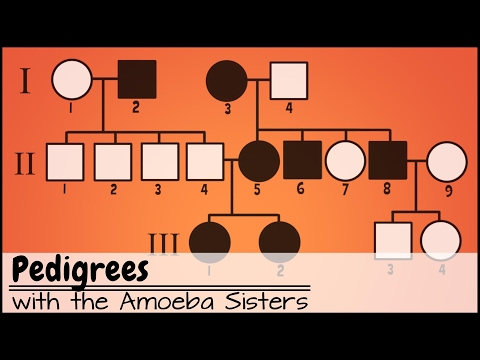
Jasmine Chen posted on 2026/07/06Ever wondered what those circles and squares in genetics actually mean? This video breaks down pedigrees, explaining how they map out inherited traits across generations using a fun, relatable example of earlobe types! You'll learn key terms like 'autosomal recessive' and 'carrier' that are super useful for understanding genetics.
Learn this video on the APP!
The VoiceTube App has more in-depth practice for videos!