
almost all of
US
UK
- Determiner
- Nearly the entire quantity or number of something.
- Pronoun
- Nearly every person in a group.
A1Morearound the world
US /əˈraʊnd ði wɜrld/
UK /əˈraund ðə wɜː(r)ld/
- Phrase
- In or to many countries.
- In various places throughout the world.
A2Moreas soon as
US /æz sun æz/
UK /æz su:n æz/
- Phrase
- In a short time after (something happens)
- Without any delay; immediately
- Conjunction
- At the moment that, or immediately after.
A1Moreas well as
US /æz wɛl æz/
UK /æz wel æz/
- Adverb
- Also; in addition to
- Preposition
- In addition to; and also.
A1Moreat least
US /æt list/
UK /æt li:st/
- Adverb
- As a minimum
- Not less than
- Phrase
- No less than; at the minimum
- Used to indicate that something is positive in a bad situation.
C2Moreat some point
US /æt sʌm pɔɪnt/
UK /æt sʌm pɔint/
- Phrase
- At an unspecified time, usually in the future.
A1Moreat sunrise
US
UK
- Phrase
- At the time when the sun first appears in the morning.
A1Moreat the same time
US
UK
- Phrase
- Simultaneously; at the identical moment.
- Nevertheless; however; used to introduce a contrasting or qualifying statement.
A1Moreattack
US /əˈtæk/
UK /ə'tæk/
- Transitive Verb
- To try to destroy, beat, or injure
- Noun
- Act intended to hurt someone physically, mentally
A2Moreattract
US /əˈtrækt/
UK /ə'trækt/
- Transitive Verb
- To make something move closer using magnetic force
- To make someone notice and become interested in
A2TOEICMoreavoid
US /əˈvɔɪd/
UK /ə'vɔɪd/
- Transitive Verb
- To prevent from happening
- To stay away from
A2TOEICMoreback into
US /bæk ˈɪntu/
UK /bæk ˈɪntuː/
- Phrasal Verb
- To drive a vehicle backwards into a space or area.
- To accidentally collide with something while moving backwards.
A1Moreback out
US /bæk aʊt/
UK /bæk aut/
- Phrasal Verb
- To say you will now not do something you promised
A1Moreback up
US /bæk ʌp/
UK /bæk ʌp/
- Phrasal Verb
- To save a copy of your computer data
- To confirm the truth of what someone says
A1Morebear on
US
UK
- Phrasal Verb
- To have an influence or effect on something.
below the surface
US /bəˈloʊ ðə ˈsɝfɪs/
UK /bɪˈləu ðə ˈsɜ:fɪs/
- other
- Hidden emotions or issues not immediately visible.
B2Morebite
US /baɪt/
UK /baɪt/
- Noun (Countable/Uncountable)
- Amount of food taken into your mouth at one time
- Wound left from being bitten
- Intransitive Verb
- (E.g. of fish) to take bait and be caught
A2Morebull
US /bʊl/
UK /bʊl/
- Countable Noun
- Large male animal such as a cow or elephant
- Uncountable Noun
- Nonsense; untrue or foolish statements
B1Morecape
US /kep/
UK /keɪp/
- Noun (Countable/Uncountable)
- Clothing without sleeves worn over the shoulders
- Large area of land that sticks out into a sea
B1Moreclose by
US /kloz baɪ/
UK /kləuz bai/
- Adverb
- Near in distance; nearby.
- Phrase
- In a position or location that is near.
A2Morecoast
US /kost/
UK /kəʊst/
- Noun
- Land near the sea or ocean
- Intransitive Verb
- To progress in something without trying hard
- (Of a vehicle) to move forward without power
A2TOEICMorecoastal
US /ˈkoʊstl/
UK /ˈkəʊstl/
- Adjective
- Concerning the area of sea near land
A2Morecoastline
US /ˈkoʊstlaɪn/
UK /ˈkəʊstlaɪn/
- Noun
- Area of sea alongside the land in an area
C1Morecod
US /kɑ:d/
UK /kɒd/
- Noun (Countable/Uncountable)
- Type of large fish that is often eaten
B2Morecome back
US /kʌm bæk/
UK /kʌm bæk/
- Phrasal Verb
- To reply to someone, often forcefully
- To be remembered
A1Morecome up
US /kʌm ʌp/
UK /kʌm ʌp/
- Phrasal Verb
- To come closer to someone; approach
- (Of sun) to rise into the sky in the morning
A1Morecoming over
US
UK
- Phrasal Verb
- To change sides in a discussion
- To visit someone's home
A1Moredamage
US /ˈdæmɪdʒ/
UK /ˈdæmɪdʒ/
- Noun (Countable/Uncountable)
- Physical harm that is done to something
- Transitive Verb
- To harm physically; to hurt or break something
- To harm the reputation of someone.
A2TOEICMoredue to
US /du tu/
UK /dju: tu:/
- Preposition
- Because of; owing to
- Adjective
- Attributable to; caused by.
A1Moreemerged as
US
UK
- Phrasal Verb
- To become known or apparent; to come forth as.
B2Morefatal
US /ˈfetl/
UK /ˈfeɪtl/
- Adjective
- Causing death; having very bad consequences
- Causing negative results
B1Morefeed
US /fid/
UK /fi:d/
- Transitive Verb
- To give food, e.g. to animals or a baby
- To push something through an opening
- Uncountable Noun
- Food given to animals
A2TOEICMorefeed on
US /fid ɑn/
UK /fi:d ɔn/
- Phrasal Verb
- To eat a particular food.
- To increase or become stronger because of something.
A1Morefeeding frenzy
US /ˈfidɪŋ ˈfrɛnzi/
UK /ˈfi:dɪŋ ˈfrenzi/
- other
- A state of intense aggressive activity or excitement.
C1Morefeel like
US
UK
- Intransitive Verb
- To have a desire or inclination for something.
- To have a particular quality or sensation; resemble.
A1Morefor example
US
UK
- Phrase
- As an illustration or instance.
get about
US /ɡɛt əˈbaʊt/
UK /ɡet əˈbaut/
- Phrasal Verb
- To go out a lot; travel widely
A1Moreget on it
US /ɡɛt ɑn ɪt/
UK /ɡet ɒn ɪt/
- other
- To start working on a task or action promptly.
B1Morego away
US /ɡo əˈwe/
UK /ɡəu əˈwei/
- Phrasal Verb
- To go on vacation
- To leave; depart.
A1Morego out
US /ɡo aʊt/
UK /ɡəu aut/
- Phrase
- To leave a building (e.g. a house)
- Phrasal Verb
- (Of a fire) to burn out; be extinguished
- Go out of fashion to stop being fashionable
A1Moregot to
US /ɡɑt tu/
UK /gɔt tu:/
- Verb (Transitive/Intransitive)
- To arrive at some place
- To have the opportunity or permission to do something
- Phrasal Verb
- To appeal to the emotions of; move
- To finally begin to start something after a delay
A1Moregrab
US /ɡræb/
UK /ɡræb/
- Transitive Verb
- To take and hold something quickly
A2Moregrow up
US /ɡro ʌp/
UK /ɡrəu ʌp/
- Phrasal Verb
- To develop from a child into an adult
A1Morehand out
US /hænd aʊt/
UK /hænd aut/
- Phrasal Verb
- To distribute papers (often in class)
A1Morehands down
US
UK
- Phrasal Verb
- To give (clothes, etc.) to someone younger
- Adverb
- Without a doubt; easily and decisively.
A1Morehave to
US /hæv tu/
UK /ˈhæv tə/
- Auxiliary Verb
- Must do
A1Morehighly unlikely
US
UK
- Adjective
- Not likely to happen or be true; improbable.
B1Morehold onto
US /hold ˈɑnˌtu/
UK /həuld ˈɔntu/
- Phrasal Verb
- To grasp or grip something tightly.
- To keep or retain possession of something.
A1Morein broad daylight
US /ɪn brɔd ˈdeˌlaɪt/
UK /in brɔ:d ˈdeilait/
- Phrase
- Openly and brazenly, especially during the day when it is easily visible.
B1Morein contrast to
US /ɪn ˈkɑntræst tu/
UK /in ˈkɔntræst tu:/
- Phrase
- Differing from something else
A1Morein on
US
UK
- Phrase
- To be involved in a secret or plan.
- To be aware of something that is secret or not generally known.
A1Morein order to
US /ɪn ˈɔrdɚ tu/
UK /in ˈɔ:də tu:/
- Preposition
- For the purpose of; with the aim of.
- Phrase
- In a specific sequence or arrangement.
- With the aim of; for the purpose of.
C1Morein pursuit
US
UK
- Phrase
- Following or chasing someone or something, typically to catch them.
- Trying to achieve something, often a goal or ambition.
C2Morein retrospect
US /ɪn ˈrɛtrəˌspɛkt/
UK /in ˈretrəspekt/
- Uncountable Noun
- Thinking back on what happened
C1Morein sight
US /ɪn saɪt/
UK /in sait/
- Phrase
- Visible; able to be seen.
- Near to being achieved; imminent.
in terms of
US
UK
- Phrase
- With regard to; concerning a particular aspect.
A1Morein the air
US
UK
- Phrase
- Present or circulating in the atmosphere.
- Felt or sensed by many people; circulating as a rumor or feeling.
- Adjective
- Being broadcast on radio or television.
A1Morein trouble
US /ɪn ˈtrʌbəl/
UK /in ˈtrʌbl/
- Adjective
- Experiencing difficulties, problems, or legal issues.
- other
- In serious trouble or difficulty.
A1Moreinstead of
US /ɪnˈstɛd ʌv/
UK /inˈsted ɔv/
- Preposition
- When one thing is replaced by another
- Adverb
- As a substitute or alternative.
A1Moreinteract with
US /ˌɪntɚˈækt wɪð/
UK /ˌɪntərˈækt wið/
- Phrase
- Verb (Transitive/Intransitive)
- To engage in communication or action involving mutual or reciprocal influence.
- To use a computer interface to achieve a specific goal.
A2Morejust kind of
US
UK
- Phrase
- Used to express a feeling or state in a vague or hesitant way.
- Used to indicate something is approximately or generally similar to something else.
A2Morelook at
US /lʊk æt/
UK /luk æt/
- Phrasal Verb
- To use your eyes to focus on something
- To focus your eyes on something carefully
A1Morelook over
US
UK
- Phrasal Verb
- To check something to see it works well; inspect
- To examine or inspect something quickly.
A1Morelooking out
US
UK
- Phrasal Verb
- To take care and watch something carefully
- To be careful; to be vigilant
- Intransitive Verb
- To be careful or vigilant
A1Moremove along
US /muv əˈlɔŋ/
UK /mu:v əˈlɔŋ/
- Phrasal Verb
- To make progress; advance.
- To tell someone to leave or keep moving.
B1Moremove around
US /muv əˈraʊnd/
UK /mu:v əˈraund/
- Phrasal Verb
- To change position or location; to go from place to place.
- Intransitive Verb
- To spread or circulate (e.g., information, rumors).
move away
US /muv əˈwe/
UK /mu:v əˈwei/
- Phrasal Verb
- To relocate; to go and live in a different place.
- To physically create distance; to step back or aside.
A2Moremove back
US /muv bæk/
UK /mu:v bæk/
- Phrasal Verb
- To retreat or withdraw from a position.
- To reposition or shift something to a previous location.
A2Moremove closer
US
UK
- Verb (Transitive/Intransitive)
- To reduce the distance between two objects or people.
- To develop a more intimate or involved relationship.
A1Moremovement
US /ˈmuvmənt/
UK /ˈmu:vmənt/
- Noun (Countable/Uncountable)
- Part of a piece of classical music
- Group with a shared interest or goal
A2Moremurky
US /ˈmɜrki/
UK /ˈmɜ:ki:/
- Adjective
- Being dark, unclear, and difficult to see through
B2Morenumber of people
US /ˈnʌmbɚ ʌv ˈpipəl/
UK /ˈnʌmbə ɔv ˈpi:pl/
- Phrase
- The total count of individuals within a group or gathering.
- A statistical figure representing the population size or a subset thereof.
A1Moreof a sudden
US
UK
- Phrase
- Quickly and unexpectedly; suddenly.
B2Moreof course
US /ʌv kɔː(r)s/
UK /ɔv kɔː(r)s/
- Adverb
- Sure ; Certainly
- Phrase
- For sure; certainly
A2Moreoff the bat
US /ɔf ði bæt/
UK /ɔf ðə bæt/
- Phrase
- Immediately; without delay.
- Referring to the moment a baseball leaves the bat after being hit.
A1Moreon the beach
US
UK
- Phrase
- Located on the sandy or pebbly area bordering a body of water.
A1Moreon the block
US
UK
- Phrase
- Available for sale; up for auction.
- At risk of being eliminated or terminated.
A1Moreon the inside
US /ɑn ði ɪnˈsaɪd/
UK /ɔn ðə inˈsaid/
- Phrase
- Having a position of authority or influence within an organization or system.
- In prison; incarcerated.
- Adjective
- Possessing secret or confidential information.
A1Moreon the rise
US /ɑn ði raɪz/
UK /ɔn ðə raiz/
- Adjective
- Increasing; becoming more popular or common.
- Becoming more successful in a career or field.
- Phrase
- Increasing in popularity.
A1Moreout of nowhere
US
UK
- Phrase
- Suddenly and unexpectedly; from an unknown place or source.
out there
US /aʊt ðɛr/
UK /aut ðɛə/
- Adverb
- In or to a place that is far away
- Existing in the universe
- Adjective
- Unconventional; strange; avant-garde
- Existing or available.
A1Morepaddle
US /ˈpædl/
UK /ˈpædl/
- Countable Noun
- Long stick with a flat end used to move a boat
- Wide and flat instrument used to mix food
- Verb (Transitive/Intransitive)
- To move a boat across water with flat-ended sticks
- To swim like a dog
B1Morepick out
US /pɪk aʊt/
UK /pik aut/
- Phrasal Verb
- To choose or select one item from many
- To distinguish or recognize something or someone from a group.
A1Moreplay in
US
UK
- Phrasal Verb
- To participate or compete in a game or competition.
- To have a role in a theatrical production.
A1Moreplot out
US /plɑt aʊt/
UK /plɒt aʊt/
- other
- To plan or map something in detail.
B2Morepopulation
US /ˌpɑpjəˈleʃən/
UK /ˌpɒpjuˈleɪʃn/
- Noun (Countable/Uncountable)
- Number of people who live in a country, area etc.
- A group of individuals of one species living in a particular area.
A2TOEICMorepredator
US /ˈprɛdətɚ, -ˌtɔr/
UK /'predətə(r)/
- Countable Noun
- An animal that hunts and kills other animals
- Person preying on the weak to gain advantage
B1Morepredatory
US /ˈprɛdəˌtɔri, -ˌtori/
UK /'predətrɪ/
- Adjective
- Preying on the weak to gain an advantage
- Relating to or characteristic of a predator; preying on other animals.
B1Moreprey
US /pre/
UK /preɪ/
- Intransitive Verb
- To hunt (other animals) in order to eat them
- Noun (Countable/Uncountable)
- The victim of another person's aggression
- The victim of another person's aggression
B1Moreput back
US /pʊt bæk/
UK /put bæk/
- Phrasal Verb
- To return something to the proper place
A1Morerarely
US /ˈrɛrli/
UK /ˈrɛəli/
- Adverb
- Not often (seen, done, etc.); infrequently
A2TOEICMorerather than
US
UK
- Adverb
- More exactly; more correctly
- Preferably; instead
- Preposition
- Instead of
A1Morerely on
US /rɪˈlaɪ ɑn/
UK /riˈlai ɔn/
- Phrasal Verb
- To depend on someone or something
A2Moreresponsible
US / rɪˈspɑnsəbəl/
UK /rɪ'spɒnsəbl/
- Adjective
- Being the cause of something that has occurred
- Having the duty of dealing with something
A2TOEICMoreresult in
US /rɪˈzʌlt ɪn/
UK /riˈzʌlt in/
- Phrasal Verb
- To cause or produce as a consequence.
right off the bat
US /raɪt ɔf ðə bæt/
UK /raɪt ɒf ðə bæt/
- other
- Immediately; from the very beginning or start.
B2Moresame time
US
UK
- Phrase
- Occurring simultaneously or at the same point in time.
- At the identical time as before; recurring at a fixed hour.
- Noun
- An equal duration or period.
A1Moreseal
US /sil/
UK /si:l/
- Transitive Verb
- To close tightly to protect it from leaking
- To close an envelop or package
- Noun
- Large fish-eating animal that lives on sea or land
- Official mark made in hot wax to close a document
B1Moreshallow
US /ˈʃælo/
UK /'ʃæləʊ/
- Adjective
- Not deep; short from top to bottom
- Lacking interest in serious things; superficial
B1TOEICMoreshark
US /ʃɑ:rk/
UK /ʃɑ:k/
- Noun
- Person who lends money at unfair rates of interest
- Large and dangerous fish with sharp teeth
B2Moreshore
US /ʃɔr, ʃor/
UK /ʃɔ:(r)/
- Noun
- Land along the edge of a sea, lake or river
B1Morespinner
US /ˈspɪnɚ/
UK /'spɪnə(r)/
- Countable Noun
- Board with a spinning arrow used in some games
- Someone who spins a ball when throwing it
B1Morespread out
US /sprɛd aʊt/
UK /spred aut/
- Phrasal Verb
- To extend or stretch over a large area.
- To arrange things so that they cover a large area.
B2Morestay away
US /ste əˈwe/
UK /stei əˈwei/
- Phrasal Verb
- To keep a distance from something or someone; to avoid approaching.
- To remain absent from a place or event.
C2Morestop at nothing
US /stɑp æt ˈnʌθɪŋ/
UK /stɒp æt ˈnʌθɪŋ/
- other
- To be willing to do anything to achieve something.
C1Morestrike
US /straɪk/
UK /straɪk/
- Transitive Verb
- To hit something
- To remove or erase.
- Noun (Countable/Uncountable)
- A punch or hit
- Fact of not hitting the ball when playing baseball
A2TOEICMoresuch as
US /sʌtʃ æz/
UK /sʌtʃ æz/
- Preposition
- For example; like
A1Moresurf
US /sɜ:rf/
UK /sɜ:f/
- Intransitive Verb
- To view webpages on the internet
- To ride the waves of the sea on a surfboard
- Uncountable Noun
- The ocean waves crashing against a beach
B1Moresurface
US /ˈsɚfəs/
UK /'sɜ:fɪs/
- Transitive Verb
- To give (road) a top layer
- Intransitive Verb
- To appear after being hidden, unseen, or unknown
- To come to the top of something; emerge
A2TOEICMoresurfer
US /ˈsɜ:rfər/
UK /ˈsɜ:fə(r)/
- Countable Noun
- Person riding the waves on a surfboard
B1Moreswim in
US
UK
- Phrasal Verb
- To move through water by using your arms and legs.
- Intransitive Verb
- To have a lot of something.
A1Morethink about
US /θɪŋk əˈbaʊt/
UK /θiŋk əˈbaut/
- Phrasal Verb
- To consider something carefully.
- To remember or call to mind.
A1Morethink of
US /θɪŋk ʌv/
UK /θiŋk ɔv/
- Phrasal Verb
- To look on as (being something specific); consider
- To consider or remember something.
- Verb (Transitive/Intransitive)
- To imagine or call something to mind
A1Moretiger
US /ˈtaɪɡɚ/
UK /ˈtaɪgə(r)/
- Countable Noun
- Large wild cat with orange fur and black lines
B1Moreto do with
US
UK
- Phrasal Verb
- To be about something; concern
A1Moreto let
US /tu lɛt/
UK /tu let/
- Preposition
- Indicates that a property is available for rent.
A2Moreto some extent
US /tu sʌm ɪkˈstɛnt/
UK /tu: sʌm iksˈtent/
- Phrase
- Partially; not completely.
A1Moreto the bone
US /tu ði bon/
UK /tu: ðə bəun/
- Phrase
- Thoroughly; completely; to the innermost part.
- Extremely; utterly; to a great degree.
unusual
US /ʌnˈjuʒuəl/
UK /ʌnˈju:ʒuəl/
- Adjective
- Being rare or uncommon; not ordinary; strange
- Remarkable or interesting because different from or better than others.
B1Moreup close and personal
US /ʌp kloʊs ənd ˈpɜrsənəl/
UK /ʌp kləuz ənd ˈpɜ:snəl/
- other
- Very near or intimately, often in detail or physically close.
B2Moreup there
US /ʌp ðɛr/
UK /ʌp ðɛə/
- Adverb
- In or to a higher place or position; far away.
- In heaven.
A1Morewave in
US /weɪv ɪn/
UK /weɪv ɪn/
- other
- Signal or gesture for someone to enter a place.
B2More
Vocabulary
- out there: In or to a place that is far away
- come back: To reply to someone, often forcefully
- in terms of
- as soon as: In a short time after (something happens)
- due to: Because of; owing to
- back into: To drive a vehicle backwards into a space or area.
- look at: To use your eyes to focus on something
- stay away: To keep a distance from something or someone; to avoid approaching.
- think of: To look on as (being something specific); consider
- up there: In or to a higher place or position; far away.
- at least: As a minimum
- in on: To be involved in a secret or plan.
- number of people: The total count of individuals within a group or gathering.
- such as: For example; like
- back up: To save a copy of your computer data
- come up: To come closer to someone; approach
- for example: As an illustration or instance.
- emerged as: To become known or apparent; to come forth as.
- move away: To relocate; to go and live in a different place.
- spread out: To extend or stretch over a large area.
- plot out: To plan or map something in detail.
- in order to: For the purpose of; with the aim of.
- up close and personal: Very near or intimately, often in detail or physically close.
- think about: To consider something carefully.
- of course: Sure ; Certainly
- in the air: Present or circulating in the atmosphere.
- feel like: To have a desire or inclination for something.
- to some extent: Partially; not completely.
- instead of: When one thing is replaced by another
- go away: To go on vacation
- to let: Indicates that a property is available for rent.
- rather than: More exactly; more correctly
- get on it: To start working on a task or action promptly.
- in retrospect: Thinking back on what happened
- pick out: To choose or select one item from many
- in trouble: Experiencing difficulties, problems, or legal issues.
- almost all of: Nearly the entire quantity or number of something.
- in sight: Visible; able to be seen.
- go out: To leave a building (e.g. a house)
- hold onto: To grasp or grip something tightly.
- move along: To make progress; advance.
- at some point: At an unspecified time, usually in the future.
- have to: Must do
- feeding frenzy: A state of intense aggressive activity or excitement.
- move closer: To reduce the distance between two objects or people.
- in pursuit: Following or chasing someone or something, typically to catch them.
- result in: To cause or produce as a consequence.
- at sunrise: At the time when the sun first appears in the morning.
- wave in: Signal or gesture for someone to enter a place.
- hand out: To distribute papers (often in class)
- put back: To return something to the proper place
- in broad daylight: Openly and brazenly, especially during the day when it is easily visible.
- swim in: To move through water by using your arms and legs.
- around the world: In or to many countries.
- on the rise: Increasing; becoming more popular or common.
- play in: To participate or compete in a game or competition.
- rely on: To depend on someone or something
- move around: To change position or location; to go from place to place.
- to the bone: Thoroughly; completely; to the innermost part.
- back out: To say you will now not do something you promised
- close by: Near in distance; nearby.
- off the bat: Immediately; without delay.
- right off the bat: Immediately; from the very beginning or start.
- of a sudden: Quickly and unexpectedly; suddenly.
- move back: To retreat or withdraw from a position.
- stop at nothing: To be willing to do anything to achieve something.
- highly unlikely: Not likely to happen or be true; improbable.
- in contrast to: Differing from something else
- coming over: To change sides in a discussion
- on the beach: Located on the sandy or pebbly area bordering a body of water.
- looking out: To take care and watch something carefully
- below the surface: Hidden emotions or issues not immediately visible.
- as well as: Also; in addition to
- on the block: Available for sale; up for auction.
- hands down: To give (clothes, etc.) to someone younger
- interact with
- bear on: To have an influence or effect on something.
- get about: To go out a lot; travel widely
- out of nowhere: Suddenly and unexpectedly; from an unknown place or source.
- just kind of: Used to express a feeling or state in a vague or hesitant way.
- grow up: To develop from a child into an adult
- on the inside: Having a position of authority or influence within an organization or system.
- at the same time: Simultaneously; at the identical moment.
- same time: Occurring simultaneously or at the same point in time.
- look over: To check something to see it works well; inspect
- got to: To arrive at some place
- feed on: To eat a particular food.
- to do with: To be about something; concern
- grab: To take and hold something quickly
- strike: To hit something
- increase: To make or become larger in size or amount
- predator: An animal that hunts and kills other animals
- avoid: To prevent from happening
- state: Region within a country, with its own government
- surface: To give (road) a top layer
- prey: To hunt (other animals) in order to eat them
- population: Number of people who live in a country, area etc.
- fatal: Causing death; having very bad consequences
- responsible: Being the cause of something that has occurred
- shallow: Not deep; short from top to bottom
- pretty: Being attractive to the eye in a simple way
- seal: To close tightly to protect it from leaking
- shore: Land along the edge of a sea, lake or river
- movement: Part of a piece of classical music
- lot: What happens to a person in life from chance; fate
- rarely: Not often (seen, done, etc.); infrequently
- coast: Land near the sea or ocean
- hit: To have a negative impact on a person/place/thing
- kind: In a caring and helpful manner
- storm: To act violently or angrily
- attract: To make something move closer using magnetic force
- murky: Being dark, unclear, and difficult to see through
- damage: Physical harm that is done to something
- stand: To be a candidate in an election
- rise: To wake up and get out of bed after sleeping
- drive: A person's ambition and motivation to do something
- great: Very good; better than before
- perfect: So good it cannot be improved
- remember: To give someone a gift, e.g. birthday, wedding
- feed: To give food, e.g. to animals or a baby
- bite: Amount of food taken into your mouth at one time
- deep: Complex and important
- fast: In a way that is difficult to move or change
- unusual: Being rare or uncommon; not ordinary; strange
- attack: To try to destroy, beat, or injure
- coastal: Concerning the area of sea near land
- predatory: Preying on the weak to gain an advantage
- coastline: Area of sea alongside the land in an area
- paddle: Long stick with a flat end used to move a boat
- cape: Clothing without sleeves worn over the shoulders
- surf: To view webpages on the internet
- bull: Large male animal such as a cow or elephant
- cod: Type of large fish that is often eaten
- shark: Person who lends money at unfair rates of interest
- spinner: Board with a spinning arrow used in some games
- surfer: Person riding the waves on a surfboard
- tiger: Large wild cat with orange fur and black lines
Get the full experience in the app
Learn anywhere with detailed sentence and usage analysis
01:03
She took a brave step forward, leaving behind her comfort zone to chase her dreams.
Vocabulary
- brave
adj. Having courage
- comfort zone
phr. A familiar situation where one feels safe
Explanation
a brave step is a noun phrase, where brave is an adjective modifying the noun step, meaning "a courageous step".
forward is an adverb modifying step, meaning "ahead".
The whole phrase serves as the object, answering the "what" of took (verb) — she took a brave step forward.
Get the full experience in the app
Look up words anytime with pronunciation, part of speech, and usage
brave
US/brev/
UK/breɪv/
adj.Brave
v.t.To bravely face
A2 Elementary
Get the full experience in the app
Practice speaking anytime and get instant pronunciation feedback
Try this speaking exercise.
Try practicing with this sentence.
80
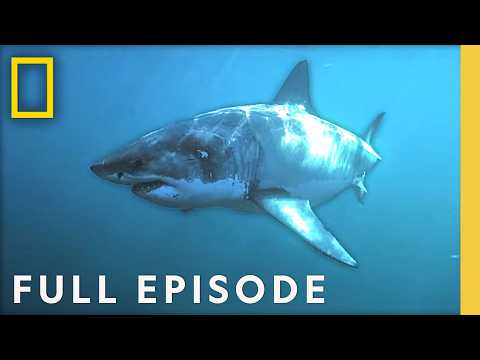
Why Are American Beaches Suddenly Crawling With Sharks? (Full Episode) | National Geographic
0
林宜悉 posted on 2026/07/03Ever wondered why sharks are suddenly making a splash off the coast of Cape Cod? This fascinating National Geographic episode dives into the surprising reasons behind the increase in great white shark sightings, exploring the delicate balance between seal populations and marine predators. You'll pick up some great vocabulary about wildlife conservation and the complex relationship between humans and nature!
Learn this video on the APP!
The VoiceTube App has more in-depth practice for videos!