
above all
US /əˈbʌv ɔl/
UK /əˈbʌv ɔ:l/
- Phrase
- Most importantly; more than anything else.
A1Moreaccess
US /ˈæksɛs/
UK /'ækses/
- Noun (Countable/Uncountable)
- Way to enter a place, e.g. a station or stadium
- The opportunity or right to use something or to see someone.
- Transitive Verb
- To be able to use or have permission to use
A2TOEICMoreadapt
US /əˈdæpt/
UK /ə'dæpt/
- Transitive Verb
- To change something for a different function
- To change something to fit or suit a new purpose
- Intransitive Verb
- To change your behaviour so that it is easier to live in a new place or situation
B1TOEICMoreaffect
US /əˈfɛkt/
UK /ə'fekt/
- Transitive Verb
- To cause a change in something else
- To pretend to have or feel (something).
- Noun
- (Psychology) Emotion or feeling.
A2TOEICMoreat the moment
US
UK
- Adverb
- At this time; now
A1Moreavoid
US /əˈvɔɪd/
UK /ə'vɔɪd/
- Transitive Verb
- To prevent from happening
- To stay away from
A2TOEICMorebasically
US /ˈbesɪkəli,-kli/
UK /ˈbeɪsɪkli/
- Adverb
- Used before you explain something simply, clearly
- In essence; when you consider the most important aspects of something.
A2Morecare of
US /kɛr ʌv/
UK /kɛə ɔv/
- Preposition
- Used in an address to indicate the person who will receive the mail for someone else.
A2Morecatastrophic
US /ˌkætəˈstrɑfɪk/
UK /ˌkætə'strɒfɪk/
- Adjective
- Causing a lot of damage or suffering
B2Morecatch fire
US /kætʃ faɪr/
UK /kætʃ ˈfaiə/
- Intransitive Verb
- To start burning; to ignite.
A2Moreclimate
US /ˈklaɪmɪt/
UK /ˈklaɪmət/
- Noun (Countable/Uncountable)
- Typical weather conditions in a particular place
- The general attitudes, feelings, or opinions that people have at a particular time.
A2Morecondition
US /kənˈdɪʃən/
UK /kənˈdɪʃn/
- Transitive Verb
- To improve something to make it better
- To cause to behave automatically in a certain way
- Noun (Countable/Uncountable)
- Disease or other medical problem
- The state of living you are in, e.g. good health
A2Moreconstantly
US /ˈkɑnstəntlɪ/
UK /ˈkɒnstəntli/
- Adverb
- Frequently, or without pause
- In a way that is unchanging or faithful
B1Morecriticism
US /ˈkrɪtɪˌsɪzəm/
UK /ˈkrɪtɪsɪzəm/
- Noun (Countable/Uncountable)
- Article or essay that judges quality
- Negative judgment of something
A2Moredeal with
US /dil wɪð/
UK /di:l wið/
- Verb (Transitive/Intransitive)
- To buy or sell goods or services.
- Phrasal Verb
- To take action to solve a problem or manage a situation.
- To be about; concern.
A1Moredry out
US
UK
- Verb (Transitive/Intransitive)
- To remove moisture from something; to become completely dry.
- To detoxify and recover from addiction.
A1Moreemergency
US /ɪˈmɚdʒənsi/
UK /ɪ'mɜ:dʒənsɪ/
- Noun (Countable/Uncountable)
- Sudden event needing an immediate action
- A medical condition manifesting itself by acute symptoms of sufficient severity such that the absence of immediate medical attention could reasonably be expected to result in placing the patient's health in serious jeopardy.
- Adjective
- Used in an emergency; for use when something dangerous happens.
- Designed for use in an emergency.
A2TOEICMoreemotional
US /ɪˈmoʃənəl/
UK /ɪˈməʊʃənl/
- Adjective
- Causing, feeling, or appealing to the emotions
- Relating to or characterized by emotion
A2Moreevacuate
US /ɪˈvækjuˌet/
UK /ɪ'vækjʊeɪt/
- Transitive Verb
- To move people from dangerous to a safe places
B2Moreextreme
US /ɪkˈstrim/
UK /ɪk'stri:m/
- Adjective
- Very great in degree
- Farthest from a center
- Noun
- Effort that is thought more than is necessary
- The furthest point or limit of something.
B1Morefor example
US
UK
- Phrase
- As an illustration or instance.
fuel
US /ˈfjuəl/
UK /'fju:əl/
- Transitive Verb
- To give power to (a mob, anger, etc.); incite
- To provide gas or petrol for something
- Uncountable Noun
- Material used to produce heat or power when burned
A2TOEICMorehave to
US /hæv tu/
UK /ˈhæv tə/
- Auxiliary Verb
- Must do
A1Moreimpact
US /ˈɪmˌpækt/
UK /'ɪmpækt/
- Noun
- A striking effect or result to hit with force
- Act or force of one thing hitting something else
- Verb (Transitive/Intransitive)
- To hit or strike someone or something with force
- To have a strong effect on someone or something.
A2TOEICMorein danger
US /ɪn ˈdendʒɚ/
UK /in ˈdeindʒə/
- Phrase
- Exposed to the risk of harm, injury, or loss.
- At risk of experiencing something negative or harmful.
A1Morein excess of
US /ɪn ˈɛkˌsɛs ʌv/
UK /in ˈekses ɔv/
- Preposition
- More than.
- Phrase
- More than; exceeding.
A1Morein fact
US /ɪn fækt/
UK /in fækt/
- Adverb
- Used to emphasize the truth of a statement, especially one that contrasts with or contradicts something else.
- Used to introduce a more detailed or surprising piece of information.
- Phrase
- Used to emphasize the truth of a statement, especially one that is surprising or contrary to what might be expected.
C1Morein general
US /ɪn ˈdʒɛnərəl/
UK /in ˈdʒenərəl/
- Phrase
- Typically; usually; on the whole.
- Not specific or detailed; broadly.
- Adjective
- Not detailed or specific; overall.
C2Morein particular
US /ɪn pɚˈtɪkjəlɚ/
UK /in pəˈtikjulə/
- Phrase
- Specifically; especially.
- Detailed or precise.
A1Morein terms of
US
UK
- Phrase
- With regard to; concerning a particular aspect.
A1Morein the future
US /ɪn ði ˈfjutʃɚ/
UK /in ðə ˈfju:tʃə/
- Phrase
- At a later time; in times to come.
A1Morein the middle of
US
UK
- Phrase
- In the central part or point of something.
- Engaged or occupied with something.
A2Morein the past
US
UK
- Phrase
- During a former period of time; previously.
A1Morein ways
US
UK
- Phrase
- In a manner or by methods that.
- In certain respects or aspects.
A1Moreinstitute
US / ˈɪnstɪˌtut, -ˌtjut/
UK /'ɪnstɪtju:t/
- Noun (Countable/Uncountable)
- Organization studying science, engineering etc.
- A short intensive course of instruction, often focusing on a specific topic.
- Transitive Verb
- To start or commence doing, e.g. a business plan
- To establish or start (a system, rule, or course of action).
A2TOEICMorelight up
US /laɪt ʌp/
UK /lait ʌp/
- Phrasal Verb
- To illuminate something; to make something brighter with light.
- To ignite a cigarette, cigar, or pipe for smoking.
A1Morelights up
US
UK
- Phrasal Verb
- Third-person singular present tense of to illuminate something; to make something brighter with light.
- Third-person singular present tense of to ignite a cigarette, cigar, or pipe for smoking.
A1Morelook at
US /lʊk æt/
UK /luk æt/
- Phrasal Verb
- To use your eyes to focus on something
- To focus your eyes on something carefully
A1Morenext to
US /nɛkst tu/
UK /nekst tu:/
- Preposition
- Being located along side another
- In comparison with
- Adverb
- Almost; nearly
A1Morenorthern
US
UK
- Adjective
- In or toward the north
- Coming from the north.
- Noun
- A person who comes from the north.
- The Aurora Borealis.
B1Moreof course
US /ʌv kɔː(r)s/
UK /ɔv kɔː(r)s/
- Adverb
- Sure ; Certainly
- Phrase
- For sure; certainly
A2Moreon earth
US /ɑn ɚθ/
UK /ɔn ə:θ/
- Phrase
- Used to emphasize a question expressing surprise or anger.
- Used to emphasize that something is not possible or will not happen.
A1Moreon the ground
US
UK
- Phrase
- Located on the surface of the earth.
- Present and available in a particular place, especially to deal with a situation.
on top of that
US
UK
- Phrase
- In addition to something already mentioned; furthermore.
A1Morepollution
US /pəˈluʃən/
UK /pəˈlu:ʃn/
- Uncountable Noun
- Dangerous substances released into an environment
- The action of polluting; the state of being polluted.
B1TOEICMorepump
US /pʌmp/
UK /pʌmp/
- Verb (Transitive/Intransitive)
- To make liquid or gas flow in a particular direction
- To make water/other liquid move using a machine
- Noun
- A device more moving liquids
- Light woman's shoe
B1Moreregion
US /ˈridʒən/
UK /'ri:dʒən/
- Noun (Countable/Uncountable)
- Part of a country, of the world, area, etc.
- A part of the body
A2TOEICMoreregularly
US /ˈregjələrli/
UK /ˈregjələli/
- Adverb
- At the usual time each day, week, or month
- In a normal or customary way.
B1TOEICMoreresort
US /rɪ'zɔ:rt/
UK /rɪ'zɔ:t/
- Noun
- Act of choosing something to help with a problem
- Vacation hotel or complex; area for holidays
B1TOEICMorereversible
US /rɪˈvɚsəbəl/
UK /rɪ'vɜ:səbl/
- Adjective
- Able to be reversed
- (Of clothes) able to be worn inside out
B1Moresouthwestern
US /ˌsaʊθ'westən/
UK /saʊθ'westən/
- Adjective
- From the south west
B2Morespeak to
US /spik tu/
UK /spi:k tu:/
- Verb (Transitive/Intransitive)
- To address or communicate with someone.
- To indicate or suggest something; to be relevant to.
A1Morestress
US / strɛs/
UK /stres/
- Transitive Verb
- To emphasize one or more parts of a word, sentence
- To put pressure on something or someone
- Noun (Countable/Uncountable)
- Emphasis on part of a word or sentence
- Pressure on something or someone
A2TOEICMoresuch as
US /sʌtʃ æz/
UK /sʌtʃ æz/
- Preposition
- For example; like
A1Moresuppose
US /səˈpoʊz/
UK /sə'pəʊz/
- Verb (Transitive/Intransitive)
- To imagine or guess what might happen
- Conjunction
- What if
A2TOEICMoreswallow up
US
UK
- Phrasal Verb
- To completely consume or engulf something.
- To use a large amount of something, especially money or time.
A1Moretalking about
US
UK
- Phrasal Verb
- To discuss a particular topic.
- To be constantly mentioning or bringing up a subject.
A1Moreterrain
US /təˈren/
UK /təˈreɪn/
- Uncountable Noun
- Characteristics (e.g. rough) of a piece of land
- An area of activity or knowledge.
B1Moreto date
US /tu det/
UK /tu: deit/
- Phrase
- Up to the present time; until now.
- Verb (Transitive/Intransitive)
- To go out on romantic dates with someone.
C2Moretout
US /taʊt/
UK /taʊt/
- Transitive Verb
- To praise or promote something
B2TOEICMoreupdate on
US
UK
- Verb (Transitive/Intransitive)
- To provide the latest information about something.
B1Moreused to
US /juzd tu/
UK /ˈju:st tə/
- Adjective
- Did regularly before, but don't do now
- Auxiliary Verb
- Have done before, but do not do now
A1Morevegetation
US /ˌvɛdʒɪˈteʃən/
UK /ˌvedʒəˈteɪʃn/
- Noun (Countable/Uncountable)
- (Of plants) to grow in an area (without humans)
- Plants in general or those growing in one area
B2Morewave in
US /weɪv ɪn/
UK /weɪv ɪn/
- other
- Signal or gesture for someone to enter a place.
B2More
Vocabulary
- of course: Sure ; Certainly
- have to: Must do
- deal with
- talking about: To discuss a particular topic.
- wave in: Signal or gesture for someone to enter a place.
- look at: To use your eyes to focus on something
- used to: Did regularly before, but don't do now
- next to: Being located along side another
- in general: Typically; usually; on the whole.
- for example: As an illustration or instance.
- on the ground: Located on the surface of the earth.
- in ways: In a manner or by methods that.
- speak to: To address or communicate with someone.
- update on: To provide the latest information about something.
- in the middle of: In the central part or point of something.
- catch fire: To start burning; to ignite.
- lights up: Third-person singular present tense of to illuminate something; to make something brighter with light.
- care of: Used in an address to indicate the person who will receive the mail for someone else.
- swallow up: To completely consume or engulf something.
- light up: To illuminate something; to make something brighter with light.
- in fact: Used to emphasize the truth of a statement, especially one that contrasts with or contradicts something else.
- in excess of: More than.
- to date: Up to the present time; until now.
- such as: For example; like
- in the past: During a former period of time; previously.
- in the future: At a later time; in times to come.
- on top of that: In addition to something already mentioned; furthermore.
- dry out: To remove moisture from something; to become completely dry.
- in terms of
- in danger: Exposed to the risk of harm, injury, or loss.
- at the moment: At this time; now
- above all: Most importantly; more than anything else.
- in particular: Specifically; especially.
- on earth: Used to emphasize a question expressing surprise or anger.
- constantly: Frequently, or without pause
- sort: To organize things by putting them into groups
- access: Way to enter a place, e.g. a station or stadium
- situation: Place, position or area that something is in
- basically: Used before you explain something simply, clearly
- term: Conditions applying to an agreement, contract
- experience: Thing a person has done or that happened to them
- impact: A striking effect or result to hit with force
- extreme: Very great in degree
- general: Widespread, normal or usual
- catastrophic: Causing a lot of damage or suffering
- emotional: Causing, feeling, or appealing to the emotions
- climate: Typical weather conditions in a particular place
- stress: To emphasize one or more parts of a word, sentence
- suppose: To imagine or guess what might happen
- bit: Device put in a horse's mouth to control it
- fuel: To give power to (a mob, anger, etc.); incite
- criticism: Article or essay that judges quality
- avoid: To prevent from happening
- affect: To cause a change in something else
- condition: To improve something to make it better
- deal: To cope with something - usually troubles
- wonder: Surprise caused by experiencing something amazing
- adapt: To change something for a different function
- region: Part of a country, of the world, area, etc.
- effect: An advantage, benefit
- create: To make, cause, or bring into existence
- terrain: Characteristics (e.g. rough) of a piece of land
- resort: Act of choosing something to help with a problem
- institute: Organization studying science, engineering etc.
- risk: To do something potentially dangerous or foolish
- break: To create a new record e.g. running the 100m dash
- provide: To make available; to supply for use
- emergency: Sudden event needing an immediate action
- leave: To go away from; depart
- regularly: At the usual time each day, week, or month
- lot: What happens to a person in life from chance; fate
- evacuate: To move people from dangerous to a safe places
- pump: To make liquid or gas flow in a particular direction
- pollution: Dangerous substances released into an environment
- vegetation: (Of plants) to grow in an area (without humans)
- northern: In or toward the north
- tout: To praise or promote something
- reversible: Able to be reversed
- southwestern: From the south west
Get the full experience in the app
Learn anywhere with detailed sentence and usage analysis
01:03
She took a brave step forward, leaving behind her comfort zone to chase her dreams.
Vocabulary
- brave
adj. Having courage
- comfort zone
phr. A familiar situation where one feels safe
Explanation
a brave step is a noun phrase, where brave is an adjective modifying the noun step, meaning "a courageous step".
forward is an adverb modifying step, meaning "ahead".
The whole phrase serves as the object, answering the "what" of took (verb) — she took a brave step forward.
Get the full experience in the app
Look up words anytime with pronunciation, part of speech, and usage
brave
US/brev/
UK/breɪv/
adj.Brave
v.t.To bravely face
A2 Elementary
Get the full experience in the app
Practice speaking anytime and get instant pronunciation feedback
Try this speaking exercise.
Try practicing with this sentence.
80
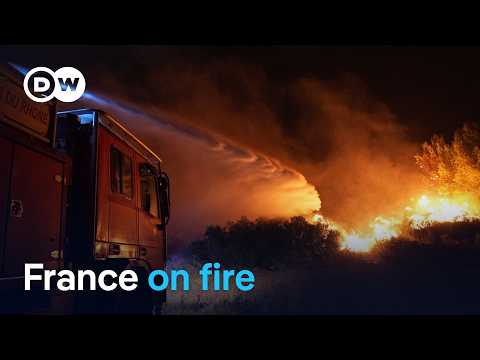
Thousands evacuated as soaring temperatures supercharge France wildfires | DW News
0
林宜悉 posted on 2026/07/03Wildfires are raging across southern France earlier than usual, fueled by record-breaking heatwaves! This report dives into the devastating impact, the challenges of adapting to extreme temperatures, and the surprising debates surrounding preventative measures. You'll pick up key vocabulary for discussing climate change and disaster response.
Learn this video on the APP!
The VoiceTube App has more in-depth practice for videos!