
alive
US /əˈlaɪv/
UK /ə'laɪv/
- Adjective
- Living; not dead
- Active; energetic; full of life.
A2TOEICMoredeadly
US /ˈdɛdli/
UK /ˈdedli/
- Adjective
- Causing or capable of causing death
- Being very accurate
- Adverb
- Extremely; intensely.
A2Moredeath
US /dɛθ/
UK /deθ/
- Noun (Countable/Uncountable)
- When someone dies; the end of life
- The cause or manner of someone dying.
A2Moreexpand
US /ɪkˈspænd/
UK /ɪk'spænd/
- Verb (Transitive/Intransitive)
- To make something larger in size, number, amount
A2TOEICMoreforeign
US /ˈfɔ:rən/
UK /ˈfɒrən/
- Adjective
- Being of a different place or country
- Strange; different from ones found at home
A2TOEICMoregeological
US /dʒɪəˈlɑdʒɪkl:/
UK /ˌdʒi:ə'lɒdʒɪkl/
- Adjective
- Concerning studies of the Earth's rocks and soil
B1Morelatin
US /ˈlætn/
UK /ˈlætɪn/
- Uncountable Noun
- Ancient Roman language affecting many languages
- Adjective
- Of or typical of a Spanish-speaking culture
C2Moremachinery
US /məˈʃinəri, -ˈʃinri/
UK /məˈʃi:nəri/
- Uncountable Noun
- System/processes to get official approval, etc.
- Machines in general
A2Moremagnitude
US /ˈmæɡnɪˌtud, -ˌtjud/
UK /ˈmægnɪtju:d/
- Noun
- Number representing force of an earthquake
- Size or importance
B2Moreopposition
US /ˌɑ:pəˈzɪʃn/
UK /ˌɒpəˈzɪʃn/
- Uncountable Noun
- Act of disagreeing or trying to stop something
- Group that you are fighting or competing against
B1Morepowerful
US /ˈpaʊəfəl/
UK /ˈpauəful/
- Adjective
- Having control or influence over
- Having a lot of physical force, energy, strength
A2TOEICMorepromote
US /prəˈmoʊt/
UK /prəˈməʊt/
- Transitive Verb
- To try to encourage popularity/sales of a product
- To move someone to a higher position or rank
A2TOEICMorequake
US /kwek/
UK /kweɪk/
- Noun
- Short for earthquake
- Intransitive Verb
- To shake physically, due to fear or anxiety
- (Of buildings) to shake forcefully
B2Morerescue
US /ˈrɛskju/
UK /'reskju:/
- Transitive Verb
- To save someone who is in danger or in trouble
- To provide financial assistance to save a company or economy from collapse.
- Noun (Countable/Uncountable)
- Act of saving someone in danger or in trouble
- An act of saving someone or something from a dangerous or difficult situation.
A2TOEICMorerubble
US /ˈrʌbəl/
UK /ˈrʌbl/
- Uncountable Noun
- Rough, broken stones from destroyed building
B2Morerush
US /rʌʃ/
UK /rʌʃ/
- Verb (Transitive/Intransitive)
- To attack someone suddenly in a group
- To perform or finish with speed and urgency
- Noun (Countable/Uncountable)
- Actions performed or finishes with speed, urgency
- State of hurried action
A2TOEICMorespend
US /spɛnd/
UK /spend/
- Transitive Verb
- To use money to pay for something
- To use time in order to do something
A2TOEICMoresurge
US /sɜ:rdʒ/
UK /sɜ:dʒ/
- Noun (Countable/Uncountable)
- Sudden movement in one direction by many
- Sudden or unexpected increase in amount
- Intransitive Verb
- To move unexpectedly and quickly in one direction
- To rise to an unexpected height
B2Moresurvey
US /ˈsɜː(r)veɪ/
UK /'sɜ:veɪ/
- Noun (Countable/Uncountable)
- Broad view or general description of something
- Act of measuring land or property to make a map
- Transitive Verb
- To offer a broad view or general description
- To measure an area of land to make a map of it
A2TOEICMoretoll
US /tol/
UK /təʊl/
- Noun (Countable/Uncountable)
- Sound that a big bell makes, when it is rung
- Number of people hurt or killed in a disaster
- Intransitive Verb
- (Bell) to ring in a slow, loud and repeated way
B2TOEICMoretrap
US /træp/
UK /træp/
- Countable Noun
- Device used for catching animals
- Vehicle pulled by a single horse
- Transitive Verb
- To use a device to catch animals or people
- To hold, e.g. a nerve, so that it cannot move
A2More
Vocabulary
- surge: Sudden movement in one direction by many
- toll: Sound that a big bell makes, when it is rung
- trap: Device used for catching animals
- expand: To make something larger in size, number, amount
- survey: Broad view or general description of something
- magnitude: Number representing force of an earthquake
- rush: To attack someone suddenly in a group
- rescue: To save someone who is in danger or in trouble
- foreign: Being of a different place or country
- promote: To try to encourage popularity/sales of a product
- century: Period of 100 years
- hit: To have a negative impact on a person/place/thing
- spend: To use money to pay for something
- government: Group of people and system that rule a nation
- alive: Living; not dead
- pull: Act of breathing in smoke, as from a pipe
- find: To become aware of something that is happening
- opposition: Act of disagreeing or trying to stop something
- deadly: Causing or capable of causing death
- list: To lean to one side, like a boat or ship
- machinery: System/processes to get official approval, etc.
- country: An area of land that is controlled by a government
- live: To be alive
- powerful: Having control or influence over
- people: Persons sharing culture, country, background, etc.
- death: When someone dies; the end of life
- rubble: Rough, broken stones from destroyed building
- website: Collection of webpages in one location
- move: To cause someone to have certain emotions
- need: To be unable to manage without something; require
- street: Road in a city with buildings and places to walk
- hope: When you wish something will happen; what you wish
- heavy: Greater in amount, degree, or severity than usual
- geological: Concerning studies of the Earth's rocks and soil
- quake: Short for earthquake
- latin: Ancient Roman language affecting many languages
Get the full experience in the app
Learn anywhere with detailed sentence and usage analysis
01:03
She took a brave step forward, leaving behind her comfort zone to chase her dreams.
Vocabulary
- brave
adj. Having courage
- comfort zone
phr. A familiar situation where one feels safe
Explanation
a brave step is a noun phrase, where brave is an adjective modifying the noun step, meaning "a courageous step".
forward is an adverb modifying step, meaning "ahead".
The whole phrase serves as the object, answering the "what" of took (verb) — she took a brave step forward.
Get the full experience in the app
Look up words anytime with pronunciation, part of speech, and usage
brave
US/brev/
UK/breɪv/
adj.Brave
v.t.To bravely face
A2 Elementary
Get the full experience in the app
Practice speaking anytime and get instant pronunciation feedback
Try this speaking exercise.
Try practicing with this sentence.
80
Death toll in Venezuela quake tops 1,400
0
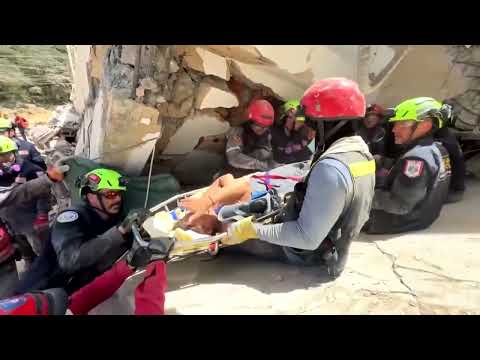
林宜悉 posted on 2026/06/28Discover the urgent rescue efforts underway in Venezuela after devastating earthquakes, where hope flickers amidst the rubble. You'll hear about the challenges faced, like the lack of heavy machinery, and learn vocabulary related to disaster response and its impact on communities.
Learn this video on the APP!
The VoiceTube App has more in-depth practice for videos!