
a bit longer
US
UK
- Phrase
- For a slightly longer period of time.
- Slightly more extended in length.
A1Moreall over the place
US
UK
- Phrase
- In a state of disorder; scattered everywhere.
- In many different locations; widely distributed.
- Adjective
- Mentally or emotionally disorganized; confused or erratic.
A1Moreall the things
US
UK
- Pronoun
- Everything; all items or aspects
- Determiner
- Every item or object being considered or discussed.
A1Moreapart from
US /əˈpɑrt frʌm/
UK /əˈpɑ:t frɔm/
- Preposition
- Except for; not considering
- In addition to; as well as
aristocrat
US /əˈrɪstəˌkræt,ˈærɪs-/
UK /ˈærɪstəkræt/
- Countable Noun
- Member of the highest, landowning social group
B2Moreat work
US /æt wɚk/
UK /æt wə:k/
- Phrase
- Located at one's place of employment
A1Moreauthor
US /ˈɔθɚ/
UK /'ɔ:θə(r)/
- Noun (Countable/Uncountable)
- Person who writes books, plays, poems etc.
- Transitive Verb
- To write book or articles
B1Morebacon
US /ˈbekən/
UK /ˈbeɪkən/
- Uncountable Noun
- Salted meat from a pig
B1Morebased on
US
UK
- Phrasal Verb
- To use something as the foundation or starting point for something else.
- Preposition
- Using something as the main idea or foundation.
- Relying on something as evidence or justification.
A1Morebasically
US /ˈbesɪkəli,-kli/
UK /ˈbeɪsɪkli/
- Adverb
- Used before you explain something simply, clearly
- In essence; when you consider the most important aspects of something.
A2Morecipher
US /ˈsaɪfɚ/
UK /'saɪfə(r)/
- Noun
- Nonentity; worthless person or thing; zero
C1Moreclaim
US /klem/
UK /kleɪm/
- Noun (Countable/Uncountable)
- To say that something is true, often without proof.
- A statement that something is true.
- Transitive Verb
- To demand or ask for something that you believe is rightfully yours.
- To take or cause the loss of (e.g., a life, property).
A2Morecollaborate
US /kəˈlæbəˌret/
UK /kəˈlæbəreɪt/
- Verb (Transitive/Intransitive)
- To cooperate with or help an enemy
- To work together to complete a task
B1Morecome after
US /kʌm ˈæftɚ/
UK /kʌm ˈɑ:ftə/
- Phrasal Verb
- To follow someone in order to threaten them
A1Morecome from
US /kʌm frʌm/
UK /kʌm frɔm/
- Phrasal Verb
- To have as your native country or city
A1Morecome out with
US /kʌm aʊt wɪð/
UK /kʌm aut wið/
- Phrasal Verb
- To go out with someone on a date
- To say something, especially something surprising or controversial.
A1Moreconnection
US /kəˈnɛkʃən/
UK /kəˈnekʃn/
- Noun (Countable/Uncountable)
- Something that joins things together; being joined
- Person you know who can help you in some way
A2Morecourt
US /kɔrt, kort/
UK /kɔ:t/
- Transitive Verb
- To act in a way to shows you wish to marry someone
- To encourage dangerous behavior
- Noun
- Place king or queen meet people, makes laws etc.
- Place where legal cases are decided
A2TOEICMorecut out
US /kʌt aʊt/
UK /kʌt aut/
- Phrasal Verb
- To leave out of something, e.g. a social event
- To cut something from, e.g. a picture from a book
- Verb (Transitive/Intransitive)
- To stop doing or using something.
- To be naturally suited or fitted for something.
A1Moredecide
US /dɪˈsaɪd/
UK /dɪ'saɪd/
- Verb (Transitive/Intransitive)
- To make a choice or choose after thinking about it
- To make a legal judgment in court
A2TOEICMoredevelopment
US /dɪˈvɛləpmənt/
UK /dɪ'veləpmənt/
- Noun (Countable/Uncountable)
- Act or process of growing bigger or more advanced
- A new event related to a previous event
A2TOEICMoredevil's advocate
US /ˈdɛvəlz ˈædvəkət/
UK /ˈdevəlz ˈædvəkət/
- other
- One who argues against a position to test its strength.
C1Moreearl
US /ə:l/
UK /ɜ:l/
- Proper Noun
- Man with a high or noble rank in a society
- Person's name
B2Moreessentially
US /ɪˈsenʃəli/
UK /ɪˈsenʃəli/
- Adverb
- Basically; (said when stating the basic facts)
- Used to emphasize the basic truth or fact of a situation.
A2Morefeel like
US
UK
- Intransitive Verb
- To have a desire or inclination for something.
- To have a particular quality or sensation; resemble.
A1Morefledge
US /flɛdʒ/
UK /fledʒ/
- Intransitive Verb
- (Of a young bird) to become capable of flight
C1Morefor instance
US /fɔr ˈɪnstəns/
UK /fɔ: ˈinstəns/
- Adverb
- As an example.
- Phrase
- As an example.
- As an illustration or case in point
B1Morefor now
US /fɔr naʊ/
UK /fɔ: nau/
- Phrase
- Temporarily; for the present time.
- In the short term; for the immediate future.
A1Morefor sure
US /fɔr ʃʊr/
UK /fɔ: ʃuə/
- Adverb
- Definitely; certainly; without a doubt.
- Used to emphasize a statement.
- Interjection
- An expression of strong agreement or affirmation.
A2Moregentry
US /ˈdʒɛntri/
UK /ˈdʒentri/
- Noun
- Nobles: People of high social standing e.g. lords
B2TOEICMoreget out of
US /ɡɛt aʊt ʌv/
UK /ɡet aut ɔv/
- Phrasal Verb
- To leave or escape responsibilities, troubles
- To leave a small, enclosed vehicle
A1Moregoing on
US /ˈɡoɪŋ ɑn/
UK /ˈgəʊɪŋ ɔn/
- Phrasal Verb
- To continue doing something
- To happen (usually negative)
A1Moregot to
US /ɡɑt tu/
UK /gɔt tu:/
- Verb (Transitive/Intransitive)
- To arrive at some place
- To have the opportunity or permission to do something
- Phrasal Verb
- To appeal to the emotions of; move
- To finally begin to start something after a delay
A1Moregotcha
US /ˈɡɑtʃə/
UK /ˈɡɔtʃə/
- Verb (Transitive/Intransitive)
- Shortened form of 'got you'
B2Moregrammar
US /ˈɡræmɚ/
UK /ˈgræmə(r)/
- Uncountable Noun
- Book describing the syntactic rules of a language
- Rules explaining how words are used in a language
B1Moregrip
US /ɡrɪp/
UK /ɡrɪp/
- Verb (Transitive/Intransitive)
- To hold someone's interest
- To hold something in your hand very firmly
- Noun (Countable/Uncountable)
- Strong understanding of an idea
- Control over something or someone
A2Morehamlet
US /ˈhæmlɪt/
UK /ˈhæmlət/
- Noun
- Very small village
B2Morehave to
US /hæv tu/
UK /ˈhæv tə/
- Auxiliary Verb
- Must do
A1Moreheir
US /er/
UK /eə(r)/
- Noun
- Person to receive power or money when someone dies
C1Morehomosexual
US /ˌhoʊməˈsekʃuəl/
UK /ˌhəʊməˈsekʃuəl/
- Adjective
- Attracted to people of the same sex
B1Morehurrah
US /hʊˈrɑ,-ˈrɔ,hə-/
UK /həˈrɑ:/
- Interjection
- Said to show delight at something
B2Moreimagination
US /ɪˌmædʒəˈneʃən/
UK /ɪˌmædʒɪˈneɪʃn/
- Uncountable Noun
- Ability to creates new ideas and mental images
- Something that you imagine; an idea that you have in your mind.
A2TOEICMorein fact
US /ɪn fækt/
UK /in fækt/
- Adverb
- Used to emphasize the truth of a statement, especially one that contrasts with or contradicts something else.
- Used to introduce a more detailed or surprising piece of information.
- Phrase
- Used to emphasize the truth of a statement, especially one that is surprising or contrary to what might be expected.
C1Morein the mix
US /ɪn ðə ˈmɪks/
UK /in ðə ˈmiks/
- other
- Being involved or included in a group or activity.
B2Morein the stars
US /ɪn ðə ˈstɑrz/
UK /in ðə ˈstɑ:z/
- other
- Determined by fate or destiny.
B2Morein the way
US /ɪn ði we/
UK /in ðə wei/
- Phrase
- Obstructing someone or something; hindering progress.
- Stored or placed so as to be available or ready when needed.
A1Moreinn
US /ɪn/
UK /ɪn/
- Noun (Countable/Uncountable)
- Hotel in the country
B1Moreinstance
US /ˈɪnstəns/
UK /'ɪnstəns/
- Noun (Countable/Uncountable)
- An example of something; case
- An occurrence of something.
- Transitive Verb
- To give as an example of something else
A2TOEICMoreintimate
US /ˈɪntəmɪt/
UK /'ɪntɪmət/
- Adjective
- (E.g. of detail) fine, detailed or complete
- Private and personal things shared with another
- Transitive Verb
- To make someone understand without saying directly
B1TOEICMorelast hurrah
US /læst həˈrɑ/
UK /lɑ:st həˈrɑ:/
- other
- A final effort or attempt before stopping.
C1Morelatch on
US /lætʃ ɑn/
UK /lætʃ ɔn/
- Phrasal Verb
- To understand something, often after a period of confusion or delay.
- To become very attached to someone.
A1Morelatin
US /ˈlætn/
UK /ˈlætɪn/
- Uncountable Noun
- Ancient Roman language affecting many languages
- Adjective
- Of or typical of a Spanish-speaking culture
C2Morelook at
US /lʊk æt/
UK /luk æt/
- Phrasal Verb
- To use your eyes to focus on something
- To focus your eyes on something carefully
A1Moremention
US /ˈmɛnʃən/
UK /'menʃn/
- Transitive Verb
- To refer to or talk or write about something
- Uncountable Noun
- Act of referring to or talking about something
- A formal acknowledgement of something
A2TOEICMoremuch about
US /mʌtʃ əˈbaʊt/
UK /mʌtʃ əˈbaut/
- Phrase
- A lot of information or knowledge concerning something.
- To a great extent or degree regarding something; caring.
A1Morenecessarily
US /ˌnɛsɪˈsɛrəli, -ˈsɛr-/
UK /ˌnesəˈserəli/
- Adverb
- In a way that is needed/required/is unavoidable
A2TOEICMorenoble
US /'noʊbl/
UK /'nəʊbl/
- Adjective
- Being admirable and honorable in character
- Concerning or being a member a high social class
- Countable Noun
- Titled peer of the realm e.g. a lord, duke
B1Morenonsense
US /ˈnɑ:nsens/
UK /ˈnɒnsns/
- Uncountable Noun
- Foolish or untrue statements or ideas
- Foolish or unacceptable behaviour.
- Interjection
- Used to say that you do not agree with something or think it is not true.
A2Moreof any kind
US
UK
- Phrase
- Of any type or variety whatsoever.
- To any degree or extent.
A1Moreof course
US /ʌv kɔː(r)s/
UK /ɔv kɔː(r)s/
- Adverb
- Sure ; Certainly
- Phrase
- For sure; certainly
A2Moreof sorts
US
UK
- Phrase
- Of a kind, but not a very good one.
- Used to describe something when you cannot be more precise.
A1Moreplaywright
US /ˈpleˌraɪt/
UK /ˈpleɪraɪt/
- Countable Noun
- Person who writes plays
B2Moreroll
US /rol/
UK /rəʊl/
- Countable Noun
- Small, round piece of bread for one person to eat
- Photographic film wrapped round and round itself
- Verb (Transitive/Intransitive)
- To continue along as time normally progresses
- To produce a very deep and continuous sound
A2TOEICMoresame time
US
UK
- Phrase
- Occurring simultaneously or at the same point in time.
- At the identical time as before; recurring at a fixed hour.
- Noun
- An equal duration or period.
A1Morespy
US /spaɪ/
UK /spaɪ/
- Noun
- Person who gets secret information about an enemy
- Verb (Transitive/Intransitive)
- To try to get secrets about an enemy country
- To secretly watch someone or something
B1TOEICMorestepfather
US /ˈstɛpˌfɑðɚ/
UK /ˈstepfɑ:ðə(r)/
- Noun
- Husband of your mother by a subsequent marriage
C2Moretemple
US /ˈtɛmpəl/
UK /'templ/
- Noun
- A flat area on the side of the forehead
- Place for worship in many religions
B1Moretheory
US /ˈθiəri, ˈθɪri/
UK /ˈθiəri/
- Noun (Countable/Uncountable)
- Ideas or principles that explain facts or events
- An idea or belief about something
A2TOEICMorethink of
US /θɪŋk ʌv/
UK /θiŋk ɔv/
- Phrasal Verb
- To look on as (being something specific); consider
- To consider or remember something.
- Verb (Transitive/Intransitive)
- To imagine or call something to mind
A1Moretouch on
US
UK
- Phrasal Verb
- To briefly discuss
A1Moretragic
US /ˈtrædʒɪk/
UK /ˈtrædʒɪk/
- Adjective
- (Of a play, movie, or book) with a sad ending
- Causing great sadness, e.g. due to untimely death
B1Moreverse
US /vɚs/
UK /vɜ:s/
- Noun (Countable/Uncountable)
- Writing with words that rhyme or are rhythmic
- A section of writing, e.g. from the Bible
B1Morework on
US /wɚk ɑn/
UK /wə:k ɔn/
- Phrasal Verb
- To devote effort to improve or develop something
- To try to persuade or influence someone.
A1More
Vocabulary
- look at: To use your eyes to focus on something
- have to: Must do
- for instance: As an example.
- apart from: Except for; not considering
- think of: To look on as (being something specific); consider
- in fact: Used to emphasize the truth of a statement, especially one that contrasts with or contradicts something else.
- based on: To use something as the foundation or starting point for something else.
- feel like: To have a desire or inclination for something.
- all the things: Everything; all items or aspects
- much about: A lot of information or knowledge concerning something.
- of sorts: Of a kind, but not a very good one.
- get out of: To leave or escape responsibilities, troubles
- going on: To continue doing something
- come from: To have as your native country or city
- devil's advocate: One who argues against a position to test its strength.
- touch on: To briefly discuss
- all over the place: In a state of disorder; scattered everywhere.
- at work: Located at one's place of employment
- come out with: To go out with someone on a date
- a bit longer: For a slightly longer period of time.
- in the mix: Being involved or included in a group or activity.
- work on: To devote effort to improve or develop something
- last hurrah: A final effort or attempt before stopping.
- come after: To follow someone in order to threaten them
- for sure: Definitely; certainly; without a doubt.
- same time: Occurring simultaneously or at the same point in time.
- cut out: To leave out of something, e.g. a social event
- of course: Sure ; Certainly
- in the stars: Determined by fate or destiny.
- latch on: To understand something, often after a period of confusion or delay.
- in the way: Obstructing someone or something; hindering progress.
- got to: To arrive at some place
- of any kind: Of any type or variety whatsoever.
- for now: Temporarily; for the present time.
- sort: To organize things by putting them into groups
- essentially: Basically; (said when stating the basic facts)
- evidence: Factual proof that helps to establish the truth
- basically: Used before you explain something simply, clearly
- intimate: (E.g. of detail) fine, detailed or complete
- instance: An example of something; case
- necessarily: In a way that is needed/required/is unavoidable
- claim: To say that something is true, often without proof.
- bit: Device put in a horse's mouth to control it
- theory: Ideas or principles that explain facts or events
- mention: To refer to or talk or write about something
- court: To act in a way to shows you wish to marry someone
- grip: To hold someone's interest
- grammar: Book describing the syntactic rules of a language
- fair: Neither very good nor very bad; average
- tragic: (Of a play, movie, or book) with a sad ending
- connection: Something that joins things together; being joined
- author: Person who writes books, plays, poems etc.
- development: Act or process of growing bigger or more advanced
- noble: Being admirable and honorable in character
- lot: What happens to a person in life from chance; fate
- collaborate: To cooperate with or help an enemy
- imagination: Ability to creates new ideas and mental images
- storm: To act violently or angrily
- fact: Something that is known or proved to be true
- roll: Small, round piece of bread for one person to eat
- decide: To make a choice or choose after thinking about it
- nonsense: Foolish or untrue statements or ideas
- wrong: Action that is harmful, unjust or illegal
- great: Very good; better than before
- hide: To go to, or put a thing where it can't be found
- mistake: Something done wrong/calculated wrong; error
- university: High-level educational institution; college
- know: To be familiar with a person or place, thing
- work: The product of some artistic or literary endeavor
- knowledge: Information, understanding, or skill
- verse: Writing with words that rhyme or are rhythmic
- heir: Person to receive power or money when someone dies
- temple: A flat area on the side of the forehead
- aristocrat: Member of the highest, landowning social group
- spy: Person who gets secret information about an enemy
- bacon: Salted meat from a pig
- homosexual: Attracted to people of the same sex
- gotcha: Shortened form of 'got you'
- playwright: Person who writes plays
- earl: Man with a high or noble rank in a society
- latin: Ancient Roman language affecting many languages
- inn: Hotel in the country
- fledge: (Of a young bird) to become capable of flight
- hamlet: Very small village
- cipher: Nonentity; worthless person or thing; zero
- gentry: Nobles: People of high social standing e.g. lords
- stepfather: Husband of your mother by a subsequent marriage
- hurrah: Said to show delight at something
Get the full experience in the app
Learn anywhere with detailed sentence and usage analysis
01:03
She took a brave step forward, leaving behind her comfort zone to chase her dreams.
Vocabulary
- brave
adj. Having courage
- comfort zone
phr. A familiar situation where one feels safe
Explanation
a brave step is a noun phrase, where brave is an adjective modifying the noun step, meaning "a courageous step".
forward is an adverb modifying step, meaning "ahead".
The whole phrase serves as the object, answering the "what" of took (verb) — she took a brave step forward.
Get the full experience in the app
Look up words anytime with pronunciation, part of speech, and usage
brave
US/brev/
UK/breɪv/
adj.Brave
v.t.To bravely face
A2 Elementary
Get the full experience in the app
Practice speaking anytime and get instant pronunciation feedback
Try this speaking exercise.
Try practicing with this sentence.
80
0
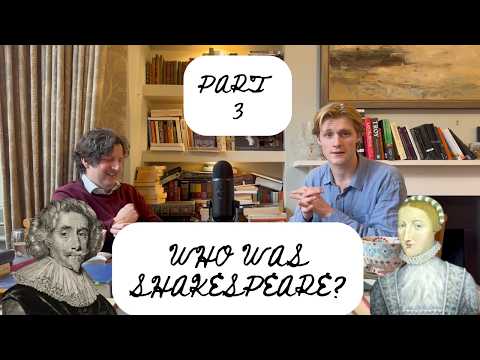
Collared owlet posted on 2026/06/27Ever wondered who the *real* Shakespeare was? This video dives into the fascinating debate around Shakespeare's identity, tackling theories about aristocratic authors and exploring the backgrounds of other famous playwrights. You'll pick up some great vocabulary for discussing literature and history while getting a fresh perspective on this enduring mystery!
Learn this video on the APP!
The VoiceTube App has more in-depth practice for videos!