aristocrat
US /əˈrɪstəˌkræt,ˈærɪs-/
・UK /ˈærɪstəkræt/
B2
n. (c.)Countable NounMember of the highest, landowning social group
He grew up in poverty, but now, he lives in a large house in the country and conducts himself in the manner of an aristocrat
Video subtitles
The SOCIAL CLASS System... EXPLAINED | Easy English 191

- But I'm certainly not an aristocrat.
But I'm certainly not an aristocrat.
- But I'm certainly not an aristocrat.
But I'm certainly not an aristocrat.
HOW I READ TWO TO THREE BOOKS EVERY WEEK

- whole thing of, I call it "pseudo-aristocrat problem." Basically a person that read a bunch
whole thing of, I call it "pseudo-aristocrat problem." Basically a person that read a bunch
- And the second issue that I come across with sometimes is this whole thing of—I call it, uh, pseudo-aristocrat problem.
And the second issue that I come across with sometimes is this whole thing of—I call it, uh, pseudo-aristocrat problem.
HISTORY OF IDEAS - Manners

- Rousseau now contrasts favourably with modern mannered people. Rousseau tells us that people living in what he calls the state of nature were, in his eyes, far superior to educated and mannered Parisians. Their manners may have been simple, but they were honest and forthright, without the sins of what he now terms the over-civilised. Rousseau retells the story of civilisation as one of loss and decline, from a primordial state of fresh-faced curiosity, honesty and enthusiasm, to barbarous over-politeness, fakery and deceit. He describes the elaborate French court at Versailles as less civilised than an early human cave. Readers across Europe are astonished, and not a little impressed, by this impudence. For hundreds of years, moralists have been arguing that our natural selves are wild, harmful, over-sexual and dangerous, and that we must learn to tame them for the sake of others. Now Rousseau suggests the diametrical opposite. Civilisation has gone too far, it's our mannered selves that have become the problem, and the task of a properly evolved civilisation is to throw off the chains of manners, to relax us, strip off the etiquette and return to primitive frankness. Rousseau's point continues to echo down to our own times. It is his voice we can hear whenever someone sticks up for the simpler life, and suggests we dress less formally, eat dinner more casually and more readily say whatever is passing through our minds. New York, United States, 1827. A French aristocrat, Alexis de Tocqueville, is on a tour of the young United States in an effort to understand the spirit of a new kind of society, a democracy. He is immediately struck by American manners, or lack thereof. In Europe, reflects de Tocqueville, manners have been codified to emphasise hierarchical differences between people. Ordinary people defer to aristocrats, aristocrats to royalty, and so on. But in the United States, everything is done so as to suggest that there are no differences between people. No one takes off their hat to anyone, a postman can casually greet a judge, a mule driver can strike up cheerful banter with a wealthy merchant, and one cannot tell by someone's clothes whether they might be living in a mansion or a hut. Expressions like how you doing and hi are heard everywhere across the new republic. It could be charming, but the aristocratic de Tocqueville wryly notes a problem. These casual manners do not do away with class and wealth differences. They merely sentimentally disguise them. The manners of old Europe have been accused of being cruel in their stress on hierarchy.
Rousseau now contrasts favourably with modern mannered people. Rousseau tells us that people living in what he calls the state of nature were, in his eyes, far superior to educated and mannered Parisians. Their manners may have been simple, but they were honest and forthright, without the sins of what he now terms the over-civilised. Rousseau retells the story of civilisation as one of loss and decline, from a primordial state of fresh-faced curiosity, honesty and enthusiasm, to barbarous over-politeness, fakery and deceit. He describes the elaborate French court at Versailles as less civilised than an early human cave. Readers across Europe are astonished, and not a little impressed, by this impudence. For hundreds of years, moralists have been arguing that our natural selves are wild, harmful, over-sexual and dangerous, and that we must learn to tame them for the sake of others. Now Rousseau suggests the diametrical opposite. Civilisation has gone too far, it's our mannered selves that have become the problem, and the task of a properly evolved civilisation is to throw off the chains of manners, to relax us, strip off the etiquette and return to primitive frankness. Rousseau's point continues to echo down to our own times. It is his voice we can hear whenever someone sticks up for the simpler life, and suggests we dress less formally, eat dinner more casually and more readily say whatever is passing through our minds. New York, United States, 1827. A French aristocrat, Alexis de Tocqueville, is on a tour of the young United States in an effort to understand the spirit of a new kind of society, a democracy. He is immediately struck by American manners, or lack thereof. In Europe, reflects de Tocqueville, manners have been codified to emphasise hierarchical differences between people. Ordinary people defer to aristocrats, aristocrats to royalty, and so on. But in the United States, everything is done so as to suggest that there are no differences between people. No one takes off their hat to anyone, a postman can casually greet a judge, a mule driver can strike up cheerful banter with a wealthy merchant, and one cannot tell by someone's clothes whether they might be living in a mansion or a hut. Expressions like how you doing and hi are heard everywhere across the new republic. It could be charming, but the aristocratic de Tocqueville wryly notes a problem. These casual manners do not do away with class and wealth differences. They merely sentimentally disguise them. The manners of old Europe have been accused of being cruel in their stress on hierarchy.
- A French aristocrat, Alexis de Tocqueville, is on a tour of the young United States in an effort to understand the spirit of a new kind of society, a democracy.
A French aristocrat, Alexis de Tocqueville, is on a tour of the young United States in an effort to understand the spirit of a new kind of society, a democracy.
10 Mysterious Times People Faked Their Own Deaths

- Whatever really became of the already disgraced British aristocrat, his legacy is tied to at least one terrible tragedy.
Whatever really became of the already disgraced British aristocrat, his legacy is tied to at least one terrible tragedy.
- Whatever really became of the already disgraced British aristocrat, his legacy is tied to at least one terrible tragedy.
Whatever really became of the already disgraced British aristocrat, his legacy is tied to at least one terrible tragedy.
Why Avocados Are So Expensive | So Expensive

- The commercialization of Aguacate began in the early 1900s but was focused on branding avocados as a delicacy for the wealthy, like this advert in The New Yorker from 1920, which declared them as the aristocrat of salad fruit.
The commercialization of Aguacate began in the early 1900s but was focused on branding avocados as a delicacy for the wealthy, like this advert in The New Yorker from 1920, which declared them as the aristocrat of salad fruit.
- "The aristocrat of salad fruit."
"The aristocrat of salad fruit."
The Call of the Wild Audiobook by Jack London

- During the four years since his puppyhood he had lived the life of a saded aristocrat.
During the four years since his puppyhood he had lived the life of a saded aristocrat.
- aristocrat; he had a fine pride in himself, was even a trifle egotistical, as country
aristocrat; he had a fine pride in himself, was even a trifle egotistical, as country
10 People Who Died Before the World Realized Their Genius
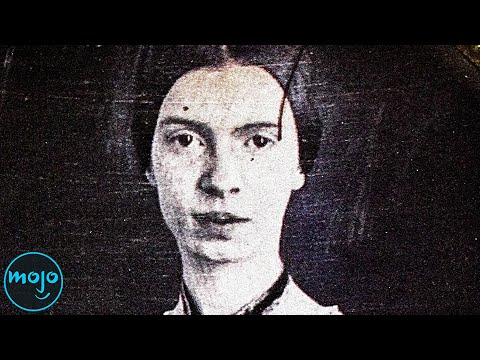
- Unfortunately, she was dismissed as nothing more than a fanciful aristocrat dabbling in mathematics.
Unfortunately, she was dismissed as nothing more than a fanciful aristocrat dabbling in mathematics.
- Unfortunately, she was dismissed as nothing more than a fanciful aristocrat dabbling in mathematics.
Unfortunately, she was dismissed as nothing more than a fanciful aristocrat dabbling in mathematics.
Part 7 - A Tale of Two Cities Audiobook by Charles Dickens (Book 03, Chs 08-11) !

- suspected and denounced enemy of the Republic, aristocrat, one of a family of tyrants, one of a race prescribed, for that they had used their abolished privileges to the infamous oppression of the people;
suspected and denounced enemy of the Republic, aristocrat, one of a family of tyrants, one of a race prescribed, for that they had used their abolished privileges to the infamous oppression of the people;
- Suspected and Denounced enemy of the Republic, Aristocrat, one of a family of
Suspected and Denounced enemy of the Republic, Aristocrat, one of a family of
Why Doesn't the US Just Use the Metric System? - Cheddar Explains
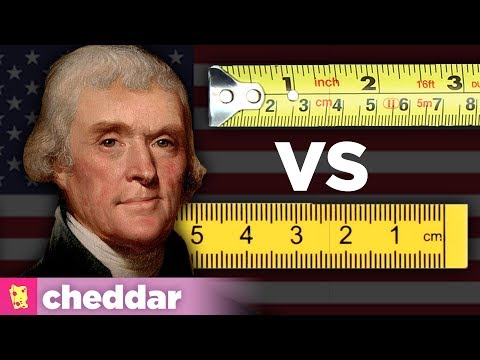
- In 1793, France sent botanist and aristocrat, Joseph Dombi, with a meter long rod and a one kilogram copper cylinder, to demonstrate the system for Jefferson in the US.
In 1793, France sent botanist and aristocrat, Joseph Dombi, with a meter long rod and a one kilogram copper cylinder, to demonstrate the system for Jefferson in the US.
- In 1793, France sent botanist and aristocrat Joseph Damby with a meter-long rod and a 1-kilogram copper cylinder to demonstrate the system for Jefferson in the U.S.
In 1793, France sent botanist and aristocrat Joseph Damby with a meter-long rod and a 1-kilogram copper cylinder to demonstrate the system for Jefferson in the U.S.
Liberals, Conservatives, and Pride and Prejudice Part 2: Crash Course Literature 412
- the wealthy aristocrat who said that her looks were tolerable.
the wealthy aristocrat who said that her looks were tolerable.