
absolutely
US /ˈæbsəˌlutli, ˌæbsəˈlutli/
UK /ˈæbsəlu:tli/
- Adverb
- Completely; totally; very
- Considered independently and without relation to other things; viewed abstractly; as, quantity absolutely considered.
A2Moreaid
US /ed/
UK /eɪd/
- Transitive Verb
- To help others and provide things
- Noun (Countable/Uncountable)
- Action of giving help to others
- Money or help given to those who need it
A2TOEICMorealong with
US /əˈlɔŋ wɪð/
UK /əˈlɔŋ wið/
- Preposition
- In addition to; together with.
- Adverb
- In company or together with someone or something.
- Including; in addition to.
A2Moreat home
US /æt hom/
UK /æt həum/
- Phrase
- In one's own residence or country.
- Adjective
- Feeling comfortable and relaxed.
back down
US /bæk daʊn/
UK /bæk daun/
- Phrasal Verb
- To admit you were wrong; stop claiming
A1Moreboundary
US /ˈbaʊndəri, -dri/
UK /'baʊndrɪ/
- Noun
- A division or border to separate two areas
- In sports, a line or marker indicating the edge of the playing area.
B1Morecable
US /ˈkebəl/
UK /ˈkeɪbl/
- Transitive Verb
- To transmit a message over a wire
- Noun (Countable/Uncountable)
- Message sent by wireless telegraphy
- Satellite TV distributed by cables
B1Morecall for
US /kɔl fɔr/
UK /kɔ:l fɔ:/
- Phrasal Verb
- To demand, need or require (an action or thing)
- To come to someone's house to take them somewhere
A1Morecapital
US /ˈkæpɪtl/
UK /'kæpɪtl/
- Noun
- Writing the first letter of a word in big letters
- Official main city of a country, province or state
- Adjective
- Main, or major
- (Of an offense) liable to the death penalty.
A2Morecity center
US /ˈsɪti ˈsɛntɚ/
UK /ˈsiti ˈsentə/
- Noun (Countable/Uncountable)
- The central part of a city, especially the main business or commercial area.
- Phrase
- The main part of a city where the main commercial and administrative activities take place.
civil
US /ˈsɪvəl/
UK /ˈsɪvl/
- Adjective
- Of citizens of a country; not military, criminal
- Acting in a polite, but not truly friendly manner
B1Morecommunity
US /kəˈmjunɪti/
UK /kə'mju:nətɪ/
- Noun (Countable/Uncountable)
- Group of people who share a common idea or area
- A feeling of fellowship with others, as a result of sharing common attitudes, interests, and goals.
- Adjective
- Relating to or shared by the people in a particular area.
- Shared or participated in by all members of a group
A2Morecomplete picture
US
UK
- Noun
- A thorough and comprehensive understanding of a situation or event.
contribute
US /kənˈtrɪbjut/
UK /kən'trɪbju:t/
- Verb (Transitive/Intransitive)
- To be a factor in causing something to happen
- To donate, give (money) or help to something
A2Morecut out
US /kʌt aʊt/
UK /kʌt aut/
- Phrasal Verb
- To leave out of something, e.g. a social event
- To cut something from, e.g. a picture from a book
- Verb (Transitive/Intransitive)
- To stop doing or using something.
- To be naturally suited or fitted for something.
A1Moredamage
US /ˈdæmɪdʒ/
UK /ˈdæmɪdʒ/
- Noun (Countable/Uncountable)
- Physical harm that is done to something
- Transitive Verb
- To harm physically; to hurt or break something
- To harm the reputation of someone.
A2TOEICMoredecide
US /dɪˈsaɪd/
UK /dɪ'saɪd/
- Verb (Transitive/Intransitive)
- To make a choice or choose after thinking about it
- To make a legal judgment in court
A2TOEICMoredestroy
US /dɪˈstrɔɪ/
UK /dɪ'strɔɪ/
- Transitive Verb
- To damage so badly that something no longer exists
- To defeat someone or something easily
A2TOEICMoredetermine
US /dɪˈtɚmɪn/
UK /dɪ'tɜ:mɪn/
- Transitive Verb
- To control exactly how something will be or act
- To establish the facts about; discover
A2TOEICMoredisaster
US /dɪˈzæstɚ, -ˈsæs-/
UK /dɪ'zɑ:stə(r)/
- Noun (Countable/Uncountable)
- State of extreme ruin and misfortune
- A complete failure.
- Uncountable Noun
- A situation that has gone terribly wrong.
A2Moredistress
US /dɪˈstrɛs/
UK /dɪ'stres/
- Uncountable Noun
- State of great sadness, anxiety or pain
- Condition of danger or emergency
- Transitive Verb
- To cause someone anxiety or sadness
- To be in financial trouble
B1Moreearthquake
US /ˈɜ:rθkweɪk/
UK /ˈɜ:θkweɪk/
- Noun (Countable/Uncountable)
- Heavy shaking of the ground due to natural forces
- A series of vibrations in the earth caused by the abrupt movement of rock far below the surface
B1Moreelevate
US /ˈɛləˌvet/
UK /ˈelɪveɪt/
- Transitive Verb
- To make something higher
- To raise something in status, importance, feeling
B2Morefault
US /fɔlt/
UK /fɔ:lt/
- Noun (Countable/Uncountable)
- A failure or negative aspect of
- Crack in the earth where earthquakes can happen
- Transitive Verb
- To blame someone, something for a negative result
A2Morefeel like
US
UK
- Intransitive Verb
- To have a desire or inclination for something.
- To have a particular quality or sensation; resemble.
A1Morefor life
US /fɔr laɪf/
UK /fɔ: laif/
- Phrase
- For the duration of one's life; permanently.
- To support someone for the duration of their life.
- Adjective
- Being a member for the entirety of one's life.
A1Morefor the best
US
UK
- Phrase
- Resulting in the most positive or beneficial outcome, even if it's difficult or painful in the short term.
- Hoping for a positive outcome.
A1Morefrom the first
US /frəm ðə ˈfɝst/
UK /frəm ðə ˈfɜ:st/
- other
- From the very beginning.
B2Moreget back to
US /ɡɛt bæk tu/
UK /ɡet bæk tu:/
- Phrasal Verb
- To get in contact with someone again
- To return to someone or something; to respond at a later time.
A1Moreget through
US /ɡɛt θru/
UK /ɡet θru:/
- Phrasal Verb
- To arrive at the end of or finish something
- To succeed in contacting someone by phone
A1Morego on
US /ɡo ɑn/
UK /ɡəu ɔn/
- Phrasal Verb
- To continue doing something
- To happen (usually negative)
- Interjection
- Used to encourage someone
A1Moregoing on
US /ˈɡoɪŋ ɑn/
UK /ˈgəʊɪŋ ɔn/
- Phrasal Verb
- To continue doing something
- To happen (usually negative)
A1Moregot to
US /ɡɑt tu/
UK /gɔt tu:/
- Verb (Transitive/Intransitive)
- To arrive at some place
- To have the opportunity or permission to do something
- Phrasal Verb
- To appeal to the emotions of; move
- To finally begin to start something after a delay
A1Morehealthcare
US /'helθker/
UK /'helθkeə/
- Uncountable Noun
- Nursing care to prevent illness or recover from it
B1Morehike
US /haɪk/
UK /haɪk/
- Noun
- Large and unexpected increase in price, level etc.
- A long walk in mountains, etc. for exercise
- Intransitive Verb
- To make a large and unexpected increase in a price
- To take a long walk in mountains etc. for exercise
B1Morehumankind
US /ˈhjumənˌkaɪnd/
UK /ˌhju:mənˈkaɪnd/
- Noun (Countable/Uncountable)
- All of the living human inhabitants of the earth
- The characteristics and qualities associated with human beings.
B2Morehumanly possible
US
UK
- Adjective
- Within the limits of what a person can achieve.
B1Moreimpact
US /ˈɪmˌpækt/
UK /'ɪmpækt/
- Noun
- A striking effect or result to hit with force
- Act or force of one thing hitting something else
- Verb (Transitive/Intransitive)
- To hit or strike someone or something with force
- To have a strong effect on someone or something.
A2TOEICMorein quick succession
US /ɪn kwɪk səkˈsɛʃən/
UK /ɪn kwɪk səkˈseʃən/
- other
- Happening one after another rapidly.
B2Morein the dark
US /ɪn ði dɑrk/
UK /in ðə dɑ:k/
- Adjective
- Uninformed about something; unaware.
- Phrase
- In a state of secrecy or ignorance.
- In a place with little or no light.
A1Moreintact
US /ɪn'tækt/
UK /ɪn'tækt/
- Adjective
- Being complete, without damaged or missing parts
B1Moreintensity
US /ɪnˈtɛnsɪti/
UK /ɪn'tensətɪ/
- Uncountable Noun
- Great energy, strength, or concentration
- The quality of being intense; the degree or amount of strength, force, etc.
A2TOEICMorelandslide
US /ˈlændˌslaɪd/
UK /ˈlændslaɪd/
- Noun (Countable/Uncountable)
- Slide of dirt and rock down a mountain or cliff
- A very big win (in an election)
B2Moreliterally
US /ˈlɪtərəli/
UK
- Adverb
- In a literal manner or sense; exactly as stated.
- Used for emphasis to describe something that is actually true, often to highlight surprise or intensity.
B1Moremotorbike
US /ˈmotɚˌbaɪk/
UK /ˈməʊtəbaɪk/
- Countable Noun
- Motorcycle; vehicle with two wheels and an engine
B2Moremountaintop
US /ˈmaʊntntɑ:p/
UK /ˈmaʊntəntɒp/
- Noun
- The top of a mountain; summit
B2Morenap
US /næp/
UK /næp/
- Intransitive Verb
- To sleep or rest for a short time during the day
- Noun (Countable/Uncountable)
- Brief period of sleep or rest during the day
B2Morenarrowly
US /ˈnærolɪ/
UK /ˈnærəʊli/
- Adverb
- With little distance or difference between
B1Moreof a sudden
US
UK
- Phrase
- Quickly and unexpectedly; suddenly.
B2Moreof course
US /ʌv kɔː(r)s/
UK /ɔv kɔː(r)s/
- Adverb
- Sure ; Certainly
- Phrase
- For sure; certainly
A2Moreon the ground
US
UK
- Phrase
- Located on the surface of the earth.
- Present and available in a particular place, especially to deal with a situation.
out there
US /aʊt ðɛr/
UK /aut ðɛə/
- Adverb
- In or to a place that is far away
- Existing in the universe
- Adjective
- Unconventional; strange; avant-garde
- Existing or available.
A1Moreover time
US /ˈovɚ taɪm/
UK /ˈəuvə taim/
- Phrase
- Gradually; as time passes.
- During a long period.
- Adverb
- Gradually; as time passes.
B1Morepanic
US /ˈpænɪk/
UK /'pænɪk/
- Uncountable Noun
- Overwhelming feeling of fear and anxiety
- Intransitive Verb
- To feel sudden anxiety and fear and cannot think
B1Morerelieve
US /rɪˈliv/
UK /rɪ'li:v/
- Transitive Verb
- To make less boring by making some change
- To replace workers with others
B1Morerenowned
US /rɪˈnaʊnd/
UK /rɪˈnaʊnd/
- Adjective
- Widely known and esteemed
B2TOEICMorerescue
US /ˈrɛskju/
UK /'reskju:/
- Transitive Verb
- To save someone who is in danger or in trouble
- To provide financial assistance to save a company or economy from collapse.
- Noun (Countable/Uncountable)
- Act of saving someone in danger or in trouble
- An act of saving someone or something from a dangerous or difficult situation.
A2TOEICMoreride on
US /raɪd ɑn/
UK /raid ɔn/
- Phrasal Verb
- To continue as planned, despite difficulties.
- To depend on something for success.
A1Moreseparate
US /'sepəreɪt/
UK /'sepəreɪt/
- Adjective
- Being different from or unrelated to another
- Not connected; different.
- Transitive Verb
- To divide two things by being in between them
- To move things away from each other
A2TOEICMoresideways
US /ˈsaɪdˌwez/
UK /'saɪdweɪz/
- Adverb
- Moving, facing, or directed toward one side
B1Morespeak to
US /spik tu/
UK /spi:k tu:/
- Verb (Transitive/Intransitive)
- To address or communicate with someone.
- To indicate or suggest something; to be relevant to.
A1Morethanks to
US /θæŋks tu/
UK /θæŋks tu:/
- Preposition
- Because of; as a result of.
A1Morewalk through
US /wɔk θru/
UK /wɔ:k θru:/
- Phrasal Verb
- To show someone carefully how to do something
A1More
Vocabulary
- go on: To continue doing something
- in the dark: Uninformed about something; unaware.
- going on: To continue doing something
- get back to: To get in contact with someone again
- get through: To arrive at the end of or finish something
- of course: Sure ; Certainly
- thanks to: Because of; as a result of.
- back down: To admit you were wrong; stop claiming
- of a sudden: Quickly and unexpectedly; suddenly.
- cut out: To leave out of something, e.g. a social event
- call for: To demand, need or require (an action or thing)
- for life: For the duration of one's life; permanently.
- for the best: Resulting in the most positive or beneficial outcome, even if it's difficult or painful in the short term.
- walk through: To show someone carefully how to do something
- got to: To arrive at some place
- city center: The central part of a city, especially the main business or commercial area.
- from the first: From the very beginning.
- ride on: To continue as planned, despite difficulties.
- speak to: To address or communicate with someone.
- along with: In addition to; together with.
- at home: In one's own residence or country.
- feel like: To have a desire or inclination for something.
- humanly possible: Within the limits of what a person can achieve.
- out there: In or to a place that is far away
- on the ground: Located on the surface of the earth.
- in quick succession: Happening one after another rapidly.
- over time: Gradually; as time passes.
- complete picture: A thorough and comprehensive understanding of a situation or event.
- literally: In a literal manner or sense; exactly as stated.
- absolutely: Completely; totally; very
- panic: Overwhelming feeling of fear and anxiety
- realize: To become aware of or understand mentally
- determine: To control exactly how something will be or act
- impact: A striking effect or result to hit with force
- completely: In every way or as much as possible
- common: Area in a city or town that is open to everyone
- community: Group of people who share a common idea or area
- contribute: To be a factor in causing something to happen
- imagine: To think creatively about; form mental picture of
- separate: Being different from or unrelated to another
- distress: State of great sadness, anxiety or pain
- intensity: Great energy, strength, or concentration
- renowned: Widely known and esteemed
- capital: Writing the first letter of a word in big letters
- intact: Being complete, without damaged or missing parts
- disaster: State of extreme ruin and misfortune
- aid: To help others and provide things
- pretty: Being attractive to the eye in a simple way
- boundary: A division or border to separate two areas
- economy: Using money, resources in a careful, effective way
- project: To predict what will happen in the future
- civil: Of citizens of a country; not military, criminal
- fault: A failure or negative aspect of
- rescue: To save someone who is in danger or in trouble
- destroy: To damage so badly that something no longer exists
- lot: What happens to a person in life from chance; fate
- relieve: To make less boring by making some change
- hit: To have a negative impact on a person/place/thing
- system: Set of organized, planned ideas that work together
- build: Your physical shape; physique
- decide: To make a choice or choose after thinking about it
- support: To give assistance or advice to someone
- damage: Physical harm that is done to something
- point: An item to be discussed
- last: Final; with nothing following; after all others
- hard: Difficult to do; difficult to understand
- nap: To sleep or rest for a short time during the day
- elevate: To make something higher
- cable: To transmit a message over a wire
- landslide: Slide of dirt and rock down a mountain or cliff
- hike: Large and unexpected increase in price, level etc.
- healthcare: Nursing care to prevent illness or recover from it
- earthquake: Heavy shaking of the ground due to natural forces
- sideways: Moving, facing, or directed toward one side
- humankind: All of the living human inhabitants of the earth
- narrowly: With little distance or difference between
- motorbike: Motorcycle; vehicle with two wheels and an engine
- mountaintop: The top of a mountain; summit
Get the full experience in the app
Learn anywhere with detailed sentence and usage analysis
01:03
She took a brave step forward, leaving behind her comfort zone to chase her dreams.
Vocabulary
- brave
adj. Having courage
- comfort zone
phr. A familiar situation where one feels safe
Explanation
a brave step is a noun phrase, where brave is an adjective modifying the noun step, meaning "a courageous step".
forward is an adverb modifying step, meaning "ahead".
The whole phrase serves as the object, answering the "what" of took (verb) — she took a brave step forward.
Get the full experience in the app
Look up words anytime with pronunciation, part of speech, and usage
brave
US/brev/
UK/breɪv/
adj.Brave
v.t.To bravely face
A2 Elementary
Get the full experience in the app
Practice speaking anytime and get instant pronunciation feedback
Try this speaking exercise.
Try practicing with this sentence.
80
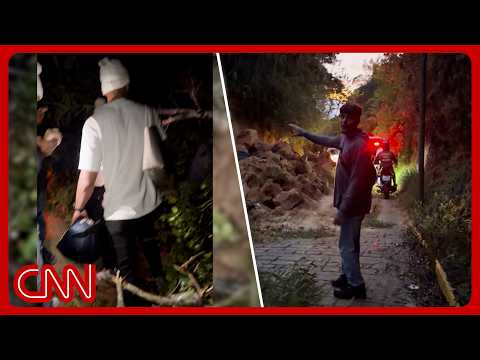
Venezuela: American hikes 6 miles down mountain in dark after quakes
0
林宜悉 posted on 2026/06/26Imagine being in Venezuela for less than 24 hours when powerful earthquakes strike! This video shares an incredible firsthand account of surviving a major earthquake and the harrowing six-mile trek down a mountain in the dark afterward. You'll hear gripping details about the experience and pick up useful vocabulary for describing natural disasters and survival situations.
Learn this video on the APP!
The VoiceTube App has more in-depth practice for videos!