
affect
US /əˈfɛkt/
UK /ə'fekt/
- Transitive Verb
- To cause a change in something else
- To pretend to have or feel (something).
- Noun
- (Psychology) Emotion or feeling.
A2TOEICMoreat home
US /æt hom/
UK /æt həum/
- Phrase
- In one's own residence or country.
- Adjective
- Feeling comfortable and relaxed.
at least
US /æt list/
UK /æt li:st/
- Adverb
- As a minimum
- Not less than
- Phrase
- No less than; at the minimum
- Used to indicate that something is positive in a bad situation.
C2Moreback then
US
UK
- Phrase
- At that time in the past.
A1Morebroker
US /ˈbrokɚ/
UK /'brəʊkə(r)/
- Noun
- Person who acts to buy or sell shares in companies
- Transitive Verb
- To negotiate a business deal
B1TOEICMorecapacity
US /kəˈpæsɪti/
UK /kə'pæsətɪ/
- Noun (Countable/Uncountable)
- Ability to hold, involve or contain (e.g. liquids)
- Largest amount of something that can be produced
B1Morecapital
US /ˈkæpɪtl/
UK /'kæpɪtl/
- Noun
- Writing the first letter of a word in big letters
- Official main city of a country, province or state
- Adjective
- Main, or major
- (Of an offense) liable to the death penalty.
A2Morecasualty
US /ˈkæʒuəlti/
UK /ˈkæʒuəlti/
- Noun (Countable/Uncountable)
- Emergency area in a hospital for treating injuries
- Someone injured or dead as a result of an accident
B1Morecensus
US /ˈsɛnsəs/
UK /ˈsensəs/
- Noun (Countable/Uncountable)
- Survey to collect data about people in an area
B2Morechanger
US /'tʃeɪndʒər/
UK /'tʃeɪndʒə(r)/
- Countable Noun
- A person who changes something
C1Morecollapse
US /kəˈlæps/
UK /kə'læps/
- Verb (Transitive/Intransitive)
- To fold (e.g. a stroller) down to make it smaller
- To suddenly fall down or break apart into pieces
- Noun
- The sudden failure of a structure or system.
- The sudden failure of a bodily organ or function.
B1Morecome down to
US /kʌm daʊn tu/
UK /kʌm daun tu:/
- Phrasal Verb
- To become in the end a matter of
- To be passed on to someone as an inheritance.
A1Morecome from
US /kʌm frʌm/
UK /kʌm frɔm/
- Phrasal Verb
- To have as your native country or city
A1Moreconcern about
US
UK
- Intransitive Verb
- To worry about something.
B2Moredig out
US /dɪɡ aʊt/
UK /diɡ aut/
- Phrasal Verb
- To remove something from a place by digging.
- To discover or find something, especially after searching for it.
A1Moredisaster
US /dɪˈzæstɚ, -ˈsæs-/
UK /dɪ'zɑ:stə(r)/
- Noun (Countable/Uncountable)
- State of extreme ruin and misfortune
- A complete failure.
- Uncountable Noun
- A situation that has gone terribly wrong.
A2Moreearthquake
US /ˈɜ:rθkweɪk/
UK /ˈɜ:θkweɪk/
- Noun (Countable/Uncountable)
- Heavy shaking of the ground due to natural forces
- A series of vibrations in the earth caused by the abrupt movement of rock far below the surface
B1Moreelevator
US /ˈɛləˌvetɚ/
UK /'elɪveɪtə(r)/
- Noun (Countable/Uncountable)
- Machine that carries people between floors
- A building for storing grain, equipped with machinery for raising and distributing it.
B2TOEICMoreendure
US /ɛnˈdʊr, -ˈdjʊr/
UK /ɪn'djʊə(r)/
- Intransitive Verb
- To last for a long time; continue to exist
- Transitive Verb
- To accept difficulties without struggle
B1TOEICMoreestimate
US /ˈɛstəˌmet/
UK /'estɪmət/
- Noun (Countable/Uncountable)
- Guess or calculation of cost, size or value
- A judgment or opinion.
- Transitive Verb
- To guess or calculate the cost, size or value of
- To form an approximate idea or judgment of.
A2TOEICMoreextent
US /ɪkˈstɛnt/
UK /ɪkˈstent/
- Noun (Countable/Uncountable)
- Point, level or limit to which something reaches
- Range or space included in something
A2TOEICMorefor fear of
US /fɔr fɪr ʌv/
UK /fɔ: fiə ɔv/
- Phrase
- Because of anxiety or apprehension that something undesirable might happen.
A1Moreimpact
US /ˈɪmˌpækt/
UK /'ɪmpækt/
- Noun
- A striking effect or result to hit with force
- Act or force of one thing hitting something else
- Verb (Transitive/Intransitive)
- To hit or strike someone or something with force
- To have a strong effect on someone or something.
A2TOEICMoreimpoverished
US
UK
- Adjective
- Not having enough money; short of money
- Lacking money; having become poor
- Transitive Verb
- To take money from; make poor
C1Morein areas
US
UK
- Phrase
- Located or occurring within specific regions or locations.
- Relating to specific fields, subjects, or disciplines.
A1Morein fact
US /ɪn fækt/
UK /in fækt/
- Adverb
- Used to emphasize the truth of a statement, especially one that contrasts with or contradicts something else.
- Used to introduce a more detailed or surprising piece of information.
- Phrase
- Used to emphasize the truth of a statement, especially one that is surprising or contrary to what might be expected.
C1Morein need
US /ɪn nid/
UK /in ni:d/
- Phrase
- Not having the necessary things, such as food
A1Morein quick succession
US /ɪn kwɪk səkˈsɛʃən/
UK /ɪn kwɪk səkˈseʃən/
- other
- Happening one after another rapidly.
B2Morein the past
US
UK
- Phrase
- During a former period of time; previously.
A1Moreinterim
US /ˈɪntərɪm/
UK /ˈɪntərɪm/
- Adjective
- Acting or being used for a limited period of time
B1TOEICMorekeenly
US /ˈkinlɪ/
UK /ki:nlɪ/
- Adverb
- In an eager and enthusiastic way
- In a strong and intense manner
B1Morelead to
US /lid tu/
UK /li:d tu:/
- Phrasal Verb
- To result in some action
- Verb (Transitive/Intransitive)
- To have something as a consequence or result.
A1Moremagnitude
US /ˈmæɡnɪˌtud, -ˌtjud/
UK /ˈmægnɪtju:d/
- Noun
- Number representing force of an earthquake
- Size or importance
B2Moremigration
US /maɪˈɡreʃən/
UK /maɪˈgreɪʃn/
- Noun (Countable/Uncountable)
- Process of moving to live in another place
- Movement from one part of something to another.
B1Moreneighborhood
US /ˈnebɚˌhʊd/
UK /'neɪbəhʊd/
- Noun (Countable/Uncountable)
- Area of a town or city that people live in
- People who live in a particular area
- Adjective
- Relating to a neighborhood.
B1Moreof course
US /ʌv kɔː(r)s/
UK /ɔv kɔː(r)s/
- Adverb
- Sure ; Certainly
- Phrase
- For sure; certainly
A2Moreon the other side of
US /ɑn ði ˈʌðɚ ˈsaɪd ʌv/
UK /ɒn ði ˈʌðə ˈsaɪd ɒv/
- Preposition
- Located across something from a given point.
A2Moreon the scene
US /ɑn ði sin/
UK /ɔn ðə si:n/
- Phrase
- Present at a location, especially where something has happened.
- Involved or active in a particular area or activity.
B1Moreoutside of
US /aʊtˈsaɪd ʌv/
UK /ˌautˈsaid ɔv/
- Preposition
- Located or situated beyond the boundaries or confines of something.
- Beyond the scope, range, or limits of something.
A1Moreoverwhelmed
US /ˌoʊ.vɚˈwɛlmd/
UK /ˌəʊ.vəˈwɛlmd/
- Transitive Verb
- To defeat something or someone completely
- To affect someone emotionally in a strong way
- Adjective
- Feeling like you have so much to do that you can't even get started.
- Feeling like you are unable to cope with something
B2Morepopulation
US /ˌpɑpjəˈleʃən/
UK /ˌpɒpjuˈleɪʃn/
- Noun (Countable/Uncountable)
- Number of people who live in a country, area etc.
- A group of individuals of one species living in a particular area.
A2TOEICMorereach
US /ritʃ/
UK /ri:tʃ/
- Verb (Transitive/Intransitive)
- To come to or arrive at a goal or destination
- To be long enough to get to a certain place
- Uncountable Noun
- Power or control someone has over something
A2TOEICMorereassure
US /ˌri:əˈʃʊr/
UK /ˌri:əˈʃʊə(r)/
- Transitive Verb
- To make feel less worried about something
B1Morereminiscent
US /ˌrɛməˈnɪsənt/
UK /ˌremɪˈnɪsnt/
- Adjective
- Suggestive of; tending to remind you of
B2TOEICMorerequire
US /rɪˈkwaɪr/
UK /rɪ'kwaɪə(r)/
- Transitive Verb
- To demand that someone does something
- To need to do something, to make it necessary
A2TOEICMoreresist
US /rɪˈzɪst/
UK /rɪ'zɪst/
- Verb (Transitive/Intransitive)
- To not be affected by e.g. a force or an effect
- To fight or prevent something from happening
A2TOEICMorerubble
US /ˈrʌbəl/
UK /ˈrʌbl/
- Uncountable Noun
- Rough, broken stones from destroyed building
B2Morerural
US /ˈrʊrəl/
UK /ˈruərəl/
- Adjective
- Concerning the country as opposed to the city
B1Morescale
US /skel/
UK /skeɪl/
- Noun (Countable/Uncountable)
- Size, level, or amount when compared
- Small hard plates that cover the body of fish
- Verb (Transitive/Intransitive)
- To change the size of but keep the proportions
- To climb something large (e.g. a mountain)
A2TOEICMorescar
US /skɑr/
UK /skɑ:(r)/
- Noun (Countable/Uncountable)
- Long lasting emotional pain from a bad experience
- A mark on something made by scratching it
- Transitive Verb
- To cause long lasting emotional pain
- To leave a mark on something by scratching it
B1Moreseismic
US /ˈsaɪzmɪk/
UK /ˈsaɪzmɪk/
- Adjective
- Of earthquakes
B2Moresh
US /ʃ/
UK /ʃ/
- Interjection
- Sound people make to make someone be quiet
C2Moresociety
US /səˈsaɪɪti/
UK /sə'saɪətɪ/
- Noun (Countable/Uncountable)
- A group who meet to share values or interests
- Group of people living together
A2TOEICMorespeak to
US /spik tu/
UK /spi:k tu:/
- Verb (Transitive/Intransitive)
- To address or communicate with someone.
- To indicate or suggest something; to be relevant to.
A1Morestart in
US /stɑrt ɪn/
UK /stɑ:t in/
- Phrasal Verb
- To begin a job or activity.
A1Morestrike
US /straɪk/
UK /straɪk/
- Transitive Verb
- To hit something
- To remove or erase.
- Noun (Countable/Uncountable)
- A punch or hit
- Fact of not hitting the ball when playing baseball
A2TOEICMoresuccession
US /səkˈsɛʃən/
UK /səkˈseʃn/
- Uncountable Noun
- Act of officially taking over someone's position
- Things that happen one after another in a series
B2Moretalking about
US
UK
- Phrasal Verb
- To discuss a particular topic.
- To be constantly mentioning or bringing up a subject.
A1Moretend
US /tɛnd/
UK /tend/
- Intransitive Verb
- To move or act in a certain manner
- Transitive Verb
- To take care of
A2Moreto some extent
US /tu sʌm ɪkˈstɛnt/
UK /tu: sʌm iksˈtent/
- Phrase
- Partially; not completely.
A1Moretrap
US /træp/
UK /træp/
- Countable Noun
- Device used for catching animals
- Vehicle pulled by a single horse
- Transitive Verb
- To use a device to catch animals or people
- To hold, e.g. a nerve, so that it cannot move
A2Moretremor
US /ˈtrɛmɚ/
UK /ˈtremə(r)/
- Noun
- Trembling/shaking from body weakness, stress, etc.
C1Moreuncover
US /ʌnˈkʌvɚ/
UK /ʌn'kʌvə(r)/
- Transitive Verb
- To remove what is on top to show something
- (Journalist) to discover some news to be reported
B1Moreupdate
US /ʌpˈdet/
UK /ˌʌpˈdeɪt/
- Noun (Countable/Uncountable)
- Addition of a current version of something
- New information or data to make more current
- Transitive Verb
- To download the latest version of software
- To make more current or modern
B1TOEICMore
Vocabulary
- outside of: Located or situated beyond the boundaries or confines of something.
- in quick succession: Happening one after another rapidly.
- at least: As a minimum
- speak to: To address or communicate with someone.
- in fact: Used to emphasize the truth of a statement, especially one that contrasts with or contradicts something else.
- start in: To begin a job or activity.
- in the past: During a former period of time; previously.
- dig out: To remove something from a place by digging.
- lead to: To result in some action
- on the scene: Present at a location, especially where something has happened.
- at home: In one's own residence or country.
- concern about: To worry about something.
- for fear of: Because of anxiety or apprehension that something undesirable might happen.
- come down to: To become in the end a matter of
- in areas: Located or occurring within specific regions or locations.
- in need: Not having the necessary things, such as food
- to some extent: Partially; not completely.
- talking about: To discuss a particular topic.
- back then: At that time in the past.
- come from: To have as your native country or city
- on the other side of: Located across something from a given point.
- of course: Sure ; Certainly
- overwhelmed: To defeat something or someone completely
- scale: Size, level, or amount when compared
- impact: A striking effect or result to hit with force
- tend: To move or act in a certain manner
- capacity: Ability to hold, involve or contain (e.g. liquids)
- expect: To believe something is probably going to happen
- strike: To hit something
- fear: Unpleasant feeling caused by being aware of danger
- extent: Point, level or limit to which something reaches
- estimate: Guess or calculation of cost, size or value
- collapse: To fold (e.g. a stroller) down to make it smaller
- affect: To cause a change in something else
- endure: To last for a long time; continue to exist
- capital: Writing the first letter of a word in big letters
- reach: To come to or arrive at a goal or destination
- resist: To not be affected by e.g. a force or an effect
- state: Region within a country, with its own government
- society: A group who meet to share values or interests
- disaster: State of extreme ruin and misfortune
- require: To demand that someone does something
- population: Number of people who live in a country, area etc.
- trap: Device used for catching animals
- rural: Concerning the country as opposed to the city
- magnitude: Number representing force of an earthquake
- fall: Season after summer and before winter; Autumn
- social: Involving activity with people, e.g. in free time
- reassure: To make feel less worried about something
- haven: Place where people can feel safe and happy
- lot: What happens to a person in life from chance; fate
- arrest: To attract someone's attention and hold interest
- census: Survey to collect data about people in an area
- scar: Long lasting emotional pain from a bad experience
- fact: Something that is known or proved to be true
- build: Your physical shape; physique
- act: To behave in a certain way
- event: Any social gathering; occasion; planned activity
- neighborhood: Area of a town or city that people live in
- middle: Place that is halfway between two things
- reminiscent: Suggestive of; tending to remind you of
- quick: Using very little time; moving far in little time
- elevator: Machine that carries people between floors
- casualty: Emergency area in a hospital for treating injuries
- migration: Process of moving to live in another place
- impoverished: Not having enough money; short of money
- part: Division of a book
- succession: Act of officially taking over someone's position
- seismic: Of earthquakes
- tremor: Trembling/shaking from body weakness, stress, etc.
- rubble: Rough, broken stones from destroyed building
- broker: Person who acts to buy or sell shares in companies
- keenly: In an eager and enthusiastic way
- update: Addition of a current version of something
- interim: Acting or being used for a limited period of time
- earthquake: Heavy shaking of the ground due to natural forces
- uncover: To remove what is on top to show something
- changer: A person who changes something
- sh: Sound people make to make someone be quiet
Get the full experience in the app
Learn anywhere with detailed sentence and usage analysis
01:03
She took a brave step forward, leaving behind her comfort zone to chase her dreams.
Vocabulary
- brave
adj. Having courage
- comfort zone
phr. A familiar situation where one feels safe
Explanation
a brave step is a noun phrase, where brave is an adjective modifying the noun step, meaning "a courageous step".
forward is an adverb modifying step, meaning "ahead".
The whole phrase serves as the object, answering the "what" of took (verb) — she took a brave step forward.
Get the full experience in the app
Look up words anytime with pronunciation, part of speech, and usage
brave
US/brev/
UK/breɪv/
adj.Brave
v.t.To bravely face
A2 Elementary
Get the full experience in the app
Practice speaking anytime and get instant pronunciation feedback
Try this speaking exercise.
Try practicing with this sentence.
80
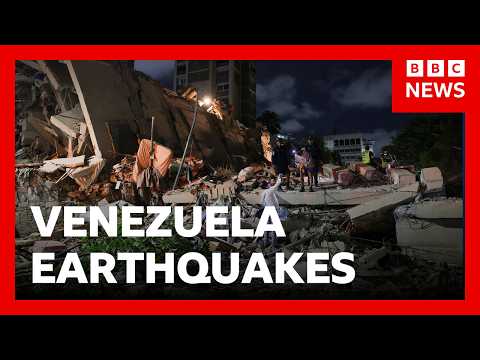
Venezuela earthquakes kill at least 32, with 700 injured | BBC News
0
林宜悉 posted on 2026/06/25Wow, this news report from BBC dives into the devastating earthquakes that recently struck Venezuela, showing the immediate aftermath and rescue efforts. You'll hear firsthand accounts of the terrifying experience and learn important vocabulary related to natural disasters and emergency situations. It's a powerful look at a real-world event that will definitely expand your understanding and language skills!
Learn this video on the APP!
The VoiceTube App has more in-depth practice for videos!