
abstract
US /ˈæbˌstrækt/
UK /'æbstrækt/
- Noun (Countable/Uncountable)
- Passage of text from an article or book
- Something that doesn't exist physically
- Adjective
- Concerning something that doesn't exist physically
- Relating to abstract art.
B1Morealmost all of
US
UK
- Determiner
- Nearly the entire quantity or number of something.
- Pronoun
- Nearly every person in a group.
A1Moreapproach
US /əˈprəʊtʃ/
UK /ə'prəʊtʃ/
- Verb (Transitive/Intransitive)
- To get close to reaching something or somewhere
- To request someone to do something specific
- Noun (Countable/Uncountable)
- Means of reaching a place, often a road or path
- Request of someone with a specific goal in mind
A2TOEICMorearchitecture
US /ˈɑrkɪˌtɛktʃɚ/
UK /ˈɑ:kɪtektʃə(r)/
- Uncountable Noun
- Design and construction of buildings
- The style or design of a building or buildings.
A2Moreas well as
US /æz wɛl æz/
UK /æz wel æz/
- Adverb
- Also; in addition to
- Preposition
- In addition to; and also.
A1Moreat least
US /æt list/
UK /æt li:st/
- Adverb
- As a minimum
- Not less than
- Phrase
- No less than; at the minimum
- Used to indicate that something is positive in a bad situation.
C2Moreat night
US /æt naɪt/
UK /æt nait/
- Phrase
- During the night; in the nighttime.
A1Moreat our disposal
US
UK
- Phrase
- Available for us to use whenever or however we wish.
B2Moreat scale
US
UK
- Phrase
- In large quantities; with significant reach or impact.
- Widely; extensively; with broad application.
A1Moreat some point
US /æt sʌm pɔɪnt/
UK /æt sʌm pɔint/
- Phrase
- At an unspecified time, usually in the future.
A1Moreback into
US /bæk ˈɪntu/
UK /bæk ˈɪntuː/
- Phrasal Verb
- To drive a vehicle backwards into a space or area.
- To accidentally collide with something while moving backwards.
A1Morebasically
US /ˈbesɪkəli,-kli/
UK /ˈbeɪsɪkli/
- Adverb
- Used before you explain something simply, clearly
- In essence; when you consider the most important aspects of something.
A2Morebias
US /ˈbaɪəs/
UK /'baɪəs/
- Noun (Countable/Uncountable)
- Preference to believe things even if incorrect
- A systematic error in a statistical result
- Transitive Verb
- To unfairly favor one view over another
- To cause someone to have prejudice
B1TOEICMorebring around
US
UK
- Phrasal Verb
- To persuade someone to do something or agree with you.
- To help someone regain consciousness.
burn through
US
UK
- Phrasal Verb
- To use up a supply of something, especially money, very quickly.
- To make a hole in something by burning it.
B1Morecache
US /kæʃ/
UK /kæʃ/
- Noun (Countable/Uncountable)
- (Weapons etc.) which are hidden away illegally
- Memory where webpages are kept until needed
- Transitive Verb
- To hide something, e.g. weapons or drugs
B2Morecapital
US /ˈkæpɪtl/
UK /'kæpɪtl/
- Noun
- Writing the first letter of a word in big letters
- Official main city of a country, province or state
- Adjective
- Main, or major
- (Of an offense) liable to the death penalty.
A2Morecome from
US /kʌm frʌm/
UK /kʌm frɔm/
- Phrasal Verb
- To have as your native country or city
A1Morecome together
US /kʌm təˈɡɛðɚ/
UK /kʌm təˈɡeðə/
- Phrasal Verb
- To assemble or unite; to start working together.
- To form a close relationship or bond.
A1Morecontext
US /ˈkɑnˌtɛkst/
UK /ˈkɒntekst/
- Noun (Countable/Uncountable)
- Set of facts surrounding a person or event
- The circumstances that form the setting for an event, statement, or idea, and in terms of which it can be fully understood and assessed.
A2Morecurrent
US /ˈkɚrənt, ˈkʌr-/
UK /'kʌrənt/
- Uncountable Noun
- Electricity flowing through wires
- Movement of water in a river, or air in the sky
- Adjective
- Happening or being in the present time
- In general use or accepted by most people.
A2Moredatum
US /ˈdetəm, ˈdætəm, ˈdɑtəm/
UK /ˈdeɪtəm/
- Noun
- Item of factual information
B1Moredig in
US /dɪɡ ɪn/
UK /diɡ in/
- Phrasal Verb
- To start eating eagerly and enthusiastically.
- To establish a defensive position; to entrench oneself.
B1Moredo in
US
UK
- Phrasal Verb
- To make completely tired out and exhausted
- To destroy or cause damage to someone
A1Moredominate
US /ˈdɑməˌnet/
UK /'dɒmɪneɪt/
- Verb (Transitive/Intransitive)
- To be taller, bigger, or more physically obvious
- To control; rule; enjoy a commanding position in
B1TOEICMoreefficient
US /ɪˈfɪʃənt/
UK /ɪˈfɪʃnt/
- Adjective
- Able to produce results without waste
- Capable of producing desired results with little or no waste (of time, energy, or other resources).
A2TOEICMoreend up with
US
UK
- Phrasal Verb
- To have something as a result.
A1Moreentire
US /ɛnˈtaɪr/
UK /ɪn'taɪə(r)/
- Adjective
- Complete or full; with no part left out; whole
- Undivided; not shared or distributed.
A2TOEICMoreevery kind of
US
UK
- Determiner
- Each and all types of something; all varieties of.
- A wide assortment or range of something.
A1Morefeel like
US
UK
- Intransitive Verb
- To have a desire or inclination for something.
- To have a particular quality or sensation; resemble.
A1Morefigure out
US /ˈfɪɡjɚ aʊt/
UK /ˈfiɡə aut/
- Phrasal Verb
- To understand the behavior of someone
- To think through logically to find a solution
- Verb (Transitive/Intransitive)
- To understand or find an answer to something.
- To find a solution to a problem or understand something.
A1Morefor days
US /fɔr dez/
UK /fɔ: deɪz/
- Phrase
- For a long period of time; lasting several days.
for example
US
UK
- Phrase
- As an illustration or instance.
from memory
US /frəm ˈmɛməri/
UK /frəm ˈmeməri/
- other
- Using only your memory without any help or notes.
B2Morefrontier
US /frʌnˈtɪr, frɑn-, ˈfrʌnˌtɪr, ˈfrɑn-/
UK /'frʌntɪə(r)/
- Noun
- Border crossing between countries
- Most advanced point of development or research
B1TOEICMorefundamental
US /ˌfʌndəˈmɛntl/
UK /ˌfʌndəˈmentl/
- Adjective
- Forming a necessary part, base, or core
- Of central importance.
- Noun (Countable/Uncountable)
- A basic part of something
- (Music) the lowest note in a harmony
A2TOEICMoreget back to
US /ɡɛt bæk tu/
UK /ɡet bæk tu:/
- Phrasal Verb
- To get in contact with someone again
- To return to someone or something; to respond at a later time.
A1Moregot to
US /ɡɑt tu/
UK /gɔt tu:/
- Verb (Transitive/Intransitive)
- To arrive at some place
- To have the opportunity or permission to do something
- Phrasal Verb
- To appeal to the emotions of; move
- To finally begin to start something after a delay
A1Morehard to say
US
UK
- Phrase
- Difficult to know or predict; uncertain.
A1Morehave to
US /hæv tu/
UK /ˈhæv tə/
- Auxiliary Verb
- Must do
A1Morein a sense
US /ɪn e sɛns/
UK /in ə sens/
- Phrase
- In one way of thinking; to some extent; in some ways.
B1Morein action
US
UK
- Phrase
- Actively doing something; performing a task or duty.
in charge
US /ɪn tʃɑrdʒ/
UK /in tʃɑ:dʒ/
- Adverb
- To be responsible for
A1Morein different ways
US
UK
- Phrase
- Using various methods or approaches; with variety.
- In varying manners or styles; not uniformly.
A1Morein fact
US /ɪn fækt/
UK /in fækt/
- Adverb
- Used to emphasize the truth of a statement, especially one that contrasts with or contradicts something else.
- Used to introduce a more detailed or surprising piece of information.
- Phrase
- Used to emphasize the truth of a statement, especially one that is surprising or contrary to what might be expected.
C1Morein general
US /ɪn ˈdʒɛnərəl/
UK /in ˈdʒenərəl/
- Phrase
- Typically; usually; on the whole.
- Not specific or detailed; broadly.
- Adjective
- Not detailed or specific; overall.
C2Morein on
US
UK
- Phrase
- To be involved in a secret or plan.
- To be aware of something that is secret or not generally known.
A1Morein order to
US /ɪn ˈɔrdɚ tu/
UK /in ˈɔ:də tu:/
- Preposition
- For the purpose of; with the aim of.
- Phrase
- In a specific sequence or arrangement.
- With the aim of; for the purpose of.
C1Morein progress
US /ɪn ˈprɑɡˌrɛs/
UK /in ˈprəuɡres/
- Adjective
- Currently taking place or being done; not yet completed.
- Phrase
- In the course of being done or carried out.
B1Morein terms of
US
UK
- Phrase
- With regard to; concerning a particular aspect.
A1Morein the hands of
US /ɪn ðə ˈhændz ʌv/
UK /in ðə ˈhændz ɔv/
- Preposition
- Under the control or responsibility of someone.
B1Morein the limit
US /ɪn ðə ˈlɪmɪt/
UK /in ðə ˈlɪmɪt/
- other
- Approaching a boundary or final value mathematically.
B2Morein the world
US /ɪn ði wɜrld/
UK /in ðə wɜː(r)ld/
- Phrase
- Used to emphasize a question expressing surprise, confusion, or disbelief.
- Used to indicate the extent or degree of something, often in a superlative sense.
A1Morein writing
US
UK
- Phrase
- Expressed or presented in written form, rather than spoken.
- Officially recorded in a written document, especially for legal purposes.
A1Moreindividual
US /ˌɪndəˈvɪdʒuəl/
UK /ˌɪndɪˈvɪdʒuəl/
- Countable Noun
- Single person, looked at separately from others
- A single thing or item, especially when part of a set or group.
- Adjective
- Made for use by one single person
- Having a distinct manner different from others
A2Moreinference
US /ˈɪnfərəns/
UK /ˈɪnfərəns/
- Uncountable Noun
- Conclusion reached after considering the evidence
- Suggestion being made, not said straight
B1TOEICMoreinstead of
US /ɪnˈstɛd ʌv/
UK /inˈsted ɔv/
- Preposition
- When one thing is replaced by another
- Adverb
- As a substitute or alternative.
A1Moreintelligence
US /ɪnˈtɛlədʒəns/
UK /ɪn'telɪdʒəns/
- Uncountable Noun
- Collection of secret information about something
- Ability to learn things or to consider situations
- Adjective
- Of the spying services; acting in secrecy
A2TOEICMoreinternalize
US /ɪnˈtɜ:rnəlaɪz/
UK /ɪnˈtɜ:nəlaɪz/
- Transitive Verb
- To accept attitudes, behavior as part of yourself
B1Morejust kind of
US
UK
- Phrase
- Used to express a feeling or state in a vague or hesitant way.
- Used to indicate something is approximately or generally similar to something else.
A2Morekick off
US /kɪk ɔf/
UK /kik ɔf/
- Verb (Transitive/Intransitive)
- To start a football match.
- To start a campaign or event.
- Phrasal Verb
- To begin or start something.
- To remove (shoes) by kicking.
A1Moreknow about
US /noʊ əˈbaʊt/
UK /nəʊ əˈbaut/
- Phrasal Verb
- To have information or understanding of a subject or situation.
like new
US /laɪk nu/
UK /laɪk nju:/
- other
- In very good, almost perfect condition as if unused.
A2Morelook at
US /lʊk æt/
UK /luk æt/
- Phrasal Verb
- To use your eyes to focus on something
- To focus your eyes on something carefully
A1Morelook back
US /lʊk bæk/
UK /luk bæk/
- Phrasal Verb
- To think about past events
A1Morelook for
US /lʊk fɔr/
UK /luk fɔ:/
- Phrasal Verb
- To try to find a thing or person that is lost
- To expect or anticipate something.
A1Moremagnitude
US /ˈmæɡnɪˌtud, -ˌtjud/
UK /ˈmægnɪtju:d/
- Noun
- Number representing force of an earthquake
- Size or importance
B2Moremove around
US /muv əˈraʊnd/
UK /mu:v əˈraund/
- Phrasal Verb
- To change position or location; to go from place to place.
- Intransitive Verb
- To spread or circulate (e.g., information, rumors).
no matter
US
UK
- Conjunction
- Regardless of; it does not matter.
- Adverb
- Regardless of; it is not important
A1Moreof a kind
US /ʌv e kaɪnd/
UK /ɔv ə kaind/
- Adjective
- Unique; not like anything else
- Phrase
- Sharing similar characteristics or qualities; alike
A1Moreoff the rails
US /ɔf ðə reɪlz/
UK /ɒf ðə reɪlz/
- other
- Out of control; behaving unpredictably.
B2Moreon end
US /ɑn ɛnd/
UK /ɔn end/
- Phrase
- Continuously; without stopping.
- In an upright position; standing vertically.
A1Moreon the fly
US /ɑn ði flai/
UK /ɔn ðə flai/
- Phrase
- While in motion or progress; spontaneously; without prior planning or preparation.
- Adjective
- (Of computing processes) performed while running a program, rather than in advance.
A1Moreover the fence
US /ˈoʊvɚ ðə ˈfɛns/
UK /ˈəuvə ðə ˈfens/
- Preposition
- Beyond a physical or figurative boundary or limit.
B1Moreover time
US /ˈovɚ taɪm/
UK /ˈəuvə taim/
- Phrase
- Gradually; as time passes.
- During a long period.
- Adverb
- Gradually; as time passes.
B1Moreplay out
US
UK
- Phrasal Verb
- To use up or exhaust
- To develop or happen in a particular way.
A1Morepremise
US /ˈprɛmɪs/
UK /'premɪs/
- Noun (Countable/Uncountable)
- Foundation idea in an argument/discussion
- A previous statement or proposition from which another is inferred or follows as a conclusion.
- Transitive Verb
- To base your argument on
- State or assume as a premise.
B1TOEICMorepretty clearly
US
UK
- Phrase
- In a manner that is very obvious or easy to understand.
A2Morerag
US /ræɡ/
UK /ræɡ/
- Noun (Countable/Uncountable)
- Piece of old cloth, usually used for cleaning
- Transitive Verb
- To make fun of someone; joke about
B2Morerather than
US
UK
- Adverb
- More exactly; more correctly
- Preferably; instead
- Preposition
- Instead of
A1Moreresearch
US /rɪˈsɚtʃ, ˈriˌsɚtʃ/
UK /rɪ'sɜ:tʃ/
- Verb (Transitive/Intransitive)
- To study in order to discover new ideas and facts
- To study the market relating to marketing products and services.
- Noun (Countable/Uncountable)
- Study done to discover new ideas and facts
- A particular area or topic of study.
A2TOEICMorescale
US /skel/
UK /skeɪl/
- Noun (Countable/Uncountable)
- Size, level, or amount when compared
- Small hard plates that cover the body of fish
- Verb (Transitive/Intransitive)
- To change the size of but keep the proportions
- To climb something large (e.g. a mountain)
A2TOEICMoreschool of thought
US
UK
- Noun
- A particular philosophy or set of beliefs; a way of thinking.
- A particular approach or method.
B1Moresearch for
US /sɚtʃ fɔr/
UK /sə:tʃ fɔ:/
- Phrasal Verb
- To try to find someone or something.
B1Moresee the light
US /si ði laɪt/
UK /si: ðə lait/
- Idiom
- To finally understand something after a period of confusion or ignorance.
- To come into existence or be made public.
A1Moreseparate
US /'sepəreɪt/
UK /'sepəreɪt/
- Adjective
- Being different from or unrelated to another
- Not connected; different.
- Transitive Verb
- To divide two things by being in between them
- To move things away from each other
A2TOEICMorestrip out
US
UK
- Phrasal Verb
- To remove or take away something that is not necessary or wanted.
A1Morestuff
US /stʌf/
UK /stʌf/
- Uncountable Noun
- Generic description for things, materials, objects
- Transitive Verb
- To push material inside something, with force
B1Moretake with
US
UK
- Phrasal Verb
- To bring something or someone along when you go somewhere.
- Verb (Transitive/Intransitive)
- To accept or endure something, especially something unpleasant, as a necessary part of an experience.
A1Moretalking about
US
UK
- Phrasal Verb
- To discuss a particular topic.
- To be constantly mentioning or bringing up a subject.
A1Moretask
US /tæsk/
UK /tɑ:sk/
- Noun (Countable/Uncountable)
- Big or small piece of work someone has to do
- Transitive Verb
- To be given something to do, e.g. wash dishes
A2TOEICMorethink about
US /θɪŋk əˈbaʊt/
UK /θiŋk əˈbaut/
- Phrasal Verb
- To consider something carefully.
- To remember or call to mind.
A1Morethink of
US /θɪŋk ʌv/
UK /θiŋk ɔv/
- Phrasal Verb
- To look on as (being something specific); consider
- To consider or remember something.
- Verb (Transitive/Intransitive)
- To imagine or call something to mind
A1Moreto scale
US
UK
- Phrase
- In proportion; maintaining accurate relative dimensions.
- Verb (Transitive/Intransitive)
- To increase or expand proportionally.
- To climb or ascend.
B2Moreto some extent
US /tu sʌm ɪkˈstɛnt/
UK /tu: sʌm iksˈtent/
- Phrase
- Partially; not completely.
A1Moretrade off
US /treid ɔf/
UK /treid ɔf/
- Noun (Countable/Uncountable)
- Exchange that occurs as a compromise
- Verb (Transitive/Intransitive)
- To accept that you cannot have everything you want and give up something that is less important so that you can have what is more important.
- To balance two opposing situations or qualities; to compromise.
C2Moreunder the assumption
US
UK
- Phrase
- Based on the belief or supposition that something is true.
A1Moreused to
US /juzd tu/
UK /ˈju:st tə/
- Adjective
- Did regularly before, but don't do now
- Auxiliary Verb
- Have done before, but do not do now
A1Morewith it
US /wɪð ɪt/
UK /wið it/
- Adjective
- Intelligent, alert, and up-to-date.
- Understanding and knowledgeable about current trends or information.
A1Morewith time
US
UK
- Phrase
- As time passes; eventually.
- Given enough time; in the course of time.
A1Morework at
US /wɚk æt/
UK /wə:k æt/
- Phrasal Verb
- To have a job at a particular place or organization.
- To make an effort to improve something.
A1Morework in
US /wɚk ɪn/
UK /wə:k in/
- Phrasal Verb
- To make an opening for something in your schedule
- To fit person/thing into a schedule or sequence
A1Morework on
US /wɚk ɑn/
UK /wə:k ɔn/
- Phrasal Verb
- To devote effort to improve or develop something
- To try to persuade or influence someone.
A1Morework over
US /wɝk ˈoʊvɚ/
UK /wɜ:k ˈəuvə/
- other
- To physically attack or beat someone severely.
- To revise, review, or improve something by careful effort.
B2Morewrite down
US /raɪt daʊn/
UK /rait daun/
- Phrasal Verb
- To record in writing
A1More
Vocabulary
- think about: To consider something carefully.
- have to: Must do
- look at: To use your eyes to focus on something
- as well as: Also; in addition to
- in terms of
- figure out: To understand the behavior of someone
- trade off: Exchange that occurs as a compromise
- in order to: For the purpose of; with the aim of.
- to some extent: Partially; not completely.
- to scale: In proportion; maintaining accurate relative dimensions.
- in the world: Used to emphasize a question expressing surprise, confusion, or disbelief.
- like new: In very good, almost perfect condition as if unused.
- come together: To assemble or unite; to start working together.
- work on: To devote effort to improve or develop something
- for example: As an illustration or instance.
- search for: To try to find someone or something.
- at least: As a minimum
- on the fly: While in motion or progress; spontaneously; without prior planning or preparation.
- do in: To make completely tired out and exhausted
- hard to say: Difficult to know or predict; uncertain.
- rather than: More exactly; more correctly
- talking about: To discuss a particular topic.
- work in: To make an opening for something in your schedule
- take with: To bring something or someone along when you go somewhere.
- got to: To arrive at some place
- in a sense: In one way of thinking; to some extent; in some ways.
- in on: To be involved in a secret or plan.
- dig in: To start eating eagerly and enthusiastically.
- kick off: To start a football match.
- think of: To look on as (being something specific); consider
- every kind of: Each and all types of something; all varieties of.
- get back to: To get in contact with someone again
- work over: To physically attack or beat someone severely.
- with time: As time passes; eventually.
- at our disposal: Available for us to use whenever or however we wish.
- under the assumption: Based on the belief or supposition that something is true.
- at some point: At an unspecified time, usually in the future.
- in fact: Used to emphasize the truth of a statement, especially one that contrasts with or contradicts something else.
- school of thought: A particular philosophy or set of beliefs; a way of thinking.
- strip out: To remove or take away something that is not necessary or wanted.
- back into: To drive a vehicle backwards into a space or area.
- at night: During the night; in the nighttime.
- come from: To have as your native country or city
- in the hands of: Under the control or responsibility of someone.
- see the light: To finally understand something after a period of confusion or ignorance.
- pretty clearly: In a manner that is very obvious or easy to understand.
- at scale: In large quantities; with significant reach or impact.
- over the fence: Beyond a physical or figurative boundary or limit.
- of a kind: Unique; not like anything else
- used to: Did regularly before, but don't do now
- with it: Intelligent, alert, and up-to-date.
- instead of: When one thing is replaced by another
- almost all of: Nearly the entire quantity or number of something.
- write down: To record in writing
- off the rails: Out of control; behaving unpredictably.
- on end: Continuously; without stopping.
- for days: For a long period of time; lasting several days.
- know about: To have information or understanding of a subject or situation.
- in general: Typically; usually; on the whole.
- look for: To try to find a thing or person that is lost
- play out: To use up or exhaust
- over time: Gradually; as time passes.
- no matter: Regardless of; it does not matter.
- feel like: To have a desire or inclination for something.
- bring around: To persuade someone to do something or agree with you.
- end up with: To have something as a result.
- move around: To change position or location; to go from place to place.
- burn through: To use up a supply of something, especially money, very quickly.
- in progress: Currently taking place or being done; not yet completed.
- in writing: Expressed or presented in written form, rather than spoken.
- in action: Actively doing something; performing a task or duty.
- work at: To have a job at a particular place or organization.
- in different ways: Using various methods or approaches; with variety.
- look back: To think about past events
- just kind of: Used to express a feeling or state in a vague or hesitant way.
- from memory: Using only your memory without any help or notes.
- in the limit: Approaching a boundary or final value mathematically.
- in charge: To be responsible for
- stuff: Generic description for things, materials, objects
- entire: Complete or full; with no part left out; whole
- approach: To get close to reaching something or somewhere
- individual: Single person, looked at separately from others
- context: Set of facts surrounding a person or event
- figure: To appear in a game, play or event
- basically: Used before you explain something simply, clearly
- term: Conditions applying to an agreement, contract
- scale: Size, level, or amount when compared
- completely: In every way or as much as possible
- intelligence: Collection of secret information about something
- bias: Preference to believe things even if incorrect
- sense: Certain mental feeling or emotion
- current: Electricity flowing through wires
- fundamental: Forming a necessary part, base, or core
- research: To study in order to discover new ideas and facts
- separate: Being different from or unrelated to another
- abstract: Passage of text from an article or book
- bit: Device put in a horse's mouth to control it
- brain: To strike someone forcefully on the head
- efficient: Able to produce results without waste
- task: Big or small piece of work someone has to do
- capital: Writing the first letter of a word in big letters
- state: Region within a country, with its own government
- form: Sports team or person's current winning record
- architecture: Design and construction of buildings
- pretty: Being attractive to the eye in a simple way
- dominate: To be taller, bigger, or more physically obvious
- magnitude: Number representing force of an earthquake
- company: Good feeling from being with someone else
- lot: What happens to a person in life from chance; fate
- premise: Foundation idea in an argument/discussion
- important: Having power or authority
- kind: In a caring and helpful manner
- order: Religious or social group, as of nuns
- learn: To get knowledge or skills by study or experience
- internalize: To accept attitudes, behavior as part of yourself
- frontier: Border crossing between countries
- rag: Piece of old cloth, usually used for cleaning
- datum: Item of factual information
- inference: Conclusion reached after considering the evidence
- cache: (Weapons etc.) which are hidden away illegally
Get the full experience in the app
Learn anywhere with detailed sentence and usage analysis
01:03
She took a brave step forward, leaving behind her comfort zone to chase her dreams.
Vocabulary
- brave
adj. Having courage
- comfort zone
phr. A familiar situation where one feels safe
Explanation
a brave step is a noun phrase, where brave is an adjective modifying the noun step, meaning "a courageous step".
forward is an adverb modifying step, meaning "ahead".
The whole phrase serves as the object, answering the "what" of took (verb) — she took a brave step forward.
Get the full experience in the app
Look up words anytime with pronunciation, part of speech, and usage
brave
US/brev/
UK/breɪv/
adj.Brave
v.t.To bravely face
A2 Elementary
Get the full experience in the app
Practice speaking anytime and get instant pronunciation feedback
Try this speaking exercise.
Try practicing with this sentence.
80
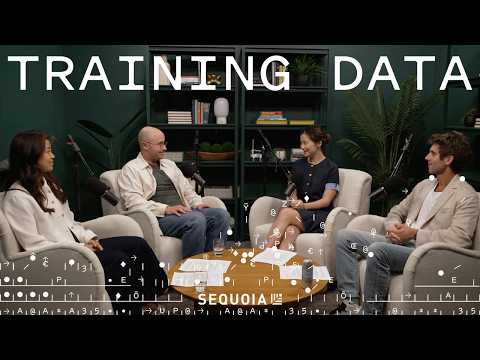
Memory and Continual Learning: Engram's Dan Biderman and Jessy Lin
0
林宜悉 posted on 2026/06/24Ever wonder how AI models can learn and adapt like humans? This fascinating chat with Engram's co-founders dives into the cutting edge of 'memory and continual learning' in AI, exploring how models can truly understand evolving contexts. You'll get a peek into how AI is being trained to deeply grasp company-specific information, moving beyond just general knowledge!
Learn this video on the APP!
The VoiceTube App has more in-depth practice for videos!