
accidentally
US /ˌæksɪ'dentəlɪ/
UK /ˌæksɪ'dentəlɪ/
- Adverb
- Unexpectedly; by mistake
A2Moreachievement
US /əˈtʃivmənt/
UK /əˈtʃi:vmənt/
- Noun (Countable/Uncountable)
- Something good that you have successfully done
- Success in school or studies.
A2TOEICMoreappease
US /əˈpiz/
UK /əˈpi:z/
- Transitive Verb
- To give in to someone's demands to avoid conflict
B2TOEICMoreat a time
US /æt e taɪm/
UK /æt ə taim/
- Phrase
- Separately; one by one
- Simultaneously; together
A1Moreat home
US /æt hom/
UK /æt həum/
- Phrase
- In one's own residence or country.
- Adjective
- Feeling comfortable and relaxed.
at last
US /æt læst/
UK /æt lɑ:st/
- Adverb
- Finally; after a long delay.
B1Moreat times
US /æt taɪmz/
UK /æt taɪmz/
- Phrase
- Sometimes; occasionally.
A1Moreback then
US
UK
- Phrase
- At that time in the past.
A1Morebenefit
US /ˈbɛnəfɪt/
UK /'benɪfɪt/
- Noun (Countable/Uncountable)
- Good result or effect, something advantageous
- A payment made by the state or an insurance policy to someone
- Verb (Transitive/Intransitive)
- To have a good effect or be helpful
- To receive an advantage; to be helped
A2TOEICMorebuddhist
US /'bʊdɪst/
UK /'bʊdɪst/
- Noun
- Someone who follows the teachings of Buddha
C2Morecalm
US /kɑm/
UK /kɑ:m/
- Adjective
- Without wind or storm; quiet; peaceful
- Relaxed and not worried or angry
- Verb (Transitive/Intransitive)
- To make or become relaxed and not worried or angry
A2Morecatch up
US /kætʃ ʌp/
UK /kætʃ ʌp/
- Phrasal Verb
- To become equal with another person
- To inform others of the latest news
- Verb (Transitive/Intransitive)
- To do something that you have not been able to do recently.
- To meet someone you know in order to talk to them and find out what they have been doing.
A1Moreconstantly
US /ˈkɑnstəntlɪ/
UK /ˈkɒnstəntli/
- Adverb
- Frequently, or without pause
- In a way that is unchanging or faithful
B1Morecontemplate
US /ˈkɑntəmˌplet/
UK /'kɒntəmpleɪt/
- Verb (Transitive/Intransitive)
- To consider whether you will do something
- To think deeply or carefully about something.
B1Morecope with
US /kop wɪð/
UK /kəup wið/
- Phrasal Verb
- To deal successfully with a difficult situation.
A1Moreculture
US /ˈkʌltʃɚ/
UK /'kʌltʃə(r)/
- Noun (Countable/Uncountable)
- Beliefs and customs of a particular group
- The customs, beliefs, art, and all the other things that a group of people share and consider important.
- Transitive Verb
- To grow cells, tissues, bacteria, etc. in a controlled environment.
A2Moredecay
US /dɪˈke/
UK /dɪˈkeɪ/
- Intransitive Verb
- To be slowly destroyed by natural processes; rot
- To lose health or strength
- Uncountable Noun
- Slow loss of physical or mental health
B1Moredepict
US /dɪˈpɪkt/
UK /dɪ'pɪkt/
- Transitive Verb
- To represent or describe something using words
- To represent or show something in a picture or painting; to portray visually.
B1TOEICMoredisgrace
US /dɪsˈɡres/
UK /dɪsˈgreɪs/
- Noun (Countable/Uncountable)
- Shame or dishonor
B2Moredistress
US /dɪˈstrɛs/
UK /dɪ'stres/
- Uncountable Noun
- State of great sadness, anxiety or pain
- Condition of danger or emergency
- Transitive Verb
- To cause someone anxiety or sadness
- To be in financial trouble
B1Moreera
US /'ɪrə/
UK /'ɪərə/
- Noun
- Period characterized by particular events, people
- A major division of geological time, usually divided into periods.
B1Moreessence
US /ˈɛsəns/
UK /'esns/
- Uncountable Noun
- Most important part or quality of something
- Substance that has a very strong, unique smell
B1TOEICMoreevery kind of
US
UK
- Determiner
- Each and all types of something; all varieties of.
- A wide assortment or range of something.
A1Moreexile
US /ˈɛɡˌzaɪl, ˈɛkˌsaɪl/
UK /'eksaɪl/
- Uncountable Noun
- State of being forced to leave your country
- Transitive Verb
- One forced to leave their home and live elsewhere
B2Morefor example
US
UK
- Phrase
- As an illustration or instance.
for long
US
UK
- Phrase
- For a considerable period of time.
- For a significant duration in the future.
A1Morefor the best
US
UK
- Phrase
- Resulting in the most positive or beneficial outcome, even if it's difficult or painful in the short term.
- Hoping for a positive outcome.
A1Morefrightening
US
UK
- Transitive Verb
- To make someone afraid or nervous
- Adjective
- Being scary
A2Moregather
US /ˈɡæðɚ/
UK /ˈgæðə(r)/
- Transitive Verb
- To bring objects together into one place
- To collect foods such as wild berries or crops
- Noun
- Fold in cloth, as in a full skirt
A2TOEICMoregaze
US /ɡez/
UK /ɡeɪz/
- Noun
- Direction you are looking
- Intransitive Verb
- To look at with fixed eyes
A2Moregigantic
US /dʒaɪˈɡæntɪk/
UK /dʒaɪ'ɡæntɪk/
- Adjective
- Extremely large
- Of very great size, extent, or degree.
B2Moregrief
US /ɡrif/
UK /ɡri:f/
- Uncountable Noun
- Feeling of great sadness because someone has died
- Things that are troublesome or annoying
B1Morehave to
US /hæv tu/
UK /ˈhæv tə/
- Auxiliary Verb
- Must do
A1Moreimmensely
US /ɪˈmensli/
UK /ɪˈmensli/
- Adverb
- Very much; greatly; a lot
B1Morein fact
US /ɪn fækt/
UK /in fækt/
- Adverb
- Used to emphasize the truth of a statement, especially one that contrasts with or contradicts something else.
- Used to introduce a more detailed or surprising piece of information.
- Phrase
- Used to emphasize the truth of a statement, especially one that is surprising or contrary to what might be expected.
C1Morein order to
US /ɪn ˈɔrdɚ tu/
UK /in ˈɔ:də tu:/
- Preposition
- For the purpose of; with the aim of.
- Phrase
- In a specific sequence or arrangement.
- With the aim of; for the purpose of.
C1Morein particular
US /ɪn pɚˈtɪkjəlɚ/
UK /in pəˈtikjulə/
- Phrase
- Specifically; especially.
- Detailed or precise.
A1Morein the midst of
US
UK
- Phrase
- Surrounded by; in the middle of.
- During; while something is happening.
A1Morein turn
US
UK
- Adverb
- One after the other in a sequence or rotation.
A1Moreinfamy
US /ˈɪnfəmi/
UK /ˈɪnfəmi/
- Uncountable Noun
- State of extreme dishonor
C2Moreingenuity
US /ˌɪndʒəˈnuɪti, -ˈnju-/
UK /ˌɪndʒə'nju:ətɪ/
- Uncountable Noun
- Cleverness and originality
- The ability to solve difficult problems, often in an original and creative way.
C1Moreinherently
US /ɪn'herəntlɪ/
UK /ɪn'herəntlɪ/
- Adverb
- As an essential part of
B1Moreliberation
US /ˌlɪbəˈreʃən/
UK /ˌlɪbə'reɪʃn/
- Uncountable Noun
- Act of setting someone or something free
B2Morelifespan
US /ˈlaɪfspæn/
UK /ˈlaɪfspæn/
- Noun
- Length of time something is expected to last
B2Morelook for
US /lʊk fɔr/
UK /luk fɔ:/
- Phrasal Verb
- To try to find a thing or person that is lost
- To expect or anticipate something.
A1Morelook to
US
UK
- Phrasal Verb
- Be looking to. be planning to (do something)
- To expect someone to do something for you; rely on
A1Moreloom
US /lum/
UK /lu:m/
- Intransitive Verb
- To appear in a large, unclear, or threatening form
- (Of unpleasant thing) to be close to happening
- Countable Noun
- Device with a frame used to make cloth from thread
B2TOEICMoremelancholy
US /ˈmɛlənˌkɑli/
UK /ˈmelənkəli/
- Adjective
- Having a sad mood or feeling
- Uncountable Noun
- sadness that lasts for a long period of time, often without any obvious reason
B2Moremount
US /maʊnt/
UK /maʊnt/
- Transitive Verb
- To attach something to something else
- To set a picture, jewel etc. in
- Noun
- An attachment used to keep something in place
- Horse that someone is riding
B2Moreneglect
US /nɪˈɡlɛkt/
UK /nɪ'ɡlekt/
- Uncountable Noun
- Act of failing to do something important, required
- State or condition of not receiving proper care
- Transitive Verb
- To not do something that is important or required
- To fail to take care of something; ignore
B1TOEICMorenext to
US /nɛkst tu/
UK /nekst tu:/
- Preposition
- Being located along side another
- In comparison with
- Adverb
- Almost; nearly
A1Moreobscure
US /əbˈskjʊr/
UK /əbˈskjʊə(r)/
- Transitive Verb
- To hide something to make it difficult to be seen
- Make unclear, vague, or difficult to understand.
- Adjective
- Being confusing and difficult to understand
- Not famous; unknown by most people
B2Moreoccasion
US /əˈkeʒən/
UK /ə'keɪʒn/
- Noun
- Significant or important event or function
- Time when something happens or takes place
- Transitive Verb
- To make or cause something to happen; to lead to
A2TOEICMoreout of favour
US /aʊt əv ˈfeɪvɚ/
UK /aʊt əv ˈfeɪvə/
- other
- Not popular or liked by someone or a group.
B2Morepersecute
US /ˈpɜ:rsɪkju:t/
UK /ˈpɜ:sɪkju:t/
- Transitive Verb
- To ill-treat, oppress or harass, as for religion
C1Moreperspective
US /pɚˈspɛktɪv/
UK /pə'spektɪv/
- Noun (Countable/Uncountable)
- Artistic method of creating a sense of distance
- Ability to understand what is important in life
B1TOEICMorepunishment
US /ˈpʌnɪʃmənt/
UK /ˈpʌnɪʃmənt/
- Noun
- Being punished; thing you do when being punished
- Physically rough treatment
A2Morepure
US /pjʊr/
UK /pjʊə(r)/
- Adjective
- Not mixed with anything else
- Being morally good
A2Morepure and simple
US /pjʊɚ ənd ˈsɪmpl/
UK /pjʊə ənd ˈsɪmpl/
- other
- Used to emphasize that something is exactly as stated, nothing more.
B2Morerather than
US
UK
- Adverb
- More exactly; more correctly
- Preferably; instead
- Preposition
- Instead of
A1Moreredeem
US /rɪˈdim/
UK /rɪ'di:m/
- Transitive Verb
- To exchange (coupon/voucher) for merchandise, etc.
B2TOEICMorerelief
US /rɪˈlif/
UK /rɪˈli:f/
- Noun (Countable/Uncountable)
- Aid given to people in need as after war/disaster
- Artwork, e.g. part of wall, that partly sticks out
B1TOEICMoresearch for
US /sɚtʃ fɔr/
UK /sə:tʃ fɔ:/
- Phrasal Verb
- To try to find someone or something.
B1Moresettle in
US /ˈsɛtl ɪn/
UK /ˈsetl in/
- Phrasal Verb
- To become comfortable in a new place or situation.
B2Moreshroud
US /ʃraʊd/
UK /ʃraʊd/
- Transitive Verb
- To hide, as with secrecy; make it difficult to see
- Noun
- Cover for a dead body
C1Moresight
US /saɪt/
UK /saɪt/
- Transitive Verb
- To aim (a gun) at something to get your range
- To see something rare or unusual
- Noun (Countable/Uncountable)
- Things or people that one can see
- Range or distance that someone can see
A2TOEICMoresimplicity
US /sɪmˈplɪsɪti/
UK /sɪm'plɪsətɪ/
- Uncountable Noun
- Being easy to understand or use
C1Morestiff
US /stɪf/
UK /stɪf/
- Noun
- Slang term for a dead body
- Adjective
- Frozen still due to fear or anger
- Not able to be bent
B1Morestrengthen
US /ˈstrɛŋkθən,ˈstrɛŋ-,ˈstrɛn-/
UK /ˈstreŋθn/
- Transitive Verb
- To make something stronger
A2TOEICMorestress
US / strɛs/
UK /stres/
- Transitive Verb
- To emphasize one or more parts of a word, sentence
- To put pressure on something or someone
- Noun (Countable/Uncountable)
- Emphasis on part of a word or sentence
- Pressure on something or someone
A2TOEICMoretenderness
US /ˈtɛndɚnɪs/
UK /'tendənɪs/
- Uncountable Noun
- Pain that is felt (as when the area is touched)
B2Moretherapy
US /ˈθɛrəpi/
UK /'θerəpɪ/
- Noun (Countable/Uncountable)
- Treatment to help cure an illness
- Psychological counseling to help resolve personal or emotional problems.
B2Morethrow off
US /θro ɔf/
UK /θrəu ɔf/
- Phrasal Verb
- To put out (heat, smell etc.); emit
- To escape from something or someone
A1Moretreacherous
US /ˈtrɛtʃərəs/
UK /ˈtretʃərəs/
- Adjective
- Dangerously unstable and unpredictable
B2TOEICMoreturbulent
US /ˈtɜ:rbjələnt/
UK /ˈtɜ:bjələnt/
- Adjective
- (Of water) moving violently and unevenly
- (Of times) unstable and unpredictable
B2Moreturn to
US /tɚn tu/
UK /tə:n tu:/
- Phrasal Verb
- To go to someone for help, advice, or information.
- To start doing or using something, often something bad or undesirable.
A1Moreunfold
US /ʌnˈfold/
UK /ʌn'fəʊld/
- Verb (Transitive/Intransitive)
- (Of a situation) to be told or revealed
- To open something that was folded
- Intransitive Verb
- To happen, be told or be revealed
B1Morevast
US /væst/
UK /vɑ:st/
- Adjective
- Being very large in size or amount
A2TOEICMore
Vocabulary
- in order to: For the purpose of; with the aim of.
- have to: Must do
- for the best: Resulting in the most positive or beneficial outcome, even if it's difficult or painful in the short term.
- in particular: Specifically; especially.
- in fact: Used to emphasize the truth of a statement, especially one that contrasts with or contradicts something else.
- search for: To try to find someone or something.
- next to: Being located along side another
- rather than: More exactly; more correctly
- throw off: To put out (heat, smell etc.); emit
- turn to: To go to someone for help, advice, or information.
- for long: For a considerable period of time.
- back then: At that time in the past.
- at home: In one's own residence or country.
- catch up: To become equal with another person
- at last: Finally; after a long delay.
- at times: Sometimes; occasionally.
- cope with: To deal successfully with a difficult situation.
- every kind of: Each and all types of something; all varieties of.
- out of favour: Not popular or liked by someone or a group.
- settle in: To become comfortable in a new place or situation.
- pure and simple: Used to emphasize that something is exactly as stated, nothing more.
- for example: As an illustration or instance.
- at a time: Separately; one by one
- in the midst of: Surrounded by; in the middle of.
- look for: To try to find a thing or person that is lost
- in turn: One after the other in a sequence or rotation.
- look to: Be looking to. be planning to (do something)
- perspective: Artistic method of creating a sense of distance
- constantly: Frequently, or without pause
- vast: Being very large in size or amount
- matter: To be of great importance; to count
- therapy: Treatment to help cure an illness
- melancholy: Having a sad mood or feeling
- stress: To emphasize one or more parts of a word, sentence
- grief: Feeling of great sadness because someone has died
- calm: Without wind or storm; quiet; peaceful
- distress: State of great sadness, anxiety or pain
- inherently: As an essential part of
- occasion: Significant or important event or function
- essence: Most important part or quality of something
- neglect: Act of failing to do something important, required
- obscure: To hide something to make it difficult to be seen
- benefit: Good result or effect, something advantageous
- gigantic: Extremely large
- contemplate: To consider whether you will do something
- immensely: Very much; greatly; a lot
- stiff: Slang term for a dead body
- depict: To represent or describe something using words
- relief: Aid given to people in need as after war/disaster
- era: Period characterized by particular events, people
- leave: To go away from; depart
- frightening: To make someone afraid or nervous
- lifespan: Length of time something is expected to last
- accidentally: Unexpectedly; by mistake
- achievement: Something good that you have successfully done
- culture: Beliefs and customs of a particular group
- gaze: Direction you are looking
- strengthen: To make something stronger
- century: Period of 100 years
- sight: To aim (a gun) at something to get your range
- kind: In a caring and helpful manner
- decay: To be slowly destroyed by natural processes; rot
- order: Religious or social group, as of nuns
- gather: To bring objects together into one place
- allow: To admit the validity or truth of something
- simple: Not hard to understand or do; not complex
- pure: Not mixed with anything else
- tenderness: Pain that is felt (as when the area is touched)
- unfold: (Of a situation) to be told or revealed
- ingenuity: Cleverness and originality
- modern: Of the present time; up to date; contemporary
- exile: State of being forced to leave your country
- simplicity: Being easy to understand or use
- redeem: To exchange (coupon/voucher) for merchandise, etc.
- deep: Complex and important
- treacherous: Dangerously unstable and unpredictable
- fast: In a way that is difficult to move or change
- loom: To appear in a large, unclear, or threatening form
- mount: To attach something to something else
- world: All the humans, events, activities on the earth
- punishment: Being punished; thing you do when being punished
- appease: To give in to someone's demands to avoid conflict
- turbulent: (Of water) moving violently and unevenly
- disgrace: Shame or dishonor
- life: All the living things e.g. animals, plants, humans
- nature: Person's character or particular way of behaving
- time: Speed at which music is played; tempo
- liberation: Act of setting someone or something free
- touch: To affect feelings, especially by causing sympathy
- buddhist: Someone who follows the teachings of Buddha
- persecute: To ill-treat, oppress or harass, as for religion
- infamy: State of extreme dishonor
- shroud: To hide, as with secrecy; make it difficult to see
Get the full experience in the app
Learn anywhere with detailed sentence and usage analysis
01:03
She took a brave step forward, leaving behind her comfort zone to chase her dreams.
Vocabulary
- brave
adj. Having courage
- comfort zone
phr. A familiar situation where one feels safe
Explanation
a brave step is a noun phrase, where brave is an adjective modifying the noun step, meaning "a courageous step".
forward is an adverb modifying step, meaning "ahead".
The whole phrase serves as the object, answering the "what" of took (verb) — she took a brave step forward.
Get the full experience in the app
Look up words anytime with pronunciation, part of speech, and usage
brave
US/brev/
UK/breɪv/
adj.Brave
v.t.To bravely face
A2 Elementary
Get the full experience in the app
Practice speaking anytime and get instant pronunciation feedback
Try this speaking exercise.
Try practicing with this sentence.
80
0
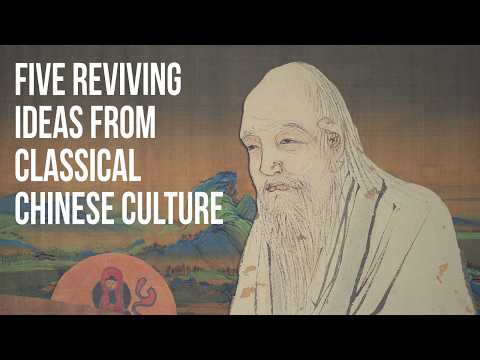
林宜悉 posted on 2026/06/24Ever feel overwhelmed by life's pressures? This video explores five timeless ideas from classical Chinese culture—like embracing our smallness in the universe and finding solace in sadness—that can help you cope with modern anxieties. You'll discover profound wisdom and beautiful poetry that can offer comfort and a fresh perspective on your own life.
Learn this video on the APP!
The VoiceTube App has more in-depth practice for videos!