
alliance
US /əˈlaɪəns/
UK /əˈlaɪəns/
- Noun
- Group of people/organizations working together
B1TOEICMorealso known as
US
UK
- Phrase
- Also called; alternatively named.
- Identified by another term; synonymous with.
A1Moreat war
US /æt wɔr/
UK /æt wɔ:/
- Phrase
- Engaged in a war; fighting
A2Moreat work
US /æt wɚk/
UK /æt wə:k/
- Phrase
- Located at one's place of employment
A1Morebomb
US /bɑm/
UK /bɒm/
- Transitive Verb
- To attack with explosives
- Noun
- An explosive device
B1Morebreakaway
US /ˈbrekəˌwe/
UK /ˈbreɪkəweɪ/
- Adjective
- Separated/wanting separation from a group/policy
C2Morebrutal
US /ˈbrutl/
UK /'bru:tl/
- Adjective
- Extremely violent or mean
B1Morecannibalism
US /'kænɪbəlɪzəm/
UK /'kænɪbəlɪzəm/
- Uncountable Noun
- Practice of one human eating another
- The practice where an animal eats all or part of another animal of the same species.
C1Morecavalry
US /ˈkævəlri/
UK /ˈkævlri/
- Noun (plural)
- Soldiers trained to fight on horseback
B2Morecease
US /sis/
UK /si:s/
- Verb (Transitive/Intransitive)
- To come or bring to an end; stop continuing
B1Morecivil
US /ˈsɪvəl/
UK /ˈsɪvl/
- Adjective
- Of citizens of a country; not military, criminal
- Acting in a polite, but not truly friendly manner
B1Morecommit
US /kəˈmɪt/
UK /kə'mɪt/
- Transitive Verb
- To do something bad, usually a crime
- To promise your permanent love or loyalty (to)
A2TOEICMorecommunicate
US /kəˈmjunɪˌket/
UK /kə'mju:nɪkeɪt/
- Verb (Transitive/Intransitive)
- To give and exchange information
- To convey or make known (information, feelings, etc.)
A2Moreconflict
US /ˈkɑnˌflɪkt/
UK /'kɒnflɪkt/
- Noun (Countable/Uncountable)
- Argument or struggle between two or more parties
- A serious disagreement or argument.
- Verb (Transitive/Intransitive)
- To have opposite ideas; to disagree; To not match
A2Moreconquer
US /ˈkɑŋkɚ/
UK /'kɒŋkə(r)/
- Transitive Verb
- To take possession of (land, city) with an army
- To beat something difficult, e.g. a fear; overcome
B2Moreconquest
US /ˈkɑ:ŋkwest/
UK /ˈkɒŋkwest/
- Noun (Countable/Uncountable)
- Land or a nation won or taken by force, an army
B2Moredebate
US / dɪˈbet/
UK /dɪ'beɪt/
- Noun (Countable/Uncountable)
- General public discussion of a topic
- A formal event where two sides discuss a topic
- Verb (Transitive/Intransitive)
- To consider options before making a decision
- To take part in a formal discussion
A2TOEICMoredepending on
US
UK
- Phrasal Verb
- To rely on for support (financial or emotional)
- Influenced or determined by.
- Preposition
- Subject to; contingent on
- Relying on someone or something for support or assistance.
A2Moredestroy
US /dɪˈstrɔɪ/
UK /dɪ'strɔɪ/
- Transitive Verb
- To damage so badly that something no longer exists
- To defeat someone or something easily
A2TOEICMoredisease
US /dɪˈziz/
UK /dɪˈzi:z/
- Noun (Countable/Uncountable)
- Illness that affects a person, animal, or plant
- A disorder of structure or function in a plant, especially one caused by a pathogen.
- Transitive Verb
- To affect with disease; to corrupt or sicken.
A2TOEICMoredynasty
US /ˈdaɪnəsti/
UK /ˈdɪnəsti/
- Countable Noun
- Family that controls a country for a long time
B1Moreemperor
US /ˈɛmpəɚ/
UK /'empərə(r)/
- Noun
- Man who rules an empire
B1Moreempire
US /ˈɛmˌpaɪr/
UK /ˈempaɪə(r)/
- Countable Noun
- Group of countries controlled by one government
- A large and important business or group of businesses owned by one person or company.
- Adjective
- A style of dress with a high waistline, just below the bust.
B1Moreensue
US /ɛnˈsu/
UK /ɪn'sju:/
- Intransitive Verb
- To happen as a result of
B2TOEICMoreestablish
US /ɪˈstæblɪʃ/
UK /ɪˈstæblɪʃ/
- Transitive Verb
- To set or create something to last for a long time
- To use facts, evidence to show truth or clarity
A2TOEICMoreestimate
US /ˈɛstəˌmet/
UK /'estɪmət/
- Noun (Countable/Uncountable)
- Guess or calculation of cost, size or value
- A judgment or opinion.
- Transitive Verb
- To guess or calculate the cost, size or value of
- To form an approximate idea or judgment of.
A2TOEICMoreexact
US /ɪɡˈzækt/
UK /ɪɡ'zækt/
- Adjective
- Completely correct; accurate; specific
- Transitive Verb
- To get something, sometimes using force
A2TOEICMorefamine
US /ˈfæmɪn/
UK /ˈfæmɪn/
- Noun (Countable/Uncountable)
- Long-lasting period of little food in an area
- A drastic food shortage in a large area or country.
B2Moreflee
US /fli/
UK /fli:/
- Intransitive Verb
- To leave somewhere urgently, to avoid danger
B1Moregive up
US /ɡɪv ʌp/
UK /ɡiv ʌp/
- Phrasal Verb
- To lose hope or admit defeat
- To decide to not start to try solving a problem
- Verb Phrase
- to surrender an item; hand over an item
A1Morehave to
US /hæv tu/
UK /ˈhæv tə/
- Auxiliary Verb
- Must do
A1Morein general
US /ɪn ˈdʒɛnərəl/
UK /in ˈdʒenərəl/
- Phrase
- Typically; usually; on the whole.
- Not specific or detailed; broadly.
- Adjective
- Not detailed or specific; overall.
C2Morein the west
US
UK
- Phrase
- Located in or towards the west.
- Located in the western part of a country or region.
A1Moreinitially
US /ɪˈnɪʃəli/
UK /ɪˈnɪʃəli/
- Adverb
- At first; originally
- In the first stage of a process or development.
A2TOEICMoreinvolve
US /ɪnˈvɑlv/
UK /ɪn'vɒlv/
- Transitive Verb
- To have or be included as a part of something
- To cause (a person or group) to take part in an event or activity.
A2TOEICMorelook at
US /lʊk æt/
UK /luk æt/
- Phrasal Verb
- To use your eyes to focus on something
- To focus your eyes on something carefully
A1Moremassacre
US /ˈmæsəkɚ/
UK /'mæsəkə(r)/
- Noun
- Killing of a large number of people
- Transitive Verb
- To kill a large number of people
B2TOEICMoremight well
US
UK
- Modal Verb
- Used to indicate a good possibility or likelihood.
- Used to suggest a sensible or advisable course of action.
A1Moremongol
US
UK
- Adjective
- Someone who is native to Mongolia
B2Moreobscure
US /əbˈskjʊr/
UK /əbˈskjʊə(r)/
- Transitive Verb
- To hide something to make it difficult to be seen
- Make unclear, vague, or difficult to understand.
- Adjective
- Being confusing and difficult to understand
- Not famous; unknown by most people
B2Moreoutnumber
US /aʊtˈnʌmbɚ/
UK /ˌaʊtˈnʌmbə(r)/
- Transitive Verb
- To be larger than something in number
B2Moreoutside of
US /aʊtˈsaɪd ʌv/
UK /ˌautˈsaid ɔv/
- Preposition
- Located or situated beyond the boundaries or confines of something.
- Beyond the scope, range, or limits of something.
A1Morepopulation
US /ˌpɑpjəˈleʃən/
UK /ˌpɒpjuˈleɪʃn/
- Noun (Countable/Uncountable)
- Number of people who live in a country, area etc.
- A group of individuals of one species living in a particular area.
A2TOEICMorepotentially
US /pəˈtɛnʃəlɪ/
UK /pə'tenʃəlɪ/
- Adverb
- That could happen or become reality
B1Morerebellion
US /rɪˈbɛljən/
UK /rɪ'beljən/
- Uncountable Noun
- Act of conflicting with someone in authority
- Resisting and fighting against existing authority
B1Morerevolt
US /rɪˈvolt/
UK /rɪ'vəʊlt/
- Noun
- Protest against authority; fight to take control
- Intransitive Verb
- To refuse to obey someone's authority or wishes
B2Morerule
US /ruːl/
UK /ruːl/
- Noun (Countable/Uncountable)
- Something that is normal and usually happens
- Governmental control or power over a region
- Verb (Transitive/Intransitive)
- To decide legally, especially in court
- To have control or influence
A2TOEICMorerule in
US
UK
- Phrasal Verb
- To make an official decision in favor of someone in a legal case.
B1Moresectarian
US /sekˈteriən/
UK /sekˈteəriən/
- Adjective
- Restricted to one particular religious group
B2Moreseek
US /sik/
UK /si:k/
- Transitive Verb
- To ask someone for help
- To search for; try to find or do; look for
A2TOEICMoreset about
US /sɛt əˈbaʊt/
UK /set əˈbaut/
- Phrasal Verb
- To begin or start to do something
A1Morespeak to
US /spik tu/
UK /spi:k tu:/
- Verb (Transitive/Intransitive)
- To address or communicate with someone.
- To indicate or suggest something; to be relevant to.
A1Morestarvation
US /stɑ:rˈveɪʃn/
UK /stɑ:ˈveɪʃn/
- Uncountable Noun
- Extreme hunger; death from lack of food
B1Moretalking about
US
UK
- Phrasal Verb
- To discuss a particular topic.
- To be constantly mentioning or bringing up a subject.
A1Moretang
US /tæŋ/
UK /tæŋ/
- Noun
- Sharp, slightly sour taste or smell
B2Moretoll
US /tol/
UK /təʊl/
- Noun (Countable/Uncountable)
- Sound that a big bell makes, when it is rung
- Number of people hurt or killed in a disaster
- Intransitive Verb
- (Bell) to ring in a slow, loud and repeated way
B2TOEICMoreturn against
US
UK
- Phrasal Verb
- To stop being a supporter or friend of
A1Moreviolence
US /ˈvaɪələns/
UK /ˈvaɪələns/
- Uncountable Noun
- Strong physical force of nature
- Use of physical force to harm someone
B1Morewidespread
US /ˈwaɪdˈsprɛd/
UK /ˈwaɪdspred/
- Adjective
- Happening or existing in many places
A2TOEICMore
Vocabulary
- in the west: Located in or towards the west.
- give up: To lose hope or admit defeat
- in general: Typically; usually; on the whole.
- speak to: To address or communicate with someone.
- at war: Engaged in a war; fighting
- have to: Must do
- look at: To use your eyes to focus on something
- rule in: To make an official decision in favor of someone in a legal case.
- talking about: To discuss a particular topic.
- at work: Located at one's place of employment
- also known as: Also called; alternatively named.
- outside of: Located or situated beyond the boundaries or confines of something.
- set about: To begin or start to do something
- turn against: To stop being a supporter or friend of
- depending on: To rely on for support (financial or emotional)
- might well: Used to indicate a good possibility or likelihood.
- debate: General public discussion of a topic
- potentially: That could happen or become reality
- conflict: Argument or struggle between two or more parties
- general: Widespread, normal or usual
- exact: Completely correct; accurate; specific
- disease: Illness that affects a person, animal, or plant
- conquer: To take possession of (land, city) with an army
- commit: To do something bad, usually a crime
- initially: At first; originally
- estimate: Guess or calculation of cost, size or value
- brutal: Extremely violent or mean
- establish: To set or create something to last for a long time
- toll: Sound that a big bell makes, when it is rung
- famine: Long-lasting period of little food in an area
- form: Sports team or person's current winning record
- obscure: To hide something to make it difficult to be seen
- population: Number of people who live in a country, area etc.
- account: An advantage
- involve: To have or be included as a part of something
- seek: To ask someone for help
- widespread: Happening or existing in many places
- communicate: To give and exchange information
- interest: Best or most advantageous thing for someone
- lead: Wire for electricity, computer, etc.; cable
- flee: To leave somewhere urgently, to avoid danger
- civil: Of citizens of a country; not military, criminal
- fall: Season after summer and before winter; Autumn
- violence: Strong physical force of nature
- secret: Kept hidden from others; Known only to a few people
- destroy: To damage so badly that something no longer exists
- century: Period of 100 years
- continue: To do something without stopping, or after pausing
- turn: To become (a particular age)
- rule: Something that is normal and usually happens
- alliance: Group of people/organizations working together
- cease: To come or bring to an end; stop continuing
- revolt: Protest against authority; fight to take control
- rebellion: Act of conflicting with someone in authority
- empire: Group of countries controlled by one government
- emperor: Man who rules an empire
- world: All the humans, events, activities on the earth
- dynasty: Family that controls a country for a long time
- area: Amount of measured space
- massacre: Killing of a large number of people
- found: To become aware of something that is happening
- human: A person; a man, woman or child
- fight: To argue or quarrel with someone about something
- starvation: Extreme hunger; death from lack of food
- conquest: Land or a nation won or taken by force, an army
- cavalry: Soldiers trained to fight on horseback
- bomb: To attack with explosives
- ensue: To happen as a result of
- cannibalism: Practice of one human eating another
- outnumber: To be larger than something in number
- tang: Sharp, slightly sour taste or smell
- sectarian: Restricted to one particular religious group
- breakaway: Separated/wanting separation from a group/policy
- mongol: Someone who is native to Mongolia
Get the full experience in the app
Learn anywhere with detailed sentence and usage analysis
01:03
She took a brave step forward, leaving behind her comfort zone to chase her dreams.
Vocabulary
- brave
adj. Having courage
- comfort zone
phr. A familiar situation where one feels safe
Explanation
a brave step is a noun phrase, where brave is an adjective modifying the noun step, meaning "a courageous step".
forward is an adverb modifying step, meaning "ahead".
The whole phrase serves as the object, answering the "what" of took (verb) — she took a brave step forward.
Get the full experience in the app
Look up words anytime with pronunciation, part of speech, and usage
brave
US/brev/
UK/breɪv/
adj.Brave
v.t.To bravely face
A2 Elementary
Get the full experience in the app
Practice speaking anytime and get instant pronunciation feedback
Try this speaking exercise.
Try practicing with this sentence.
80
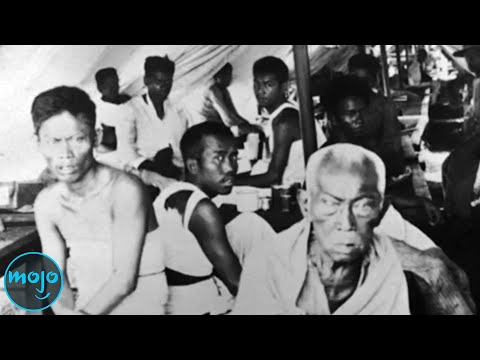
10 HORRIFIC Wars You Probably Never Learned About
0
林宜悉 posted on 2026/06/23Ever wonder about the wars that history books tend to skip? This video dives into 10 devastating conflicts you might not have heard of, from the "Africa's World War" to the "Secret War in Laos." You'll pick up fascinating historical insights and maybe even some new vocabulary to describe intense situations!
Learn this video on the APP!
The VoiceTube App has more in-depth practice for videos!