
administration
US / ædˌmɪnɪˈstreʃən/
UK /ədˌmɪnɪˈstreɪʃn/
- Uncountable Noun
- Act of giving e.g. medicine to a patient
- The work of running something, e.g. a business
B1TOEICMoreaffect
US /əˈfɛkt/
UK /ə'fekt/
- Transitive Verb
- To cause a change in something else
- To pretend to have or feel (something).
- Noun
- (Psychology) Emotion or feeling.
A2TOEICMoreat least
US /æt list/
UK /æt li:st/
- Adverb
- As a minimum
- Not less than
- Phrase
- No less than; at the minimum
- Used to indicate that something is positive in a bad situation.
C2Moreaware
US /əˈwɛr/
UK /əˈwɛə/
- Adjective
- Knowing or feeling that something exists
A2TOEICMorebaptism
US /ˈbæpˌtɪzəm/
UK /ˈbæptɪzəm/
- Noun
- Bathing someone in water to make them a Christian
C1Morebodily
US /ˈbɑdli/
UK /'bɒdɪlɪ/
- Adverb
- By moving the whole of something
- Physically, as when lifting someone
B1Morecathedral
US /kəˈθidrəl/
UK /kəˈθi:drəl/
- Noun (Countable/Uncountable)
- Large impressive main church in a particular area
B1Morecatholic
US /ˈkæθəlɪk, ˈkæθlɪk/
UK /ˈkæθlɪk/
- Adjective
- One of many Christian belief systems
- Noun
- Person believing in the Catholic church
B2Morecommunity
US /kəˈmjunɪti/
UK /kə'mju:nətɪ/
- Noun (Countable/Uncountable)
- Group of people who share a common idea or area
- A feeling of fellowship with others, as a result of sharing common attitudes, interests, and goals.
- Adjective
- Relating to or shared by the people in a particular area.
- Shared or participated in by all members of a group
A2Morecompound
US /kɑmˈpaUnd/
UK /'kɒmpaʊnd/
- Noun (Countable/Uncountable)
- Series of buildings that are walled or fenced off
- Chemical made up of several others
- Transitive Verb
- To pay interest on a loan including the interest
- To make something from various parts or components
B1Moreconflict
US /ˈkɑnˌflɪkt/
UK /'kɒnflɪkt/
- Noun (Countable/Uncountable)
- Argument or struggle between two or more parties
- A serious disagreement or argument.
- Verb (Transitive/Intransitive)
- To have opposite ideas; to disagree; To not match
A2Moreconfront
US /kənˈfrʌnt/
UK /kən'frʌnt/
- Transitive Verb
- To make someone, e.g. who has lied, face the truth
- (Of problem) to face someone who must deal with it
B1Morecongregation
US /ˌkɑ:ŋgrɪˈgeɪʃn/
UK /ˌkɒŋgrɪˈgeɪʃn/
- Noun (Countable/Uncountable)
- Group of people, animals, etc. collected together
B1Morecontact
US /ˈkɑnˌtækt/
UK /'kɒntækt/
- Adjective
- Touching or feeling something
- Noun (Countable/Uncountable)
- Touching or feeling something
- Object that allows electricity to run through it
A2Moredemocratic
US /ˌdɛməˈkrætɪk/
UK /ˌdeməˈkrætɪk/
- Adjective
- (Of government) giving the people power, a vote
- Based on the principle that all members have equal rights.
B2Morediscontinue
US /ˌdɪskənˈtɪnju/
UK /ˌdɪskən'tɪnju:/
- Transitive Verb
- To put an end to an activity or practice
B2Moredisease
US /dɪˈziz/
UK /dɪˈzi:z/
- Noun (Countable/Uncountable)
- Illness that affects a person, animal, or plant
- A disorder of structure or function in a plant, especially one caused by a pathogen.
- Transitive Verb
- To affect with disease; to corrupt or sicken.
A2TOEICMoredisplace
US /dɪsˈples/
UK /dɪs'pleɪs/
- Transitive Verb
- To cause someone to move from their usual place
- To substitute something with something else
B1Moreemerge
US /ɪˈmɚdʒ/
UK /ɪ'mɜ:dʒ/
- Intransitive Verb
- To rise or appear out of some background
- To become known or apparent.
A2TOEICMoreentire
US /ɛnˈtaɪr/
UK /ɪn'taɪə(r)/
- Adjective
- Complete or full; with no part left out; whole
- Undivided; not shared or distributed.
A2TOEICMoreentrance
US /ˈentrəns/
UK /ˈentrəns/
- Noun (Countable/Uncountable)
- A place where you enter a house or other building
- Act of joining a party in a showy manner
B1TOEICMoreessential
US /ɪˈsɛnʃəl/
UK /ɪ'senʃl/
- Adjective
- Extremely or most important and necessary
- Fundamental; basic.
- Noun
- A concentrated hydrophobic liquid containing volatile aroma compounds from plants.
B1TOEICMorego back to
US /ɡo bæk tu/
UK /ɡəu bæk tu:/
- Phrasal Verb
- To return to a starting point
A1Moregoing on
US /ˈɡoɪŋ ɑn/
UK /ˈgəʊɪŋ ɔn/
- Phrasal Verb
- To continue doing something
- To happen (usually negative)
A1Morehandwash
US
UK
- Noun
- Washing or laundering by hand not with a machine
C1Moreimpact
US /ˈɪmˌpækt/
UK /'ɪmpækt/
- Noun
- A striking effect or result to hit with force
- Act or force of one thing hitting something else
- Verb (Transitive/Intransitive)
- To hit or strike someone or something with force
- To have a strong effect on someone or something.
A2TOEICMoreinfect
US /ɪnˈfɛkt/
UK /ɪn'fekt/
- Transitive Verb
- To introduce a computer virus to
- To give a disease, bacteria or virus to
B1Moreinsecurity
US /ˌɪnsɪˈkjʊrətɪ/
UK /ˌɪnsɪ'kjʊərətɪ/
- Uncountable Noun
- Lack of confidence or certainty about yourself
- State of feeling unsafe
B1Moreinternally
US /ɪnˈtə:nəlɪ/
UK /ɪn'tɜ:nəlɪ/
- Adverb
- On or from the inside
- With regard to its inner aspects; within a structure or system.
B1Morelack
US /læk/
UK /læk/
- Verb (Transitive/Intransitive)
- To not have, or not have enough, of something
- Uncountable Noun
- The state of not having or not having enough of
A2TOEICMoremass
US /mæs/
UK /mæs/
- Noun (Countable/Uncountable)
- Religious ceremony in some Christian churches
- Large amount or number of something
- Transitive Verb
- To gather people or things into a large group
B1Moremineral
US /ˈmɪnərəl/
UK /'mɪnərəl/
- Noun (Countable/Uncountable)
- Substance naturally formed in the ground
B1Moreon the table
US /ɑn ði ˈtebəl/
UK /ɔn ðə ˈteibl/
- Phrase
- Located on the surface of a table.
- Available for consideration or discussion.
A1Moreout of town
US /aʊt ʌv taʊn/
UK /aut ɔv taun/
- Phrase
- Away from one's usual place of residence or work; absent from the local area.
- Adjective
- Not available in the local area; absent and unreachable.
A1Moreoutbreak
US /ˈaʊtˌbrek/
UK /ˈaʊtbreɪk/
- Noun (Countable/Uncountable)
- Sudden occurrence of illness, discontent etc.
- A sudden occurrence of something unwelcome, such as war or disease.
B2Morepopulation
US /ˌpɑpjəˈleʃən/
UK /ˌpɒpjuˈleɪʃn/
- Noun (Countable/Uncountable)
- Number of people who live in a country, area etc.
- A group of individuals of one species living in a particular area.
A2TOEICMoreprevent
US /prɪˈvɛnt/
UK /prɪ'vent/
- Transitive Verb
- To stop something from happening or existing
A2TOEICMorereach
US /ritʃ/
UK /ri:tʃ/
- Verb (Transitive/Intransitive)
- To come to or arrive at a goal or destination
- To be long enough to get to a certain place
- Uncountable Noun
- Power or control someone has over something
A2TOEICMoresacrament
US /ˈsækrəmənt/
UK /ˈsækrəmənt/
- Noun
- Symbolic Christian ceremony
B2Moresanitation
US /ˌsænɪˈteʃən/
UK /ˌsænɪˈteɪʃn/
- Uncountable Noun
- Water systems that protect people's health
C1Moresoy
US /sɔɪ/
UK /sɔɪ/
- Noun
- Food substance made from soya beans
C2Morespeak to
US /spik tu/
UK /spi:k tu:/
- Verb (Transitive/Intransitive)
- To address or communicate with someone.
- To indicate or suggest something; to be relevant to.
A1Moresuffer
US / ˈsʌfɚ/
UK /'sʌfə(r)/
- Verb (Transitive/Intransitive)
- To experience pain, illness, or injury
- To allow or permit something, especially something unpleasant.
A2Moresuspect
US /səˈspɛkt/
UK /sə'spekt/
- Noun
- Person thought to have committed a crime
- Transitive Verb
- To consider someone is the one guilty of a crime
- To doubt or lack trust
A2TOEICMoresuspend
US /səˈspɛnd/
UK /sə'spend/
- Transitive Verb
- To hang something or someone from something
- To stop something for a period of time; interrupt
B2TOEICMoretransmit
US /trænsˈmɪt, trænz-/
UK /trænsˈmɪt/
- Transitive Verb
- To broadcast by using signals to a radio/TV
- To broadcast by using signals to a radio/TV
B1More
Vocabulary
- at least: As a minimum
- go back to: To return to a starting point
- going on: To continue doing something
- out of town: Away from one's usual place of residence or work; absent from the local area.
- speak to: To address or communicate with someone.
- on the table: Located on the surface of a table.
- entire: Complete or full; with no part left out; whole
- essential: Extremely or most important and necessary
- impact: A striking effect or result to hit with force
- conflict: Argument or struggle between two or more parties
- aware: Knowing or feeling that something exists
- community: Group of people who share a common idea or area
- disease: Illness that affects a person, animal, or plant
- compound: Series of buildings that are walled or fenced off
- prevent: To stop something from happening or existing
- lack: To not have, or not have enough, of something
- affect: To cause a change in something else
- suspect: Person thought to have committed a crime
- reach: To come to or arrive at a goal or destination
- suffer: To experience pain, illness, or injury
- confront: To make someone, e.g. who has lied, face the truth
- emerge: To rise or appear out of some background
- contact: Touching or feeling something
- population: Number of people who live in a country, area etc.
- administration: Act of giving e.g. medicine to a patient
- democratic: (Of government) giving the people power, a vote
- mass: Religious ceremony in some Christian churches
- sanitation: Water systems that protect people's health
- outbreak: Sudden occurrence of illness, discontent etc.
- leave: To go away from; depart
- activity: An action or task, e.g. sports, washing clothes
- insecurity: Lack of confidence or certainty about yourself
- place: To put someone in a particular type of situation
- mineral: Substance naturally formed in the ground
- fully: Completely or entirely
- operate: To control or handle something, such as a machine
- continue: To do something without stopping, or after pausing
- protect: To defend someone or something from harm or danger
- transmit: To broadcast by using signals to a radio/TV
- find: To become aware of something that is happening
- suspend: To hang something or someone from something
- space: Empty area kept for a specific reason, like a car
- difficult: Hard; not easy; you need to work hard to do it
- business: A company formed for making profit
- include: To make someone, something part of a group
- entrance: A place where you enter a house or other building
- area: Amount of measured space
- catholic: One of many Christian belief systems
- cathedral: Large impressive main church in a particular area
- feel: To be aware of or experience an emotion, sensation
- believe: To think or accept that something is true
- internally: On or from the inside
- infect: To introduce a computer virus to
- soy: Food substance made from soya beans
- displace: To cause someone to move from their usual place
- bodily: By moving the whole of something
- baptism: Bathing someone in water to make them a Christian
- congregation: Group of people, animals, etc. collected together
- discontinue: To put an end to an activity or practice
- sacrament: Symbolic Christian ceremony
- handwash: Washing or laundering by hand not with a machine
Get the full experience in the app
Learn anywhere with detailed sentence and usage analysis
01:03
She took a brave step forward, leaving behind her comfort zone to chase her dreams.
Vocabulary
- brave
adj. Having courage
- comfort zone
phr. A familiar situation where one feels safe
Explanation
a brave step is a noun phrase, where brave is an adjective modifying the noun step, meaning "a courageous step".
forward is an adverb modifying step, meaning "ahead".
The whole phrase serves as the object, answering the "what" of took (verb) — she took a brave step forward.
Get the full experience in the app
Look up words anytime with pronunciation, part of speech, and usage
brave
US/brev/
UK/breɪv/
adj.Brave
v.t.To bravely face
A2 Elementary
Get the full experience in the app
Practice speaking anytime and get instant pronunciation feedback
Try this speaking exercise.
Try practicing with this sentence.
80
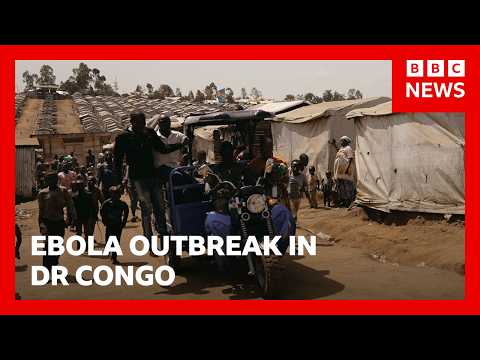
How efforts to control Ebola outbreak are being stepped up in DR Congo | BBC News
0
林宜悉 posted on 2026/06/23Discover how efforts to control the Ebola outbreak are being stepped up in the Democratic Republic of Congo, focusing on the challenges faced by displaced communities. You'll hear firsthand accounts of the difficulties people face in preventing the spread of the virus, even with awareness, and pick up key vocabulary related to public health and humanitarian aid.
Learn this video on the APP!
The VoiceTube App has more in-depth practice for videos!