
airplane
US /ˈɛrˌplen/
UK /ˈeəpleɪn/
- Countable Noun
- A machine that flies through the air
B1Moreas time goes by
US /əz taɪm ɡoʊz baɪ/
UK /əz taɪm gəuz baɪ/
- other
- Over the course of time; as time passes.
B2Moreat a time
US /æt e taɪm/
UK /æt ə taim/
- Phrase
- Separately; one by one
- Simultaneously; together
A1Moreat least
US /æt list/
UK /æt li:st/
- Adverb
- As a minimum
- Not less than
- Phrase
- No less than; at the minimum
- Used to indicate that something is positive in a bad situation.
C2Moreback off
US /bæk ɔf/
UK /bæk ɔf/
- Phrasal Verb
- To stop supporting; lose courage
- To decide to not carry out a threat
A1Moreban
US /bæn/
UK /bæn/
- Transitive Verb
- To make something illegal or not allowed
- To prohibit someone from participating in a particular online community or game.
- Noun (Countable/Uncountable)
- Official action preventing something happening
- A prohibition from participating in a particular online community or game.
B1Moreblockade
US /blɑ:ˈkeɪd/
UK /blɒˈkeɪd/
- Transitive Verb
- To block or impede the movement of people, objects
- Noun
- Arrangement that blocks or impedes movement
B2Morecapital
US /ˈkæpɪtl/
UK /'kæpɪtl/
- Noun
- Writing the first letter of a word in big letters
- Official main city of a country, province or state
- Adjective
- Main, or major
- (Of an offense) liable to the death penalty.
A2Moreconfederation
US /kənˌfɛdəˈreʃən/
UK /kənˌfedəˈreɪʃn/
- Noun (Countable/Uncountable)
- Union of political organizations
B2Morecoup
US /ku/
UK /ku:/
- Noun (Countable/Uncountable)
- Successful taking over of a thing; sudden success
- Attempt to take control from the government
B2Morecrippling
US /ˈkrɪplɪŋ/
UK /'krɪplɪŋ/
- Transitive Verb
- To hurt and make useless
B2Morecrisis
US /ˈkraɪsɪs/
UK /'kraɪsɪs/
- Noun (Countable/Uncountable)
- Unstable situation of extreme danger or difficulty
- A turning point in a disease.
B1Morecritical
US /ˈkrɪtɪkəl/
UK /ˈkrɪtɪkl/
- Adjective
- Making a negative judgment of something
- Being important or serious; vital; dangerous
A2Morecut off
US /kʌt ɔf/
UK /kʌt ɔf/
- Phrasal Verb
- To end a process, e.g. a phone call
- To cut the end of something
- Transitive Verb
- To isolate or prevent access to a place or person.
- To interrupt someone while they are speaking.
A1Moredeal with
US /dil wɪð/
UK /di:l wið/
- Verb (Transitive/Intransitive)
- To buy or sell goods or services.
- Phrasal Verb
- To take action to solve a problem or manage a situation.
- To be about; concern.
A1Moredeclare
US /dɪˈklɛr/
UK /dɪ'kleə(r)/
- Transitive Verb
- To make a statement in a strong and confident way
- To show the cost of things purchased overseas
A2TOEICMoredecree
US /dɪˈkri/
UK /dɪ'kri:/
- Noun
- Official order issued by an authority
- Transitive Verb
- To give an order as an authority
B2TOEICMoredemand
US /dɪˈmænd/
UK /dɪ'mɑ:nd/
- Noun (Countable/Uncountable)
- Desire customers have to buy product, service
- A strong request for someone to do something
- Transitive Verb
- To strongly request someone to do something
- To need something.
A2TOEICMoredeploy
US /dɪˈplɔɪ/
UK /dɪˈplɔɪ/
- Transitive Verb
- To put into position (often a military operation)
- To put something into use or action.
B1TOEICMoredialogue
US /ˈdaɪəˌlɔɡ, -ˌlɑɡ/
UK /'daɪəlɒɡ/
- Noun (Countable/Uncountable)
- Conversation between two or more individuals
- A discussion or series of discussions between people or groups, especially ones aimed at resolving a problem.
B1Moreemergency
US /ɪˈmɚdʒənsi/
UK /ɪ'mɜ:dʒənsɪ/
- Noun (Countable/Uncountable)
- Sudden event needing an immediate action
- A medical condition manifesting itself by acute symptoms of sufficient severity such that the absence of immediate medical attention could reasonably be expected to result in placing the patient's health in serious jeopardy.
- Adjective
- Used in an emergency; for use when something dangerous happens.
- Designed for use in an emergency.
A2TOEICMoreevidence of
US
UK
- Phrase
- Facts, objects, or signs that make you believe that something is true.
- Something that shows that something else exists or is true.
A1Morefederation
US /ˌfɛdəˈreʃən/
UK /ˌfedəˈreɪʃn/
- Noun (Countable/Uncountable)
- Group of organizations joined together
- An organization made up of a number of smaller groups or parties.
C1Morefierce
US /fɪrs/
UK /fɪəs/
- Adjective
- Very strong, wild or violent
- Intense in a way that causes or displays force.
B1Morefor instance
US /fɔr ˈɪnstəns/
UK /fɔ: ˈinstəns/
- Adverb
- As an example.
- Phrase
- As an example.
- As an illustration or case in point
B1Morefuel
US /ˈfjuəl/
UK /'fju:əl/
- Transitive Verb
- To give power to (a mob, anger, etc.); incite
- To provide gas or petrol for something
- Uncountable Noun
- Material used to produce heat or power when burned
A2TOEICMoregot to
US /ɡɑt tu/
UK /gɔt tu:/
- Verb (Transitive/Intransitive)
- To arrive at some place
- To have the opportunity or permission to do something
- Phrasal Verb
- To appeal to the emotions of; move
- To finally begin to start something after a delay
A1Moreillicit
US /ɪˈlɪsɪt/
UK /ɪˈlɪsɪt/
- Adjective
- Not allowed by the laws or rules
B2TOEICMoreimplement
US /ˈɪmpləmənt/
UK /ˈɪmplɪment/
- Transitive Verb
- To start to do something you plan to do
- Noun (Countable/Uncountable)
- A tool
B1TOEICMorein on
US
UK
- Phrase
- To be involved in a secret or plan.
- To be aware of something that is secret or not generally known.
A1Moreinaction
US /ɪnˈækʃən/
UK /ɪnˈækʃn/
- Uncountable Noun
- Not taking any action; not doing anything
B1Moreinfluence
US / ˈɪnfluəns/
UK /'ɪnflʊəns/
- Verb (Transitive/Intransitive)
- To affect or change something indirectly
- To persuade someone to do something.
- Noun (Countable/Uncountable)
- The power to affect what happens, to persuade etc.
- A person or thing that affects someone or something in an important way.
A2TOEICMoreinstance
US /ˈɪnstəns/
UK /'ɪnstəns/
- Noun (Countable/Uncountable)
- An example of something; case
- An occurrence of something.
- Transitive Verb
- To give as an example of something else
A2TOEICMoremade public
US
UK
- Verb (Transitive/Intransitive)
- To reveal or announce something to everyone.
A1Moremention
US /ˈmɛnʃən/
UK /'menʃn/
- Transitive Verb
- To refer to or talk or write about something
- Uncountable Noun
- Act of referring to or talking about something
- A formal acknowledgement of something
A2TOEICMoremilitary
US /ˈmɪlɪˌtɛri/
UK /'mɪlətrɪ/
- Noun
- Army or armed forces
- Adjective
- Concerning the army or navy
B1Moremove on
US /muv ɑn/
UK /mu:v ɔn/
- Phrasal Verb
- To decide to change or go to a different place
- To start talking about something different.
A1Moremovement
US /ˈmuvmənt/
UK /ˈmu:vmənt/
- Noun (Countable/Uncountable)
- Part of a piece of classical music
- Group with a shared interest or goal
A2Moremunition
US /mjuˈnɪʃən/
UK /mju:'nɪʃn/
- Noun (Countable/Uncountable)
- Military weapons such as guns, bullets, and bombs
- Transitive Verb
- To supply with munitions.
C2Morenumber of people
US /ˈnʌmbɚ ʌv ˈpipəl/
UK /ˈnʌmbə ɔv ˈpi:pl/
- Phrase
- The total count of individuals within a group or gathering.
- A statistical figure representing the population size or a subset thereof.
A1Moreof course
US /ʌv kɔː(r)s/
UK /ɔv kɔː(r)s/
- Adverb
- Sure ; Certainly
- Phrase
- For sure; certainly
A2Moreoff key
US /ɔf ki/
UK /ɔf ki:/
- Adverb
- Not in the correct key; not in tune.
A2Moreon the streets
US /ɑn ðə strits/
UK /ɒn ðə stri:ts/
- other
- Without a home; homeless or exposed outdoors.
B2Moreopposition
US /ˌɑ:pəˈzɪʃn/
UK /ˌɒpəˈzɪʃn/
- Uncountable Noun
- Act of disagreeing or trying to stop something
- Group that you are fighting or competing against
B1Moreorder in
US
UK
- Phrasal Verb
- To request food from a restaurant to be delivered to one's home or other location.
outside of
US /aʊtˈsaɪd ʌv/
UK /ˌautˈsaid ɔv/
- Preposition
- Located or situated beyond the boundaries or confines of something.
- Beyond the scope, range, or limits of something.
A1Morepoint out
US /pɔɪnt aʊt/
UK /pɔint aut/
- Phrasal Verb
- To make others aware of an idea
- To draw attention to something or someone
A1Moreportion
US /ˈpɔrʃən, ˈpor-/
UK /'pɔ:ʃn/
- Noun (Countable/Uncountable)
- Serving of food that is intended for one person
- Part of something shared that belongs to a whole
- Transitive Verb
- To separate something to divide among people
B1Moreproactive
US /ˌproʊˈæktɪv/
UK /ˌprəʊˈæktɪv/
- Adjective
- Acting to head off anticipated future problems
C1Moreprotest
US /ˈproʊtɛst/
UK /'prəʊtest/
- Verb (Transitive/Intransitive)
- To argue against something in a forceful way
- To express a strong objection or dislike
- Noun
- Forceful argument against something
- Objection to something
A2Morequantify
US /ˈkwɑ:ntɪfaɪ/
UK /ˈkwɒntɪfaɪ/
- Transitive Verb
- To find or calculate the quantity of something
B2Morereach
US /ritʃ/
UK /ri:tʃ/
- Verb (Transitive/Intransitive)
- To come to or arrive at a goal or destination
- To be long enough to get to a certain place
- Uncountable Noun
- Power or control someone has over something
A2TOEICMoreresign
US /rɪ'zaɪn/
UK /rɪ'zaɪn/
- Intransitive Verb
- To leave a job because you want to
- Verb (Transitive/Intransitive)
- To accept something unpleasant that one cannot do anything about.
B1TOEICMoreresignation
US /ˌrɛzɪɡˈneʃən/
UK /ˌrezɪgˈneɪʃn/
- Uncountable Noun
- Reluctant acceptance when a thing can't be avoided
- Act of leaving a job because you want to
B1TOEICMorerestore
US /rɪˈstɔr, -ˈstor/
UK /rɪˈstɔ:(r)/
- Transitive Verb
- To return a thing to its original condition
B1Moreresult
US /rɪˈzʌlt/
UK /rɪ'zʌlt/
- Noun
- Something produced through tests or experiments
- Final score of a competition, election or game
- Intransitive Verb
- To be the outcome of other causes and effects
- To happen or exist as a consequence of something.
A2Moreright for
US
UK
- Adjective
- Suitable or appropriate for a particular person, purpose, or situation.
- Correct or most appropriate.
A1Moreshove
US /ʃʌv/
UK /ʃʌv/
- Transitive Verb
- To roughly push someone or something away
- Noun
- Rough push on something or someone
B2Morespecific
US /spɪˈsɪfɪk/
UK /spəˈsɪfɪk/
- Adjective
- Precise; particular; just about that thing
- Concerning one particular thing or kind of thing
A2Morespiral
US /ˈspaɪrəl/
UK /'spaɪrəl/
- Noun
- A continuous curve round a central point
- Intransitive Verb
- To move in a continuous curve round a point
B2Morespread
US /sprɛd/
UK /spred/
- Noun (Countable/Uncountable)
- A big meal, often laid out as a buffet
- The distance between two things
- Verb (Transitive/Intransitive)
- To place over a large area; to cover a large area
- (Of ideas, gossip) to pass to and affect others
A2TOEICMorestabilize
US /ˈstebəˌlaɪz/
UK /'steɪbəlaɪz/
- Transitive Verb
- To make stable/consistent, with no major changes
B1Moretake in
US
UK
- Phrasal Verb
- To allow to enter; receive as a guest
- To include or add
- Transitive Verb
- To absorb (liquid).
- To understand or comprehend something.
A1Morewake up
US /wek ʌp/
UK /weik ʌp/
- Phrasal Verb
- To stop sleeping
- To become fully aware and alert to a situation.
A1More
Vocabulary
- of course: Sure ; Certainly
- deal with
- on the streets: Without a home; homeless or exposed outdoors.
- made public: To reveal or announce something to everyone.
- for instance: As an example.
- at least: As a minimum
- move on: To decide to change or go to a different place
- at a time: Separately; one by one
- off key: Not in the correct key; not in tune.
- cut off: To end a process, e.g. a phone call
- order in: To request food from a restaurant to be delivered to one's home or other location.
- right for: Suitable or appropriate for a particular person, purpose, or situation.
- got to: To arrive at some place
- outside of: Located or situated beyond the boundaries or confines of something.
- evidence of: Facts, objects, or signs that make you believe that something is true.
- as time goes by: Over the course of time; as time passes.
- back off: To stop supporting; lose courage
- point out: To make others aware of an idea
- number of people: The total count of individuals within a group or gathering.
- wake up: To stop sleeping
- in on: To be involved in a secret or plan.
- take in: To allow to enter; receive as a guest
- specific: Precise; particular; just about that thing
- critical: Making a negative judgment of something
- crisis: Unstable situation of extreme danger or difficulty
- instance: An example of something; case
- demand: Desire customers have to buy product, service
- spread: A big meal, often laid out as a buffet
- influence: To affect or change something indirectly
- increase: To make or become larger in size or amount
- implement: To start to do something you plan to do
- fuel: To give power to (a mob, anger, etc.); incite
- portion: Serving of food that is intended for one person
- military: Army or armed forces
- fierce: Very strong, wild or violent
- dialogue: Conversation between two or more individuals
- capital: Writing the first letter of a word in big letters
- mention: To refer to or talk or write about something
- reach: To come to or arrive at a goal or destination
- deal: To cope with something - usually troubles
- state: Region within a country, with its own government
- private: Being away from others and quiet
- complete: To finish or reach the end of doing something
- result: Something produced through tests or experiments
- protest: To argue against something in a forceful way
- proactive: Acting to head off anticipated future problems
- declare: To make a statement in a strong and confident way
- economy: Using money, resources in a careful, effective way
- emergency: Sudden event needing an immediate action
- social: Involving activity with people, e.g. in free time
- movement: Part of a piece of classical music
- receive: To get something someone has given or sent to you
- spiral: A continuous curve round a central point
- lot: What happens to a person in life from chance; fate
- sign: Indication that something exists or will happen
- restore: To return a thing to its original condition
- support: To give assistance or advice to someone
- public: Owned by the government
- government: Group of people and system that rule a nation
- shove: To roughly push someone or something away
- resign: To leave a job because you want to
- ban: To make something illegal or not allowed
- deploy: To put into position (often a military operation)
- difficult: Hard; not easy; you need to work hard to do it
- business: A company formed for making profit
- resignation: Reluctant acceptance when a thing can't be avoided
- coup: Successful taking over of a thing; sudden success
- opposition: Act of disagreeing or trying to stop something
- stabilize: To make stable/consistent, with no major changes
- decree: Official order issued by an authority
- crippling: To hurt and make useless
- illicit: Not allowed by the laws or rules
- blockade: To block or impede the movement of people, objects
- quantify: To find or calculate the quantity of something
- federation: Group of organizations joined together
- inaction: Not taking any action; not doing anything
- airplane: A machine that flies through the air
- confederation: Union of political organizations
- munition: Military weapons such as guns, bullets, and bombs
Get the full experience in the app
Learn anywhere with detailed sentence and usage analysis
01:03
She took a brave step forward, leaving behind her comfort zone to chase her dreams.
Vocabulary
- brave
adj. Having courage
- comfort zone
phr. A familiar situation where one feels safe
Explanation
a brave step is a noun phrase, where brave is an adjective modifying the noun step, meaning "a courageous step".
forward is an adverb modifying step, meaning "ahead".
The whole phrase serves as the object, answering the "what" of took (verb) — she took a brave step forward.
Get the full experience in the app
Look up words anytime with pronunciation, part of speech, and usage
brave
US/brev/
UK/breɪv/
adj.Brave
v.t.To bravely face
A2 Elementary
Get the full experience in the app
Practice speaking anytime and get instant pronunciation feedback
Try this speaking exercise.
Try practicing with this sentence.
80
0
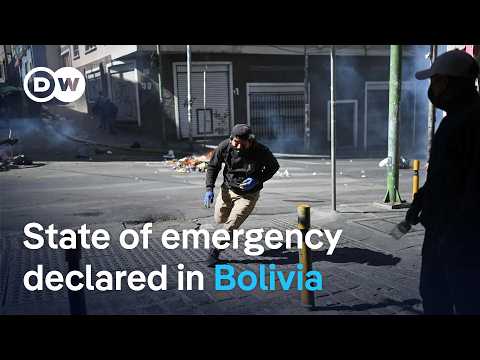
林宜悉 posted on 2026/06/20What happens when a country's economy grinds to a halt due to blockades? This video dives into Bolivia's recent state of emergency, exploring the political tensions and economic fallout. You'll hear key phrases related to political crises and economic instability, perfect for understanding real-world news reports!
Learn this video on the APP!
The VoiceTube App has more in-depth practice for videos!