
abundance
US /əˈbʌndəns/
UK /əˈbʌndəns/
- Uncountable Noun
- Quantity that is very large or more than enough
B2Morealong with
US /əˈlɔŋ wɪð/
UK /əˈlɔŋ wið/
- Preposition
- In addition to; together with.
- Adverb
- In company or together with someone or something.
- Including; in addition to.
A2Morearound the world
US /əˈraʊnd ði wɜrld/
UK /əˈraund ðə wɜː(r)ld/
- Phrase
- In or to many countries.
- In various places throughout the world.
A2Moreas long as
US /æz lɔŋ æz/
UK /æz lɔŋ æz/
- Conjunction
- For the period that; provided that.
- For the length of time that
- Preposition
- On the condition that; providing that.
- Having the same length as.
A1Moreat least
US /æt list/
UK /æt li:st/
- Adverb
- As a minimum
- Not less than
- Phrase
- No less than; at the minimum
- Used to indicate that something is positive in a bad situation.
C2Moreat that time
US /æt ðæt taɪm/
UK /æt ðæt taim/
- Phrase
- During a specific point in the past.
A1Moreat the moment
US
UK
- Adverb
- At this time; now
A1Moreat the same time
US
UK
- Phrase
- Simultaneously; at the identical moment.
- Nevertheless; however; used to introduce a contrasting or qualifying statement.
A1Morebased on
US
UK
- Phrasal Verb
- To use something as the foundation or starting point for something else.
- Preposition
- Using something as the main idea or foundation.
- Relying on something as evidence or justification.
A1Morebeing with
US
UK
- Phrasal Verb
- Accompanying someone; being in someone's presence.
- Supporting someone's opinion or cause.
- Verb (Transitive/Intransitive)
- Accompanying someone; spending time with someone.
- Supporting someone; agreeing with someone.
A1Morebudget
US /ˈbʌdʒɪt/
UK /'bʌdʒɪt/
- Noun (Countable/Uncountable)
- Amount of money planned to be spent
- Verb (Transitive/Intransitive)
- To make a plan for how to spend your money
A2TOEICMoreclimate
US /ˈklaɪmɪt/
UK /ˈklaɪmət/
- Noun (Countable/Uncountable)
- Typical weather conditions in a particular place
- The general attitudes, feelings, or opinions that people have at a particular time.
A2Morecome back
US /kʌm bæk/
UK /kʌm bæk/
- Phrasal Verb
- To reply to someone, often forcefully
- To be remembered
A1Morecome to power
US
UK
- Intransitive Verb
- To gain control of a country or organization.
A1Morecomparison
US /kəmˈpærɪsən/
UK /kəmˈpærɪsn/
- Noun (Countable/Uncountable)
- Act of comparing things
- The quality or state of being similar or alike.
A2Moreconstraint
US /kənˈstrent/
UK /kənˈstreɪnt/
- Noun (Countable/Uncountable)
- Thing preventing you moving or acting; restriction
B1Moreconstructive
US /kənˈstrʌktɪv/
UK /kənˈstrʌktɪv/
- Adjective
- Having positive effective results
B1Morecontinent
US /ˈkɑntənənt/
UK /ˈkɒntɪnənt/
- Noun (Countable/Uncountable)
- Very large piece of land, e.g. Africa or Asia
- Adjective
- Able to control excretory functions (bowel and bladder).
B1Morecrisis
US /ˈkraɪsɪs/
UK /'kraɪsɪs/
- Noun (Countable/Uncountable)
- Unstable situation of extreme danger or difficulty
- A turning point in a disease.
B1Moredebt
US /dɛt/
UK /det/
- Noun (Countable/Uncountable)
- Sum of money owed to someone that is not yet paid
- A moral or social obligation.
A2TOEICMoredecline
US /dɪˈklaɪn/
UK /dɪ'klaɪn/
- Intransitive Verb
- To bend towards the ground
- To slope downward.
- Verb (Transitive/Intransitive)
- To lessen in quality or value
A2TOEICMoredemocracy
US /dɪˈmɑkrəsi/
UK /dɪ'mɒkrəsɪ/
- Noun (Countable/Uncountable)
- System of government in which everyone is equal
- Principles of social equality and respect for the individual within a society.
B1Morediscontent
US /ˌdɪskənˈtɛnt/
UK /ˌdɪskənˈtent/
- Uncountable Noun
- Feeling of dissatisfaction; a lack of contentment
B1Moredomestic
US /dəˈmɛstɪk/
UK /dəˈmestɪk/
- Noun
- Someone paid to help with housework in your house
- Adjective
- British informal fight between husband and wife
- Concerning your own home or house
A2TOEICMoreeconomically
US /ˌikəˈnɑmɪklɪ/
UK /ˌi:kəˈnɒmɪkli/
- Adverb
- In an efficient manner
- In an efficient manner; without using much effort
B1Moreexperience in
US
UK
- Phrase
- Knowledge or skill gained from doing something for a period of time.
- Exposure to or involvement in a particular activity or situation.
B1Morefeel like
US
UK
- Intransitive Verb
- To have a desire or inclination for something.
- To have a particular quality or sensation; resemble.
A1Morefor example
US
UK
- Phrase
- As an illustration or instance.
for instance
US /fɔr ˈɪnstəns/
UK /fɔ: ˈinstəns/
- Adverb
- As an example.
- Phrase
- As an example.
- As an illustration or case in point
B1Morefrom that time
US
UK
- Phrase
- Starting at a specific point in the past and continuing forward.
- Referring to a period that began in the past.
A1Morefundamental
US /ˌfʌndəˈmɛntl/
UK /ˌfʌndəˈmentl/
- Adjective
- Forming a necessary part, base, or core
- Of central importance.
- Noun (Countable/Uncountable)
- A basic part of something
- (Music) the lowest note in a harmony
A2TOEICMoreget through
US /ɡɛt θru/
UK /ɡet θru:/
- Phrasal Verb
- To arrive at the end of or finish something
- To succeed in contacting someone by phone
A1Morego about it
US
UK
- Phrasal Verb
- To approach something; to tackle a task or problem
A1Morego ahead
US /ɡo əˈhɛd/
UK /ɡəu əˈhed/
- Phrasal Verb
- To start an activity; start doing, working etc.
- To give permission to do something
- Intransitive Verb
- To start or proceed with something
- To proceed despite potential obstacles or doubts.
A1Moregot to
US /ɡɑt tu/
UK /gɔt tu:/
- Verb (Transitive/Intransitive)
- To arrive at some place
- To have the opportunity or permission to do something
- Phrasal Verb
- To appeal to the emotions of; move
- To finally begin to start something after a delay
A1Morehave at
US
UK
- Phrasal Verb
- To attack someone or something.
- To begin doing something with enthusiasm.
A1Morehave to
US /hæv tu/
UK /ˈhæv tə/
- Auxiliary Verb
- Must do
A1Morehistorian
US /hɪˈstɔriən/
UK /hɪˈstɔ:riən/
- Noun
- Someone who studies the course of history
B1Morehomework
US /ˈhomˌwɚk/
UK /ˈhəumwə:k/
- Noun
- Work that a student is given to do at home
B2Morein a sense
US /ɪn e sɛns/
UK /in ə sens/
- Phrase
- In one way of thinking; to some extent; in some ways.
B1Morein a state
US
UK
- Phrase
- In a particular condition or situation.
- In an emotional condition, often negative (e.g., panic, distress).
B2Morein fact
US /ɪn fækt/
UK /in fækt/
- Adverb
- Used to emphasize the truth of a statement, especially one that contrasts with or contradicts something else.
- Used to introduce a more detailed or surprising piece of information.
- Phrase
- Used to emphasize the truth of a statement, especially one that is surprising or contrary to what might be expected.
C1Morein general
US /ɪn ˈdʒɛnərəl/
UK /in ˈdʒenərəl/
- Phrase
- Typically; usually; on the whole.
- Not specific or detailed; broadly.
- Adjective
- Not detailed or specific; overall.
C2Morein order to
US /ɪn ˈɔrdɚ tu/
UK /in ˈɔ:də tu:/
- Preposition
- For the purpose of; with the aim of.
- Phrase
- In a specific sequence or arrangement.
- With the aim of; for the purpose of.
C1Morein power
US /ɪn ˈpaʊɚ/
UK /in ˈpauə/
- Adjective
- Having control of a country or organization.
- Phrase
- During a period of holding authority or control.
B1Morein terms of
US
UK
- Phrase
- With regard to; concerning a particular aspect.
A1Morein the end
US /ɪn ði ɛnd/
UK /in ðə end/
- Phrase
- Finally; after a period of time or series of events.
- Ultimately; as the final result or consequence.
A1Morein the world
US /ɪn ði wɜrld/
UK /in ðə wɜː(r)ld/
- Phrase
- Used to emphasize a question expressing surprise, confusion, or disbelief.
- Used to indicate the extent or degree of something, often in a superlative sense.
A1Morein with
US /ɪn wɪð/
UK /in wið/
- Phrase
- Fashionable or popular at the moment.
- Having influence or favor with someone.
- Phrasal Verb
- To introduce or bring something new into a system or organization.
A1Moreinvestment
US /ɪnˈvɛstmənt/
UK /ɪnˈvestmənt/
- Noun (Countable/Uncountable)
- Something purchased hoping its value will increase
- Something you invest in, such as a company, property, etc.
A2TOEICMoreissue
US /ˈɪʃu/
UK /'ɪʃu:/
- Transitive Verb
- To make something available to be used or sold
- To deliver a statement, etc. in an official manner
- Noun (Countable/Uncountable)
- Important topic discussed, debated or argued over
- Single edition of a magazine
A2TOEICMorejustify
US /ˈdʒʌstəˌfaɪ/
UK /ˈdʒʌstɪfaɪ/
- Transitive Verb
- To give good reasons for something
B1TOEICMorelook around
US /lʊk əˈraʊnd/
UK /luk əˈraund/
- Phrasal Verb
- To explore a place; search for something.
A1Morelook at
US /lʊk æt/
UK /luk æt/
- Phrasal Verb
- To use your eyes to focus on something
- To focus your eyes on something carefully
A1Morelook to
US
UK
- Phrasal Verb
- Be looking to. be planning to (do something)
- To expect someone to do something for you; rely on
A1Moremagnitude
US /ˈmæɡnɪˌtud, -ˌtjud/
UK /ˈmægnɪtju:d/
- Noun
- Number representing force of an earthquake
- Size or importance
B2Moremajor
US /ˈmedʒɚ/
UK /'meɪdʒə(r)/
- Countable Noun
- High-ranking officer in the army
- Main subject you study at university
- Adjective
- Main league; esp. referring to American baseball
- Important, serious, or large in scope, size
A2TOEICMoremake up
US /mek ʌp/
UK /meik ʌp/
- Phrasal Verb
- To invent or create a story
- To add up to
- Verb (Transitive/Intransitive)
- To invent a story, excuse, etc.
- To compensate for something lost, missed, or deficient.
A1Moremassive
US /ˈmæsɪv/
UK /ˈmæsɪv/
- Adjective
- Very big; large; too big
- Large or imposing in scale or scope.
B1Moremention
US /ˈmɛnʃən/
UK /'menʃn/
- Transitive Verb
- To refer to or talk or write about something
- Uncountable Noun
- Act of referring to or talking about something
- A formal acknowledgement of something
A2TOEICMoremigration
US /maɪˈɡreʃən/
UK /maɪˈgreɪʃn/
- Noun (Countable/Uncountable)
- Process of moving to live in another place
- Movement from one part of something to another.
B1Moremove up
US /muv ʌp/
UK /mu:v ʌp/
- Phrasal Verb
- To advance to a higher rank or position.
- To advance in a line or queue.
B1Moreof course
US /ʌv kɔː(r)s/
UK /ɔv kɔː(r)s/
- Adverb
- Sure ; Certainly
- Phrase
- For sure; certainly
A2Moreout of it
US /aʊt ʌv ɪt/
UK /aut ɔv it/
- Adjective
- Unconscious or not completely alert; dazed or confused.
- Not able to think clearly or react quickly; not with it.
A1Moreout of time
US /aʊt ʌv taɪm/
UK /aut ɔv taim/
- Adjective
- Having no more time available to do something.
A1Moreout there
US /aʊt ðɛr/
UK /aut ðɛə/
- Adverb
- In or to a place that is far away
- Existing in the universe
- Adjective
- Unconventional; strange; avant-garde
- Existing or available.
A1Moreparliament
US /ˈpɑrləmənt/
UK /ˈpɑ:ləmənt/
- Noun
- Elected officials who govern a country (in the UK)
- Period when the Uk government is in session
A2Morepolitical
US /pəˈlɪtɪkəl/
UK /pəˈlɪtɪkl/
- Adjective
- Being active or interested in government matters
- Diplomatic
A2Morepopulation
US /ˌpɑpjəˈleʃən/
UK /ˌpɒpjuˈleɪʃn/
- Noun (Countable/Uncountable)
- Number of people who live in a country, area etc.
- A group of individuals of one species living in a particular area.
A2TOEICMorepositive
US /ˈpɑzɪtɪv/
UK /ˈpɒzətɪv/
- Adjective
- Showing agreement or support for something
- Being sure about something; knowing the truth
- Noun
- A photograph in which light areas are light and dark areas are dark
A2Moreproductivity
US /ˌprɑ:dʌkˈtɪvəti/
UK /ˌprɒdʌkˈtɪvəti/
- Uncountable Noun
- Rate at which people or machines produce
- A measure of the efficiency of a person, machine, factory, system, etc., in converting inputs into useful output.
B1TOEICMoreprosperity
US /prɑˈspɛrɪti/
UK /prɒ'sperətɪ/
- Uncountable Noun
- State of being financially/economically successful
- State of growing and being healthy
B1Moreput through
US /pʊt θru/
UK /put θru:/
- Phrasal Verb
- To connect someone to the number he or she wants
A1Moreradical
US /ˈrædɪkəl,'rædɪkḷ/
UK /ˈrædɪkl/
- Noun (Countable/Uncountable)
- Person who believes in extreme political change
- A group of atoms behaving as a unit in a chemical compound.
- Adjective
- Very new and different from what is traditional
- Concerning something's most basic part or form
B1Morerather than
US
UK
- Adverb
- More exactly; more correctly
- Preferably; instead
- Preposition
- Instead of
A1Morered flag
US /rɛd flæɡ/
UK /red flæɡ/
- Noun
- A warning sign or signal of danger or a problem.
- A symbol of socialism or communism.
B1Moresame time
US
UK
- Phrase
- Occurring simultaneously or at the same point in time.
- At the identical time as before; recurring at a fixed hour.
- Noun
- An equal duration or period.
A1Morestand up to
US /stænd ʌp tu/
UK /stænd ʌp tu:/
- Phrasal Verb
- To resist or fight someone who is being aggressive
A1Morestay in
US /ste ɪn/
UK /stei in/
- Phrasal Verb
- To remain inside one's home.
- Intransitive Verb
- To remain as an inpatient in a hospital.
step back
US /stɛp bæk/
UK /step bæk/
- Phrasal Verb
- To move backwards; to move away from something.
- To take a break from something; to gain perspective.
A1Morestructural
US /ˈstrʌktʃərəl/
UK /ˈstrʌktʃərəl/
- Adjective
- Concerning or caused by structure
B1Moretalk on
US /tɔk ɑn/
UK /tɔ:k ɔn/
- Phrasal Verb
- To talk at length about a particular subject.
- To scold or lecture someone at length.
A1Moreto a degree
US /tu e dɪˈɡri/
UK /tu: ə diˈɡri:/
- Phrase
- Partially; somewhat.
A1Moreto do with
US
UK
- Phrasal Verb
- To be about something; concern
A1Moreto the point
US /tu ði pɔɪnt/
UK /tu: ðə pɔint/
- Adjective
- Expressing something directly and without unnecessary detail.
- Phrase
- Relevant and pertinent to the matter at hand.
A2Moretransatlantic
US /ˌtrænsətˈlæntɪk, ˌtrænz-/
UK /ˌtrænzətˈlæntɪk/
- Adjective
- Going across the Atlantic Ocean
C1Morewith regard to
US /wɪð rɪˈɡɑrd tu/
UK /wið riˈɡɑ:d tu:/
- Phrase
- Concerning; in relation to.
A1Morework on
US /wɚk ɑn/
UK /wə:k ɔn/
- Phrasal Verb
- To devote effort to improve or develop something
- To try to persuade or influence someone.
A1More
Vocabulary
- look at: To use your eyes to focus on something
- for example: As an illustration or instance.
- at the same time: Simultaneously; at the identical moment.
- same time: Occurring simultaneously or at the same point in time.
- of course: Sure ; Certainly
- have to: Must do
- to the point: Expressing something directly and without unnecessary detail.
- at the moment: At this time; now
- for instance: As an example.
- in terms of
- rather than: More exactly; more correctly
- stay in: To remain inside one's home.
- based on: To use something as the foundation or starting point for something else.
- put through: To connect someone to the number he or she wants
- in order to: For the purpose of; with the aim of.
- feel like: To have a desire or inclination for something.
- experience in: Knowledge or skill gained from doing something for a period of time.
- get through: To arrive at the end of or finish something
- in general: Typically; usually; on the whole.
- in the world: Used to emphasize a question expressing surprise, confusion, or disbelief.
- got to: To arrive at some place
- step back: To move backwards; to move away from something.
- along with: In addition to; together with.
- in the end: Finally; after a period of time or series of events.
- in with: Fashionable or popular at the moment.
- have at: To attack someone or something.
- from that time: Starting at a specific point in the past and continuing forward.
- in fact: Used to emphasize the truth of a statement, especially one that contrasts with or contradicts something else.
- go ahead: To start an activity; start doing, working etc.
- to do with: To be about something; concern
- in power: Having control of a country or organization.
- at least: As a minimum
- look to: Be looking to. be planning to (do something)
- come back: To reply to someone, often forcefully
- work on: To devote effort to improve or develop something
- go about it: To approach something; to tackle a task or problem
- out there: In or to a place that is far away
- look around: To explore a place; search for something.
- red flag: A warning sign or signal of danger or a problem.
- around the world: In or to many countries.
- talk on: To talk at length about a particular subject.
- with regard to: Concerning; in relation to.
- make up: To invent or create a story
- come to power: To gain control of a country or organization.
- move up: To advance to a higher rank or position.
- in a sense: In one way of thinking; to some extent; in some ways.
- at that time: During a specific point in the past.
- out of time: Having no more time available to do something.
- out of it: Unconscious or not completely alert; dazed or confused.
- in a state: In a particular condition or situation.
- as long as: For the period that; provided that.
- stand up to: To resist or fight someone who is being aggressive
- to a degree: Partially; somewhat.
- being with: Accompanying someone; being in someone's presence.
- sort: To organize things by putting them into groups
- massive: Very big; large; too big
- situation: Place, position or area that something is in
- crisis: Unstable situation of extreme danger or difficulty
- positive: Showing agreement or support for something
- doubt: Not being sure of something; lack of certainty
- fear: Unpleasant feeling caused by being aware of danger
- decline: To bend towards the ground
- climate: Typical weather conditions in a particular place
- parliament: Elected officials who govern a country (in the UK)
- fundamental: Forming a necessary part, base, or core
- domestic: Someone paid to help with housework in your house
- continent: Very large piece of land, e.g. Africa or Asia
- debt: Sum of money owed to someone that is not yet paid
- abundance: Quantity that is very large or more than enough
- political: Being active or interested in government matters
- issue: To make something available to be used or sold
- mention: To refer to or talk or write about something
- prosperity: State of being financially/economically successful
- radical: Person who believes in extreme political change
- democracy: System of government in which everyone is equal
- population: Number of people who live in a country, area etc.
- comparison: Act of comparing things
- productivity: Rate at which people or machines produce
- budget: Amount of money planned to be spent
- interest: Best or most advantageous thing for someone
- investment: Something purchased hoping its value will increase
- economy: Using money, resources in a careful, effective way
- major: High-ranking officer in the army
- magnitude: Number representing force of an earthquake
- social: Involving activity with people, e.g. in free time
- lot: What happens to a person in life from chance; fate
- kind: In a caring and helpful manner
- justify: To give good reasons for something
- order: Religious or social group, as of nuns
- constructive: Having positive effective results
- public: Owned by the government
- government: Group of people and system that rule a nation
- point: An item to be discussed
- rise: To wake up and get out of bed after sleeping
- grow: To get bigger and more mature; make plants do this
- migration: Process of moving to live in another place
- constraint: Thing preventing you moving or acting; restriction
- economically: In an efficient manner
- historian: Someone who studies the course of history
- transatlantic: Going across the Atlantic Ocean
- discontent: Feeling of dissatisfaction; a lack of contentment
- structural: Concerning or caused by structure
- homework: Work that a student is given to do at home
Get the full experience in the app
Learn anywhere with detailed sentence and usage analysis
01:03
She took a brave step forward, leaving behind her comfort zone to chase her dreams.
Vocabulary
- brave
adj. Having courage
- comfort zone
phr. A familiar situation where one feels safe
Explanation
a brave step is a noun phrase, where brave is an adjective modifying the noun step, meaning "a courageous step".
forward is an adverb modifying step, meaning "ahead".
The whole phrase serves as the object, answering the "what" of took (verb) — she took a brave step forward.
Get the full experience in the app
Look up words anytime with pronunciation, part of speech, and usage
brave
US/brev/
UK/breɪv/
adj.Brave
v.t.To bravely face
A2 Elementary
Get the full experience in the app
Practice speaking anytime and get instant pronunciation feedback
Try this speaking exercise.
Try practicing with this sentence.
80
0
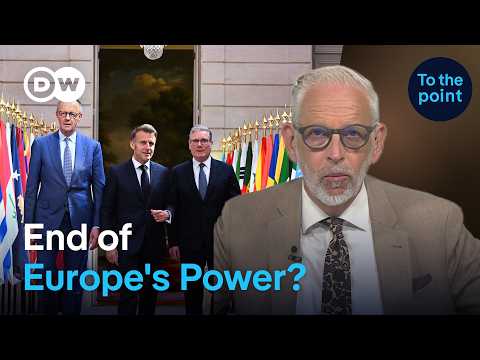
林宜悉 posted on 2026/06/18Is Europe losing its global influence? This insightful discussion dives into the economic and political challenges facing Germany, France, and the UK, exploring whether these issues signal a temporary downturn or a deeper crisis. You'll gain a better understanding of current geopolitical dynamics and pick up key vocabulary related to economics and international relations.
Learn this video on the APP!
The VoiceTube App has more in-depth practice for videos!