
accurate
US /ˈækjərɪt/
UK /ˈækjərət/
- Adjective
- With no mistake or error; Correct
A2Morealong with
US /əˈlɔŋ wɪð/
UK /əˈlɔŋ wið/
- Preposition
- In addition to; together with.
- Adverb
- In company or together with someone or something.
- Including; in addition to.
A2Moreapproach
US /əˈprəʊtʃ/
UK /ə'prəʊtʃ/
- Verb (Transitive/Intransitive)
- To get close to reaching something or somewhere
- To request someone to do something specific
- Noun (Countable/Uncountable)
- Means of reaching a place, often a road or path
- Request of someone with a specific goal in mind
A2TOEICMoreas a gift
US
UK
- Phrase
- Given without expectation of payment; a present.
A2Moreas opposed to
US
UK
- Preposition
- In contrast to; rather than.
- Instead of; in place of.
A1Moreas well as
US /æz wɛl æz/
UK /æz wel æz/
- Adverb
- Also; in addition to
- Preposition
- In addition to; and also.
A1Moreat the risk of
US /ət ðə ˈrɪsk ʌv/
UK /ət ðə ˈrɪsk əv/
- other
- Used to introduce a statement that may offend or be criticized.
B2Moreat the same time
US
UK
- Phrase
- Simultaneously; at the identical moment.
- Nevertheless; however; used to introduce a contrasting or qualifying statement.
A1Moreat times
US /æt taɪmz/
UK /æt taɪmz/
- Phrase
- Sometimes; occasionally.
A1Moreat work
US /æt wɚk/
UK /æt wə:k/
- Phrase
- Located at one's place of employment
A1Moreaudience
US /ˈɔdiəns/
UK /ˈɔ:diəns/
- Noun (Countable/Uncountable)
- Group of people attending a play, movie etc.
A2TOEICMoreaverage
US /ˈævərɪdʒ, ˈævrɪdʒ/
UK /'ævərɪdʒ/
- Noun (Countable/Uncountable)
- Total of numbers divided by the number of items
- Transitive Verb
- To add numbers then divide by the number of items
A2TOEICMorebribe
US /braɪb/
UK /braɪb/
- Noun
- Payment of money so you can do something dishonest
- Transitive Verb
- To give money to help you do something dishonest
B1Morebribery
US /ˈbraɪbəri/
UK /'braɪbərɪ/
- Uncountable Noun
- Payment of money so you can do something dishonest
B1Moreby and large
US /baɪ ənd lɑrdʒ/
UK /bai ænd lɑ:dʒ/
- Phrase
- Generally; on the whole; mostly.
- Taking everything into consideration; all things considered.
A2Moreby definition
US /baɪ ˌdɛfəˈnɪʃən/
UK /bai ˌdefiˈniʃən/
- Phrase
- Inherently; as an essential quality or characteristic.
B2Morecatch up
US /kætʃ ʌp/
UK /kætʃ ʌp/
- Phrasal Verb
- To become equal with another person
- To inform others of the latest news
- Verb (Transitive/Intransitive)
- To do something that you have not been able to do recently.
- To meet someone you know in order to talk to them and find out what they have been doing.
A1Morecentric
US /'sentrɪk/
UK /'sentrɪk/
- Adjective
- Having or situated at or near a center
B1Moreceo
US
UK
- Abbreviation
- CEO for Chief Operating Officer
C2Morechallenge
US /ˈtʃæləndʒ/
UK /'tʃælɪndʒ/
- Noun (Countable/Uncountable)
- An activity you wish to try that may be hard to do
- Act of formally inviting someone to compete
- Transitive Verb
- To formally invite someone to compete at something
- To question the correctness of something
A2Morecome from
US /kʌm frʌm/
UK /kʌm frɔm/
- Phrasal Verb
- To have as your native country or city
A1Morecompliance
US /kəmˈplaɪəns/
UK /kəmˈplaɪəns/
- Uncountable Noun
- Act of obeying a law, etc.
- The quality of being willing to do what other people want you to do.
B1Moreconduct
US / kənˈdʌkt/
UK /kənˈdʌkt/
- Uncountable Noun
- Your behavior
- Verb (Transitive/Intransitive)
- To behave in a certain way; e.g. at a party
- To let electricity or heat travel through
B1TOEICMoreconsistent
US /kənˈsɪstənt/
UK /kənˈsɪstənt/
- Adjective
- Agreeing with or being similar to another part
- In agreement; reliable
A2Morecontent
US /ˈkɑnˌtɛnt/
UK /'kɒntent/
- Adjective
- Being happy or satisfied
- In a state of peaceful happiness.
- Noun (Countable/Uncountable)
- Information in something, e.g. book or computer
- The subject matter of a book, speech, etc.
A2Morecorporate
US /ˈkɔrpərɪt, ˈkɔrprɪt/
UK /ˈkɔ:pərət/
- Adjective
- Concerning (usually large) companies
- Relating to a large company or group.
- Noun
- The overall strategy and direction of a company.
- The visual and communicative aspects of a company that create its public image.
A2Morecustomization
US /'kʌstəmaɪzeɪʃən/
UK /'kʌstəmaɪzeɪʃən/
- Uncountable Noun
- Act to make, change according to the user's needs
C1Morecustomize
US /ˈkʌstəˌmaɪz/
UK /'kʌstəmaɪz/
- Transitive Verb
- To make, change according to the user's needs
C1Moredepending on
US
UK
- Phrasal Verb
- To rely on for support (financial or emotional)
- Influenced or determined by.
- Preposition
- Subject to; contingent on
- Relying on someone or something for support or assistance.
A2Moredo in
US
UK
- Phrasal Verb
- To make completely tired out and exhausted
- To destroy or cause damage to someone
A1Moredo the right thing
US /du ðə ˈraɪt θɪŋ/
UK /duː ðə ˈraɪt θɪŋ/
- other
- To behave in a morally correct or proper way.
A2Moreedge in
US /ɛdʒ ɪn/
UK /edʒ ɪn/
- other
- To insert oneself into a group or conversation gradually.
B2Moreencompass
US /ɛnˈkʌmpəs/
UK /ɪn'kʌmpəs/
- Transitive Verb
- To encircle; cover completely
B2Moreengage
US /ɪn'gedʒ/
UK /ɪn'ɡeɪdʒ/
- Transitive Verb
- To start to fight with an enemy
- To hire someone for a task or job
A2TOEICMoreengagement
US /ɛnˈɡedʒmənt/
UK /ɪnˈgeɪdʒmənt/
- Noun (Countable/Uncountable)
- Something you must do at a set time; appointment
- Fight between opposing military forces in a war
A2TOEICMorefeel like
US
UK
- Intransitive Verb
- To have a desire or inclination for something.
- To have a particular quality or sensation; resemble.
A1Morefigure out
US /ˈfɪɡjɚ aʊt/
UK /ˈfiɡə aut/
- Phrasal Verb
- To understand the behavior of someone
- To think through logically to find a solution
- Verb (Transitive/Intransitive)
- To understand or find an answer to something.
- To find a solution to a problem or understand something.
A1Moreforget about
US /fɚˈɡɛt əˈbaʊt/
UK /fəˈɡet əˈbaut/
- Phrasal Verb
- To stop thinking about something; to ignore something.
A1Moregeneric
US /dʒəˈnɛrɪk/
UK /dʒə'nerɪk/
- Adjective
- Concerning a product without a brand name
- Concerning an entire class, category, or group
B2Morego on
US /ɡo ɑn/
UK /ɡəu ɔn/
- Phrasal Verb
- To continue doing something
- To happen (usually negative)
- Interjection
- Used to encourage someone
A1Moregoing on
US /ˈɡoɪŋ ɑn/
UK /ˈgəʊɪŋ ɔn/
- Phrasal Verb
- To continue doing something
- To happen (usually negative)
A1Moregot to
US /ɡɑt tu/
UK /gɔt tu:/
- Verb (Transitive/Intransitive)
- To arrive at some place
- To have the opportunity or permission to do something
- Phrasal Verb
- To appeal to the emotions of; move
- To finally begin to start something after a delay
A1Moreharassment
US /hə'ræsmənt/
UK /'hærəsmənt/
- Uncountable Noun
- Continually bothering someone in an unfair way
- Unwelcome behavior that is offensive, humiliating, or intimidating.
B1Morehave to
US /hæv tu/
UK /ˈhæv tə/
- Auxiliary Verb
- Must do
A1Morein areas
US
UK
- Phrase
- Located or occurring within specific regions or locations.
- Relating to specific fields, subjects, or disciplines.
A1Morein particular
US /ɪn pɚˈtɪkjəlɚ/
UK /in pəˈtikjulə/
- Phrase
- Specifically; especially.
- Detailed or precise.
A1Morein person
US /ɪn ˈpɜːrsn/
UK /in ˈpɜːsn/
- Adverb
- Physically present; not by proxy or remotely.
- Face-to-face; not through electronic communication.
A1Morein terms of
US
UK
- Phrase
- With regard to; concerning a particular aspect.
A1Morein the first place
US
UK
- Phrase
- To begin with; as the first point or consideration.
- From the beginning; initially.
A1Morein the world
US /ɪn ði wɜrld/
UK /in ðə wɜː(r)ld/
- Phrase
- Used to emphasize a question expressing surprise, confusion, disbelief
- Used to indicate the extent or degree of something, often in a superlative sense
A1Morein touch
US /ɪn tʌtʃ/
UK /in tʌtʃ/
- Adjective
- Having contact or communication with someone.
- Aware of or informed about something.
B1Morein trouble
US /ɪn ˈtrʌbəl/
UK /in ˈtrʌbl/
- Adjective
- Experiencing difficulties, problems, or legal issues.
- other
- In serious trouble or difficulty.
A1Moreintegrity
US /ɪnˈtɛɡrɪti/
UK /ɪnˈtegrəti/
- Uncountable Noun
- Quality of being honest, fair and honorable
- The state of being whole and undivided.
B1TOEICMorelean
US /lin/
UK /li:n/
- Verb (Transitive/Intransitive)
- To balance against or on something for support
- To have a tendency to do something; favor
- Adjective
- Having a low fat content
- Efficient; well-designed with no waste
A2Morelevel with
US
UK
- Phrasal Verb
- To be honest and straightforward with someone; to tell someone the truth.
A2Morelook at
US /lʊk æt/
UK /luk æt/
- Phrasal Verb
- To use your eyes to focus on something
- To focus your eyes on something carefully
A1Morelook for
US /lʊk fɔr/
UK /luk fɔ:/
- Phrasal Verb
- To try to find a thing or person that is lost
- To expect or anticipate something.
A1Moremeaningful
US /ˈminɪŋfəl/
UK /'mi:nɪŋfl/
- Adjective
- Having importance; showing someone's intention
- Having importance or value.
A2Morememorable
US /ˈmɛmərəbəl/
UK /ˈmemərəbl/
- Adjective
- Worthy of being remembered; striking; outstanding
- Worth remembering; notable
B2Moremention
US /ˈmɛnʃən/
UK /'menʃn/
- Transitive Verb
- To refer to or talk or write about something
- Uncountable Noun
- Act of referring to or talking about something
- A formal acknowledgement of something
A2TOEICMoreof use
US /ʌv jus/
UK /əv ju:s/
- other
- Having practical value; useful or helpful.
B1Moreoff of
US /ɔf ʌv/
UK /ɔf ɔv/
- Preposition
- From a position on something; down from.
A1Moreoff the shelf
US /ɔf ði ʃɛlf/
UK /ɔf ðə ʃelf/
- Adjective
- Readily available; not custom-made.
- Adverb
- Selling very quickly and in large quantities.
A2Moreon offer
US /ɑn ˈɔfɚ/
UK /ɔn ˈɔfə/
- Adjective
- Available at a reduced price or with special terms.
- Being presented or made available.
- Phrase
- Available for purchase.
A2Moreout there
US /aʊt ðɛr/
UK /aut ðɛə/
- Adverb
- In or to a place that is far away
- Existing in the universe
- Adjective
- Unconventional; strange; avant-garde
- Existing or available.
A1Moreoutside of
US /aʊtˈsaɪd ʌv/
UK /ˌautˈsaid ɔv/
- Preposition
- Located or situated beyond the boundaries or confines of something.
- Beyond the scope, range, or limits of something.
A1Morepersonalize
US /ˈpɜ:rsənəlaɪz/
UK /ˈpɜ:sənəlaɪz/
- Transitive Verb
- To make personal or more personal
C1Moreregardless of
US /rɪˈɡɑrdlɪs ʌv/
UK /riˈɡɑ:dlis ɔv/
- Phrase
- Preposition
- Without being affected or influenced by something; despite.
A2Morerelevant
US /ˈrɛləvənt/
UK /ˈreləvənt/
- Adjective
- Having an effect on an issue; related or current
A2TOEICMoreresonate
US /ˈrɛzəˌnet/
UK /'rezəneɪt/
- Intransitive Verb
- (Of ideas) to have a big impact for a long time
- (E.g. of a bell) to sound clearly for a long time
C2TOEICMoresame time
US
UK
- Phrase
- Occurring simultaneously or at the same point in time.
- At the identical time as before; recurring at a fixed hour.
- Noun
- An equal duration or period.
A1Moreset up
US /sɛt ʌp/
UK /set ʌp/
- Phrasal Verb
- To make arrangements for something; establish
- Verb (Transitive/Intransitive)
- To arrange or prepare something for use.
- To start a business, organization, etc.
A1Morestand out
US /stænd aʊt/
UK /stænd aut/
- Phrasal Verb
- To be noticeably better than other similar ones
A1Morestand up for
US /stænd ʌp fɔr/
UK /stænd ʌp fɔ:/
- Phrasal Verb
- To support someone or an idea, e.g. human rights
A1Morestandard
US /ˈstændəd/
UK /'stændəd/
- Noun
- Official unit of measuring something
- Principle of behaving in a moral way
- Adjective
- Being the accepted normal level of quality
- (Of a language) being the most accepted in a place
A2TOEICMorestart out
US /stɑrt aʊt/
UK /stɑ:t aut/
- Phrasal Verb
- To begin your life or career in a particular way.
- To begin a journey.
A1Morestitch
US /stɪtʃ/
UK /stɪtʃ/
- Noun
- Pain in your side after running or exercising
- Result of sewing thread going in and out of cloth
- Transitive Verb
- To sew cloth or material together
B1Morestuff
US /stʌf/
UK /stʌf/
- Uncountable Noun
- Generic description for things, materials, objects
- Transitive Verb
- To push material inside something, with force
B1Moretable stakes
US
UK
- Noun
- A rule in poker and other games that a player can only bet the amount of money or chips that they had on the table at the start of a hand.
- The minimum requirements to participate in a particular market or industry.
A1Moretalking about
US
UK
- Phrasal Verb
- To discuss a particular topic.
- To be constantly mentioning or bringing up a subject.
A1Morethink about
US /θɪŋk əˈbaʊt/
UK /θiŋk əˈbaut/
- Phrasal Verb
- To consider something carefully.
- To remember or call to mind.
A1Moreto some extent
US /tu sʌm ɪkˈstɛnt/
UK /tu: sʌm iksˈtent/
- Phrase
- Partially; not completely.
A1Moretrade off
US /treid ɔf/
UK /treid ɔf/
- Noun (Countable/Uncountable)
- Exchange that occurs as a compromise
- Verb (Transitive/Intransitive)
- To accept that you cannot have everything you want and give up something that is less important so that you can have what is more important.
- To balance two opposing situations or qualities; to compromise.
C2Moreused to
US /juzd tu/
UK /ˈju:st tə/
- Adjective
- Did regularly before, but don't do now
- Auxiliary Verb
- Have done before, but do not do now
A1Morewith it
US /wɪð ɪt/
UK /wið it/
- Adjective
- Intelligent, alert, and up-to-date.
- Understanding and knowledgeable about current trends or information.
A1More
Vocabulary
- have to: Must do
- think about: To consider something carefully.
- talking about: To discuss a particular topic.
- feel like: To have a desire or inclination for something.
- used to: Did regularly before, but don't do now
- out there: In or to a place that is far away
- look at: To use your eyes to focus on something
- start out: To begin your life or career in a particular way.
- figure out: To understand the behavior of someone
- at the same time: Simultaneously; at the identical moment.
- same time: Occurring simultaneously or at the same point in time.
- set up
- edge in: To insert oneself into a group or conversation gradually.
- going on: To continue doing something
- as well as: Also; in addition to
- come from: To have as your native country or city
- by and large: Generally; on the whole; mostly.
- by definition: Inherently; as an essential quality or characteristic.
- at times: Sometimes; occasionally.
- at work: Located at one's place of employment
- in terms of
- got to: To arrive at some place
- off the shelf: Readily available; not custom-made.
- to some extent: Partially; not completely.
- in trouble: Experiencing difficulties, problems, or legal issues.
- do the right thing: To behave in a morally correct or proper way.
- stand up for: To support someone or an idea, e.g. human rights
- depending on: To rely on for support (financial or emotional)
- go on: To continue doing something
- outside of: Located or situated beyond the boundaries or confines of something.
- level with: To be honest and straightforward with someone; to tell someone the truth.
- look for: To try to find a thing or person that is lost
- on offer: Available at a reduced price or with special terms.
- in areas: Located or occurring within specific regions or locations.
- regardless of
- do in: To make completely tired out and exhausted
- as a gift: Given without expectation of payment; a present.
- in the first place: To begin with; as the first point or consideration.
- table stakes: A rule in poker and other games that a player can only bet the amount of money or chips that they had on the table at the start of a hand.
- along with: In addition to; together with.
- of use: Having practical value; useful or helpful.
- in the world: Used to emphasize a question expressing surprise, confusion, disbelief
- stand out
- off of: From a position on something; down from.
- at the risk of: Used to introduce a statement that may offend or be criticized.
- trade off: Exchange that occurs as a compromise
- as opposed to: In contrast to; rather than.
- in particular: Specifically; especially.
- in touch: Having contact or communication with someone.
- with it: Intelligent, alert, and up-to-date.
- forget about: To stop thinking about something; to ignore something.
- catch up: To become equal with another person
- in person: Physically present; not by proxy or remotely.
- stuff: Generic description for things, materials, objects
- relevant: Having an effect on an issue; related or current
- approach: To get close to reaching something or somewhere
- content: Being happy or satisfied
- engage: To start to fight with an enemy
- average: Total of numbers divided by the number of items
- integrity: Quality of being honest, fair and honorable
- consistent: Agreeing with or being similar to another part
- effective: Working efficiently to produce a desired result
- accurate: With no mistake or error; Correct
- audience: Group of people attending a play, movie etc.
- bit: Device put in a horse's mouth to control it
- industry: Hard work; being busy working
- exist: To be present, alive or real
- conduct: Your behavior
- lean: To balance against or on something for support
- field: Area of study, such as physics or biology
- mention: To refer to or talk or write about something
- generic: Concerning a product without a brand name
- corporate: Concerning (usually large) companies
- challenge: An activity you wish to try that may be hard to do
- resonate: (Of ideas) to have a big impact for a long time
- engagement: Something you must do at a set time; appointment
- standard: Official unit of measuring something
- risk: To do something potentially dangerous or foolish
- meaningful: Having importance; showing someone's intention
- memorable: Worthy of being remembered; striking; outstanding
- mind: To be bothered or upset by something
- company: Good feeling from being with someone else
- lot: What happens to a person in life from chance; fate
- important: Having power or authority
- kind: In a caring and helpful manner
- compliance: Act of obeying a law, etc.
- learn: To get knowledge or skills by study or experience
- modern: Of the present time; up to date; contemporary
- program: To make someone act or think in a certain way
- stand: To be a candidate in an election
- bribe: Payment of money so you can do something dishonest
- encompass: To encircle; cover completely
- stitch: Pain in your side after running or exercising
- harassment: Continually bothering someone in an unfair way
- customize: To make, change according to the user's needs
- bribery: Payment of money so you can do something dishonest
- personalize: To make personal or more personal
- centric: Having or situated at or near a center
- customization: Act to make, change according to the user's needs
- ceo: CEO for Chief Operating Officer
Get the full experience in the app
Learn anywhere with detailed sentence and usage analysis
01:03
She took a brave step forward, leaving behind her comfort zone to chase her dreams.
Vocabulary
- brave
adj. Having courage
- comfort zone
phr. A familiar situation where one feels safe
Explanation
a brave step is a noun phrase, where brave is an adjective modifying the noun step, meaning "a courageous step".
forward is an adverb modifying step, meaning "ahead".
The whole phrase serves as the object, answering the "what" of took (verb) — she took a brave step forward.
Get the full experience in the app
Look up words anytime with pronunciation, part of speech, and usage
brave
US/brev/
UK/breɪv/
adj.Brave
v.t.To bravely face
A2 Elementary
Get the full experience in the app
Practice speaking anytime and get instant pronunciation feedback
Try this speaking exercise.
Try practicing with this sentence.
80
0
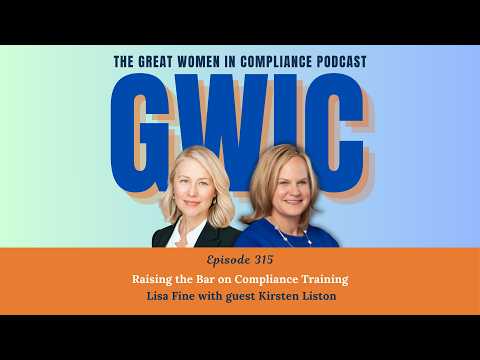
guchiko1012 posted on 2026/06/11Ever wondered how to make compliance training actually stick with people? This video dives into "Raising the Bar on Compliance Training" with Kirsten Liston, exploring how to move beyond just checking boxes to create truly engaging and effective learning experiences. You'll get insights into what makes training resonate with modern learners and why engagement is key to making a real difference.
Learn this video on the APP!
The VoiceTube App has more in-depth practice for videos!