
accent
US /ˈækˌsɛnt/
UK /'æksent/
- Transitive Verb
- To give emphasis to (a point you are making)
- Noun
- Feature of a design, e.g. a stripe on a shirt
- Correct spoken emphasis on a part of a word
A2Morebasically
US /ˈbesɪkəli,-kli/
UK /ˈbeɪsɪkli/
- Adverb
- Used before you explain something simply, clearly
- In essence; when you consider the most important aspects of something.
A2Morecomment
US /ˈkɑmɛnt/
UK /'kɒment/
- Noun (Countable/Uncountable)
- Something you say, giving an opinion; remark
- An explanatory note in a computer program.
- Verb (Transitive/Intransitive)
- To say something that gives your opinion
- To add explanatory notes to a computer program.
A2Moreconfuse
US /kənˈfjuz/
UK /kənˈfju:z/
- Transitive Verb
- To make something unclear or hard to understand
- To mistake one person or thing for another.
A2Morecontrast
US /ˈkɑ:ntræst/
UK /'kɒntrɑ:st/
- Verb (Transitive/Intransitive)
- To compare; to show clear, obvious differences
- Noun (Countable/Uncountable)
- Comparison that shows obvious differences
- Difference in light and dark in photos, etc.
A2Moreconversation
US /ˌkɑnvɚˈseʃən/
UK /ˌkɒnvəˈseɪʃn/
- Uncountable Noun
- Talking with other people; discussion or chat
- General communication or interaction.
A2Morecorrect
US /kəˈrɛkt/
UK /kə'rekt/
- Adjective
- Being suitable and appropriate for an occasion
- True or accurate
- Transitive Verb
- To fix a problem
- To write marks on a piece of work to show mistakes
A2Moredefinition
US /ˌdɛfəˈnɪʃən/
UK /ˌdefɪˈnɪʃn/
- Noun (Countable/Uncountable)
- Explanation of word's meaning, as in dictionaries
- The sharpness of an image on a screen
A2TOEICMoredelicious
US /dɪˈlɪʃəs/
UK /dɪˈlɪʃəs/
- Adjective
- Very pleasing to eat; especially pleasing
B1TOEICMoreemotion
US /ɪˈmoʃən/
UK /iˈməuʃən/
- Noun (Countable/Uncountable)
- A feeling such as sadness, anger or love
- A mental state that arises spontaneously rather than through conscious effort
A2Moreexaggerate
US /ɪgˈzædʒəreɪt/
UK /ɪgˈzædʒəreɪt/
- Verb (Transitive/Intransitive)
- To makes things seem more extreme than reality
- To speak or write about something in a way that overemphasizes or magnifies its qualities.
B1TOEICMoreextreme
US /ɪkˈstrim/
UK /ɪk'stri:m/
- Adjective
- Very great in degree
- Farthest from a center
- Noun
- Effort that is thought more than is necessary
- The furthest point or limit of something.
B1Morefor example
US
UK
- Phrase
- As an illustration or instance.
frequent
US /ˈfrikwənt/
UK /ˈfri:kwənt/
- Adjective
- Happening often
- Transitive Verb
- To go to a place regularly
A2TOEICMoreincorrectly
US /ˌɪnkə'rektlɪ/
UK /ˌɪnkə'rektlɪ/
- Adverb
- In a way that is incorrect or wrong
B1Moreinformal
US /ɪnˈfɔrməl/
UK /inˈfɔ:məl/
- Adjective
- Casual; relaxed
- Not official; not done by the rules
B1TOEICMoreliterally
US /ˈlɪtərəli/
UK
- Adverb
- In a literal manner or sense; exactly as stated.
- Used for emphasis to describe something that is actually true, often to highlight surprise or intensity.
B1Morelook at
US /lʊk æt/
UK /luk æt/
- Phrasal Verb
- To use your eyes to focus on something
- To focus your eyes on something carefully
A1Morepractice
US /ˈpræktɪs/
UK /'præktɪs/
- Noun
- The office and place for legal or medical work
- Doing something many times to become better at it
- Verb (Transitive/Intransitive)
- To work as a doctor or lawyer
- To live according to the teachings of a religion
A2TOEICMorestruggle
US /ˈstrʌɡəl/
UK /'strʌɡl/
- Verb (Transitive/Intransitive)
- To try very hard to do something difficult
- To fight or struggle violently
- Noun (Countable/Uncountable)
- Strong efforts made to do something difficult
- A difficult or challenging situation or task
A2Moretricky
US /ˈtrɪki/
UK /'trɪkɪ/
- Adjective
- Difficult, so needing skill to do or deal with
- Likely to use tricks; dishonest or deceptive
A2Moretruth
US /truθ/
UK /tru:θ/
- Uncountable Noun
- Real facts about something
A2Moreunexpected
US /ˌʌnɪkˈspektɪd/
UK /ˌʌnɪkˈspektɪd/
- Adjective
- Surprising because it was not expected
- Noun
- An event or occurrence that was not anticipated.
B2Moreunited
US /juˈnaɪtɪd/
UK /jʊ'naɪtɪd/
- Verb (Transitive/Intransitive)
- To join or come together for the same goal
- Adjective
- Joined or combined together
A2More
Vocabulary
- for example: As an illustration or instance.
- look at: To use your eyes to focus on something
- literally: In a literal manner or sense; exactly as stated.
- struggle: To try very hard to do something difficult
- accent: To give emphasis to (a point you are making)
- practice: The office and place for legal or medical work
- basically: Used before you explain something simply, clearly
- exaggerate: To makes things seem more extreme than reality
- realize: To become aware of or understand mentally
- tricky: Difficult, so needing skill to do or deal with
- extreme: Very great in degree
- conversation: Talking with other people; discussion or chat
- describe: To tell the appearance, sound, smell of something
- comment: Something you say, giving an opinion; remark
- bit: Device put in a horse's mouth to control it
- definition: Explanation of word's meaning, as in dictionaries
- similar: Nearly the same; alike
- contrast: To compare; to show clear, obvious differences
- pretty: Being attractive to the eye in a simple way
- unexpected: Surprising because it was not expected
- mind: To be bothered or upset by something
- correct: Being suitable and appropriate for an occasion
- favorite: A thing that someone likes best or enjoys most
- haven: Place where people can feel safe and happy
- informal: Casual; relaxed
- lot: What happens to a person in life from chance; fate
- emotion: A feeling such as sadness, anger or love
- place: To put someone in a particular type of situation
- sound: Sensible, dependable and reliable
- british: Concerning the culture and people of British
- learn: To get knowledge or skills by study or experience
- frequent: Happening often
- wrong: Action that is harmful, unjust or illegal
- worse: Comparative of 'bad'; more bad
- truth: Real facts about something
- delicious: Very pleasing to eat; especially pleasing
- confuse: To make something unclear or hard to understand
- united: To join or come together for the same goal
- incorrectly: In a way that is incorrect or wrong
Get the full experience in the app
Learn anywhere with detailed sentence and usage analysis
01:03
She took a brave step forward, leaving behind her comfort zone to chase her dreams.
Vocabulary
- brave
adj. Having courage
- comfort zone
phr. A familiar situation where one feels safe
Explanation
a brave step is a noun phrase, where brave is an adjective modifying the noun step, meaning "a courageous step".
forward is an adverb modifying step, meaning "ahead".
The whole phrase serves as the object, answering the "what" of took (verb) — she took a brave step forward.
Get the full experience in the app
Look up words anytime with pronunciation, part of speech, and usage
brave
US/brev/
UK/breɪv/
adj.Brave
v.t.To bravely face
A2 Elementary
Get the full experience in the app
Practice speaking anytime and get instant pronunciation feedback
Try this speaking exercise.
Try practicing with this sentence.
80
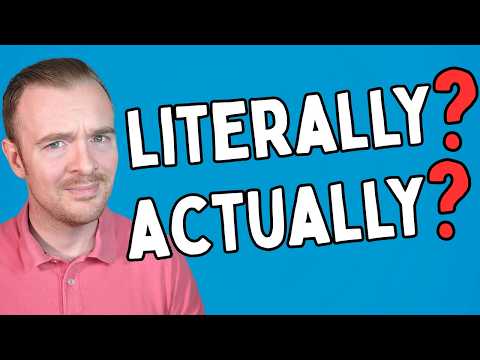
How Native Speakers Really Use "Literally" and "Actually"
0
Susan posted on 2026/06/01Ever get confused by "literally" and "actually"? This video breaks down how native English speakers *really* use these tricky words, showing you how "actually" signals contrast and surprise, and how "literally" can be used for emphasis (or even exaggeration!). You'll pick up essential phrases to sound more natural and avoid common mistakes.
Learn this video on the APP!
The VoiceTube App has more in-depth practice for videos!