
animate
US /ˈænəˌmet/
UK /'ænɪmeɪt/
- Transitive Verb
- To give life, energy, or motion to something
B2Moreapart from
US /əˈpɑrt frʌm/
UK /əˈpɑ:t frɔm/
- Preposition
- Except for; not considering
- In addition to; as well as
as long as
US /æz lɔŋ æz/
UK /æz lɔŋ æz/
- Conjunction
- For the period that; provided that.
- For the length of time that
- Preposition
- On the condition that; providing that.
- Having the same length as.
A1Moreaudience
US /ˈɔdiəns/
UK /ˈɔ:diəns/
- Noun (Countable/Uncountable)
- Group of people attending a play, movie etc.
A2TOEICMorebased on
US
UK
- Phrasal Verb
- To use something as the foundation or starting point for something else.
- Preposition
- Using something as the main idea or foundation.
- Relying on something as evidence or justification.
A1Moreblow
US /blo/
UK /bləʊ/
- Verb (Transitive/Intransitive)
- To move something using air
- To make air come quickly out of your mouth
- Noun
- Something that causes you difficulty or sadness
- Act of making air come out of your mouth
A2Morecan of worms
US
UK
- Noun
- A situation or subject that is complicated and unpleasant to deal with.
A1Morecapacity
US /kəˈpæsɪti/
UK /kə'pæsətɪ/
- Noun (Countable/Uncountable)
- Ability to hold, involve or contain (e.g. liquids)
- Largest amount of something that can be produced
B1Morecast
US /kæst/
UK /kɑ:st/
- Noun (Countable/Uncountable)
- People who appear in a play or movie
- Small amount of a particular color
- Transitive Verb
- To give specific roles to actors in a movie, play
- To describe someone's personality or character
A2Morecharacter
US /ˈkærəktɚ/
UK /'kærəktə(r)/
- Noun
- Person in a story, movie or play
- Writing symbols, e.g. alphabet or Chinese writing
A2Morecontext
US /ˈkɑnˌtɛkst/
UK /ˈkɒntekst/
- Noun (Countable/Uncountable)
- Set of facts surrounding a person or event
- The circumstances that form the setting for an event, statement, or idea, and in terms of which it can be fully understood and assessed.
A2Moredigest
US /daɪˈdʒest/
UK /daɪˈdʒest/
- Verb (Transitive/Intransitive)
- To convert food into energy in your stomach
- To think over facts, news etc.; take in information
- Noun
- A summary, as of the news
B2Moreeliminate
US /ɪˈlɪməˌnet/
UK /ɪ'lɪmɪneɪt/
- Transitive Verb
- To completely remove; to get rid of
- To remove from a contest by beating them
B1TOEICMoreessentially
US /ɪˈsenʃəli/
UK /ɪˈsenʃəli/
- Adverb
- Basically; (said when stating the basic facts)
- Used to emphasize the basic truth or fact of a situation.
A2Morefamiliar
US /fəˈmɪljɚ/
UK /fəˈmɪliə(r)/
- Adjective
- Well-known or easily recognized
- Having a good knowledge of something.
- Noun
- A close friend or associate.
- (In folklore) a spirit, often in animal form, believed to attend and serve a witch.
A2TOEICMorefence
US /fɛns/
UK /fens/
- Countable Noun
- Wood, metal structure enclosing an area, land
- The sport of fighting with swords, especially foils, épées, or sabres.
- Transitive Verb
- To enclose an area (with a wall or boundary)
B1TOEICMorefilm
US /fɪlm/
UK /fɪlm/
- Noun (Countable/Uncountable)
- Thin layer that covers something
- Movie
- Transitive Verb
- To record moving action with a camera
A2Morefor example
US
UK
- Phrase
- As an illustration or instance.
for free
US /fɔr fri/
UK /fɔ: fri:/
- Phrase
- Without charge; at no cost.
- Adjective
- Available without payment.
A2Moreforget about
US /fɚˈɡɛt əˈbaʊt/
UK /fəˈɡet əˈbaut/
- Phrasal Verb
- To stop thinking about something; to ignore something.
A1Morefuse
US /fjuz/
UK /fju:z/
- Noun
- Device connected to and making a bomb explode
- Electrical safety device
- Verb (Transitive/Intransitive)
- (Metal) to become one through heat contact
- To become combined; unite.
B2Morego ahead
US /ɡo əˈhɛd/
UK /ɡəu əˈhed/
- Phrasal Verb
- To start an activity; start doing, working etc.
- To give permission to do something
- Intransitive Verb
- To start or proceed with something
- To proceed despite potential obstacles or doubts.
A1Morego back to
US /ɡo bæk tu/
UK /ɡəu bæk tu:/
- Phrasal Verb
- To return to a starting point
A1Moregoing on
US /ˈɡoɪŋ ɑn/
UK /ˈgəʊɪŋ ɔn/
- Phrasal Verb
- To continue doing something
- To happen (usually negative)
A1Morehave to
US /hæv tu/
UK /ˈhæv tə/
- Auxiliary Verb
- Must do
A1Morein other words
US
UK
- Phrase
- Stating something in a different way, often to make it clearer or more understandable.
in reality
US /ɪn riˈælɪti/
UK /in riˈæliti/
- Phrase
- Actually; in fact; truly.
B2Morein the first place
US
UK
- Phrase
- To begin with; as the first point or consideration.
- From the beginning; initially.
A1Morein the past
US
UK
- Phrase
- During a former period of time; previously.
A1Moreinstead of
US /ɪnˈstɛd ʌv/
UK /inˈsted ɔv/
- Preposition
- When one thing is replaced by another
- Adverb
- As a substitute or alternative.
A1Morenative
US /ˈnetɪv/
UK /ˈneɪtɪv/
- Noun (Countable/Uncountable)
- Someone from or born in a specific country
- Original inhabitant, e.g. before others
- Adjective
- Caused by natural ability; innate
A2Moreon the fence
US /ɑn ði fɛns/
UK /ɔn ðə fens/
- Phrase
- Undecided; wavering between two options.
- Remaining neutral; not taking sides in a dispute.
A1Morepace
US /pes/
UK /peɪs/
- Noun (Countable/Uncountable)
- Rate of speed at which something moves or happens
- Single step, often used to measure a distance
- Verb (Transitive/Intransitive)
- To set and control your speed, as in a race
- To walk with slow purposeful steps
A2Moreplayback
US /ˈpleˌbæk/
UK /'pleɪbæk/
- Uncountable Noun
- Act of reproducing recorded sound
C2Moreplot
US /plɑt/
UK /plɒt/
- Countable Noun
- Small piece of land for a house growing crops etc.
- Series of events that form the main story
- Transitive Verb
- To mark a path, etc. on a map, using lines or dots
- To devise or develop a dramatic storyline
B1Morerewind
US /riˈwaɪnd/
UK /ˌri:ˈwaɪnd/
- Transitive Verb
- To make something go backwards
C1Morerhythm
US /ˈrɪðəm/
UK /ˈrɪðəm/
- Noun (Countable/Uncountable)
- Pattern of events, motions, or changes
- A pattern of sound and beats in music
A2Moreshut down
US /ʃʌt daʊn/
UK /ʃʌt daun/
- Phrasal Verb
- To close an operating system, e.g. on a computer
- To stop a factory/machine from operating
- Transitive Verb
- To deactivate a nuclear reactor.
- To turn off a computer or other electronic device.
A2Moresolution
US /səˈluʃən/
UK /səˈlu:ʃn/
- Noun (Countable/Uncountable)
- Mix of a liquid and a solid or a gas
- Way to solve or deal with a problem
A2Morespecifically
US /spəˈsɪfɪkli/
UK /spəˈsɪfɪkli/
- Adverb
- As regards a particular thing; closely related to
- In a definite and clear manner.
A2Morestoryline
US /ˈstɔːrilaɪn/
UK /ˈstɔ:rilaɪn/
- Noun
- The plot of a book or play or film
B1Moretalk over
US /tɔk ˈovɚ/
UK /tɔ:k ˈəuvə/
- Phrasal Verb
- To discuss something thoroughly in order to reach a decision or agreement.
- To interrupt someone while they are speaking.
A1Morethink about
US /θɪŋk əˈbaʊt/
UK /θiŋk əˈbaut/
- Phrasal Verb
- To consider something carefully.
- To remember or call to mind.
A1Morethrive
US /θraɪv/
UK /θraɪv/
- Intransitive Verb
- To be or become healthy or successful
- To grow or develop well; to flourish.
B2TOEICMorethumbs up
US
UK
- Noun
- A gesture of approval or agreement, indicated by holding a fist with the thumb extended upwards.
- A positive rating or vote on social media or online platforms.
- Noun (plural)
- Multiple gestures of approval or agreement made by extending the thumbs upward.
A1Moretongue
US /tʌŋ/
UK /tʌŋ/
- Noun
- Long, thin part of (e.g. shoe under the laces)
- Meat from the mouth of an animal, cooked as food
- Transitive Verb
- To using your mouth to produce musical notes
- To use your mouth to touch something
A2Moreturn on
US /tɚn ɑn/
UK /tə:n ɔn/
- Phrasal Verb
- To cause someone to be interested or excited
- Transitive Verb
- To activate or switch on a device or appliance.
- To suddenly attack or criticize someone.
A1Moreultimate
US /ˈʌltəmɪt/
UK /ˈʌltɪmət/
- Adjective
- Basic; original; most significant
- Being the greatest example of something
- Noun
- A non-contact team sport played with a flying disc.
- The best achievable or imaginable of its kind.
A2Moreused to
US /juzd tu/
UK /ˈju:st tə/
- Adjective
- Did regularly before, but don't do now
- Auxiliary Verb
- Have done before, but do not do now
A1Morevocabulary
US /voˈkæbjəˌlɛri/
UK /və'kæbjələrɪ/
- Uncountable Noun
- Words that have to do with a particular subject
- The words that a person knows
B1TOEICMorewrite down
US /raɪt daʊn/
UK /rait daun/
- Phrasal Verb
- To record in writing
A1More
Vocabulary
- going on: To continue doing something
- instead of: When one thing is replaced by another
- turn on
- used to: Did regularly before, but don't do now
- go ahead: To start an activity; start doing, working etc.
- in the past: During a former period of time; previously.
- for example: As an illustration or instance.
- on the fence: Undecided; wavering between two options.
- can of worms: A situation or subject that is complicated and unpleasant to deal with.
- for free: Without charge; at no cost.
- think about: To consider something carefully.
- as long as: For the period that; provided that.
- in reality: Actually; in fact; truly.
- have to: Must do
- talk over: To discuss something thoroughly in order to reach a decision or agreement.
- in other words: Stating something in a different way, often to make it clearer or more understandable.
- based on: To use something as the foundation or starting point for something else.
- go back to: To return to a starting point
- thumbs up: A gesture of approval or agreement, indicated by holding a fist with the thumb extended upwards.
- shut down: To close an operating system, e.g. on a computer
- forget about: To stop thinking about something; to ignore something.
- apart from: Except for; not considering
- in the first place: To begin with; as the first point or consideration.
- write down: To record in writing
- essentially: Basically; (said when stating the basic facts)
- ultimate: Basic; original; most significant
- context: Set of facts surrounding a person or event
- rhythm: Pattern of events, motions, or changes
- eliminate: To completely remove; to get rid of
- thrive: To be or become healthy or successful
- native: Someone from or born in a specific country
- vocabulary: Words that have to do with a particular subject
- character: Person in a story, movie or play
- audience: Group of people attending a play, movie etc.
- capacity: Ability to hold, involve or contain (e.g. liquids)
- specifically: As regards a particular thing; closely related to
- familiar: Well-known or easily recognized
- environment: Natural world in which plants and animals live
- tongue: Long, thin part of (e.g. shoe under the laces)
- brain: To strike someone forcefully on the head
- mean: Average of a set of numbers
- series: Set of stories or articles on a particular subject
- plot: Small piece of land for a house growing crops etc.
- cast: People who appear in a play or movie
- digest: To convert food into energy in your stomach
- blow: To move something using air
- reason: To think and make conclusions in a logical manner
- pace: Rate of speed at which something moves or happens
- rewind: To make something go backwards
- film: Thin layer that covers something
- guess: To give an answer without knowing if it is correct
- rest: Time when one relaxes, sleeps, or is inactive
- solution: Mix of a liquid and a solid or a gas
- activity: An action or task, e.g. sports, washing clothes
- important: Having power or authority
- single: One run in cricket or a hit baseball
- learn: To get knowledge or skills by study or experience
- simple: Not hard to understand or do; not complex
- language: Words or signs used to communicate messages
- animate: To give life, energy, or motion to something
- step: Movement done as part of a particular dance
- turn: To become (a particular age)
- fence: Wood, metal structure enclosing an area, land
- fuse: Device connected to and making a bomb explode
- playback: Act of reproducing recorded sound
- storyline: The plot of a book or play or film
Get the full experience in the app
Learn anywhere with detailed sentence and usage analysis
01:03
She took a brave step forward, leaving behind her comfort zone to chase her dreams.
Vocabulary
- brave
adj. Having courage
- comfort zone
phr. A familiar situation where one feels safe
Explanation
a brave step is a noun phrase, where brave is an adjective modifying the noun step, meaning "a courageous step".
forward is an adverb modifying step, meaning "ahead".
The whole phrase serves as the object, answering the "what" of took (verb) — she took a brave step forward.
Get the full experience in the app
Look up words anytime with pronunciation, part of speech, and usage
brave
US/brev/
UK/breɪv/
adj.Brave
v.t.To bravely face
A2 Elementary
Get the full experience in the app
Practice speaking anytime and get instant pronunciation feedback
Try this speaking exercise.
Try practicing with this sentence.
80
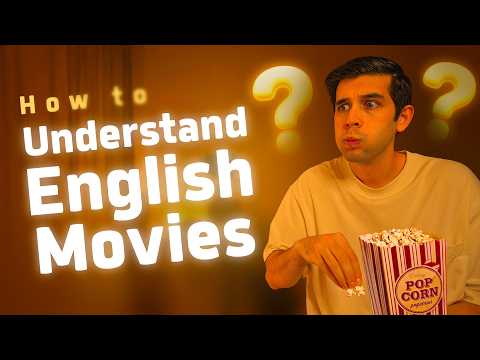
Why You Can't Understand English Movies (And How to Fix It)
0
Susan posted on 2026/05/26Ever feel lost when watching English movies, even with subtitles? This video dives into the top 5 reasons why, from tricky connected speech like 'gonna' to confusing idioms and the speed of native speakers. You'll get practical tips, like starting with TV series and adjusting playback speed, to finally understand your favorite films!
Learn this video on the APP!
The VoiceTube App has more in-depth practice for videos!