
against you
US
UK
- Preposition
- In opposition to you.
- Expressing disagreement or disapproval of you.
A2Moreambiguity
US /ˌæmbɪˈɡjuɪti/
UK /ˌæmbɪ'ɡju:ətɪ/
- Uncountable Noun
- State of being confusing, uncertain or unclear
B2TOEICMoreanti
US /ˈæntaɪ, -ti/
UK /'æntɪ/
- Adjective
- A prefix meaning 'against' or 'opposed'
B2Morearrive at
US /əˈraɪv æt/
UK /əˈraiv æt/
- Phrasal Verb
- To reach a place, especially at the end of a journey.
- To reach a conclusion or decision after thinking about something.
A2Moreas one
US
UK
- Adverb
- Acting or moving together at the same time.
- In complete agreement or unity.
- Phrase
- With a single voice or opinion; unanimously.
- In perfect harmony or unison.
A1Moreat first glance
US /æt fɚst ɡlæns/
UK /æt fə:st ɡlɑ:ns/
- Phrase
- Upon initial observation or assessment.
A1Moreat last
US /æt læst/
UK /æt lɑ:st/
- Adverb
- Finally; after a long delay.
B1Moreat the same time
US
UK
- Phrase
- Simultaneously; at the identical moment.
- Nevertheless; however; used to introduce a contrasting or qualifying statement.
A1Moreavoid
US /əˈvɔɪd/
UK /ə'vɔɪd/
- Transitive Verb
- To prevent from happening
- To stay away from
A2TOEICMoreback into
US /bæk ˈɪntu/
UK /bæk ˈɪntuː/
- Phrasal Verb
- To drive a vehicle backwards into a space or area.
- To accidentally collide with something while moving backwards.
A1Morebased on
US
UK
- Phrasal Verb
- To use something as the foundation or starting point for something else.
- Preposition
- Using something as the main idea or foundation.
- Relying on something as evidence or justification.
A1Morebasically
US /ˈbesɪkəli,-kli/
UK /ˈbeɪsɪkli/
- Adverb
- Used before you explain something simply, clearly
- In essence; when you consider the most important aspects of something.
A2Morebelief system
US
UK
- Noun (Countable/Uncountable)
- A set of principles or tenets which together form the basis of a religion, philosophy, or moral code.
- An individual's personal set of beliefs about the world and how it works.
B2Morebullshit
US /ˈbʊlˌʃɪt/
UK /ˈbʊlʃɪt/
- Interjection
- Telling lies, nonsense (very rude)
- Uncountable Noun
- Nonsense; something that is not true.
C2Moreby god
US
UK
- Interjection
- An expression of surprise, shock, or emphasis.
- An expression of strong promise or determination.
B2Morechip
US /tʃɪp/
UK /tʃɪp/
- Transitive Verb
- To break a small piece off something such as a cup
- To break into small pieces, often with a tool
- Noun (Countable/Uncountable)
- Small piece that has broken off (e.g. from cup)
- Piece of computer hardware that does calculations
B1Morecivilization
US /ˌsɪvəlɪˈzeʃən/
UK /ˌsɪvəlaɪ'zeɪʃn/
- Noun (Countable/Uncountable)
- A highly developed society
B2Morecollapse
US /kəˈlæps/
UK /kə'læps/
- Verb (Transitive/Intransitive)
- To fold (e.g. a stroller) down to make it smaller
- To suddenly fall down or break apart into pieces
- Noun
- The sudden failure of a structure or system.
- The sudden failure of a bodily organ or function.
B1Morecommunity
US /kəˈmjunɪti/
UK /kə'mju:nətɪ/
- Noun (Countable/Uncountable)
- Group of people who share a common idea or area
- A feeling of fellowship with others, as a result of sharing common attitudes, interests, and goals.
- Adjective
- Relating to or shared by the people in a particular area.
- Shared or participated in by all members of a group
A2Moreconfidence
US /ˈkɑnfɪdəns/
UK /'kɒnfɪdəns/
- Uncountable Noun
- Feeling that you can do well at something
- Feeling you can trust someone
A2Morecrisis
US /ˈkraɪsɪs/
UK /'kraɪsɪs/
- Noun (Countable/Uncountable)
- Unstable situation of extreme danger or difficulty
- A turning point in a disease.
B1Morecriticism
US /ˈkrɪtɪˌsɪzəm/
UK /ˈkrɪtɪsɪzəm/
- Noun (Countable/Uncountable)
- Article or essay that judges quality
- Negative judgment of something
A2Morecynicism
US /ˈsɪnɪˌsɪzəm/
UK /'sɪnɪsɪzəm/
- Uncountable Noun
- Belief that bad motivates things/people are bad
B2Moredefend
US /dɪˈfɛnd/
UK /dɪ'fend/
- Transitive Verb
- To protect and explain your position in court
- To protect against an attack
B1TOEICMoredetachment
US /dɪ'tætʃmənt/
UK /dɪ'tætʃmənt/
- Uncountable Noun
- Feeling of not being personally involved
- Separating something from another larger thing
- Countable Noun
- (Of soldiers) a group separated from the main unit
B2Moredisagree with
US /ˌdɪsəˈɡri wɪð/
UK /ˌdisəˈɡri: wið/
- Phrasal Verb
- To have a different opinion from someone else.
- Intransitive Verb
- To cause someone to feel ill or uncomfortable.
A1Moredue to
US /du tu/
UK /dju: tu:/
- Preposition
- Because of; owing to
- Adjective
- Attributable to; caused by.
A1Moreemerged as
US
UK
- Phrasal Verb
- To become known or apparent; to come forth as.
B2Moreemotional
US /ɪˈmoʃənəl/
UK /ɪˈməʊʃənl/
- Adjective
- Causing, feeling, or appealing to the emotions
- Relating to or characterized by emotion
A2Moreemotionally charged
US
UK
- Adjective
- Filled with strong emotions; causing strong emotions.
B2Moreentire
US /ɛnˈtaɪr/
UK /ɪn'taɪə(r)/
- Adjective
- Complete or full; with no part left out; whole
- Undivided; not shared or distributed.
A2TOEICMoreera
US /'ɪrə/
UK /'ɪərə/
- Noun
- Period characterized by particular events, people
- A major division of geological time, usually divided into periods.
B1Moreeventually
US /ɪˈvɛntʃuəli/
UK /ɪˈventʃuəli/
- Adverb
- After a long time; after many attempts; in the end
- At some later time; in the future
A2Moreexistential
US /ˌɛɡzɪˈstɛnʃəl, ˌɛksɪ-/
UK /ˌegzɪˈstenʃəl/
- Adjective
- Philosophy concerning existence
B2Moreexplain away
US /ɪksˈpleɪn əˈweɪ/
UK /iksˈpleɪn əˈweɪ/
- other
- To attempt to remove doubt or blame by explanation.
C1Moreexposure
US /ɪkˈspoʒɚ/
UK /ɪk'spəʊʒə(r)/
- Noun
- Allowing light through a cameras lens onto film
- Being talked about in the media
A2TOEICMoreextremely
US /ɪk'strimlɪ/
UK /ɪkˈstri:mli/
- Adverb
- In a way that is much more than usual or expected
- Remarkably; unusually.
B1Morefall out
US /fɔl aʊt/
UK /fɔ:l aut/
- Phrasal Verb
- To stop being friends with; have a disagreement
A1Morefeel like
US
UK
- Intransitive Verb
- To have a desire or inclination for something.
- To have a particular quality or sensation; resemble.
A1Morefor example
US
UK
- Phrase
- As an illustration or instance.
fragile
US /ˈfrædʒəl, -ˌaɪl/
UK /'frædʒaɪl/
- Adjective
- Easily affected, broken, or harmed
- Weak or delicate; easily damaged in health
B2TOEICMoregenesis
US /ˈdʒɛnɪsɪs/
UK /'dʒenəsɪs/
- Noun
- Beginning of something important
B2TOEICMoregot to
US /ɡɑt tu/
UK /gɔt tu:/
- Verb (Transitive/Intransitive)
- To arrive at some place
- To have the opportunity or permission to do something
- Phrasal Verb
- To appeal to the emotions of; move
- To finally begin to start something after a delay
A1Morehave to
US /hæv tu/
UK /ˈhæv tə/
- Auxiliary Verb
- Must do
A1Morehold the line
US /hold ði laɪn/
UK /həuld ðə lain/
- Verb (Transitive/Intransitive)
- To wait on the telephone.
- To maintain a defensive position.
A1Moreidentity
US /aɪˈdɛntɪti/
UK /aɪ'dentətɪ/
- Noun (Countable/Uncountable)
- Collection of qualities that makes a person
- Who someone is; the name of a person
B1Moreideological
US /ˌaɪdiəˈlɑdʒɪkəl, ˌɪdi-/
UK /ˌaɪdɪə'lɒdʒɪkl/
- Adjective
- In conformity with fixed ideas or beliefs
B1Moreideology
US /ˌaɪdiˈɑlədʒi, ˌɪdi-/
UK /ˌaɪdɪ'ɒlədʒɪ/
- Uncountable Noun
- Ideas or beliefs which form theory and policy
B1TOEICMorein isolation
US
UK
- Phrase
- Separately from other people or things; alone.
- Considered separately and without reference to other related things.
C1Morein on
US
UK
- Phrase
- To be involved in a secret or plan.
- To be aware of something that is secret or not generally known.
A1Morein order to
US /ɪn ˈɔrdɚ tu/
UK /in ˈɔ:də tu:/
- Preposition
- For the purpose of; with the aim of.
- Phrase
- In a specific sequence or arrangement.
- With the aim of; for the purpose of.
C1Morein other words
US
UK
- Phrase
- Stating something in a different way, often to make it clearer or more understandable.
in part
US /ɪn pɑrt/
UK /in pɑ:t/
- Adverb
- To some extent; partially.
A1Morein reality
US /ɪn riˈælɪti/
UK /in riˈæliti/
- Phrase
- Actually; in fact; truly.
B2Moreinside of
US /ɪnˈsaɪd ʌv/
UK /inˈsaid ɔv/
- Preposition
- Within; in the inner part of.
- Within a certain period of time.
A1Moreinstead of
US /ɪnˈstɛd ʌv/
UK /inˈsted ɔv/
- Preposition
- When one thing is replaced by another
- Adverb
- As a substitute or alternative.
A1Morelead to
US /lid tu/
UK /li:d tu:/
- Phrasal Verb
- To result in some action
- Verb (Transitive/Intransitive)
- To have something as a consequence or result.
A1Morelock in
US
UK
- Phrasal Verb
- To secure something, such as a price or deal, for a specific period.
- To confine someone or something in a place by locking the door.
A1Morelook at
US /lʊk æt/
UK /luk æt/
- Phrasal Verb
- To use your eyes to focus on something
- To focus your eyes on something carefully
A1Moremaintain
US /menˈten/
UK /meɪn'teɪn/
- Transitive Verb
- To keep saying something a certain way
- To keep (machine) working by checking, repairing
A2TOEICMorenarrative
US /ˈnærətɪv/
UK /ˈnærətɪv/
- Noun (Countable/Uncountable)
- The telling of a story
- A spoken or written account of connected events; a story.
- Adjective
- Presented in the form of a story
B1Morenot available
US /nɑt əˈveləbəl/
UK /nɔt əˈveiləbl/
- Adjective
- Not able to be used or obtained; inaccessible.
- Not present or accessible; unable to be contacted.
A1Moreon the internet
US
UK
- Phrase
- Located or available on the internet.
- Using the internet as a medium or platform.
A1Moreon the other hand
US
UK
- Phrase
- Considering a different aspect of the matter; alternatively.
A1Moreover time
US /ˈovɚ taɪm/
UK /ˈəuvə taim/
- Phrase
- Gradually; as time passes.
- During a long period.
- Adverb
- Gradually; as time passes.
B1Morepermanent
US /ˈpɚmənənt/
UK /'pɜ:mənənt/
- Adjective
- Lasting forever; not temporary or changing
- Intended to last or remain for an unlimited period
- Noun
- A person who is a permanent employee.
- A chemical treatment to create lasting curls or waves in the hair.
B1TOEICMorephysical
US /ˈfɪzɪkəl/
UK /ˈfɪzɪkl/
- Countable Noun
- Health check at the doctors' or hospital
- Adjective
- Concerning the body of a person
- Concerning things that can be seen or touched
A2Moreportfolio
US /pɔrtˈfoliˌo, port-/
UK /pɔ:t'fəʊlɪəʊ/
- Noun (Countable/Uncountable)
- A list of the financial assets held by someone
- List of work submitted to a teacher/for approval
B1TOEICMorepsychological
US /ˌsaɪkəˈlɑdʒɪkəl/
UK /ˌsaɪkəˈlɒdʒɪkl/
- Adjective
- Concerning the study of the mind
- Relating to or involving the use of propaganda, threats, or other psychological techniques to subdue an opponent.
A2Morerather than
US
UK
- Adverb
- More exactly; more correctly
- Preferably; instead
- Preposition
- Instead of
A1Morerational
US /ˈræʃənəl/
UK /'ræʃnəl/
- Adjective
- Able to think clearly
- A real number that can be written as a ratio of two integers.
- Noun
- A rational person.
A2TOEICMorerationality
US /ˌræʃəˈnælɪti/
UK /ˌræʃə'nælətɪ/
- Uncountable Noun
- Being able to think clearly
B2Morereality
US /riˈælɪti/
UK /rɪ'ælətɪ/
- Noun (Countable/Uncountable)
- What is true, as opposed to what is imagined
- The state of things as they actually exist, rather than as they may appear or might be imagined.
A2Moreregardless of
US /rɪˈɡɑrdlɪs ʌv/
UK /riˈɡɑ:dlis ɔv/
- Phrase
- Preposition
- Without being affected or influenced by something; despite.
A2Moreritual
US /ˈrɪtʃuəl/
UK /'rɪtʃʊəl/
- Adjective
- Performed as part of a ceremony
- Being done in a regular, expected or similar way
- Noun (Countable/Uncountable)
- Social or religious ceremony always done the same
- A series of actions regularly and invariably followed by someone.
B1Moresame time
US
UK
- Phrase
- Occurring simultaneously or at the same point in time.
- At the identical time as before; recurring at a fixed hour.
- Noun
- An equal duration or period.
A1Moresimultaneously
US /saɪməlˈtenɪəslɪ/
UK /ˌsɪməl'teɪnɪəslɪ/
- Adverb
- At the same time; all together
B2Morestrategy
US /ˈstrætədʒi/
UK /'strætədʒɪ/
- Noun (Countable/Uncountable)
- Careful plan or method for achieving a goal
- Branch of military dealing with command
A2TOEICMoresuch as
US /sʌtʃ æz/
UK /sʌtʃ æz/
- Preposition
- For example; like
A1Moresuperiority
US /suːˌpɪriˈɔːrəti/
UK /su:ˌpɪəriˈɒrəti/
- Uncountable Noun
- Quality of being more effective, skillful etc.
B1Morethink about
US /θɪŋk əˈbaʊt/
UK /θiŋk əˈbaut/
- Phrasal Verb
- To consider something carefully.
- To remember or call to mind.
A1Moreuniverse
US /ˈjunəˌvɚs/
UK /ˈju:nɪvɜ:s/
- Noun (Countable/Uncountable)
- All of space that contains planets and stars
- Things surrounding a person, affecting their life
B2Morevolatility
US /ˌvɒlə'tɪlətɪ/
UK /ˌvɒlə'tɪlətɪ/
- Uncountable Noun
- Changing from a solid or liquid to a gas
- Quality of changing suddenly or extremely
B2Morezone
US /zoʊn/
UK /zəʊn/
- Noun
- Area of space designated for a particular use
- Transitive Verb
- To divide an area for a particular reason
B1Morezoom out
US /zum aʊt/
UK /zu:m aut/
- Phrasal Verb
- To decrease the magnification of an image, showing more of the scene.
- To take a broader perspective; to consider the overall context.
Vocabulary
- have to: Must do
- instead of: When one thing is replaced by another
- at the same time: Simultaneously; at the identical moment.
- same time: Occurring simultaneously or at the same point in time.
- think about: To consider something carefully.
- over time: Gradually; as time passes.
- based on: To use something as the foundation or starting point for something else.
- feel like: To have a desire or inclination for something.
- look at: To use your eyes to focus on something
- in other words: Stating something in a different way, often to make it clearer or more understandable.
- back into: To drive a vehicle backwards into a space or area.
- in reality: Actually; in fact; truly.
- belief system: A set of principles or tenets which together form the basis of a religion, philosophy, or moral code.
- in isolation: Separately from other people or things; alone.
- lead to: To result in some action
- by god: An expression of surprise, shock, or emphasis.
- at first glance: Upon initial observation or assessment.
- arrive at: To reach a place, especially at the end of a journey.
- explain away: To attempt to remove doubt or blame by explanation.
- zoom out: To decrease the magnification of an image, showing more of the scene.
- for example: As an illustration or instance.
- rather than: More exactly; more correctly
- due to: Because of; owing to
- not available: Not able to be used or obtained; inaccessible.
- on the other hand : Considering a different aspect of the matter; alternatively.
- fall out
- got to: To arrive at some place
- against you: In opposition to you.
- disagree with: To have a different opinion from someone else.
- on the internet: Located or available on the internet.
- in part: To some extent; partially.
- emerged as: To become known or apparent; to come forth as.
- as one: Acting or moving together at the same time.
- emotionally charged: Filled with strong emotions; causing strong emotions.
- in on: To be involved in a secret or plan.
- such as: For example; like
- lock in: To secure something, such as a price or deal, for a specific period.
- inside of: Within; in the inner part of.
- in order to: For the purpose of; with the aim of.
- regardless of
- hold the line: To wait on the telephone.
- at last: Finally; after a long delay.
- entire: Complete or full; with no part left out; whole
- eventually: After a long time; after many attempts; in the end
- extremely: In a way that is much more than usual or expected
- strategy: Careful plan or method for achieving a goal
- ritual: Performed as part of a ceremony
- physical: Health check at the doctors' or hospital
- permanent: Lasting forever; not temporary or changing
- evidence: Factual proof that helps to establish the truth
- simultaneously: At the same time; all together
- basically: Used before you explain something simply, clearly
- term: Conditions applying to an agreement, contract
- crisis: Unstable situation of extreme danger or difficulty
- fragile: Easily affected, broken, or harmed
- psychological: Concerning the study of the mind
- exposure: Allowing light through a cameras lens onto film
- develop: To explain something in steps and in detail
- confidence: Feeling that you can do well at something
- community: Group of people who share a common idea or area
- position: Person's opinion or attitude about something
- emotional: Causing, feeling, or appealing to the emotions
- environment: Natural world in which plants and animals live
- reality: What is true, as opposed to what is imagined
- narrative: The telling of a story
- rational: Able to think clearly
- criticism: Article or essay that judges quality
- avoid: To prevent from happening
- collapse: To fold (e.g. a stroller) down to make it smaller
- mean: Average of a set of numbers
- maintain: To keep saying something a certain way
- universe: All of space that contains planets and stars
- explain: To make clear or easy to understand by describing
- suddenly: In an unexpected or very quick manner
- identity: Collection of qualities that makes a person
- risk: To do something potentially dangerous or foolish
- civilization: A highly developed society
- provide: To make available; to supply for use
- era: Period characterized by particular events, people
- ideology: Ideas or beliefs which form theory and policy
- social: Involving activity with people, e.g. in free time
- belief: Being sure that something exists or is true
- ambiguity: State of being confusing, uncertain or unclear
- century: Period of 100 years
- system: Set of organized, planned ideas that work together
- existential: Philosophy concerning existence
- information: Collection of facts and details about something
- defend: To protect and explain your position in court
- zone: Area of space designated for a particular use
- chip: To break a small piece off something such as a cup
- portfolio: A list of the financial assets held by someone
- superiority: Quality of being more effective, skillful etc.
- volatility: Changing from a solid or liquid to a gas
- cynicism: Belief that bad motivates things/people are bad
- anti: A prefix meaning 'against' or 'opposed'
- detachment: Feeling of not being personally involved
- bullshit: Telling lies, nonsense (very rude)
- ideological: In conformity with fixed ideas or beliefs
- genesis: Beginning of something important
- rationality: Being able to think clearly
Get the full experience in the app
Learn anywhere with detailed sentence and usage analysis
01:03
She took a brave step forward, leaving behind her comfort zone to chase her dreams.
Vocabulary
- brave
adj. Having courage
- comfort zone
phr. A familiar situation where one feels safe
Explanation
a brave step is a noun phrase, where brave is an adjective modifying the noun step, meaning "a courageous step".
forward is an adverb modifying step, meaning "ahead".
The whole phrase serves as the object, answering the "what" of took (verb) — she took a brave step forward.
Get the full experience in the app
Look up words anytime with pronunciation, part of speech, and usage
brave
US/brev/
UK/breɪv/
adj.Brave
v.t.To bravely face
A2 Elementary
Get the full experience in the app
Practice speaking anytime and get instant pronunciation feedback
Try this speaking exercise.
Try practicing with this sentence.
80
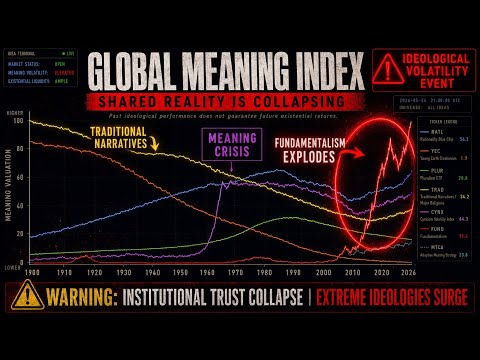
Your Ideologies Are Basically Emotional Stocks. How to Hedge Against Meaning Crisis?
0
Jay posted on 2026/05/19Ever feel like your beliefs are just emotional investments? This video dives into the fascinating 'ideology market' and how to navigate a 'meaning crisis' with advanced vocabulary and complex sentence structures. You'll gain insights into postmodernism and rationality while boosting your English skills!
Learn this video on the APP!
The VoiceTube App has more in-depth practice for videos!