
actual
US /ˈæktʃuəl/
UK /ˈæktʃuəl/
- Adjective
- Real or existing in fact, not imagined; real
- Current; existing at the present time.
A2TOEICMoreafterlife
US /ˈæftɚˌlaɪf/
UK /ˈɑ:ftəlaɪf/
- Noun
- Life after death
C2Morealong with
US /əˈlɔŋ wɪð/
UK /əˈlɔŋ wið/
- Preposition
- In addition to; together with.
- Adverb
- In company or together with someone or something.
- Including; in addition to.
A2Moreancient
US /ˈenʃənt/
UK /'eɪnʃənt/
- Adjective
- Very old; having lived a very long time ago
- Relating to a period in history, especially in the distant past.
- Noun
- A person who lived in ancient times.
A2Moreas a whole
US /æz e hol/
UK /æz ə həul/
- Phrase
- Considering everything together; in general.
- Complete; not divided or incomplete.
- Adjective
- Complete; not divided or fragmented.
A1Moreas soon as
US /æz sun æz/
UK /æz su:n æz/
- Phrase
- In a short time after (something happens)
- Without any delay; immediately
- Conjunction
- At the moment that, or immediately after.
A1Moreas well as
US /æz wɛl æz/
UK /æz wel æz/
- Adverb
- Also; in addition to
- Preposition
- In addition to; and also.
A1Moreat least
US /æt list/
UK /æt li:st/
- Adverb
- As a minimum
- Not less than
- Phrase
- No less than; at the minimum
- Used to indicate that something is positive in a bad situation.
C2Moreat most
US /æt most/
UK /æt məust/
- Adverb
- Not more than; a maximum of.
- Phrase
- Used to indicate an upper limit or maximum quantity.
A1Moreat once
US /æt wʌns/
UK /æt wʌns/
- Adverb
- Immediately; without delay
- At the same time; simultaneously
A2Morebatter
US /ˈbætɚ/
UK /'bætə(r)/
- Countable Noun
- Someone using a bat to play sports, e.g. baseball
- Transitive Verb
- To damage or hurt by being hit, or from hard use
A2Morebeard
US /bɪrd/
UK /bɪəd/
- Noun
- Hair that grows on a man's face
A2Morebite
US /baɪt/
UK /baɪt/
- Noun (Countable/Uncountable)
- Amount of food taken into your mouth at one time
- Wound left from being bitten
- Intransitive Verb
- (E.g. of fish) to take bait and be caught
A2Morebreak in
US /brek ɪn/
UK /breik in/
- Phrasal Verb
- To wear new (shoes, etc.) to make them comfortable
- To interrupt someone's conversation, task
- Verb (Transitive/Intransitive)
- To interrupt a conversation or activity.
- To wear something new until it becomes comfortable.
A1Moreby all accounts
US
UK
- Phrase
- According to what everyone says; reportedly
A1Moreby hand
US /baɪ hænd/
UK /bai hænd/
- Phrase
- Done manually; not by machine.
- Delivered personally; not by mail or electronically.
A1Morecardamom
US /ˈkɑ:rdəməm/
UK /ˈkɑ:dəməm/
- Noun (Countable/Uncountable)
- Aromatic seeds used as seasoning
C2Morecause
US /kɔz/
UK /kɔ:z/
- Noun
- Belief, goal or organization that people support
- Reason for
- Transitive Verb
- To make something happen; create effect or result
A2Morechef
US /ʃɛf/
UK /ʃef/
- Countable Noun
- Person whose job is to cook food in a restaurant
B1Morecome back
US /kʌm bæk/
UK /kʌm bæk/
- Phrasal Verb
- To reply to someone, often forcefully
- To be remembered
A1Morecome from
US /kʌm frʌm/
UK /kʌm frɔm/
- Phrasal Verb
- To have as your native country or city
A1Moreconfusion
US /kənˈfjuʒən/
UK /kən'fju:ʒən/
- Uncountable Noun
- Not knowing what to do; state of disorder
B1Morecruise
US /kruz/
UK /kru:z/
- Verb (Transitive/Intransitive)
- To easily achieve
- To travel by boat or car for leisure
- Countable Noun
- A long vacation trip on a passenger boat
B1Morecrunch
US /krʌntʃ/
UK /krʌntʃ/
- Transitive Verb
- To crush something into pieces
- To crush something noisily.
- Intransitive Verb
- To chew noisily with a crackling sound
- To make a crushing sound when walked on.
B2Moredescend
US /dɪˈsɛnd/
UK /dɪˈsend/
- Intransitive Verb
- To go down; to move from a higher to a lower place
B1Moredivine
US /dɪˈvaɪn/
UK /dɪ'vaɪn/
- Adjective
- Concerning or coming from God or a god
- Being very good or wonderful
- Intransitive Verb
- To predict through feeling and without reason
B1Moredough
US /do/
UK /dəu/
- Uncountable Noun
- Substance made from flour and water to bake bread
- (slang) Money.
B2Moredue to
US /du tu/
UK /dju: tu:/
- Preposition
- Because of; owing to
- Adjective
- Attributable to; caused by.
A1Moreend up with
US
UK
- Phrasal Verb
- To have something as a result.
A1Moreentire
US /ɛnˈtaɪr/
UK /ɪn'taɪə(r)/
- Adjective
- Complete or full; with no part left out; whole
- Undivided; not shared or distributed.
A2TOEICMorefascinating
US /ˈfæsəˌnetɪŋ/
UK /ˈfæsɪneɪtɪŋ/
- Transitive Verb
- To attract or interest greatly
- To hold someone captive with a gaze or other means.
- Adjective
- Having your attention fixated as though by a spell
B1Moreflour
US /flaʊr/
UK /ˈflaʊə(r)/
- Uncountable Noun
- Powder made from a grain used in cooking
- Transitive Verb
- To cover something with flour in cooking
B1Morefood left
US
UK
- Uncountable Noun
- Uneaten food that remains after a meal or event.
- Participle
- Food that has been abandoned or forgotten about.
A1Morefor the gods
US /fɚ ðə ɡɑdz/
UK /fə ðə ɡɒdz/
- other
- Something broken or useless, ready to be discarded or destroyed.
C2Morefor the sake of
US /fɔr ði sek ʌv/
UK /fɔ: ðə seik ɔv/
- Phrase
- For the purpose of; in the interest of.
A1Moregather up
US /ˈɡæðɚ ʌp/
UK /ˈɡæðə ʌp/
- Phrasal Verb
- To collect or pick up things that are spread out.
- To increase or intensify.
A1Moregluten
US /ˈɡlutn/
UK /ˈglu:tn/
- Uncountable Noun
- Mix of sticky plant proteins found in wheat flour
C1Moregot to
US /ɡɑt tu/
UK /gɔt tu:/
- Verb (Transitive/Intransitive)
- To arrive at some place
- To have the opportunity or permission to do something
- Phrasal Verb
- To appeal to the emotions of; move
- To finally begin to start something after a delay
A1Morehave to
US /hæv tu/
UK /ˈhæv tə/
- Auxiliary Verb
- Must do
A1Morehippo
US /ˈhɪpo/
UK /'hɪpəʊ/
- Countable Noun
- Short for 'hippopotamus'
B2Moreimage
US /ˈɪmɪdʒ/
UK /'ɪmɪdʒ/
- Noun (Countable/Uncountable)
- Picture, sculpture or painting of something
- General idea or opinion of something
- Transitive Verb
- To obtain pictures by scanning them with a machine
- To create a visual representation of something.
A2TOEICMorein addition to
US /ɪn əˈdɪʃən tu/
UK /in əˈdiʃən tu:/
- Preposition
- Besides; as well as
- Phrase
- Besides; as well as.
- Furthermore; moreover.
B1Morein charge
US /ɪn tʃɑrdʒ/
UK /in tʃɑ:dʒ/
- Adverb
- To be responsible for
A1Morein fact
US /ɪn fækt/
UK /in fækt/
- Adverb
- Used to emphasize the truth of a statement, especially one that contrasts with or contradicts something else.
- Used to introduce a more detailed or surprising piece of information.
- Phrase
- Used to emphasize the truth of a statement, especially one that is surprising or contrary to what might be expected.
C1Morein person
US /ɪn ˈpɜːrsn/
UK /in ˈpɜːsn/
- Adverb
- Physically present; not by proxy or remotely.
- Face-to-face; not through electronic communication.
A1Morein question
US /ɪn ˈkwɛstʃən/
UK /in ˈkwestʃən/
- Adjective
- Being doubted or disputed; under discussion.
- Referring to someone or something that has already been mentioned.
A1Morein the future
US /ɪn ði ˈfjutʃɚ/
UK /in ðə ˈfju:tʃə/
- Phrase
- At a later time; in times to come.
A1Moreincarnation
US /ˌɪnkɑrˈneʃən/
UK /ˌɪnkɑ:ˈneɪʃn/
- Noun
- Representation of something in a clear way
B2Morejust kind of
US
UK
- Phrase
- Used to express a feeling or state in a vague or hesitant way.
- Used to indicate something is approximately or generally similar to something else.
A2Moreknow about
US /noʊ əˈbaʊt/
UK /nəʊ əˈbaut/
- Phrasal Verb
- To have information or understanding of a subject or situation.
left out
US
UK
- Phrasal Verb
- To forget; omit
- To exclude someone or something; to not include.
A1Morelegacy
US /ˈlɛɡəsi/
UK /'leɡəsɪ/
- Noun (Countable/Uncountable)
- Literature, arts etc. from previous generations
- Something left or given by a person who has died
- Adjective
- Relating to old or outdated computer systems or software.
B2TOEICMorelook to
US
UK
- Phrasal Verb
- Be looking to. be planning to (do something)
- To expect someone to do something for you; rely on
A1Moremake up
US /mek ʌp/
UK /meik ʌp/
- Phrasal Verb
- To invent or create a story
- To add up to
- Verb (Transitive/Intransitive)
- To invent a story, excuse, etc.
- To compensate for something lost, missed, or deficient.
A1Moremonument
US /ˈmɑnjəmənt/
UK /'mɒnjʊmənt/
- Noun (Countable/Uncountable)
- Something built to remember an event or person
- A tomb or structure associated with a burial.
B1Moreoff of
US /ɔf ʌv/
UK /ɔf ɔv/
- Preposition
- From a position on something; down from.
A1Moreon board
US /ɑn bɔrd/
UK /ɔn bɔ:d/
- Phrase
- Being on a ship, plane, or other vehicle
- Adverb
- On or in a ship, aircraft, train, or other vehicle
A1Moreon the inside
US /ɑn ði ɪnˈsaɪd/
UK /ɔn ðə inˈsaid/
- Phrase
- Having a position of authority or influence within an organization or system.
- In prison; incarcerated.
- Adjective
- Possessing secret or confidential information.
A1Morepharaoh
US
UK
- Proper Noun
- A king or queen who ruled in ancient Egypt
- The title of the rulers of ancient Egypt.
B2Morepunt
US /pʌnt/
UK /pʌnt/
- Noun
- A bet; a risky attempt at doing something
- Transitive Verb
- To kick a football or rugby ball high in the air
C1Morerecreate
US /ˌri:krɪ'eɪt/
UK /ˌri:kriˈeɪt/
- Transitive Verb
- To make a past situation exist again
- To refresh or renew, especially after fatigue.
B1Moreregent
US /ˈridʒənt/
UK /'ri:dʒənt/
- Noun
- Person who governs instead of a (sick) ruler
B2Moreroyal
US /ˈrɔɪəl/
UK /'rɔɪəl/
- Adjective
- Excellent or grand; suitable for a king or queen
- Concerning a king or queen
- Noun
- A member of a royal family.
A2Morerule
US /ruːl/
UK /ruːl/
- Noun (Countable/Uncountable)
- Something that is normal and usually happens
- Governmental control or power over a region
- Verb (Transitive/Intransitive)
- To decide legally, especially in court
- To have control or influence
A2TOEICMoresneak in
US /snik ɪn/
UK /sni:k in/
- Phrasal Verb
- To enter a place secretly and quietly, usually without permission.
C2Morestunning
US /ˈstʌnɪŋ/
UK /ˈstʌnɪŋ/
- Adjective
- Causing amazement, e.g. because so very good
- Verb (Transitive/Intransitive)
- To greatly shock or surprise; totally amaze
- To incapacitate using a special gun
B2Moresymbol
US /ˈsɪmbəl/
UK /'sɪmbl/
- Noun
- Image that means or represents something
- An image that represents a message of some kind
A2Moresyrup
US /ˈsɪrəp, ˈsɚ-/
UK /ˈsɪrəp/
- Uncountable Noun
- Sugary liquid e.g. used on pancakes
B2Moretaste
US /test/
UK /teɪst/
- Uncountable Noun
- (Good) sense of style in clothes, art, or manners
- Flavor in your mouth from food or drink
- Verb (Transitive/Intransitive)
- To experience something
- To experience the flavor of food, drink
A2TOEICMoretemple
US /ˈtɛmpəl/
UK /'templ/
- Noun
- A flat area on the side of the forehead
- Place for worship in many religions
B1Morethrone
US /θron/
UK /θrəʊn/
- Noun (Countable/Uncountable)
- Special elaborate chair on which king/queen sits
- Royal power; sovereignty.
- Transitive Verb
- To place on a throne; to enthrone.
B1Moretie to
US
UK
- Phrasal Verb
- To connect or link something to something else.
- To restrict or limit someone's freedom or ability to act.
A1Moreto date
US /tu det/
UK /tu: deit/
- Phrase
- Up to the present time; until now.
- Verb (Transitive/Intransitive)
- To go out on romantic dates with someone.
C2Moreto God
US /tə ɡɑd/
UK /tə ɡɒd/
- other
- Used to emphasize truth or sincerity.
A2Moretomb
US /tum/
UK /tu:m/
- Noun
- Small building or stone box where dead body is put
B1Moretransfer
US /trænsˈfɚ/
UK /træns'fɜ:(r)/
- Transitive Verb
- To move to a different place, job or school
- To give someone an illness through contact
- Noun
- Moving to a different place, job, or school
- Act of giving the right to a property to another
A2TOEICMoreversion
US /ˈvɚʒən, -ʃən/
UK /ˈvə:ʃən/
- Noun
- Different way that someone interprets something
- New or different form of something
A2TOEICMorewalk around
US
UK
- Phrasal Verb
- To stroll or wander in a leisurely way.
- To move about in order to inspect something.
A2Morewheat
US /hwit, wit/
UK /wi:t/
- Uncountable Noun
- A kind of grain that is used to make flour
B1Morewipe
US /waɪp/
UK /waɪp/
- Transitive Verb
- To clean or dry something with a cloth
- To spread a liquid on something
- Noun
- Act to clean or dry something with a cloth
A2Moreyeast
US /jist/
UK /ji:st/
- Noun (Countable/Uncountable)
- A single-celled fungi used to make bread and beer
B2More
Vocabulary
- have to: Must do
- at least: As a minimum
- as soon as: In a short time after (something happens)
- make up: To invent or create a story
- for the gods: Something broken or useless, ready to be discarded or destroyed.
- know about: To have information or understanding of a subject or situation.
- left out: To forget; omit
- as well as: Also; in addition to
- in person: Physically present; not by proxy or remotely.
- to God: Used to emphasize truth or sincerity.
- in the future: At a later time; in times to come.
- along with: In addition to; together with.
- by hand: Done manually; not by machine.
- come back: To reply to someone, often forcefully
- gather up: To collect or pick up things that are spread out.
- end up with: To have something as a result.
- on the inside: Having a position of authority or influence within an organization or system.
- just kind of: Used to express a feeling or state in a vague or hesitant way.
- in addition to: Besides; as well as
- in fact: Used to emphasize the truth of a statement, especially one that contrasts with or contradicts something else.
- due to: Because of; owing to
- in question: Being doubted or disputed; under discussion.
- off of: From a position on something; down from.
- on board: Being on a ship, plane, or other vehicle
- look to: Be looking to. be planning to (do something)
- by all accounts: According to what everyone says; reportedly
- got to: To arrive at some place
- in charge: To be responsible for
- break in: To wear new (shoes, etc.) to make them comfortable
- sneak in: To enter a place secretly and quietly, usually without permission.
- at once: Immediately; without delay
- for the sake of: For the purpose of; in the interest of.
- tie to: To connect or link something to something else.
- walk around: To stroll or wander in a leisurely way.
- as a whole: Considering everything together; in general.
- at most: Not more than; a maximum of.
- come from: To have as your native country or city
- food left: Uneaten food that remains after a meal or event.
- to date: Up to the present time; until now.
- entire: Complete or full; with no part left out; whole
- fascinating: To attract or interest greatly
- ancient: Very old; having lived a very long time ago
- legacy: Literature, arts etc. from previous generations
- version: Different way that someone interprets something
- stunning: Causing amazement, e.g. because so very good
- bit: Device put in a horse's mouth to control it
- syrup: Sugary liquid e.g. used on pancakes
- cruise: To easily achieve
- cause: Belief, goal or organization that people support
- divine: Concerning or coming from God or a god
- actual: Real or existing in fact, not imagined; real
- dough: Substance made from flour and water to bake bread
- crunch: To crush something into pieces
- leave: To go away from; depart
- throne: Special elaborate chair on which king/queen sits
- kind: In a caring and helpful manner
- confusion: Not knowing what to do; state of disorder
- wheat: A kind of grain that is used to make flour
- wipe: To clean or dry something with a cloth
- fact: Something that is known or proved to be true
- build: Your physical shape; physique
- information: Collection of facts and details about something
- modern: Of the present time; up to date; contemporary
- taste: (Good) sense of style in clothes, art, or manners
- batter: Someone using a bat to play sports, e.g. baseball
- yeast: A single-celled fungi used to make bread and beer
- beard: Hair that grows on a man's face
- gluten: Mix of sticky plant proteins found in wheat flour
- great: Very good; better than before
- monument: Something built to remember an event or person
- find: To become aware of something that is happening
- symbol: Image that means or represents something
- rule: Something that is normal and usually happens
- bite: Amount of food taken into your mouth at one time
- descend: To go down; to move from a higher to a lower place
- include: To make someone, something part of a group
- flour: Powder made from a grain used in cooking
- return: To hit something back to the other player or team
- transfer: To move to a different place, job or school
- chef: Person whose job is to cook food in a restaurant
- less: Smaller in amount or degree
- travel: To go to a place that is far away
- time: Speed at which music is played; tempo
- royal: Excellent or grand; suitable for a king or queen
- image: Picture, sculpture or painting of something
- add: To include as well
- tomb: Small building or stone box where dead body is put
- incarnation: Representation of something in a clear way
- pharaoh: A king or queen who ruled in ancient Egypt
- temple: A flat area on the side of the forehead
- afterlife: Life after death
- regent: Person who governs instead of a (sick) ruler
- recreate: To make a past situation exist again
- hippo: Short for 'hippopotamus'
- cardamom: Aromatic seeds used as seasoning
- punt: A bet; a risky attempt at doing something
Get the full experience in the app
Learn anywhere with detailed sentence and usage analysis
01:03
She took a brave step forward, leaving behind her comfort zone to chase her dreams.
Vocabulary
- brave
adj. Having courage
- comfort zone
phr. A familiar situation where one feels safe
Explanation
a brave step is a noun phrase, where brave is an adjective modifying the noun step, meaning "a courageous step".
forward is an adverb modifying step, meaning "ahead".
The whole phrase serves as the object, answering the "what" of took (verb) — she took a brave step forward.
Get the full experience in the app
Look up words anytime with pronunciation, part of speech, and usage
brave
US/brev/
UK/breɪv/
adj.Brave
v.t.To bravely face
A2 Elementary
Get the full experience in the app
Practice speaking anytime and get instant pronunciation feedback
Try this speaking exercise.
Try practicing with this sentence.
80
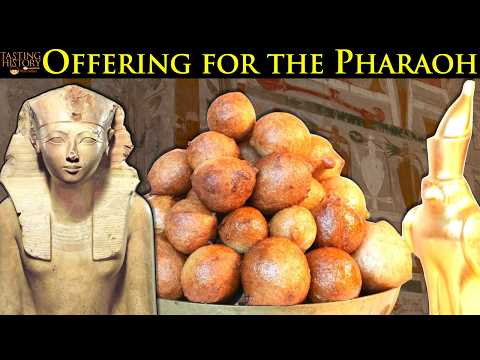
Hatshepsut - The Pharaoh they tried to Erase from History
0
Kay Wu posted on 2026/05/12Ever wondered about the pharaoh they tried to erase from history? Dive into the incredible story of Hatshepsut and discover a historic recipe for Zalabia, an ancient Egyptian treat made with emmer wheat! You'll pick up advanced vocabulary and gain some fascinating cultural depth along the way.
Learn this video on the APP!
The VoiceTube App has more in-depth practice for videos!