
adopt
US /əˈdɑ:pt/
UK /əˈdɒpt/
- Transitive Verb
- To legally take a child into your family
- To take on responsibility for something
A2TOEICMoreaffect
US /əˈfɛkt/
UK /ə'fekt/
- Transitive Verb
- To cause a change in something else
- To pretend to have or feel (something).
- Noun
- (Psychology) Emotion or feeling.
A2TOEICMoreaggregate
US /ˈæɡrɪɡɪt/
UK /'æɡrɪɡət/
- Noun (Countable/Uncountable)
- A sum total amount of something
- A whole formed by combining several separate elements.
- Transitive Verb
- To gather, involve or combine into a single group
B1TOEICMorealcohol
US /ˈælkəˌhɔl,-ˌhɑl/
UK /'ælkəhɒl/
- Uncountable Noun
- A colorless liquid that can catch fire (C2H5OH)
- Drinks such as wine, whiskey, beer
B1Moreamplify
US /ˈæmpləˌfaɪ/
UK /'æmplɪfaɪ/
- Transitive Verb
- To increase the effect of something
- To add more details to a story or something said
B2Moreas opposed to
US
UK
- Preposition
- In contrast to; rather than.
- Instead of; in place of.
A1Moreastounding
US
UK
- Transitive Verb
- To surprise someone greatly
C1Moreat the same time
US
UK
- Phrase
- Simultaneously; at the identical moment.
- Nevertheless; however; used to introduce a contrasting or qualifying statement.
A1Moreaverage
US /ˈævərɪdʒ, ˈævrɪdʒ/
UK /'ævərɪdʒ/
- Noun (Countable/Uncountable)
- Total of numbers divided by the number of items
- Transitive Verb
- To add numbers then divide by the number of items
A2TOEICMorebased on
US
UK
- Phrasal Verb
- To use something as the foundation or starting point for something else.
- Preposition
- Using something as the main idea or foundation.
- Relying on something as evidence or justification.
A1Morecancer
US /ˈkænsɚ/
UK /'kænsə(r)/
- Noun
- Any growth caused by abnormal cell division
B1Morecannabis
US /ˈkænəbɪs/
UK /'kænəbɪs/
- Noun (Countable/Uncountable)
- Type of plant that is a drug when smoked
- A drug, also known as marijuana, that is made from the dried leaves and flowers of the Cannabis plant, often used for recreational or medicinal purposes.
C1Morechallenge
US /ˈtʃæləndʒ/
UK /'tʃælɪndʒ/
- Noun (Countable/Uncountable)
- An activity you wish to try that may be hard to do
- Act of formally inviting someone to compete
- Transitive Verb
- To formally invite someone to compete at something
- To question the correctness of something
A2Morechanger
US /'tʃeɪndʒər/
UK /'tʃeɪndʒə(r)/
- Countable Noun
- A person who changes something
C1Morechronic
US /ˈkrɑnɪk/
UK /'krɒnɪk/
- Adjective
- Always or often doing something, e.g. lying
- (Of disease) over a long time; serious
B1Moreclinical
US /ˈklɪnɪkəl/
UK /ˈklɪnɪkl/
- Adjective
- Concerning the treatment or observing patients
- Using scientific techniques and precision
B1Moreconventional
US /kənˈvɛnʃənəl/
UK /kən'venʃənl/
- Adjective
- Following the common attitudes and practices
- Non-nuclear
B2Moredatum
US /ˈdetəm, ˈdætəm, ˈdɑtəm/
UK /ˈdeɪtəm/
- Noun
- Item of factual information
B1Moredemographic
US /ˌdemə'ɡræfɪk/
UK /ˌdemə'ɡræfɪk/
- Noun
- Group of people with similar characteristics
- A particular sector of a population.
- Adjective
- Characterizing human populations
C2Moredepending on
US
UK
- Phrasal Verb
- To rely on for support (financial or emotional)
- Influenced or determined by.
- Preposition
- Subject to; contingent on
- Relying on someone or something for support or assistance.
A2Moredisruption
US /dɪs'rʌpʃn/
UK /dɪs'rʌpʃn/
- Noun
- When a disturbance stops an activity in progress
B2Moreestate
US /ɪˈstet/
UK /ɪˈsteɪt/
- Noun (Countable/Uncountable)
- A large piece of land, usually with a large house
- Group of houses all built at the same time
A2TOEICMoreexplore
US /ɪkˈsplɔr/
UK /ɪk'splɔ:(r)/
- Transitive Verb
- To examine something in detail to learn about it
- To travel to a place to discover more about it
A2TOEICMorefall apart
US /fɔl əˈpɑrt/
UK /fɔ:l əˈpɑ:t/
- Phrasal Verb
- To suffer a nervous breakdown
- To break into pieces; stop functioning
A1Morefill in
US /fɪl ɪn/
UK /fil in/
- Phrasal Verb
- To put earth in e.g. a hole
- To explain the context so that someone understands
- Verb (Transitive/Intransitive)
- To write or type information in a blank space.
- To temporarily do someone else's job.
A1Morefor example
US
UK
- Phrase
- As an illustration or instance.
fraction
US /ˈfrækʃən/
UK /ˈfrækʃn/
- Noun (Countable/Uncountable)
- Small part of something
- A numerical quantity that is not a whole number (e.g., 1/2, 0.5).
B1TOEICMoregot to
US /ɡɑt tu/
UK /gɔt tu:/
- Verb (Transitive/Intransitive)
- To arrive at some place
- To have the opportunity or permission to do something
- Phrasal Verb
- To appeal to the emotions of; move
- To finally begin to start something after a delay
A1Morehave to
US /hæv tu/
UK /ˈhæv tə/
- Auxiliary Verb
- Must do
A1Morehormonal
US /hɔ:'moʊnl/
UK /hɔ:'məʊnl/
- Adjective
- Concerning or caused by hormones in the body
B2Morehormone
US /ˈhɔrˌmon/
UK /'hɔ:məʊn/
- Noun
- Chemical produced by the body to control functions
B2Morein general
US /ɪn ˈdʒɛnərəl/
UK /in ˈdʒenərəl/
- Phrase
- Typically; usually; on the whole.
- Not specific or detailed; broadly.
- Adjective
- Not detailed or specific; overall.
C2Morein need
US /ɪn nid/
UK /in ni:d/
- Phrase
- Not having the necessary things, such as food
A1Morein places
US
UK
- Phrase
- In some locations but not others
A1Morein terms of
US
UK
- Phrase
- With regard to; concerning a particular aspect.
A1Morein the aggregate
US /ɪn ði ˈæɡrəɡɪt/
UK /ɪn ði ˈægrɪgət/
- other
- Considering the whole or total amount combined.
C1Morein the first place
US
UK
- Phrase
- To begin with; as the first point or consideration.
- From the beginning; initially.
A1Moreincline
US /ɪnˈklaɪn/
UK /ɪn'klaɪn/
- Verb (Transitive/Intransitive)
- To bend the head or body forward
- To influence toward a particular opinion, action
- Noun (Countable/Uncountable)
- A slope or surface that rises uphill
- A tendency or disposition; a leaning toward something.
B1TOEICMoreinfuse
US /ɪnˈfjooz/
UK /ɪnˈfju:z/
- Transitive Verb
- To soak tea, etc. in hot water, oil etc.
- To cause to fill up with a feeling or quality
B2TOEICMoreinitiative
US /ɪˈnɪʃətɪv/
UK /ɪ'nɪʃətɪv/
- Noun (Countable/Uncountable)
- Ability to come up with solutions by yourself
- New plan or idea that is meant to fix a problem
B1TOEICMoreinstead of
US /ɪnˈstɛd ʌv/
UK /inˈsted ɔv/
- Preposition
- When one thing is replaced by another
- Adverb
- As a substitute or alternative.
A1Moreinterest of
US
UK
- Phrase
- For the benefit or advantage of someone or something.
- A feeling of wanting to know or learn about something or someone.
- Noun
- A legal share or right in something.
A1Moreinvest
US /ɪnˈvɛst/
UK /ɪn'vest/
- Transitive Verb
- To use resources to build for the future
A2TOEICMoreinvestigation
US /ɪnˌvɛstɪˈɡeʃən/
UK /ɪnˌvestɪ'ɡeɪʃn/
- Noun (Countable/Uncountable)
- Search for information about something
B1Moreknow about
US /noʊ əˈbaʊt/
UK /nəʊ əˈbaut/
- Phrasal Verb
- To have information or understanding of a subject or situation.
lean into
US
UK
- Phrasal Verb
- To bend or move your body closer to something, often for support or to get a better view.
- To embrace or fully engage with something, especially something difficult or challenging.
B2Morelift
US /lɪft/
UK /lɪft/
- Noun
- Picking someone up in a car and taking to a place
- Machine carrying people up or down to other floors
- Transitive Verb
- To stop or cancel something, such as a rule
- To move something to higher position
A2Morelook at
US /lʊk æt/
UK /luk æt/
- Phrasal Verb
- To use your eyes to focus on something
- To focus your eyes on something carefully
A1Moremenopause
US /ˈmɛnəˌpɔz/
UK /ˈmenəpɔ:z/
- Noun
- Mid-life period when women's periods stop
B2Morenausea
US /ˈnɔziə, -ʒə, -siə, -ʃə/
UK /ˈnɔ:ziə/
- Uncountable Noun
- Feeling of sickness so that you feel like vomiting
- A feeling of revulsion; disgust.
B2Morenecessarily
US /ˌnɛsɪˈsɛrəli, -ˈsɛr-/
UK /ˌnesəˈserəli/
- Adverb
- In a way that is needed/required/is unavoidable
A2TOEICMorenumber of people
US /ˈnʌmbɚ ʌv ˈpipəl/
UK /ˈnʌmbə ɔv ˈpi:pl/
- Phrase
- The total count of individuals within a group or gathering.
- A statistical figure representing the population size or a subset thereof.
A1Moreof course
US /ʌv kɔː(r)s/
UK /ɔv kɔː(r)s/
- Adverb
- Sure ; Certainly
- Phrase
- For sure; certainly
A2Moreof someone's life
US /ʌv ˈsʌmwʌnz laɪf/
UK /əv ˈsʌmwʌnz laɪf/
- other
- Concerning or relating to the duration or major events in life.
B2Moreoverlap
US /ˌoʊvərˈlæp/
UK /ˌəʊvəˈlæp/
- Verb (Transitive/Intransitive)
- To lie over or cover a part of something else
- To happen at the same time as another event
- Noun (Countable/Uncountable)
- Amount shared in the same space, form, idea
B1TOEICMorephase
US /fez/
UK /feɪz/
- Noun
- Different stages of the moon from new to full
- Distinct part or step in a process
- Transitive Verb
- To make happen in a gradual ordered way
A2Morepregnancy
US /ˈprɛɡnənsi/
UK /ˈpregnənsi/
- Uncountable Noun
- When a woman carries her unborn baby inside her
- A specific instance or period of being pregnant.
B1Morerecreational
US /ˌrɛkriˈeʃənəl/
UK /ˌrekriˈeɪʃənl/
- Adjective
- Being done for pleasure
- Relating to the use of drugs for pleasure rather than for medical purposes.
B2Moreriff
US /rɪf/
UK /rɪf/
- Noun
- Short series of repeated notes in music
- Verb (Transitive/Intransitive)
- To play a riff or series of riffs.
- To improvise or elaborate on a theme or idea.
C1Morerut
US /rʌt/
UK /rʌt/
- Countable Noun
- Deep track, made by the wheels of vehicles
B2Moresame time
US
UK
- Phrase
- Occurring simultaneously or at the same point in time.
- At the identical time as before; recurring at a fixed hour.
- Noun
- An equal duration or period.
A1Moresee in
US /si ɪn/
UK /si: in/
- Phrasal Verb
- To accompany someone to the entrance of a building or room.
A1Moreseemingly
US /ˈsiːmɪŋli/
UK /ˈsi:mɪŋli/
- Adverb
- Appearing to be but may not actually be; probably
B1Moreseminar
US /ˈsɛməˌnɑr/
UK /ˈsemɪnɑ:(r)/
- Noun
- A small class at a college or university
B1TOEICMoresensitive
US /ˈsɛnsɪtɪv/
UK /'sensətɪv/
- Adjective
- Taking offense easily; easily upset or hurt
- (Private information) needing careful treatment
A2TOEICMoresignificant
US /sɪɡˈnɪfɪkənt/
UK /sɪgˈnɪfɪkənt/
- Adjective
- Large enough to be noticed or have an effect
- Having meaning; important; noticeable
A2TOEICMoresound right
US
UK
- Intransitive Verb
- To seem correct or accurate.
specific
US /spɪˈsɪfɪk/
UK /spəˈsɪfɪk/
- Adjective
- Precise; particular; just about that thing
- Concerning one particular thing or kind of thing
A2Morespecifically
US /spəˈsɪfɪkli/
UK /spəˈsɪfɪkli/
- Adverb
- As regards a particular thing; closely related to
- In a definite and clear manner.
A2Morestigma
US /ˈstɪɡmə/
UK /'stɪɡmə/
- Noun
- Mark of shame or disgrace
B2TOEICMoresuffer from
US /ˈsʌfɚ frʌm/
UK /ˈsʌfə frɔm/
- Intransitive Verb
- To experience pain or distress; to be badly affected by.
A1Moresurge
US /sɜ:rdʒ/
UK /sɜ:dʒ/
- Noun (Countable/Uncountable)
- Sudden movement in one direction by many
- Sudden or unexpected increase in amount
- Intransitive Verb
- To move unexpectedly and quickly in one direction
- To rise to an unexpected height
B2Moretalking about
US
UK
- Phrasal Verb
- To discuss a particular topic.
- To be constantly mentioning or bringing up a subject.
A1Moretherapy
US /ˈθɛrəpi/
UK /'θerəpɪ/
- Noun (Countable/Uncountable)
- Treatment to help cure an illness
- Psychological counseling to help resolve personal or emotional problems.
B2Morethink about
US /θɪŋk əˈbaʊt/
UK /θiŋk əˈbaut/
- Phrasal Verb
- To consider something carefully.
- To remember or call to mind.
A1Morethink of
US /θɪŋk ʌv/
UK /θiŋk ɔv/
- Phrasal Verb
- To look on as (being something specific); consider
- To consider or remember something.
- Verb (Transitive/Intransitive)
- To imagine or call something to mind
A1Moreturn to
US /tɚn tu/
UK /tə:n tu:/
- Phrasal Verb
- To go to someone for help, advice, or information.
- To start doing or using something, often something bad or undesirable.
A1Moreunderrepresented
US /ˌʌndəˌreprɪ'zentɪd/
UK /ˌʌndəreprɪ'zentɪd/
- Adjective
- Insufficient amount of support or representation
- Transitive Verb
- Presented someone or something with less than its true importance or value.
C2Moreuniversal
US /ˌjunəˈvɚsəl/
UK /ˌju:nɪˈvɜ:sl/
- Adjective
- Existing in all places at all times for all people
- Done or experienced by everyone
- Noun (Countable/Uncountable)
- Things which apply equally to everyone
- A general term, idea, or concept applicable to many particular things.
A2Moreused to
US /juzd tu/
UK /ˈju:st tə/
- Adjective
- Did regularly before, but don't do now
- Auxiliary Verb
- Have done before, but do not do now
A1Morevastly
US /ˈvæstli/
UK /ˈvɑ:stli/
- Adverb
- To an exceedingly great extent or degree
B2Morevomit
US /ˈvɑ:mɪt/
UK /ˈvɒmɪt/
- Noun (Countable/Uncountable)
- Food coming back up from stomach, due to illness
- Verb (Transitive/Intransitive)
- To bring (blood, etc.) up and out of mouth
B2Moreweed
US /wid/
UK /wi:d/
- Intransitive Verb
- (Childish use) to urinate; go to the bathroom
- Uncountable Noun
- Marijuana
C1Morewith regard to
US /wɪð rɪˈɡɑrd tu/
UK /wið riˈɡɑ:d tu:/
- Phrase
- Concerning; in relation to.
A1Moreworldwide
US /ˈwɚldˈwaɪd/
UK /ˈwɜ:ldwaɪd/
- Adjective
- Spanning or extending throughout the entire world
- Adverb
- Extending or reaching throughout the whole world.
B1More
Vocabulary
- think of: To look on as (being something specific); consider
- in terms of
- think about: To consider something carefully.
- have to: Must do
- in the first place: To begin with; as the first point or consideration.
- in the aggregate: Considering the whole or total amount combined.
- used to: Did regularly before, but don't do now
- suffer from: To experience pain or distress; to be badly affected by.
- for example: As an illustration or instance.
- depending on: To rely on for support (financial or emotional)
- got to: To arrive at some place
- with regard to: Concerning; in relation to.
- fill in: To put earth in e.g. a hole
- of course: Sure ; Certainly
- look at: To use your eyes to focus on something
- interest of: For the benefit or advantage of someone or something.
- in places: In some locations but not others
- see in: To accompany someone to the entrance of a building or room.
- sound right: To seem correct or accurate.
- at the same time: Simultaneously; at the identical moment.
- same time: Occurring simultaneously or at the same point in time.
- based on: To use something as the foundation or starting point for something else.
- know about: To have information or understanding of a subject or situation.
- instead of: When one thing is replaced by another
- turn to: To go to someone for help, advice, or information.
- talking about: To discuss a particular topic.
- in general: Typically; usually; on the whole.
- lean into: To bend or move your body closer to something, often for support or to get a better view.
- of someone's life: Concerning or relating to the duration or major events in life.
- as opposed to: In contrast to; rather than.
- in need: Not having the necessary things, such as food
- number of people: The total count of individuals within a group or gathering.
- fall apart: To suffer a nervous breakdown
- specific: Precise; particular; just about that thing
- sort: To organize things by putting them into groups
- chronic: Always or often doing something, e.g. lying
- significant: Large enough to be noticed or have an effect
- term: Conditions applying to an agreement, contract
- initiative: Ability to come up with solutions by yourself
- average: Total of numbers divided by the number of items
- therapy: Treatment to help cure an illness
- surge: Sudden movement in one direction by many
- specifically: As regards a particular thing; closely related to
- general: Widespread, normal or usual
- necessarily: In a way that is needed/required/is unavoidable
- stigma: Mark of shame or disgrace
- hormone: Chemical produced by the body to control functions
- explore: To examine something in detail to learn about it
- industry: Hard work; being busy working
- nausea: Feeling of sickness so that you feel like vomiting
- conventional: Following the common attitudes and practices
- affect: To cause a change in something else
- fraction: Small part of something
- sensitive: Taking offense easily; easily upset or hurt
- seemingly: Appearing to be but may not actually be; probably
- vomit: Food coming back up from stomach, due to illness
- adopt: To legally take a child into your family
- challenge: An activity you wish to try that may be hard to do
- estate: A large piece of land, usually with a large house
- universal: Existing in all places at all times for all people
- lift: Picking someone up in a car and taking to a place
- mood: Emotion or a state of mind; how you feel
- invest: To use resources to build for the future
- clinical: Concerning the treatment or observing patients
- alcohol: A colorless liquid that can catch fire (C2H5OH)
- phase: Different stages of the moon from new to full
- pregnancy: When a woman carries her unborn baby inside her
- astounding: To surprise someone greatly
- demographic: Group of people with similar characteristics
- disruption: When a disturbance stops an activity in progress
- lot: What happens to a person in life from chance; fate
- investigation: Search for information about something
- sound: Sensible, dependable and reliable
- pain: Strong feeling of hurt or discomfort
- weed: (Childish use) to urinate; go to the bathroom
- amplify: To increase the effect of something
- overlap: To lie over or cover a part of something else
- worldwide: Spanning or extending throughout the entire world
- change: To exchange one set of clothes for another
- aggregate: A sum total amount of something
- recreational: Being done for pleasure
- vastly: To an exceedingly great extent or degree
- seminar: A small class at a college or university
- area: Amount of measured space
- infuse: To soak tea, etc. in hot water, oil etc.
- incline: To bend the head or body forward
- life: All the living things e.g. animals, plants, humans
- rut: Deep track, made by the wheels of vehicles
- country: An area of land that is controlled by a government
- lose: To be unable to keep in check or control something
- hormonal: Concerning or caused by hormones in the body
- cancer: Any growth caused by abnormal cell division
- hear: To be aware of sound; to perceive with the ear
- datum: Item of factual information
- people: Persons sharing culture, country, background, etc.
- menopause: Mid-life period when women's periods stop
- cannabis: Type of plant that is a drug when smoked
- underrepresented: Insufficient amount of support or representation
- riff: Short series of repeated notes in music
- changer: A person who changes something
Get the full experience in the app
Learn anywhere with detailed sentence and usage analysis
01:03
She took a brave step forward, leaving behind her comfort zone to chase her dreams.
Vocabulary
- brave
adj. Having courage
- comfort zone
phr. A familiar situation where one feels safe
Explanation
a brave step is a noun phrase, where brave is an adjective modifying the noun step, meaning "a courageous step".
forward is an adverb modifying step, meaning "ahead".
The whole phrase serves as the object, answering the "what" of took (verb) — she took a brave step forward.
Get the full experience in the app
Look up words anytime with pronunciation, part of speech, and usage
brave
US/brev/
UK/breɪv/
adj.Brave
v.t.To bravely face
A2 Elementary
Get the full experience in the app
Practice speaking anytime and get instant pronunciation feedback
Try this speaking exercise.
Try practicing with this sentence.
80
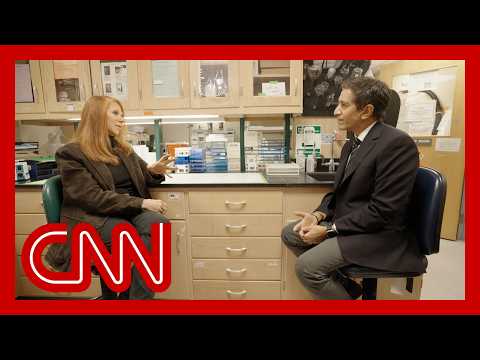
Why women are turning to cannabis for menopause & pain
0
林宜悉 posted on 2026/04/19Curious about why more women are exploring cannabis for menopause and pain relief? This video dives into the latest on medical cannabis, featuring insights on clinical trials and practical uses for everyday life. You'll pick up advanced vocabulary related to women's health and learn about this growing trend!
Learn this video on the APP!
The VoiceTube App has more in-depth practice for videos!