
advocate
US /ˈædvəˌket/
UK /'ædvəkeɪt/
- Noun (Countable/Uncountable)
- A lawyer who protects a clients interests
- Person who supports a movement for changes
- Verb (Transitive/Intransitive)
- To request change
- To publicly support a belief
B1TOEICMoreagent
US /ˈedʒənt/
UK /'eɪdʒənt/
- Noun
- Chemical with the power to make chemical reactions
- Person who represents or decides for others
A2TOEICMoreall over the place
US
UK
- Phrase
- In a state of disorder; scattered everywhere.
- In many different locations; widely distributed.
- Adjective
- Mentally or emotionally disorganized; confused or erratic.
A1Morearticle
US /ˈɑrtɪkəl/
UK /'ɑ:tɪkl/
- Noun (Countable/Uncountable)
- Word such as 'a', 'an', or 'the' used before nouns
- Piece of writing about a particular subject
A2TOEICMoreas we know it
US /əz wi no ɪt/
UK /əz wi nəu ɪt/
- other
- In the form or way commonly understood or accepted.
B2Moreas well as
US /æz wɛl æz/
UK /æz wel æz/
- Adverb
- Also; in addition to
- Preposition
- In addition to; and also.
A1Moreat least
US /æt list/
UK /æt li:st/
- Adverb
- As a minimum
- Not less than
- Phrase
- No less than; at the minimum
- Used to indicate that something is positive in a bad situation.
C2Moreat the same time
US
UK
- Phrase
- Simultaneously; at the identical moment.
- Nevertheless; however; used to introduce a contrasting or qualifying statement.
A1Moreautonomous
US /ɔ:ˈtɑ:nəməs/
UK /ɔ:ˈtɒnəməs/
- Adjective
- Able to control or decide matters by itself
B2Moreaware
US /əˈwɛr/
UK /əˈwɛə/
- Adjective
- Knowing or feeling that something exists
A2TOEICMoreblueprint
US /ˈbluˌprɪnt/
UK /ˈblu:prɪnt/
- Noun (Countable/Uncountable)
- Plans of how buildings will be built
- Method use to plan or organize something
B2Morebreaks down
US
UK
- Phrasal Verb
- To forcibly break, destroy or make collapse
- (Machine) to stop working or become weaker
A1Moreby itself
US /baɪ ɪtˈsɛlf/
UK /bai itˈself/
- Adverb
- Alone; without help or assistance.
- Without any external influence or aid.
A2Morecapitalism
US /ˈkæpɪtlˌɪzəm/
UK /ˈkæpɪtəlɪzəm/
- Noun (Countable/Uncountable)
- Economic system where companies own industry
- An economic system in which private individuals or businesses own capital goods. The production of goods and services is based on supply and demand in the general market (a market economy) rather than through central planning (a planned economy or command
B1Moreclock in
US
UK
- Phrasal Verb
- To record the time of one's arrival at work, typically using a time clock.
A1Morecognitive
US /ˈkɑɡnɪtɪv/
UK /ˈkɒgnətɪv/
- Adjective
- The process of knowing and remembering
- Relating to the ability to think and reason.
C1Morecome back
US /kʌm bæk/
UK /kʌm bæk/
- Phrasal Verb
- To reply to someone, often forcefully
- To be remembered
A1Morecome from
US /kʌm frʌm/
UK /kʌm frɔm/
- Phrasal Verb
- To have as your native country or city
A1Morecontinuously
US /kənˈtɪnjʊəslɪ/
UK /kən'tɪnjʊəslɪ/
- Adverb
- Without stops, breaks, or an end
- Without interruption; constantly.
B1Moreconversation
US /ˌkɑnvɚˈseʃən/
UK /ˌkɒnvəˈseɪʃn/
- Uncountable Noun
- Talking with other people; discussion or chat
- General communication or interaction.
A2Moredatum
US /ˈdetəm, ˈdætəm, ˈdɑtəm/
UK /ˈdeɪtəm/
- Noun
- Item of factual information
B1Moredevice
US /dɪˈvaɪs/
UK /dɪˈvaɪs/
- Noun (Countable/Uncountable)
- Object, machine, or equipment for a specific use
- Method of doing something; a way
A2TOEICMorediagnosis
US /ˌdaɪəgˈnoʊsɪs/
UK /ˌdaɪəgˈnəʊsɪs/
- Noun (plural)
- Judgments by a doctor about a person's illness
- Noun
- The identification of a disease or condition.
B1Moredie on the vine
US /daɪ ɑn ðə vaɪn/
UK /daɪ ɒn ðə vaɪn/
- other
- To fail to progress or develop and eventually stop entirely.
C1Moredo in
US
UK
- Phrasal Verb
- To make completely tired out and exhausted
- To destroy or cause damage to someone
A1Moredo without
US
UK
- Phrasal Verb
- To manage without having or doing something
A1Moredrone
US /dron/
UK /drəʊn/
- Countable Noun
- A remote controlled flying device
- Male bee
- Intransitive Verb
- To talk in a continually dull or monotonous voice
- To make a continuous low humming sound.
B2TOEICMoreexplicit
US /ɪkˈsplɪsɪt/
UK /ɪkˈsplɪsɪt/
- Adjective
- Definite; clearly stated; specific
- (Of images/language) very clear, e.g. showing sex
B1Morefeel right
US
UK
- Intransitive Verb
- To seem correct or appropriate; to give a sense of being morally or ethically sound.
A1Morefigure out
US /ˈfɪɡjɚ aʊt/
UK /ˈfiɡə aut/
- Phrasal Verb
- To understand the behavior of someone
- To think through logically to find a solution
- Verb (Transitive/Intransitive)
- To understand or find an answer to something.
- To find a solution to a problem or understand something.
A1Morefor example
US
UK
- Phrase
- As an illustration or instance.
found out
US
UK
- Phrasal Verb
- To learn or discover something, often after some effort.
- To become known; be revealed.
B2Moreget a cut
US
UK
- Verb (Transitive/Intransitive)
- To receive a share of profits or proceeds.
A2Morego back to
US /ɡo bæk tu/
UK /ɡəu bæk tu:/
- Phrasal Verb
- To return to a starting point
A1Moreguardian
US /ˈɡɑrdiən/
UK /'ɡɑ:dɪən/
- Noun
- Person who guards, protects, or preserves
B1Morehave to
US /hæv tu/
UK /ˈhæv tə/
- Auxiliary Verb
- Must do
A1Morein action
US
UK
- Phrase
- Actively doing something; performing a task or duty.
in conclusion
US
UK
- Phrase
- Used to indicate a summary or final point.
A1Morein conjunction with
US /ɪn kənˈdʒʌŋkʃən wɪð/
UK /in kənˈdʒʌŋkʃən wið/
- Phrase
- Together with; along with
A1Morein fact
US /ɪn fækt/
UK /in fækt/
- Adverb
- Used to emphasize the truth of a statement, especially one that contrasts with or contradicts something else.
- Used to introduce a more detailed or surprising piece of information.
- Phrase
- Used to emphasize the truth of a statement, especially one that is surprising or contrary to what might be expected.
C1Morein on
US
UK
- Phrase
- To be involved in a secret or plan.
- To be aware of something that is secret or not generally known.
A1Morein practice
US /ɪn ˈpræktɪs/
UK /in ˈpræktis/
- Phrase
- In reality or actual use; as opposed to in theory.
A1Morein private
US /ɪn ˈpraɪvɪt/
UK /in ˈpraivit/
- Phrase
- Not in public; in a place where other people cannot see or hear you
- In a confidential manner; not intended for general knowledge
B1Morein public
US /ɪn ˈpʌblɪk/
UK /in ˈpʌblik/
- Phrase
- In a place where anyone can see or hear you.
- Adjective
- Relating to the government or the people as a whole.
B1Morein reality
US /ɪn riˈælɪti/
UK /in riˈæliti/
- Phrase
- Actually; in fact; truly.
B2Morein the first place
US
UK
- Phrase
- To begin with; as the first point or consideration.
- From the beginning; initially.
A1Morein the hands of
US /ɪn ðə ˈhændz ʌv/
UK /in ðə ˈhændz ɔv/
- Preposition
- Under the control or responsibility of someone.
B1Morein the weeds
US /ɪn ðə widz/
UK /ɪn ðə wi:dz/
- other
- Overwhelmed by complexity or amount of work.
B2Moreinnovation
US /ˌɪnəˈveʃən/
UK /ˌɪnəˈveɪʃn/
- Uncountable Noun
- Process of creating new ideas or inventions
- A new thing or method that is introduced.
B1TOEICMoreintelligent
US /ɪnˈtɛlədʒənt/
UK /ɪnˈtelɪdʒənt/
- Adjective
- Smart; able to think and reason
- Having a good understanding or a high mental capacity; quick to comprehend.
A2Moreinvestigation
US /ɪnˌvɛstɪˈɡeʃən/
UK /ɪnˌvestɪ'ɡeɪʃn/
- Noun (Countable/Uncountable)
- Search for information about something
B1Morekilter
US
UK
- Noun
- In working order
C2Moreknow about
US /noʊ əˈbaʊt/
UK /nəʊ əˈbaut/
- Phrasal Verb
- To have information or understanding of a subject or situation.
leap
US /lip/
UK /li:p/
- Verb (Transitive/Intransitive)
- To enter or start something eagerly
- (Of prices) to increase quickly by a large amount
- Noun
- (Of prices) a quick large increase
- A large forward step or jump
B1Morelook at
US /lʊk æt/
UK /luk æt/
- Phrasal Verb
- To use your eyes to focus on something
- To focus your eyes on something carefully
A1Moremedical
US /ˈmɛdɪkəl/
UK /ˈmedɪkl/
- Adjective
- Of or relating to physical health or medicine
- Noun
- A health check or test
A2Moremove to
US /muv tu/
UK /mu:v tu:/
- Phrasal Verb
- To change the place where you live or work.
- Verb (Transitive/Intransitive)
- To proceed to the next stage or action.
A2Moreneural
US /ˈnʊrəl, ˈnjʊr-/
UK /ˈnjuərəl/
- Adjective
- About the nerves or nervous system
B2Morenext to
US /nɛkst tu/
UK /nekst tu:/
- Preposition
- Being located along side another
- In comparison with
- Adverb
- Almost; nearly
A1Morenumber of people
US /ˈnʌmbɚ ʌv ˈpipəl/
UK /ˈnʌmbə ɔv ˈpi:pl/
- Phrase
- The total count of individuals within a group or gathering.
- A statistical figure representing the population size or a subset thereof.
A1Moreof course
US /ʌv kɔː(r)s/
UK /ɔv kɔː(r)s/
- Adverb
- Sure ; Certainly
- Phrase
- For sure; certainly
A2Moreon earth
US /ɑn ɚθ/
UK /ɔn ə:θ/
- Phrase
- Used to emphasize a question expressing surprise or anger.
- Used to emphasize that something is not possible or will not happen.
A1Moreon paper
US /ɑn ˈpeɪpər/
UK /ɔn ˈpeipə/
- Phrase
- In theory or as a plan, but not necessarily in reality.
- Recorded in writing; documented.
A1Moreout of kilter
US /aʊt əv ˈkɪltɚ/
UK /aut əv ˈkiltə/
- other
- Not in proper order or balance; out of adjustment.
B2Moreout of whack
US /aʊt ʌv hwæk/
UK /aut ɔv hwæk/
- Adjective
- Not in proper working order; not functioning correctly.
- Not properly aligned or adjusted.
A1Moreprominent
US /ˈprɑmənənt/
UK /ˈprɒmɪnənt/
- Adjective
- Being important or well known
- Being easily noticeable
B1Moreregulation
US /ˌrɛɡjəˈleʃən/
UK /ˌregjuˈleɪʃn/
- Noun (Countable/Uncountable)
- Act of controlling something with rules or orders
- A rule or directive made and maintained by an authority.
- Noun
A2Morereligious
US /rɪˈlɪdʒəs/
UK /rɪˈlɪdʒəs/
- Adjective
- Following the rules and beliefs of a faith
- Relating to or manifesting faithful devotion to an acknowledged ultimate reality or deity.
B1Morerobot
US /ˈroʊbɑ:t/
UK /ˈrəʊbɒt/
- Countable Noun
- Machine able perform more tasks that people can
- A person who acts in a mechanical or unemotional way.
B1Morerobotic
US /roʊˈbɑ:tɪk/
UK /rəʊˈbɒtɪk/
- Adjective
- Concerning mechanical robots
B1Moresame time
US
UK
- Phrase
- Occurring simultaneously or at the same point in time.
- At the identical time as before; recurring at a fixed hour.
- Noun
- An equal duration or period.
A1Moresenate
US /ˈsɛnɪt/
UK /'senət/
- Noun
- A board of governors at a college or university
B2Moresilicon
US /ˈsɪlɪkən, -ˌkɑn/
UK /ˈsɪlɪkən/
- Uncountable Noun
- Mineral used in making steel and computer parts
B2Morespacecraft
US /ˈspeɪskræft/
UK /ˈspeɪskrɑ:ft/
- Noun
- Vehicle capable of traveling to outer space
- An unmanned probe or satellite designed for space exploration.
C2Morestatistical
US /stəˈtɪstɪkəl/
UK /stə'tɪstɪkl/
- Adjective
- Concerning the math of data
B1Morestructure
US /ˈstrʌk.tʃɚ/
UK /ˈstrʌk.tʃə/
- Noun (Countable/Uncountable)
- The way in which the parts of a system or object are arranged or organized, or a system arranged in this way
- A building or other man-made object.
- Transitive Verb
- To plan, organize, or arrange the parts of something
A2TOEICMoretake for example
US
UK
- Phrase
- To use as an instance or illustration.
A1Moretake in
US
UK
- Phrasal Verb
- To allow to enter; receive as a guest
- To include or add
- Transitive Verb
- To absorb (liquid).
- To understand or comprehend something.
A1Moretalking about
US
UK
- Phrasal Verb
- To discuss a particular topic.
- To be constantly mentioning or bringing up a subject.
A1Moretechnology
US /tɛkˈnɑlədʒi/
UK /tek'nɒlədʒɪ/
- Uncountable Noun
- Use or knowledge of science in industry etc.
- Machinery and equipment developed from scientific knowledge.
A2TOEICMoretemperature
US /ˈtɛmpərəˌtʃʊr,-tʃɚ,ˈtɛmprə-/
UK /ˈtemprətʃə(r)/
- Noun (Countable/Uncountable)
- When you your body heat is above normal
- How hot or cold something is, e.g. the weather
A2Morethanks to
US /θæŋks tu/
UK /θæŋks tu:/
- Preposition
- Because of; as a result of.
A1Morethink about
US /θɪŋk əˈbaʊt/
UK /θiŋk əˈbaut/
- Phrasal Verb
- To consider something carefully.
- To remember or call to mind.
A1Morethroat
US /θroʊt/
UK /θrəʊt/
- Noun
- Part of the neck that is below the chin
- The passage in the neck through which food and air pass.
- Verb (Transitive/Intransitive)
- To utter or express with the throat; to sing.
A2Moretrack
US /træk/
UK /træk/
- Transitive Verb
- To use marks to follow a wild animal
- To move a certain way/follow a particular course
- Noun
- A circular course for running
- Course or way someone takes, e.g. in education
A2TOEICMoretracker
US /'trækər/
UK /'trækə(r)/
- Countable Noun
- Person using marks to follow a wild animal
- A person or animal that finds things or people by following the marks they have left behind.
B2Moretrend
US /trɛnd/
UK /trend/
- Noun (Countable/Uncountable)
- Current style or fashion
- General direction that is taken
- Intransitive Verb
- To be current and popular
- To move up or down
A2Morewealth
US /wɛlθ/
UK /welθ/
- Uncountable Noun
- Amount of money or possessions you own, e.g. large
A2TOEICMorewear on
US /wɛr ɑn/
UK /wɛə ɔn/
- other
A1Morewith the exception of
US
UK
- Phrase
- Excluding; not including.
A1Morework at
US /wɚk æt/
UK /wə:k æt/
- Phrasal Verb
- To have a job at a particular place or organization.
- To make an effort to improve something.
A1Morework in
US /wɚk ɪn/
UK /wə:k in/
- Phrasal Verb
- To make an opening for something in your schedule
- To fit person/thing into a schedule or sequence
A1More
Vocabulary
- for example: As an illustration or instance.
- of course: Sure ; Certainly
- have to: Must do
- as we know it: In the form or way commonly understood or accepted.
- clock in: To record the time of one's arrival at work, typically using a time clock.
- next to: Being located along side another
- at least: As a minimum
- thanks to: Because of; as a result of.
- talking about: To discuss a particular topic.
- same time: Occurring simultaneously or at the same point in time.
- think about: To consider something carefully.
- go back to: To return to a starting point
- work in: To make an opening for something in your schedule
- in fact: Used to emphasize the truth of a statement, especially one that contrasts with or contradicts something else.
- out of kilter: Not in proper order or balance; out of adjustment.
- found out: To learn or discover something, often after some effort.
- number of people: The total count of individuals within a group or gathering.
- on earth: Used to emphasize a question expressing surprise or anger.
- in reality: Actually; in fact; truly.
- come back: To reply to someone, often forcefully
- die on the vine: To fail to progress or develop and eventually stop entirely.
- get a cut: To receive a share of profits or proceeds.
- in private: Not in public; in a place where other people cannot see or hear you
- do in: To make completely tired out and exhausted
- in public: In a place where anyone can see or hear you.
- on paper: In theory or as a plan, but not necessarily in reality.
- in practice: In reality or actual use; as opposed to in theory.
- come from: To have as your native country or city
- in the hands of: Under the control or responsibility of someone.
- as well as: Also; in addition to
- take in: To allow to enter; receive as a guest
- in the weeds: Overwhelmed by complexity or amount of work.
- in conclusion: Used to indicate a summary or final point.
- with the exception of: Excluding; not including.
- at the same time: Simultaneously; at the identical moment.
- work at: To have a job at a particular place or organization.
- in action: Actively doing something; performing a task or duty.
- take for example: To use as an instance or illustration.
- know about: To have information or understanding of a subject or situation.
- do without: To manage without having or doing something
- breaks down: To forcibly break, destroy or make collapse
- in the first place: To begin with; as the first point or consideration.
- in conjunction with: Together with; along with
- figure out: To understand the behavior of someone
- in on: To be involved in a secret or plan.
- by itself: Alone; without help or assistance.
- move to: To change the place where you live or work.
- wear on
- all over the place: In a state of disorder; scattered everywhere.
- out of whack: Not in proper working order; not functioning correctly.
- feel right: To seem correct or appropriate; to give a sense of being morally or ethically sound.
- look at: To use your eyes to focus on something
- cognitive: The process of knowing and remembering
- structure: The way in which the parts of a system or object are arranged or organized, or a system arranged in this way
- common: Area in a city or town that is open to everyone
- aware: Knowing or feeling that something exists
- conversation: Talking with other people; discussion or chat
- track: To use marks to follow a wild animal
- advocate: A lawyer who protects a clients interests
- prominent: Being important or well known
- bit: Device put in a horse's mouth to control it
- innovation: Process of creating new ideas or inventions
- neural: About the nerves or nervous system
- leap: To enter or start something eagerly
- religious: Following the rules and beliefs of a faith
- explicit: Definite; clearly stated; specific
- intelligent: Smart; able to think and reason
- rest: Time when one relaxes, sleeps, or is inactive
- risk: To do something potentially dangerous or foolish
- rate: To assess something or consider its qualities
- autonomous: Able to control or decide matters by itself
- device: Object, machine, or equipment for a specific use
- article: Word such as 'a', 'an', or 'the' used before nouns
- wealth: Amount of money or possessions you own, e.g. large
- drone: A remote controlled flying device
- trend: Current style or fashion
- lot: What happens to a person in life from chance; fate
- agent: Chemical with the power to make chemical reactions
- regulation: Act of controlling something with rules or orders
- investigation: Search for information about something
- place: To put someone in a particular type of situation
- technology: Use or knowledge of science in industry etc.
- learn: To get knowledge or skills by study or experience
- diagnosis: Judgments by a doctor about a person's illness
- system: Set of organized, planned ideas that work together
- fact: Something that is known or proved to be true
- temperature: When you your body heat is above normal
- build: Your physical shape; physique
- epiphany: Christian feast celebrating Jesus as an infant
- language: Words or signs used to communicate messages
- point: An item to be discussed
- throat: Part of the neck that is below the chin
- medical: Of or relating to physical health or medicine
- question: To ask for or try to get information
- senate: A board of governors at a college or university
- guardian: Person who guards, protects, or preserves
- continuously: Without stops, breaks, or an end
- capitalism: Economic system where companies own industry
- statistical: Concerning the math of data
- datum: Item of factual information
- blueprint: Plans of how buildings will be built
- spacecraft: Vehicle capable of traveling to outer space
- robot: Machine able perform more tasks that people can
- silicon: Mineral used in making steel and computer parts
- robotic: Concerning mechanical robots
- tracker: Person using marks to follow a wild animal
- kilter: In working order
Get the full experience in the app
Learn anywhere with detailed sentence and usage analysis
01:03
She took a brave step forward, leaving behind her comfort zone to chase her dreams.
Vocabulary
- brave
adj. Having courage
- comfort zone
phr. A familiar situation where one feels safe
Explanation
a brave step is a noun phrase, where brave is an adjective modifying the noun step, meaning "a courageous step".
forward is an adverb modifying step, meaning "ahead".
The whole phrase serves as the object, answering the "what" of took (verb) — she took a brave step forward.
Get the full experience in the app
Look up words anytime with pronunciation, part of speech, and usage
brave
US/brev/
UK/breɪv/
adj.Brave
v.t.To bravely face
A2 Elementary
Get the full experience in the app
Practice speaking anytime and get instant pronunciation feedback
Try this speaking exercise.
Try practicing with this sentence.
80
0
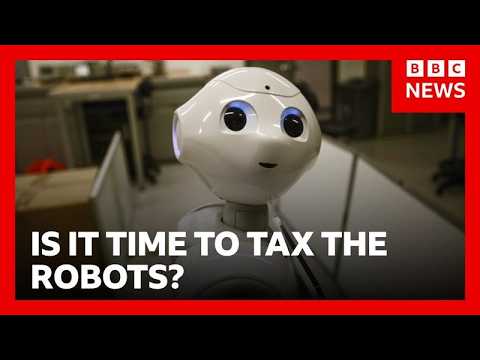
林宜悉 posted on 2026/04/17Ever wondered if robots should pay taxes? This BBC News discussion dives into the fascinating world of AI regulation, featuring insights from Sam Altman and exploring concepts like 'world models' and the future of the four-day week. You'll pick up some advanced vocabulary and get a real-world look at the practical implications of artificial intelligence!
Learn this video on the APP!
The VoiceTube App has more in-depth practice for videos!