
a mirror image
US
UK
- Noun
- An image that is identical but reversed, like a reflection in a mirror.
- Something very similar to something else.
afar
US /əˈfɑr/
UK /ə'fɑ:(r)/
- Adverb
- From far away
C1Morealien
US /ˈeliən,ˈeljən/
UK /'eɪlɪən/
- Noun (Countable/Uncountable)
- Foreigner; a person not from this place
- Person or creature from a planet other than Earth
- Adjective
- Being foreign, different or unfamiliar
B1Moreambiguity
US /ˌæmbɪˈɡjuɪti/
UK /ˌæmbɪ'ɡju:ətɪ/
- Uncountable Noun
- State of being confusing, uncertain or unclear
B2TOEICMoreamino
US /ə'miːnəʊ/
UK /ə'miːnəʊ/
- Noun
- Of some substances that form proteins
C2Moreanti
US /ˈæntaɪ, -ti/
UK /'æntɪ/
- Adjective
- A prefix meaning 'against' or 'opposed'
B2Moreantimatter
US /ˈæntɪˌmætɚ, ˈæntaɪ-/
UK /ˈæntimætə(r)/
- Uncountable Noun
- Matter consisting of elementary antiparticles
C2Morearound the world
US /əˈraʊnd ði wɜrld/
UK /əˈraund ðə wɜː(r)ld/
- Phrase
- In or to many countries.
- In various places throughout the world.
A2Moreat least
US /æt list/
UK /æt li:st/
- Adverb
- As a minimum
- Not less than
- Phrase
- No less than; at the minimum
- Used to indicate that something is positive in a bad situation.
C2Morebeta
US /'beɪtə/
UK /'bi:tə/
- Noun
- Test version of a product or software
B2Morecompared with
US /kəmˈpɛrd wɪð/
UK /kəmˈpeəd wið/
- Preposition
- In relation to
- Verb (Transitive/Intransitive)
- To have examined the differences or similarities between two or more things.
A1Moreconcept
US /ˈkɑnˌsɛpt/
UK /'kɒnsept/
- Noun (Countable/Uncountable)
- Abstract idea of something or how it works
- A plan or intention; a conception.
A2TOEICMorecontext
US /ˈkɑnˌtɛkst/
UK /ˈkɒntekst/
- Noun (Countable/Uncountable)
- Set of facts surrounding a person or event
- The circumstances that form the setting for an event, statement, or idea, and in terms of which it can be fully understood and assessed.
A2Moreculinary
US /ˈkjuləˌnɛri,ˈkʌlə-/
UK /ˈkʌlɪnəri/
- Adjective
- Concerned with cooking
B2Moredecay
US /dɪˈke/
UK /dɪˈkeɪ/
- Intransitive Verb
- To be slowly destroyed by natural processes; rot
- To lose health or strength
- Uncountable Noun
- Slow loss of physical or mental health
B1Moredefine
US /dɪˈfaɪn/
UK /dɪ'faɪn/
- Transitive Verb
- To explain the meaning of words
- To set or mark the limits of something
A2TOEICMoredirection
US /dɪˈrɛkʃən, daɪ-/
UK /də'rekʃn/
- Noun (Countable/Uncountable)
- When someone tells people what to do
- Describes the way you are going, e.g. North
A2TOEICMoredistant
US /ˈdɪstənt/
UK /'dɪstənt/
- Adjective
- Unfriendly; cold
- Existing or happening far away in place or time
B1Moredistinguish
US /dɪˈstɪŋɡwɪʃ/
UK /dɪˈstɪŋgwɪʃ/
- Transitive Verb
- To make something clearly different from others
- To make noticeable or different; to set apart.
A2TOEICMoreelectron
US /ɪˈlektrɑ:n/
UK /ɪˈlektrɒn/
- Countable Noun
- A negatively charged particle
B2Moreemit
US /ɪˈmɪt/
UK /ɪ'mɪt/
- Transitive Verb
- To release or send out (a gas, etc.)
B1Moreexperiment
US /ɪkˈspɛrəmənt/
UK /ɪk'sperɪmənt/
- Noun (Countable/Uncountable)
- Test performed to assess new ideas or theories
- A course of action tentatively adopted without being sure of the eventual outcome.
- Verb (Transitive/Intransitive)
- To create and perform tests to research something
- To try something new that you haven't tried before
A2TOEICMorefigure out
US /ˈfɪɡjɚ aʊt/
UK /ˈfiɡə aut/
- Phrasal Verb
- To understand the behavior of someone
- To think through logically to find a solution
- Verb (Transitive/Intransitive)
- To understand or find an answer to something.
- To find a solution to a problem or understand something.
A1Morefor example
US
UK
- Phrase
- As an illustration or instance.
for some reason
US /fɔr sʌm ˈrizən/
UK /fɔ: sʌm ˈri:zən/
- Phrase
- For a reason that is not known or not easily explained.
A1Morefoundation
US /faʊnˈdeʃən/
UK /faunˈdeiʃən/
- Noun (Countable/Uncountable)
- Base or important starting point
- Underground base on which building is constructed
C1TOEICMoregoing on
US /ˈɡoɪŋ ɑn/
UK /ˈgəʊɪŋ ɔn/
- Phrasal Verb
- To continue doing something
- To happen (usually negative)
A1Moregovern
US /ˈgʌvərn/
UK /ˈgʌvn/
- Transitive Verb
- To officially control land and make policies
- To control the actions or behaviour of someone
B1Moregravity
US /ˈɡrævɪti/
UK /ˈgrævəti/
- Uncountable Noun
- (Of a situation) extreme seriousness
- Force making things fall towards the ground
B1TOEICMorehold up to
US /hoʊld ʌp tu/
UK /hould ʌp tu:/
- other
- To withstand or endure something unpleasant or difficult.
B2Morehydrogen
US /ˈhaɪdrədʒən/
UK /ˈhaɪdrədʒən/
- Uncountable Noun
- Lightest of all chemical elements
B1Moreimpair
US /ɪmˈpɛr/
UK /ɪm'peə(r)/
- Transitive Verb
- To damage or weaken something
B2TOEICMorein fact
US /ɪn fækt/
UK /in fækt/
- Adverb
- Used to emphasize the truth of a statement, especially one that contrasts with or contradicts something else.
- Used to introduce a more detailed or surprising piece of information.
- Phrase
- Used to emphasize the truth of a statement, especially one that is surprising or contrary to what might be expected.
C1Morein principle
US /ɪn ˈprɪnsəpəl/
UK /in ˈprinsəpl/
- Phrase
- In theory; as a general idea, though not yet in practice or detail.
C1Morein time
US /ɪn taɪm/
UK /in taim/
- Adverb
- Eventually; after a period of time.
- Not late; with enough time to spare.
- Phrase
- Eventually; before it is too late.
- According to the scheduled time; punctual.
A1Moreinteract
US /ˌɪntɚˈækt/
UK /ˌɪntər'ækt/
- Intransitive Verb
- To talk or do things with each other
A2Moreleft and right
US
UK
- Adverb
- In both the left and right directions.
- Everywhere; in all directions.
- Noun
- Referring to both liberal and conservative political viewpoints.
- Two opposing options or directions.
A1Morelook at
US /lʊk æt/
UK /luk æt/
- Phrasal Verb
- To use your eyes to focus on something
- To focus your eyes on something carefully
A1Moremade with
US
UK
- Phrase
- Containing a particular ingredient or material.
- Created or produced using a specific tool, method, or process.
- Phrasal Verb
- To offer or provide something, often quickly or unexpectedly.
A1Moreneutral
US /ˈnu:trəl/
UK /ˈnju:trəl/
- Adjective
- Something with pH value of 7
- Having no positive or negative electrical charge
- Noun (Countable/Uncountable)
- Color that is dull and not bright, such as gray
- The rest position for gears in a car or vehicle
B1Moreno matter
US
UK
- Conjunction
- Regardless of; it does not matter.
- Adverb
- Regardless of; it is not important
A1Morenucleus
US /ˈnu:kliəs/
UK /ˈnju:kliəs/
- Noun
- Center of an atom
- Control center of a cell
B2Moreobserve
US /əbˈzɜ:rv/
UK /əbˈzɜ:v/
- Verb (Transitive/Intransitive)
- To celebrate a particular holiday/religious event
- To obey or follow laws, rules, or customs
A2TOEICMoreobvious
US /ˈɑbviəs/
UK /ˈɒbviəs/
- Adjective
- Easily understood and clear; plain to see
- Easy to see or notice.
A2TOEICMoreorientation
US /ˌɔriɛnˈteʃən, -ən-, ˌor-/
UK /ˌɔ:riənˈteɪʃn/
- Noun
- Where you are in a location, e.g. facing east/west
- Process of giving information about something new
B1Moreparticle
US /ˈpɑrtɪkəl/
UK /ˈpɑ:tɪkl/
- Noun
- Adverb or preposition that joins with a verb
- Tiny piece or quantity of something
B1Moreperspective
US /pɚˈspɛktɪv/
UK /pə'spektɪv/
- Noun (Countable/Uncountable)
- Artistic method of creating a sense of distance
- Ability to understand what is important in life
B1TOEICMorephysical
US /ˈfɪzɪkəl/
UK /ˈfɪzɪkl/
- Countable Noun
- Health check at the doctors' or hospital
- Adjective
- Concerning the body of a person
- Concerning things that can be seen or touched
A2Morephysically
US /ˈfɪzɪkəlɪ/
UK /'fɪzɪklɪ/
- Adverb
- In a manner related to the body
- Concerning reality or the laws of nature
A2Moreprinciple
US /ˈprɪnsəpəl/
UK /ˈprɪnsəpl/
- Noun (Countable/Uncountable)
- Moral rule or belief governing a person's behavior
- Natural law that explains how things work
A2TOEICMorerather than
US
UK
- Adverb
- More exactly; more correctly
- Preferably; instead
- Preposition
- Instead of
A1Morereference
US /ˈrɛfərəns, ˈrɛfrəns/
UK /'refrəns/
- Noun
- A letter of recommendation, e.g. for a job
- Note in a book, etc. giving source of information
- Transitive Verb
- To cite a piece of research in speech or writing
- Mention or refer to.
A2TOEICMorerely
US /rɪˈlaɪ/
UK /rɪ'laɪ/
- Intransitive Verb
- Depend on with full trust or confidence
- To trust or have confidence in someone.
B2TOEICMoreresearch
US /rɪˈsɚtʃ, ˈriˌsɚtʃ/
UK /rɪ'sɜ:tʃ/
- Verb (Transitive/Intransitive)
- To study in order to discover new ideas and facts
- To study the market relating to marketing products and services.
- Noun (Countable/Uncountable)
- Study done to discover new ideas and facts
- A particular area or topic of study.
A2TOEICMoreresult in
US /rɪˈzʌlt ɪn/
UK /riˈzʌlt in/
- Phrasal Verb
- To cause or produce as a consequence.
set up
US /sɛt ʌp/
UK /set ʌp/
- Phrasal Verb
- To make arrangements for something; establish
- Verb (Transitive/Intransitive)
- To arrange or prepare something for use.
- To start a business, organization, etc.
A1Moreslightly
US /ˈslaɪtli/
UK /ˈslaɪtli/
- Adverb
- Only a little
B1Morespectrum
US /ˈspɛktrəm/
UK /'spektrəm/
- Noun
- The wavelengths of colors from red to violet
- a range of different positions, opinions, etc. between two extreme points
B1Morespin
US /spɪn/
UK /spɪn/
- Verb (Transitive/Intransitive)
- To make a ball rotate when throwing it
- To move something in a rapid turning motion
- Intransitive Verb
- To feel dizzy/confused, as in my head is spinning
B1Moresymmetric
US /sɪ'metrɪk/
UK /sɪ'metrɪk/
- Adjective
- Having parts that are exactly the same
B2Moresymmetry
US /ˈsɪmɪtri/
UK /ˈsɪmətri/
- Uncountable Noun
- Having parts that are exactly the same
B2TOEICMorethanks to
US /θæŋks tu/
UK /θæŋks tu:/
- Preposition
- Because of; as a result of.
A1Moreuniverse
US /ˈjunəˌvɚs/
UK /ˈju:nɪvɜ:s/
- Noun (Countable/Uncountable)
- All of space that contains planets and stars
- Things surrounding a person, affecting their life
B2Moreversion
US /ˈvɚʒən, -ʃən/
UK /ˈvə:ʃən/
- Noun
- Different way that someone interprets something
- New or different form of something
A2TOEICMoreviolate
US /ˈvaɪəˌlet/
UK /ˈvaɪəleɪt/
- Transitive Verb
- To abuse, damage or disrespect
- To break rules or laws; disregard important rights
B1More
Vocabulary
- in fact: Used to emphasize the truth of a statement, especially one that contrasts with or contradicts something else.
- left and right: In both the left and right directions.
- look at: To use your eyes to focus on something
- rather than: More exactly; more correctly
- figure out: To understand the behavior of someone
- at least: As a minimum
- going on: To continue doing something
- in time: Eventually; after a period of time.
- compared with: In relation to
- set up
- for example: As an illustration or instance.
- a mirror image: An image that is identical but reversed, like a reflection in a mirror.
- no matter: Regardless of; it does not matter.
- result in: To cause or produce as a consequence.
- in principle: In theory; as a general idea, though not yet in practice or detail.
- hold up to: To withstand or endure something unpleasant or difficult.
- thanks to: Because of; as a result of.
- for some reason: For a reason that is not known or not easily explained.
- made with: Containing a particular ingredient or material.
- around the world: In or to many countries.
- perspective: Artistic method of creating a sense of distance
- obvious: Easily understood and clear; plain to see
- context: Set of facts surrounding a person or event
- figure: To appear in a game, play or event
- physical: Health check at the doctors' or hospital
- slightly: Only a little
- matter: To be of great importance; to count
- concept: Abstract idea of something or how it works
- force: Group of persons trained for military action; army
- spectrum: The wavelengths of colors from red to violet
- experiment: Test performed to assess new ideas or theories
- interact: To talk or do things with each other
- version: Different way that someone interprets something
- culinary: Concerned with cooking
- research: To study in order to discover new ideas and facts
- neutral: Something with pH value of 7
- exist: To be present, alive or real
- gravity: (Of a situation) extreme seriousness
- foundation: Base or important starting point
- reference: A letter of recommendation, e.g. for a job
- physically: In a manner related to the body
- universe: All of space that contains planets and stars
- explain: To make clear or easy to understand by describing
- direction: When someone tells people what to do
- distinguish: To make something clearly different from others
- perform: To carry out an action well or successfully
- define: To explain the meaning of words
- principle: Moral rule or belief governing a person's behavior
- account: An advantage
- compare: To consider how similar and different things are
- observe: To celebrate a particular holiday/religious event
- impair: To damage or weaken something
- spin: To make a ball rotate when throwing it
- orientation: Where you are in a location, e.g. facing east/west
- rely: Depend on with full trust or confidence
- produce: Fresh foods such as fruits and vegetables
- leave: To go away from; depart
- distant: Unfriendly; cold
- normal: Standard or regular way of doing something
- ambiguity: State of being confusing, uncertain or unclear
- emit: To release or send out (a gas, etc.)
- decay: To be slowly destroyed by natural processes; rot
- fact: Something that is known or proved to be true
- support: To give assistance or advice to someone
- particle: Adverb or preposition that joins with a verb
- hydrogen: Lightest of all chemical elements
- violate: To abuse, damage or disrespect
- symmetry: Having parts that are exactly the same
- alien: Foreigner; a person not from this place
- nucleus: Center of an atom
- govern: To officially control land and make policies
- problem: Something difficult to deal with or causes trouble
- weak: Not having a strong character
- amino: Of some substances that form proteins
- anti: A prefix meaning 'against' or 'opposed'
- afar: From far away
- electron: A negatively charged particle
- symmetric: Having parts that are exactly the same
- antimatter: Matter consisting of elementary antiparticles
- beta: Test version of a product or software
Get the full experience in the app
Learn anywhere with detailed sentence and usage analysis
01:03
She took a brave step forward, leaving behind her comfort zone to chase her dreams.
Vocabulary
- brave
adj. Having courage
- comfort zone
phr. A familiar situation where one feels safe
Explanation
a brave step is a noun phrase, where brave is an adjective modifying the noun step, meaning "a courageous step".
forward is an adverb modifying step, meaning "ahead".
The whole phrase serves as the object, answering the "what" of took (verb) — she took a brave step forward.
Get the full experience in the app
Look up words anytime with pronunciation, part of speech, and usage
brave
US/brev/
UK/breɪv/
adj.Brave
v.t.To bravely face
A2 Elementary
Get the full experience in the app
Practice speaking anytime and get instant pronunciation feedback
Try this speaking exercise.
Try practicing with this sentence.
80
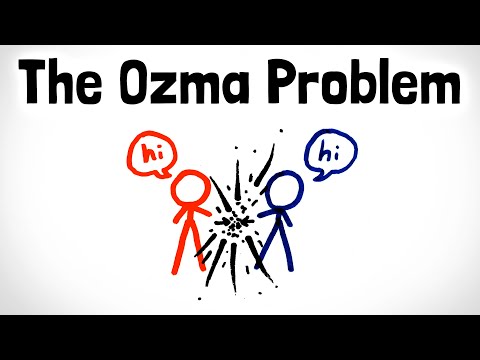
How to Tell Matter From Antimatter | CP Violation & The Ozma Problem
0
林宜悉 posted on 2026/04/14Ever wondered if the universe has a favorite hand? This video dives into the fascinating world of CP violation and the Ozma Problem, exploring why matter and antimatter might not be perfect twins! You'll pick up some awesome advanced vocabulary and get a clearer picture of complex physics concepts.
Learn this video on the APP!
The VoiceTube App has more in-depth practice for videos!