
ability
US /əˈbɪlɪti/
UK /ə'bɪlətɪ/
- Noun (Countable/Uncountable)
- The power, resources or skill to do something
- A particular skill or talent.
A2TOEICMoreaffect
US /əˈfɛkt/
UK /ə'fekt/
- Transitive Verb
- To cause a change in something else
- To pretend to have or feel (something).
- Noun
- (Psychology) Emotion or feeling.
A2TOEICMoreanxiety
US /æŋˈzaɪɪti/
UK /æŋ'zaɪətɪ/
- Uncountable Noun
- A feeling of worry, nervousness, or unease about something that might happen, especially when the outcome is uncertain.
B1Moreawareness
US /əˈwɛrnɪs/
UK /əˈweənəs/
- Uncountable Noun
- Having knowledge of something
A2TOEICMorebenefit
US /ˈbɛnəfɪt/
UK /'benɪfɪt/
- Noun (Countable/Uncountable)
- Good result or effect, something advantageous
- A payment made by the state or an insurance policy to someone
- Verb (Transitive/Intransitive)
- To have a good effect or be helpful
- To receive an advantage; to be helped
A2TOEICMorebeta
US /'beɪtə/
UK /'bi:tə/
- Noun
- Test version of a product or software
B2Morebuild up
US /bɪld ʌp/
UK /bild ʌp/
- Phrasal Verb
- To increase the amount; collect something
- To develop or increase something in stages
- Verb (Transitive/Intransitive)
- To increase or develop something gradually.
- To praise or encourage someone.
A1Morecause
US /kɔz/
UK /kɔ:z/
- Noun
- Belief, goal or organization that people support
- Reason for
- Transitive Verb
- To make something happen; create effect or result
A2Morecerebral
US /ˈsɛrəbrəl, səˈri-/
UK /ˈserəbrəl, səˈri:-/
- Adjective
- Having or concerning ideas rather than emotions
- Affecting or related to the brain
- Noun
- An intellectual person.
B2Morecognition
US /kɑ:gˈnɪʃn/
UK /kɒgˈnɪʃn/
- Uncountable Noun
- Recognition involved in thought processing
C1Morecombination
US /ˌkɑmbəˈneʃən/
UK /ˌkɒmbɪ'neɪʃn/
- Noun
- Series of letters or numbers needed to open a lock
- Act or result of mixing things together
B1Morecortex
US /ˈkɔrˌteks/
UK /'kɔ:teks/
- Noun (Countable/Uncountable)
- The outer part of an organ/structure, e.g. brain
- The outer layer of the cerebrum (the cerebral cortex), other organs, or a plant.
C1Morecure
US /kjʊr/
UK /kjʊə(r)/
- Noun
- Something that solves a problem or makes it better
- Medical treatment making a sick person healthy
- Transitive Verb
- To fix or improve a problem
- To make someone healthy or make a disease go away
B1Moredecay
US /dɪˈke/
UK /dɪˈkeɪ/
- Intransitive Verb
- To be slowly destroyed by natural processes; rot
- To lose health or strength
- Uncountable Noun
- Slow loss of physical or mental health
B1Moredementia
US /dɪˈmɛnʃə/
UK /dɪˈmenʃə/
- Uncountable Noun
- Illness characterized by loss of memory
B2Moredemonstrate
US /ˈdɛmənˌstret/
UK /'demənstreɪt/
- Verb (Transitive/Intransitive)
- To display a feeling or ability openly
- To protest about something often as a group
A2TOEICMoredepression
US /dɪˈprɛʃən/
UK /dɪ'preʃn/
- Noun (Countable/Uncountable)
- Medical condition of a lack of vitality
- Period of unemployment and low economic activity
B2Moredetermine
US /dɪˈtɚmɪn/
UK /dɪ'tɜ:mɪn/
- Transitive Verb
- To control exactly how something will be or act
- To establish the facts about; discover
A2TOEICMoredisease
US /dɪˈziz/
UK /dɪˈzi:z/
- Noun (Countable/Uncountable)
- Illness that affects a person, animal, or plant
- A disorder of structure or function in a plant, especially one caused by a pathogen.
- Transitive Verb
- To affect with disease; to corrupt or sicken.
A2TOEICMoredisorder
US /dɪsˈɔrdɚ/
UK /dɪs'ɔ:də(r)/
- Uncountable Noun
- State of confusion or a lack of organization
- Illness when the body is not functioning well
- Transitive Verb
- To disrupt the order or arrangement of something.
B2Moredue to
US /du tu/
UK /dju: tu:/
- Preposition
- Because of; owing to
- Adjective
- Attributable to; caused by.
A1Morefamiliar
US /fəˈmɪljɚ/
UK /fəˈmɪliə(r)/
- Adjective
- Well-known or easily recognized
- Having a good knowledge of something.
- Noun
- A close friend or associate.
- (In folklore) a spirit, often in animal form, believed to attend and serve a witch.
A2TOEICMoregenetic
US /dʒəˈnɛtɪk/
UK /dʒəˈnetɪk/
- Adjective
- Of, relating to, or controlled by genes
- Relating to genes or heredity.
B1Moreimmune
US /ɪˈmjoon/
UK /ɪˈmju:n/
- Adjective
- Having a special protection from, e.g. the law
- Protected against a particular disease or condition because of antibodies or vaccination.
B1Morein areas
US
UK
- Phrase
- Located or occurring within specific regions or locations.
- Relating to specific fields, subjects, or disciplines.
A1Morein terms of
US
UK
- Phrase
- With regard to; concerning a particular aspect.
A1Moreinflammation
US /ˌɪnfləˈmeʃən/
UK /ˌɪnfləˈmeɪʃn/
- Noun (Countable/Uncountable)
- Painful swelling in the body due to illness
- A condition in which a part of the body becomes reddened, swollen, hot, and often painful, especially as a reaction to injury or infection.
B2Moreinvestigation
US /ɪnˌvɛstɪˈɡeʃən/
UK /ɪnˌvestɪ'ɡeɪʃn/
- Noun (Countable/Uncountable)
- Search for information about something
B1Moreinvolve
US /ɪnˈvɑlv/
UK /ɪn'vɒlv/
- Transitive Verb
- To have or be included as a part of something
- To cause (a person or group) to take part in an event or activity.
A2TOEICMorelifespan
US /ˈlaɪfspæn/
UK /ˈlaɪfspæn/
- Noun
- Length of time something is expected to last
B2Morelifestyle
US /ˈlaɪfˌstaɪl/
UK /ˈlaɪfstaɪl/
- Noun
- The type of life that you have; the way you live
B1TOEICMoremedication
US /ˌmɛdɪˈkeʃən/
UK /ˌmedɪˈkeɪʃn/
- Noun (Countable/Uncountable)
- Substance to relieve pain or cure sickness
B2Moremimic
US /ˈmɪmɪk/
UK /'mɪmɪk/
- Countable Noun
- Someone who tries to act like another person
- Transitive Verb
- To copy a person's words/actions to amuse people
B2Moreminimal
US /ˈmɪnəməl/
UK /ˈmɪnɪməl/
- Adjective
- The smallest possible; least
- Very basic or simple; characterized by the use of only basic elements
B1Moreonset
US /ˈɑnˌsɛt, ˈɔn-/
UK /ˈɒnset/
- Noun
- When something, e.g. an illness, starts; beginning
B2TOEICMoreprevent
US /prɪˈvɛnt/
UK /prɪ'vent/
- Transitive Verb
- To stop something from happening or existing
A2TOEICMoreprotein
US /ˈprəʊˌtiːn/
UK /ˈprəʊti:n/
- Noun (Countable/Uncountable)
- Group of molecules made from amino acids
B1Morereference
US /ˈrɛfərəns, ˈrɛfrəns/
UK /'refrəns/
- Noun
- A letter of recommendation, e.g. for a job
- Note in a book, etc. giving source of information
- Transitive Verb
- To cite a piece of research in speech or writing
- Mention or refer to.
A2TOEICMorerelieve
US /rɪˈliv/
UK /rɪ'li:v/
- Transitive Verb
- To make less boring by making some change
- To replace workers with others
B1Morerestore
US /rɪˈstɔr, -ˈstor/
UK /rɪˈstɔ:(r)/
- Transitive Verb
- To return a thing to its original condition
B1Morereverse
US /rɪˈvɚs/
UK /rɪ'vɜ:s/
- Noun
- Setting that makes the vehicle go backward
- Instance of a significant change, for the worse
- Verb (Transitive/Intransitive)
- To drive a vehicle backward
- To change to an opposite state, way or condition
B1TOEICMoresignificantly
US /sɪɡˈnɪfəkəntlɪ/
UK /sɪgˈnɪfɪkəntli/
- Adverb
- In a way that is important or noticeable
- In a way that is meaningful
A2Morespread
US /sprɛd/
UK /spred/
- Noun (Countable/Uncountable)
- A big meal, often laid out as a buffet
- The distance between two things
- Verb (Transitive/Intransitive)
- To place over a large area; to cover a large area
- (Of ideas, gossip) to pass to and affect others
A2TOEICMorestruggle
US /ˈstrʌɡəl/
UK /'strʌɡl/
- Verb (Transitive/Intransitive)
- To try very hard to do something difficult
- To fight or struggle violently
- Noun (Countable/Uncountable)
- Strong efforts made to do something difficult
- A difficult or challenging situation or task
A2Moresupportive
US /səˈpɔ:rtɪv/
UK /səˈpɔ:tɪv/
- Adjective
- Providing help and support to someone or something
B1TOEICMoretau
US /tɔ:/
UK /tɔ:/
- Noun
- 19th letter of the Greek alphabet
C1Moreunfamiliar
US /ˌʌnfəˈmɪljɚ/
UK /ˌʌnfəˈmɪliə(r)/
- Adjective
- Unusual; strange or unknown
B1More
Vocabulary
- due to: Because of; owing to
- build up: To increase the amount; collect something
- in areas: Located or occurring within specific regions or locations.
- in terms of
- anxiety: A feeling of worry, nervousness, or unease about something that might happen, especially when the outcome is uncertain.
- struggle: To try very hard to do something difficult
- immune: Having a special protection from, e.g. the law
- depression: Medical condition of a lack of vitality
- demonstrate: To display a feeling or ability openly
- improve: To make, or become, something better
- determine: To control exactly how something will be or act
- disorder: State of confusion or a lack of organization
- cortex: The outer part of an organ/structure, e.g. brain
- develop: To explain something in steps and in detail
- familiar: Well-known or easily recognized
- combination: Series of letters or numbers needed to open a lock
- disease: Illness that affects a person, animal, or plant
- inflammation: Painful swelling in the body due to illness
- spread: A big meal, often laid out as a buffet
- significantly: In a way that is important or noticeable
- ability: The power, resources or skill to do something
- mimic: Someone who tries to act like another person
- prevent: To stop something from happening or existing
- protein: Group of molecules made from amino acids
- awareness: Having knowledge of something
- dementia: Illness characterized by loss of memory
- reverse: Setting that makes the vehicle go backward
- affect: To cause a change in something else
- brain: To strike someone forcefully on the head
- reference: A letter of recommendation, e.g. for a job
- genetic: Of, relating to, or controlled by genes
- behavior: The way a person or thing acts; manner
- cause: Belief, goal or organization that people support
- hippocampus: A part of the brain that is part of the limbic system and is important for memory
- form: Sports team or person's current winning record
- benefit: Good result or effect, something advantageous
- involve: To have or be included as a part of something
- reason: To think and make conclusions in a logical manner
- cure: Something that solves a problem or makes it better
- noggin: A human head
- lifespan: Length of time something is expected to last
- investigation: Search for information about something
- relieve: To make less boring by making some change
- restore: To return a thing to its original condition
- decay: To be slowly destroyed by natural processes; rot
- manage: To survive hardships and difficulties; to cope
- cerebral: Having or concerning ideas rather than emotions
- language: Words or signs used to communicate messages
- onset: When something, e.g. an illness, starts; beginning
- natural: Being as one would expect; being usual or normal
- cognition: Recognition involved in thought processing
- remember: To give someone a gift, e.g. birthday, wedding
- medication: Substance to relieve pain or cure sickness
- think: To have an idea about something without certainty
- minimal: The smallest possible; least
- season: One of Spring, Summer, Autumn (Fall) and Winter
- life: All the living things e.g. animals, plants, humans
- supportive: Providing help and support to someone or something
- unfamiliar: Unusual; strange or unknown
- lifestyle: The type of life that you have; the way you live
- beta: Test version of a product or software
- tau: 19th letter of the Greek alphabet
Get the full experience in the app
Learn anywhere with detailed sentence and usage analysis
01:03
She took a brave step forward, leaving behind her comfort zone to chase her dreams.
Vocabulary
- brave
adj. Having courage
- comfort zone
phr. A familiar situation where one feels safe
Explanation
a brave step is a noun phrase, where brave is an adjective modifying the noun step, meaning "a courageous step".
forward is an adverb modifying step, meaning "ahead".
The whole phrase serves as the object, answering the "what" of took (verb) — she took a brave step forward.
Get the full experience in the app
Look up words anytime with pronunciation, part of speech, and usage
brave
US/brev/
UK/breɪv/
adj.Brave
v.t.To bravely face
A2 Elementary
Get the full experience in the app
Practice speaking anytime and get instant pronunciation feedback
Try this speaking exercise.
Try practicing with this sentence.
80
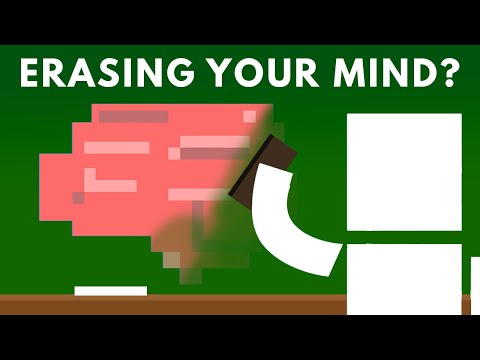
How Does Alzheimer's Disease Erase Your Mind?
0
林宜悉 posted on 2026/04/08Ever wondered how Alzheimer's disease affects the brain? This video breaks down the science behind memory loss, explaining concepts like plaques and tangles in a super clear way! You'll also pick up some advanced vocabulary related to dementia research and treatments, making it a fantastic learning opportunity.
Learn this video on the APP!
The VoiceTube App has more in-depth practice for videos!