
alert
US /əˈlɚt/
UK /ə'lɜ:t/
- Adjective
- Being aware and able to respond quickly
- Transitive Verb
- To warn someone so they can respond to it
B1TOEICMoreanxiety
US /æŋˈzaɪɪti/
UK /æŋ'zaɪətɪ/
- Uncountable Noun
- A feeling of worry, nervousness, or unease about something that might happen, especially when the outcome is uncertain.
B1Moreapparatus
US /ˌæpəˈretəs, -ˈrætəs/
UK /ˌæpə'reɪtəs/
- Noun (Countable/Uncountable)
- Tools or instruments used for a specific activity
B1TOEICMoreawareness
US /əˈwɛrnɪs/
UK /əˈweənəs/
- Uncountable Noun
- Having knowledge of something
A2TOEICMoreconstipation
US /ˌkɑnstəˈpeʃən/
UK /ˌkɒnstɪˈpeɪʃn/
- Uncountable Noun
- Unable to empty your bowels as often as you should
C1Morecovet
US /ˈkʌvɪt/
UK /'kʌvət/
- Transitive Verb
- To strongly desire something another person has
C1Morecurious
US /ˈkjʊriəs/
UK /ˈkjʊəriəs/
- Adjective
- Wanting to know more about something
- Attracting interest by being strange or unusual
A2Moredesperate
US /ˈdɛspərɪt/
UK /ˈdespərət/
- Adjective
- Being beyond hope; prepared to do anything
- State of urgently wanting to go to the toilet
A2Moredwell
US /dwɛl/
UK /dwel/
- Intransitive Verb
- To live in a certain place
- To think or talk a lot about something, especially something unpleasant.
B1TOEICMoreendure
US /ɛnˈdʊr, -ˈdjʊr/
UK /ɪn'djʊə(r)/
- Intransitive Verb
- To last for a long time; continue to exist
- Transitive Verb
- To accept difficulties without struggle
B1TOEICMorefeature
US /ˈfitʃɚ/
UK /'fi:tʃə(r)/
- Noun (Countable/Uncountable)
- Special report in a magazine or paper
- Distinctive or important point of something
- Transitive Verb
- To highlight or give special importance to
- To give prominence to; to present or promote as a special or important item.
A2TOEICMorefor too long
US
UK
- Phrase
- For an excessively extended period.
A1Morefrustration
US /frʌˈstreʃən/
UK /frʌ'streɪʃn/
- Noun (Countable/Uncountable)
- Annoyance because things don't go the way you want
- The prevention of the progress, success, or fulfillment of something.
B1Moregrasp
US /ɡræsp/
UK /ɡrɑ:sp/
- Noun
- Person's control over something
- Act of holding something strongly in your hands
- Transitive Verb
- To hold something in your hand very tightly
- To understand or make sense of a complex idea
B1TOEICMoregratify
US /ˈɡrætəˌfaɪ/
UK /ˈgrætɪfaɪ/
- Transitive Verb
- To be pleased because you were right or had praise
B2Moregut
US /ɡʌt/
UK /ɡʌt/
- Transitive Verb
- To destroy the inside of a building , e.g. by fire
- To remove the internal parts of an animal or fish
- Noun (Countable/Uncountable)
- Stomach and internal organs of digestion
B1Morehaunt
US /hɔnt, hɑnt/
UK /hɔ:nt/
- Transitive Verb
- To remain in the mind causing worry, sadness, pain
- (Of ghosts, etc.) to stay in a place after death
- Noun
- Place that a person repeatedly goes to or visits
B2Morein flight
US /ɪn flaɪt/
UK /in flait/
- Phrase
- Act of flying
- Adverb
- While flying.
A2Morein order to
US /ɪn ˈɔrdɚ tu/
UK /in ˈɔ:də tu:/
- Preposition
- For the purpose of; with the aim of.
- Phrase
- In a specific sequence or arrangement.
- With the aim of; for the purpose of.
C1Morein peace
US /ɪn pis/
UK /in pi:s/
- Phrase
- In a state of tranquility, without disturbance or conflict.
- In a state of non-war, without armed conflict.
B1Morein the hope of
US /ɪn ðə ˈhoʊp ʌv/
UK /in ðə ˈhəup ɔv/
- Preposition
- With the expectation or desire for something to happen.
B2Moreingenious
US /ɪnˈdʒinjəs/
UK /ɪnˈdʒi:niəs/
- Adjective
- Very good at making things or solving problems
- Skillfully made or planned; demonstrating inventiveness.
B2Moreinsight
US /ˈɪnˌsaɪt/
UK /'ɪnsaɪt/
- Noun (Countable/Uncountable)
- Power to understand people and things very well
- Very good understanding of something
B1Moreinsomnia
US /ɪnˈsɑ:mniə/
UK /ɪnˈsɒmniə/
- Uncountable Noun
- Inability to sleep for many nights
- A specific instance or occurrence of sleeplessness.
C1Moreintellect
US /ˈɪntlˌɛkt/
UK /ˈɪntəlekt/
- Uncountable Noun
- Ability to think with reason and intelligence
B2Morekidney
US /ˈkɪdni/
UK /'kɪdnɪ/
- Noun (Countable/Uncountable)
- Body organ that cleans blood, producing urine
- An animal kidney used as food.
- Adjective
- Relating to the kidneys.
- Having the shape of a kidney; bean-shaped.
B2Morelook at
US /lʊk æt/
UK /luk æt/
- Phrasal Verb
- To use your eyes to focus on something
- To focus your eyes on something carefully
A1Morematerial
US /məˈtɪriəl/
UK /məˈtɪəriəl/
- Noun (Countable/Uncountable)
- Cloth; fabric
- Supplies or data needed to do a certain thing
- Adjective
- Relevant; (of evidence) important or significant
- Belonging to the world of physical things
A2Moremental
US /ˈmɛntl/
UK /ˈmentl/
- Adjective
- Concerning the mind
A2TOEICMoremute
US /mjut/
UK /mju:t/
- Adjective
- Not willing or being unable to speak
- Noun
- Device used to make trombone, etc. sound quieter
B2Morenotoriously
US /noˈtɔrɪəslɪ/
UK /nəʊ'tɔ:rɪəslɪ/
- Adverb
- So as to be well-known for being something bad
B2Moreopportunity
US /ˌɑpɚˈtunɪti, -ˈtju-/
UK /ˌɒpə'tju:nətɪ/
- Noun (Countable/Uncountable)
- Time, situation when a thing might be done; chance
- A favorable time or occasion for doing something.
A2TOEICMoreoutright
US /ˈaʊtˈraɪt, -ˌraɪt/
UK /ˈaʊtraɪt/
- Adjective
- In a complete manner; totally
- Open and direct; not concealed.
- Adverb
- In a clear and direct manner
B2Morepass over
US /pæs ˈovɚ/
UK /pɑ:s ˈəuvə/
- Phrasal Verb
- To cross or bypass
- A polite way of saying 'to die'
A1Morephysical
US /ˈfɪzɪkəl/
UK /ˈfɪzɪkl/
- Countable Noun
- Health check at the doctors' or hospital
- Adjective
- Concerning the body of a person
- Concerning things that can be seen or touched
A2Morepretend
US /prɪˈtɛnd/
UK /prɪ'tend/
- Verb (Transitive/Intransitive)
- To act as if something is true when it is not
- Adjective
- Not real; imaginary.
A2TOEICMorepsychological
US /ˌsaɪkəˈlɑdʒɪkəl/
UK /ˌsaɪkəˈlɒdʒɪkl/
- Adjective
- Concerning the study of the mind
- Relating to or involving the use of propaganda, threats, or other psychological techniques to subdue an opponent.
A2Morerage
US /reɪdʒ/
UK /reɪdʒ/
- Uncountable Noun
- Strong or violent anger
- Intransitive Verb
- To act or speak with strong or violent anger
- To move violently, like a storm
B1Morerelationship
US /rɪˈleʃənˌʃɪp/
UK /rɪˈleɪʃnʃɪp/
- Noun (Countable/Uncountable)
- Connection between two or more people or things
- Way people interact or live with each other
A2TOEICMorerelegate
US /ˈrɛlɪˌɡet/
UK /ˈrelɪgeɪt/
- Transitive Verb
- To place in a less important place or position
- To put a team in a lower league when they lose
C1Morereverse
US /rɪˈvɚs/
UK /rɪ'vɜ:s/
- Noun
- Setting that makes the vehicle go backward
- Instance of a significant change, for the worse
- Verb (Transitive/Intransitive)
- To drive a vehicle backward
- To change to an opposite state, way or condition
B1TOEICMoreset to
US /sɛt tu/
UK /set tu:/
- Phrasal Verb
- To energetically begin to do, e.g. making a fire
A1Morespare
US /spɛr/
UK /speə(r)/
- Transitive Verb
- To make (money or time) available for
- To save from being hurt or punished
- Adjective
- Being extra or in reserve
A2Morespecifically
US /spəˈsɪfɪkli/
UK /spəˈsɪfɪkli/
- Adverb
- As regards a particular thing; closely related to
- In a definite and clear manner.
A2Morestir
US /stɚ/
UK /stɜ:(r)/
- Transitive Verb
- To arouse (attention or interest)
- To mix e.g. food by making circular movements
- Uncountable Noun
- Attention or interest aroused by an event
B1Moresymptom
US /ˈsɪmtəm, ˈsɪmp-/
UK /'sɪmptəm/
- Noun
- Sign that suggests that there is a problem
B1Moretake on
US /tek ɑn/
UK /teik ɔn/
- Phrasal Verb
- To acquire a new characteristic
- To accept a new responsibility, role
A1Moretendency
US /ˈtɛndənsi/
UK /'tendənsɪ/
- Noun
- Likelihood to behave in a particular way
A2Morethink of
US /θɪŋk ʌv/
UK /θiŋk ɔv/
- Phrasal Verb
- To look on as (being something specific); consider
- To consider or remember something.
- Verb (Transitive/Intransitive)
- To imagine or call something to mind
A1Moretrivial
US /ˈtrɪviəl/
UK /'trɪvɪəl/
- Adjective
- Small; unimportant; worthless
- Easy and simple
B2TOEICMoreultimately
US /ˈʌltəmɪtli/
UK /ˈʌltɪmətli/
- Adverb
- Done or considered as the final and most important
- Fundamentally; at the most basic level.
B1TOEICMoreunconscious
US /ʌnˈkɑnʃəs/
UK /ʌnˈkɒnʃəs/
- Adjective
- Not aware of what is going on around you
- Not being deliberate or on purpose
- Uncountable Noun
- The part of the mind that contains thoughts and feelings that one is not aware of.
B1Morevast
US /væst/
UK /vɑ:st/
- Adjective
- Being very large in size or amount
A2TOEICMorework on
US /wɚk ɑn/
UK /wə:k ɔn/
- Phrasal Verb
- To devote effort to improve or develop something
- To try to persuade or influence someone.
A1Morewreck
US /rɛk/
UK /rek/
- Noun (Countable/Uncountable)
- Car, plane, boat accident damaging the vehicle
- (Informal) one in poor emotional/physical condition
- Transitive Verb
- To ruin something completely
- To destroy a vehicle, building completely
B2More
Vocabulary
- look at: To use your eyes to focus on something
- in order to: For the purpose of; with the aim of.
- in peace: In a state of tranquility, without disturbance or conflict.
- in the hope of: With the expectation or desire for something to happen.
- set to: To energetically begin to do, e.g. making a fire
- work on: To devote effort to improve or develop something
- pass over: To cross or bypass
- think of: To look on as (being something specific); consider
- take on: To acquire a new characteristic
- for too long: For an excessively extended period.
- in flight: Act of flying
- ultimately: Done or considered as the final and most important
- anxiety: A feeling of worry, nervousness, or unease about something that might happen, especially when the outcome is uncertain.
- mental: Concerning the mind
- pretend: To act as if something is true when it is not
- opportunity: Time, situation when a thing might be done; chance
- material: Cloth; fabric
- physical: Health check at the doctors' or hospital
- vast: Being very large in size or amount
- desperate: Being beyond hope; prepared to do anything
- insomnia: Inability to sleep for many nights
- psychological: Concerning the study of the mind
- specifically: As regards a particular thing; closely related to
- curious: Wanting to know more about something
- unconscious: Not aware of what is going on around you
- symptom: Sign that suggests that there is a problem
- gut: To destroy the inside of a building , e.g. by fire
- relationship: Connection between two or more people or things
- spare: To make (money or time) available for
- feature: Special report in a magazine or paper
- trivial: Small; unimportant; worthless
- frustration: Annoyance because things don't go the way you want
- awareness: Having knowledge of something
- tendency: Likelihood to behave in a particular way
- alert: Being aware and able to respond quickly
- insight: Power to understand people and things very well
- reverse: Setting that makes the vehicle go backward
- rage: Strong or violent anger
- mean: Average of a set of numbers
- endure: To last for a long time; continue to exist
- deal: To cope with something - usually troubles
- grasp: Person's control over something
- stir: To arouse (attention or interest)
- wreck: Car, plane, boat accident damaging the vehicle
- haunt: To remain in the mind causing worry, sadness, pain
- outright: In a complete manner; totally
- break: To create a new record e.g. running the 100m dash
- kidney: Body organ that cleans blood, producing urine
- apparatus: Tools or instruments used for a specific activity
- dwell: To live in a certain place
- strange: Unusual or odd; surprising because unexpected
- notoriously: So as to be well-known for being something bad
- sound: Sensible, dependable and reliable
- pain: Strong feeling of hurt or discomfort
- order: Religious or social group, as of nuns
- active: Moving around a lot or doing many things
- fill: To make something full
- constipation: Unable to empty your bowels as often as you should
- great: Very good; better than before
- ingenious: Very good at making things or solving problems
- part: Division of a book
- feel: To be aware of or experience an emotion, sensation
- work: The product of some artistic or literary endeavor
- let: To allow someone to do something
- thin: Flowing with ease; with a high percentage of water
- gratify: To be pleased because you were right or had praise
- intellect: Ability to think with reason and intelligence
- covet: To strongly desire something another person has
- mute: Not willing or being unable to speak
- relegate: To place in a less important place or position
Get the full experience in the app
Learn anywhere with detailed sentence and usage analysis
01:03
She took a brave step forward, leaving behind her comfort zone to chase her dreams.
Vocabulary
- brave
adj. Having courage
- comfort zone
phr. A familiar situation where one feels safe
Explanation
a brave step is a noun phrase, where brave is an adjective modifying the noun step, meaning "a courageous step".
forward is an adverb modifying step, meaning "ahead".
The whole phrase serves as the object, answering the "what" of took (verb) — she took a brave step forward.
Get the full experience in the app
Look up words anytime with pronunciation, part of speech, and usage
brave
US/brev/
UK/breɪv/
adj.Brave
v.t.To bravely face
A2 Elementary
Get the full experience in the app
Practice speaking anytime and get instant pronunciation feedback
Try this speaking exercise.
Try practicing with this sentence.
80
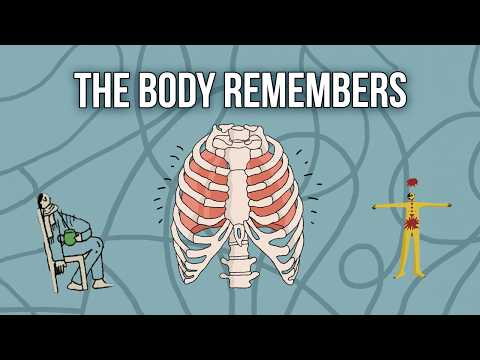
How Repressed Emotions Make Us Sick
0
林宜悉 posted on 2026/04/04Ever wondered how stress can actually make you physically sick? This video dives deep into the fascinating mind-body connection, exploring how repressed emotions can lead to psychosomatic symptoms. You'll pick up advanced vocabulary and learn about the unconscious mind, making it a fantastic watch for anyone interested in psychology and self-growth!
Learn this video on the APP!
The VoiceTube App has more in-depth practice for videos!