
ability
US /əˈbɪlɪti/
UK /ə'bɪlətɪ/
- Noun (Countable/Uncountable)
- The power, resources or skill to do something
- A particular skill or talent.
A2TOEICMoreacademically
US /ˌækə'demɪklɪ/
UK /ˌækə'demɪklɪ/
- Adverb
- In regard to teaching or learning
B2Moreancient
US /ˈenʃənt/
UK /'eɪnʃənt/
- Adjective
- Very old; having lived a very long time ago
- Relating to a period in history, especially in the distant past.
- Noun
- A person who lived in ancient times.
A2Morearena
US /əˈrinə/
UK /ə'ri:nə/
- Noun (Countable/Uncountable)
- Place to watch sports, performances, entertainment
B1Moreat last
US /æt læst/
UK /æt lɑ:st/
- Adverb
- Finally; after a long delay.
B1Moreat the end of the day
US
UK
- Phrase
- Ultimately; when everything else is considered.
- After a day's work or activities.
A1Moreauthentic
US /ɔˈθɛntɪk/
UK /ɔ:ˈθentɪk/
- Adjective
- From a reliable source; accurate; true
B1Morecomfort
US /ˈkʌmfət/
UK /'kʌmfət/
- Transitive Verb
- To try to make distressed person feel better
- Uncountable Noun
- Acts or words that reduce pain or sadness
- State of being relaxed, warm or happy
A2Morecomprehensive
US /ˌkɑ:mprɪˈhensɪv/
UK /ˌkɒmprɪˈhensɪv/
- Adjective
- Including most or all things
B1TOEICMorecraft
US /kræft/
UK /krɑ:ft/
- Transitive Verb
- To make by hand and with much skill
- Noun (Countable/Uncountable)
- Job requiring a worker to have specific skills
- Vehicle that travels on water or through the air
B1Morecrook
US /krʊk/
UK /krʊk/
- Noun
- A criminal or thief; dishonest person
B2Moredescription
US /dɪˈskrɪpʃən/
UK /dɪˈskrɪpʃn/
- Noun
- Explanation of what something is like, looks like
- The type or nature of someone or something.
A2TOEICMoredisease
US /dɪˈziz/
UK /dɪˈzi:z/
- Noun (Countable/Uncountable)
- Illness that affects a person, animal, or plant
- A disorder of structure or function in a plant, especially one caused by a pathogen.
- Transitive Verb
- To affect with disease; to corrupt or sicken.
A2TOEICMoredue to
US /du tu/
UK /dju: tu:/
- Preposition
- Because of; owing to
- Adjective
- Attributable to; caused by.
A1Moreego
US /ˈiɡo, ˈɛɡo/
UK /'i:ɡəʊ/
- Noun (Countable/Uncountable)
- Opinion you have about yourself and your worth
- Part of the human mind that deals with real world
B1Moreentrepreneur
US /ˌɑntrəprəˈnɚ, -ˈnʊr/
UK /ˌɒntrəprə'nɜ:(r)/
- Noun (Countable/Uncountable)
- Businessperson who develops new businesses
- A person who identifies a need and starts a business to fill it.
B2Moreessence
US /ˈɛsəns/
UK /'esns/
- Uncountable Noun
- Most important part or quality of something
- Substance that has a very strong, unique smell
B1TOEICMoreexercise
US /ˈɛksɚˌsaɪz/
UK /'eksəsaɪz/
- Verb (Transitive/Intransitive)
- To work out to become stronger and healthier
- To retain your ability or practice your skills
- Noun (Countable/Uncountable)
- Physical activity to increase health and strength
- Set of questions in a text book
A2Moreexposure
US /ɪkˈspoʒɚ/
UK /ɪk'spəʊʒə(r)/
- Noun
- Allowing light through a cameras lens onto film
- Being talked about in the media
A2TOEICMorefeedback
US /ˈfidˌbæk/
UK /ˈfi:dbæk/
- Noun (Countable/Uncountable)
- A response or opinion, about a service, etc.
- Information about reactions to a product, a person's performance of a task, etc. which is used as a basis for improvement.
- Verb (Transitive/Intransitive)
- To give information or opinions about something to someone, especially in order to improve it.
B1TOEICMorefor example
US
UK
- Phrase
- As an illustration or instance.
have to
US /hæv tu/
UK /ˈhæv tə/
- Auxiliary Verb
- Must do
A1Moreimmunity
US /ɪˈmjunɪti/
UK /ɪˈmju:nəti/
- Uncountable Noun
- State of not being able to catch a disease
B1Morein essence
US /ɪn ˈɛsəns/
UK /in ˈesns/
- Phrase
- Used to summarize the main point.
- Relating to the most important aspect of something.
A1Morein fact
US /ɪn fækt/
UK /in fækt/
- Adverb
- Used to emphasize the truth of a statement, especially one that contrasts with or contradicts something else.
- Used to introduce a more detailed or surprising piece of information.
- Phrase
- Used to emphasize the truth of a statement, especially one that is surprising or contrary to what might be expected.
C1Morein order to
US /ɪn ˈɔrdɚ tu/
UK /in ˈɔ:də tu:/
- Preposition
- For the purpose of; with the aim of.
- Phrase
- In a specific sequence or arrangement.
- With the aim of; for the purpose of.
C1Morein public
US /ɪn ˈpʌblɪk/
UK /in ˈpʌblik/
- Phrase
- In a place where anyone can see or hear you.
- Adjective
- Relating to the government or the people as a whole.
B1Moreinstead of
US /ɪnˈstɛd ʌv/
UK /inˈsted ɔv/
- Preposition
- When one thing is replaced by another
- Adverb
- As a substitute or alternative.
A1Morejudge
US /dʒʌdʒ/
UK /dʒʌdʒ/
- Noun (Countable/Uncountable)
- Person who decides on the results of a contest
- Person who has the power to make a decision
- Verb (Transitive/Intransitive)
- To reach a decision about who won a contest
- To form an opinion after careful consideration
A2TOEICMoreloneliness
US /ˈlonlɪnɪs/
UK /'ləʊnlɪnəs/
- Uncountable Noun
- State of feeling sad because you are alone
- A feeling of being isolated from others, even when surrounded by people.
B2Morelook at
US /lʊk æt/
UK /luk æt/
- Phrasal Verb
- To use your eyes to focus on something
- To focus your eyes on something carefully
A1Morelung
US /lʌŋ/
UK /lʌŋ/
- Noun
- One of the two organs we use to breathe
B1Moremagnify
US /ˈmæɡnəˌfaɪ/
UK /'mæɡnɪfaɪ/
- Transitive Verb
- To increase the importance or seriousness of
- To make something larger, louder, or greater
B2Moreof course
US /ʌv kɔː(r)s/
UK /ɔv kɔː(r)s/
- Adverb
- Sure ; Certainly
- Phrase
- For sure; certainly
A2Moreorganism
US /ˈɔrɡəˌnɪzəm/
UK /'ɔ:ɡənɪzəm/
- Noun
- Living thing, often one that is small
- System with many parts that function as a whole
B2Moreout there
US /aʊt ðɛr/
UK /aut ðɛə/
- Adverb
- In or to a place that is far away
- Existing in the universe
- Adjective
- Unconventional; strange; avant-garde
- Existing or available.
A1Moreovercome
US /ˌovɚˈkʌm/
UK /ˌəʊvə'kʌm/
- Transitive Verb
- To succeed in a struggle against; defeat
- Participle
- Past participle of overcome; to have successfully dealt with or controlled a problem or feeling.
A2TOEICMorephilosophy
US /fɪˈlɑsəfi/
UK /fə'lɒsəfɪ/
- Uncountable Noun
- Study of ideas about the basic nature of life
- Attitude to life that a person has
C1Morephobia
US /ˈfoʊbiə/
UK /ˈfəʊbiə/
- Noun
- Extreme fear
C1Moreput out
US /pʊt aʊt/
UK /put aut/
- Phrasal Verb
- To publish, e.g. a book
- To cause someone to be troubled or inconvenienced
A1Morerejection
US /rɪˈdʒɛkʃən/
UK /rɪ'dʒekʃn/
- Uncountable Noun
- Decision that something is not good enough
- Act of refusing to consider or believe
B1Morerelationship
US /rɪˈleʃənˌʃɪp/
UK /rɪˈleɪʃnʃɪp/
- Noun (Countable/Uncountable)
- Connection between two or more people or things
- Way people interact or live with each other
A2TOEICMorereligion
US /rɪˈlɪdʒən/
UK /rɪˈlɪdʒən/
- Countable Noun
- Organized set of beliefs about a god or gods
- Noun (Countable/Uncountable)
- Belief in God or gods that governs people's lives
- A person's particular system of beliefs and worship.
A2Moreresearch
US /rɪˈsɚtʃ, ˈriˌsɚtʃ/
UK /rɪ'sɜ:tʃ/
- Verb (Transitive/Intransitive)
- To study in order to discover new ideas and facts
- To study the market relating to marketing products and services.
- Noun (Countable/Uncountable)
- Study done to discover new ideas and facts
- A particular area or topic of study.
A2TOEICMoreresult in
US /rɪˈzʌlt ɪn/
UK /riˈzʌlt in/
- Phrasal Verb
- To cause or produce as a consequence.
shrink
US /ʃrɪŋk/
UK /ʃrɪŋk/
- Intransitive Verb
- To become smaller
- Noun
- A rude name for a psychiatrist
B1Morestoic
US /ˈstoʊɪk/
UK /ˈstəʊɪk/
- Adjective
- Person who can suffer without complaining
C1Morestoicism
US
UK
- Uncountable Noun
- Indifference to pleasure or pain or suffering
C1Morestrength
US /strɛŋkθ, strɛŋθ, strɛnθ/
UK /streŋθ/
- Noun (Countable/Uncountable)
- Condition of being strong
- The quality or state of being physically strong.
A2TOEICMoresuch as
US /sʌtʃ æz/
UK /sʌtʃ æz/
- Preposition
- For example; like
A1Moresuffer
US / ˈsʌfɚ/
UK /'sʌfə(r)/
- Verb (Transitive/Intransitive)
- To experience pain, illness, or injury
- To allow or permit something, especially something unpleasant.
A2Moretake on
US /tek ɑn/
UK /teik ɔn/
- Phrasal Verb
- To acquire a new characteristic
- To accept a new responsibility, role
A1Moretrial
US /ˈtraɪəl, traɪl/
UK /ˈtraɪəl/
- Noun (Countable/Uncountable)
- Hearing and judgment of a case in court
- Act or process of testing or experimenting
- Transitive Verb
- To be made or done as a test or experiment
A2TOEICMorevital
US /'vaɪtl/
UK /'vaɪtl/
- Adjective
- Needed to support life; essential
- Full of life; energetic
B1TOEICMorevulnerability
US /ˌvʌlnərə'bɪlətɪ/
UK /ˌvʌlnərə'bɪlətɪ/
- Uncountable Noun
- Being weak and able to be easily hurt or damaged
- A weakness or flaw that makes something susceptible to harm or damage.
B1Morevulnerable
US /ˈvʌlnərəbəl/
UK /ˈvʌlnərəbl/
- Adjective
- Being open to attack or damage
- Being easily harmed, hurt, or wounded
B1Morework out
US /wɚk aʊt/
UK /wə:k aut/
- Phrasal Verb
- To find a way to do something, by thinking
A1Moreyoga
US /ˈjoʊgə/
UK /ˈjəʊgə/
- Noun (Countable/Uncountable)
- Exercise system to gain suppleness and tranquility
B2Morezone
US /zoʊn/
UK /zəʊn/
- Noun
- Area of space designated for a particular use
- Transitive Verb
- To divide an area for a particular reason
B1More
Vocabulary
- for example: As an illustration or instance.
- of course: Sure ; Certainly
- look at: To use your eyes to focus on something
- result in: To cause or produce as a consequence.
- put out: To publish, e.g. a book
- in order to: For the purpose of; with the aim of.
- instead of: When one thing is replaced by another
- due to: Because of; owing to
- in fact: Used to emphasize the truth of a statement, especially one that contrasts with or contradicts something else.
- in public: In a place where anyone can see or hear you.
- at last: Finally; after a long delay.
- in essence: Used to summarize the main point.
- work out
- out there: In or to a place that is far away
- take on: To acquire a new characteristic
- have to: Must do
- at the end of the day: Ultimately; when everything else is considered.
- such as: For example; like
- vulnerable: Being open to attack or damage
- authentic: From a reliable source; accurate; true
- present: Being in attendance; being there; having turned up
- vital: Needed to support life; essential
- entrepreneur: Businessperson who develops new businesses
- vulnerability: Being weak and able to be easily hurt or damaged
- description: Explanation of what something is like, looks like
- improve: To make, or become, something better
- ancient: Very old; having lived a very long time ago
- exposure: Allowing light through a cameras lens onto film
- strength: Condition of being strong
- philosophy: Study of ideas about the basic nature of life
- fear: Unpleasant feeling caused by being aware of danger
- express: To send something by fast mail
- disease: Illness that affects a person, animal, or plant
- research: To study in order to discover new ideas and facts
- measure: Plan to achieve a desired result
- trial: Hearing and judgment of a case in court
- relationship: Connection between two or more people or things
- ability: The power, resources or skill to do something
- increase: To make or become larger in size or amount
- overcome: To succeed in a struggle against; defeat
- exercise: To work out to become stronger and healthier
- shrink: To become smaller
- suffer: To experience pain, illness, or injury
- essence: Most important part or quality of something
- craft: To make by hand and with much skill
- comfort: To try to make distressed person feel better
- judge: Person who decides on the results of a contest
- religion: Organized set of beliefs about a god or gods
- ego: Opinion you have about yourself and your worth
- comprehensive: Including most or all things
- risk: To do something potentially dangerous or foolish
- accept: To agree to receive or take something offered
- click: To work well with someone or something
- leave: To go away from; depart
- organism: Living thing, often one that is small
- receive: To get something someone has given or sent to you
- feedback: A response or opinion, about a service, etc.
- pain: Strong feeling of hurt or discomfort
- learn: To get knowledge or skills by study or experience
- fact: Something that is known or proved to be true
- continue: To do something without stopping, or after pausing
- zone: Area of space designated for a particular use
- rejection: Decision that something is not good enough
- loneliness: State of feeling sad because you are alone
- phobia: Extreme fear
- immunity: State of not being able to catch a disease
- lung: One of the two organs we use to breathe
- arena: Place to watch sports, performances, entertainment
- magnify: To increase the importance or seriousness of
- academically: In regard to teaching or learning
- crook: A criminal or thief; dishonest person
- stoic: Person who can suffer without complaining
- yoga: Exercise system to gain suppleness and tranquility
- stoicism: Indifference to pleasure or pain or suffering
Get the full experience in the app
Learn anywhere with detailed sentence and usage analysis
01:03
She took a brave step forward, leaving behind her comfort zone to chase her dreams.
Vocabulary
- brave
adj. Having courage
- comfort zone
phr. A familiar situation where one feels safe
Explanation
a brave step is a noun phrase, where brave is an adjective modifying the noun step, meaning "a courageous step".
forward is an adverb modifying step, meaning "ahead".
The whole phrase serves as the object, answering the "what" of took (verb) — she took a brave step forward.
Get the full experience in the app
Look up words anytime with pronunciation, part of speech, and usage
brave
US/brev/
UK/breɪv/
adj.Brave
v.t.To bravely face
A2 Elementary
Get the full experience in the app
Practice speaking anytime and get instant pronunciation feedback
Try this speaking exercise.
Try practicing with this sentence.
80
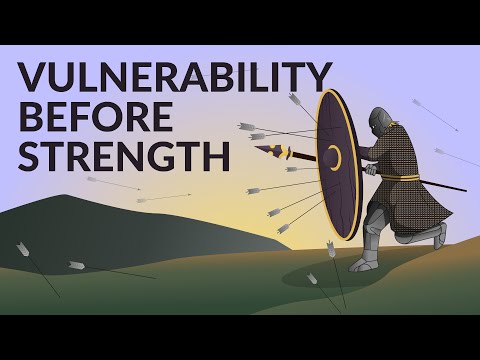
Vulnerability Comes Before Strength
0
林宜悉 posted on 2026/04/03Ever wonder if being vulnerable is actually the key to getting stronger? This video explores that fascinating idea, explaining how facing challenges and the risk of getting hurt can build resilience, like a bodybuilder lifting weights or an artist taking feedback. You'll pick up powerful phrases about embracing risk and overcoming obstacles, so dive in and discover how to grow!
Learn this video on the APP!
The VoiceTube App has more in-depth practice for videos!