
appetite
US /ˈæpɪˌtaɪt/
UK /'æpɪtaɪt/
- Noun
- Feeling of hunger or desire for something
B1Moreat the most
US /ət ðə ˈmoʊst/
UK /ət ðə ˈməust/
- other
- No more than; maximum amount or degree.
A2Moreat the same time
US
UK
- Phrase
- Simultaneously; at the identical moment.
- Nevertheless; however; used to introduce a contrasting or qualifying statement.
A1Morebasically
US /ˈbesɪkəli,-kli/
UK /ˈbeɪsɪkli/
- Adverb
- Used before you explain something simply, clearly
- In essence; when you consider the most important aspects of something.
A2Morebead
US /bid/
UK /bi:d/
- Noun (Countable/Uncountable)
- Small round thing made from stone, glass, liquid
B2Morebother
US /ˈbɑðɚ/
UK /'bɒðə(r)/
- Transitive Verb
- To cause problems, concerns or worry for someone
- To take the trouble to do something
- Noun (Countable/Uncountable)
- Problems, concern or worry for someone
- A disturbance; trouble
A2TOEICMorebud
US /bʌd/
UK /bʌd/
- Noun
- Small part of a plant that will be a flower
B2Morebum
US /bʌm/
UK /bʌm/
- Noun
- (Slang) the part of the body on which you sit
B2Morebutt
US /bʌt/
UK /bʌt/
- Noun
- (Informal) fleshy part of your body you sit on
- The thick end of something, especially a cigarette.
- Verb (Transitive/Intransitive)
- To share a boundary by being next to
- To strike, push, or shove (someone or something) with the head.
B2Morecome back
US /kʌm bæk/
UK /kʌm bæk/
- Phrasal Verb
- To reply to someone, often forcefully
- To be remembered
A1Morecome from
US /kʌm frʌm/
UK /kʌm frɔm/
- Phrasal Verb
- To have as your native country or city
A1Morecomfortable
US /ˈkʌmfətəbəl, ˈkʌmftəbəl/
UK /ˈkʌmftəbl/
- Adjective
- Having more than enough e.g. money for your needs
- Being relaxed, warm or happy
A2Morecorrect
US /kəˈrɛkt/
UK /kə'rekt/
- Adjective
- Being suitable and appropriate for an occasion
- True or accurate
- Transitive Verb
- To fix a problem
- To write marks on a piece of work to show mistakes
A2Moredepreciate
US /dɪˈpriʃiˌet/
UK /dɪˈpri:ʃieɪt/
- Intransitive Verb
- To decrease in price or value
B2Moreexpression
US /ɪkˈsprɛʃən/
UK /ɪk'spreʃn/
- Noun (Countable/Uncountable)
- Act of making your thoughts and feelings known
- Group of words that have a specific meaning
A2TOEICMorefirst come, first served
US /fɝst kʌm fɝst sɝvd/
UK /fɜ:st kʌm fɜ:st sɜ:vd/
- other
- People are served or helped in the order they arrive.
A2Morefor all intensive purposes
US /fɚ ɔl ɪnˈtɛnsɪv ˈpɚpəsɪz/
UK /fə ɔ:l ɪnˈtensɪv ˈpɜ:pəsɪz/
- other
- Misheard or misspoken form of 'for all intents and purposes'.
B2Morefor all intents and purposes
US /fɚ ɔl ɪnˈtɛnts ænd ˈpɚpəsɪz/
UK /fə ɔ:l ɪnˈtents ənd ˈpɜ:pəsɪz/
- other
- In every practical sense; effectively.
B2Morefor example
US
UK
- Phrase
- As an illustration or instance.
for now
US /fɔr naʊ/
UK /fɔ: nau/
- Phrase
- Temporarily; for the present time.
- In the short term; for the immediate future.
A1Moregenerally
US /ˈdʒɛnərəli/
UK /ˈdʒenrəli/
- Adverb
- Usually; as a rule; by, to or for most people
A2Morego on
US /ɡo ɑn/
UK /ɡəu ɔn/
- Phrasal Verb
- To continue doing something
- To happen (usually negative)
- Interjection
- Used to encourage someone
A1Moregoing on
US /ˈɡoɪŋ ɑn/
UK /ˈgəʊɪŋ ɔn/
- Phrasal Verb
- To continue doing something
- To happen (usually negative)
A1Morehunger
US /ˈhʌŋɡɚ/
UK /ˈhʌŋgə(r)/
- Noun (Countable/Uncountable)
- Strong desire or need
- Need for food; a severe lack of food
- Intransitive Verb
- To feel hunger; to suffer from a lack of food.
B2Morehyphen
US /ˈhaɪfən/
UK /ˈhaɪfn/
- Noun
- A dash put between words, e.g. wide-bodied
C1TOEICMorein fact
US /ɪn fækt/
UK /in fækt/
- Adverb
- Used to emphasize the truth of a statement, especially one that contrasts with or contradicts something else.
- Used to introduce a more detailed or surprising piece of information.
- Phrase
- Used to emphasize the truth of a statement, especially one that is surprising or contrary to what might be expected.
C1Morein point
US /ɪn pɔɪnt/
UK /in pɔint/
- Adjective
- Relevant; pertinent
A2Morein terms of
US
UK
- Phrase
- With regard to; concerning a particular aspect.
A1Moreincorrectly
US /ˌɪnkə'rektlɪ/
UK /ˌɪnkə'rektlɪ/
- Adverb
- In a way that is incorrect or wrong
B1Moreinside of
US /ɪnˈsaɪd ʌv/
UK /inˈsaid ɔv/
- Preposition
- Within; in the inner part of.
- Within a certain period of time.
A1Moreintensive
US /ɪnˈtɛnsɪv/
UK /ɪnˈtensɪv/
- Adjective
- Needing great effort for a short period of time
A2TOEICMorejudge
US /dʒʌdʒ/
UK /dʒʌdʒ/
- Noun (Countable/Uncountable)
- Person who decides on the results of a contest
- Person who has the power to make a decision
- Verb (Transitive/Intransitive)
- To reach a decision about who won a contest
- To form an opinion after careful consideration
A2TOEICMoremagician
US /məˈdʒɪʃən/
UK /məˈdʒɪʃn/
- Noun (Countable/Uncountable)
- Someone who performs magic tricks
- Man in old tales who casts spells or does tricks
B1Moremake some noise
US
UK
- Intransitive Verb
- To create a loud sound, often to show excitement or approval.
A1Moremonetary
US /ˈmɑnɪˌtɛri, ˈmʌn-/
UK /ˈmʌnɪtri/
- Adjective
- Concerning a country's economic system
- Relating to money or currency.
B2TOEICMoremove back
US /muv bæk/
UK /mu:v bæk/
- Phrasal Verb
- To retreat or withdraw from a position.
- To reposition or shift something to a previous location.
A2Morenative
US /ˈnetɪv/
UK /ˈneɪtɪv/
- Noun (Countable/Uncountable)
- Someone from or born in a specific country
- Original inhabitant, e.g. before others
- Adjective
- Caused by natural ability; innate
A2Morenegative
US /ˈnɛɡətɪv/
UK /'neɡətɪv/
- Noun
- The opposite to a positive electrical charge
- In grammar, containing words such as 'no' or 'not'
- Adjective
- Being harmful, unwanted or unhelpful
- In mathematics, being less than zero
A2Morenip
US /nɪp/
UK /nɪp/
- Adjective
- Sharp cold feeling
- Transitive Verb
- To hold and squeeze tightly between two surfaces
B2Moreno doubts
US
UK
- Phrase
- Certainly; without question (plural form).
A1Morepatriot
US /ˈpetriət, -ˌɑt/
UK /'peɪtrɪət/
- Noun (Countable/Uncountable)
- Person who loves and defends their own country
B2Morepick up on
US
UK
- Phrasal Verb
- To notice or become aware of something that is not obvious.
- To learn something by watching or listening to other people.
A1Moreprominent
US /ˈprɑmənənt/
UK /ˈprɒmɪnənt/
- Adjective
- Being important or well known
- Being easily noticeable
B1Morepurpose
US /ˈpɚpəs/
UK /'pɜ:pəs/
- Noun (Countable/Uncountable)
- Reason for which something is done; aim; goal
- A person's sense of resolve or determination.
- Adverb
- With clear intention or determination.
- Intentionally; deliberately.
A2TOEICMorerefresh
US /rɪˈfrɛʃ/
UK /rɪ'freʃ/
- Transitive Verb
- To refill a person's glass with a drink
- To restore strength and energy to; revive
B1Moreregardless of
US /rɪˈɡɑrdlɪs ʌv/
UK /riˈɡɑ:dlis ɔv/
- Phrase
- Preposition
- Without being affected or influenced by something; despite.
A2Moresame time
US
UK
- Phrase
- Occurring simultaneously or at the same point in time.
- At the identical time as before; recurring at a fixed hour.
- Noun
- An equal duration or period.
A1Moreserve
US /sɚv/
UK /sɜ:v/
- Verb (Transitive/Intransitive)
- To act in a particular position or office
- To hit the first ball to an opponent in tennis etc.
A2TOEICMoresharp
US /ʃɑrp/
UK /ʃɑ:p/
- Proper Noun
- Person's name
- Adjective
- Being very clear and easy to see
- (Of clothes) nicely or stylishly
A2TOEICMoreslate
US /slet/
UK /sleɪt/
- Transitive Verb
- To strongly criticize someone usually in public
- To plan for something to occur
- Countable Noun
- List of people attempting to win an election
- Piece of flat rock used for roofing buildings
B2TOEICMoreslight
US /slaɪt/
UK /slaɪt/
- Adjective
- Small (amount, quality)
- Appearing thin, delicate and physically weak
- Transitive Verb
- To ignore or treat rudely and with no respect
B1Morestomach
US /ˈstʌmək/
UK /'stʌmək/
- Noun
- Place in the body where food is processed
- Verb (Transitive/Intransitive)
- to be able to accept something unpleasant
A2Morethink about
US /θɪŋk əˈbaʊt/
UK /θiŋk əˈbaut/
- Phrasal Verb
- To consider something carefully.
- To remember or call to mind.
A1Morethink of
US /θɪŋk ʌv/
UK /θiŋk ɔv/
- Phrasal Verb
- To look on as (being something specific); consider
- To consider or remember something.
- Verb (Transitive/Intransitive)
- To imagine or call something to mind
A1Moretrauma
US /ˈtraʊmə/
UK /'trɔ:mə/
- Noun (Countable/Uncountable)
- A very severe or upsetting experience
- Serious injury to part of the body
B2Moretrick
US /trɪk/
UK /trɪk/
- Transitive Verb
- To fool someone in order to obtain a result
- To playfully tease or fool to make someone laugh
- Noun (Countable/Uncountable)
- Act of trying to fool someone
- Quick or skillful way of doing something
A2Moreusage
US /ˈjusɪdʒ, -zɪdʒ/
UK /ˈju:sɪdʒ/
- Noun (Countable/Uncountable)
- Amount something is used
- Way something is actually used
B2More
Vocabulary
- for example: As an illustration or instance.
- for all intensive purposes: Misheard or misspoken form of 'for all intents and purposes'.
- come from: To have as your native country or city
- pick up on: To notice or become aware of something that is not obvious.
- at the same time: Simultaneously; at the identical moment.
- same time: Occurring simultaneously or at the same point in time.
- at the most: No more than; maximum amount or degree.
- regardless of
- for all intents and purposes: In every practical sense; effectively.
- for now: Temporarily; for the present time.
- go on: To continue doing something
- in terms of
- going on: To continue doing something
- move back: To retreat or withdraw from a position.
- think of: To look on as (being something specific); consider
- no doubts: Certainly; without question (plural form).
- think about: To consider something carefully.
- first come, first served: People are served or helped in the order they arrive.
- in fact: Used to emphasize the truth of a statement, especially one that contrasts with or contradicts something else.
- inside of: Within; in the inner part of.
- make some noise: To create a loud sound, often to show excitement or approval.
- in point: Relevant; pertinent
- come back: To reply to someone, often forcefully
- situation: Place, position or area that something is in
- expression: Act of making your thoughts and feelings known
- trauma: A very severe or upsetting experience
- basically: Used before you explain something simply, clearly
- native: Someone from or born in a specific country
- realize: To become aware of or understand mentally
- trick: To fool someone in order to obtain a result
- negative: The opposite to a positive electrical charge
- common: Area in a city or town that is open to everyone
- sense: Certain mental feeling or emotion
- appetite: Feeling of hunger or desire for something
- purpose: Reason for which something is done; aim; goal
- prominent: Being important or well known
- butt: (Informal) fleshy part of your body you sit on
- bit: Device put in a horse's mouth to control it
- generally: Usually; as a rule; by, to or for most people
- judge: Person who decides on the results of a contest
- complete: To finish or reach the end of doing something
- accept: To agree to receive or take something offered
- serve: To act in a particular position or office
- project: To predict what will happen in the future
- mind: To be bothered or upset by something
- correct: Being suitable and appropriate for an occasion
- slight: Small (amount, quality)
- monetary: Concerning a country's economic system
- stomach: Place in the body where food is processed
- intensive: Needing great effort for a short period of time
- lot: What happens to a person in life from chance; fate
- bother: To cause problems, concerns or worry for someone
- comfortable: Having more than enough e.g. money for your needs
- sharp: Person's name
- adjective: A word that describes a noun, e.g. happy
- piece: A counter in a board game
- usage: Amount something is used
- point: An item to be discussed
- wrong: Action that is harmful, unjust or illegal
- person: Man, woman or child
- slate: To strongly criticize someone usually in public
- bud: Small part of a plant that will be a flower
- refresh: To refill a person's glass with a drink
- bum: (Slang) the part of the body on which you sit
- nip: Sharp cold feeling
- patriot: Person who loves and defends their own country
- hunger: Strong desire or need
- incorrectly: In a way that is incorrect or wrong
- bead: Small round thing made from stone, glass, liquid
- depreciate: To decrease in price or value
- hyphen: A dash put between words, e.g. wide-bodied
- magician: Someone who performs magic tricks
Get the full experience in the app
Learn anywhere with detailed sentence and usage analysis
01:03
She took a brave step forward, leaving behind her comfort zone to chase her dreams.
Vocabulary
- brave
adj. Having courage
- comfort zone
phr. A familiar situation where one feels safe
Explanation
a brave step is a noun phrase, where brave is an adjective modifying the noun step, meaning "a courageous step".
forward is an adverb modifying step, meaning "ahead".
The whole phrase serves as the object, answering the "what" of took (verb) — she took a brave step forward.
Get the full experience in the app
Look up words anytime with pronunciation, part of speech, and usage
brave
US/brev/
UK/breɪv/
adj.Brave
v.t.To bravely face
A2 Elementary
Get the full experience in the app
Practice speaking anytime and get instant pronunciation feedback
Try this speaking exercise.
Try practicing with this sentence.
80
0
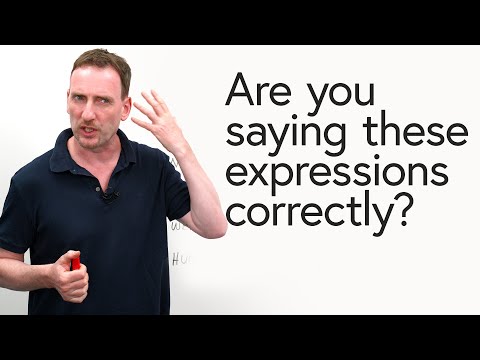
林宜悉 posted on 2026/04/01Think you know your English expressions? You might be surprised to learn that even native speakers often get these 14 common phrases wrong! Adam from engVid breaks down the correct usage and origins, helping you sound more natural and avoid embarrassing mistakes.
Learn this video on the APP!
The VoiceTube App has more in-depth practice for videos!