
above ground
US /əˈbʌv ɡraʊnd/
UK /əˈbʌv ɡraʊnd/
- Preposition
- Located on or higher than the earth's surface.
B2Moreaffect
US /əˈfɛkt/
UK /ə'fekt/
- Transitive Verb
- To cause a change in something else
- To pretend to have or feel (something).
- Noun
- (Psychology) Emotion or feeling.
A2TOEICMoreagricultural
US /ˌæɡrɪ'kʌltʃərəl/
UK /ˌæɡrɪ'kʌltʃərəl/
- Adjective
- Concerning farming, or the land
B1Morealso known as
US
UK
- Phrase
- Also called; alternatively named.
- Identified by another term; synonymous with.
A1Moreas with
US /æz wɪð/
UK /æz wið/
- Preposition
- In the same way that something happens or is true of something else.
A1Moreat night
US /æt naɪt/
UK /æt nait/
- Phrase
- During the night; in the nighttime.
A1Moreat work
US /æt wɚk/
UK /æt wə:k/
- Phrase
- Located at one's place of employment
A1Morebacteria
US /bækˈtɪriə/
UK /bæk'tɪərɪə/
- Noun (plural)
- The very small creatures that can cause disease
B2Morebenefit
US /ˈbɛnəfɪt/
UK /'benɪfɪt/
- Noun (Countable/Uncountable)
- Good result or effect, something advantageous
- A payment made by the state or an insurance policy to someone
- Verb (Transitive/Intransitive)
- To have a good effect or be helpful
- To receive an advantage; to be helped
A2TOEICMorebloom
US /blum/
UK /blu:m/
- Intransitive Verb
- To flower; to produce flowers
- To achieve an ideal state of beauty and strength
- Noun
- Period of beauty, strength or freshness
B2Morebrood
US /brud/
UK /bru:d/
- Intransitive Verb
- (Of birds) to hatch or sit on eggs
- To think moodily or anxiously about something
- Noun (Countable/Uncountable)
- The young of certain animals especially birds
B2Morebumblebee
US /ˈbʌmbəlˌbi/
UK /ˈbʌmblbi:/
- Countable Noun
- Robust hairy social bee of temperate regions
C2Moreby mistake
US /baɪ mɪˈstek/
UK /bai misˈteik/
- Phrase
- Accidentally; unintentionally.
A2Morechemical
US /ˈkɛmɪkəl/
UK /ˈkemɪkl/
- Noun (Countable/Uncountable)
- Basic substance produced by mixing elements
- The branch of science concerned with the substances of which matter is composed, the investigation of their properties and reactions, and the use of such reactions to form new substances.
- Adjective
- Made of various elements
A2Morecommunity
US /kəˈmjunɪti/
UK /kə'mju:nətɪ/
- Noun (Countable/Uncountable)
- Group of people who share a common idea or area
- A feeling of fellowship with others, as a result of sharing common attitudes, interests, and goals.
- Adjective
- Relating to or shared by the people in a particular area.
- Shared or participated in by all members of a group
A2Moreconservation
US /ˌkɑ:nsərˈveɪʃn/
UK /ˌkɒnsəˈveɪʃn/
- Uncountable Noun
- Protecting the environment or a species
- Act of keeping in reserve
B1Moreconsume
US /kənˈsum/
UK /kən'sju:m/
- Transitive Verb
- To eat, drink, buy or use up something
- To take all your energy; focus the attention
A2TOEICMorecontinent
US /ˈkɑntənənt/
UK /ˈkɒntɪnənt/
- Noun (Countable/Uncountable)
- Very large piece of land, e.g. Africa or Asia
- Adjective
- Able to control excretory functions (bowel and bladder).
B1Moredefend
US /dɪˈfɛnd/
UK /dɪ'fend/
- Transitive Verb
- To protect and explain your position in court
- To protect against an attack
B1TOEICMorediversity
US /dɪˈvə:sɪti, daɪ-/
UK /daɪ'vɜ:sətɪ/
- Noun (Countable/Uncountable)
- Having a range of different races, ideas etc.
- A range of different things.
B1TOEICMoreecosystem
US /ˈɛkoˌsɪstəm, ˈiko-/
UK /ˈi:kəʊsɪstəm/
- Noun (Countable/Uncountable)
- Types of plants and animals in an specific area
- A network of interconnected companies, technologies, and services that interact to create value.
B1Moreegg on
US
UK
- Phrasal Verb
- To encourage greatly toward doing something
A2Moreexistence
US /ɪɡˈzɪstəns/
UK /ɪɡ'zɪstəns/
- Uncountable Noun
- State of being present, alive or real
- A way of living; the manner in which someone lives.
A2TOEICMorefauna
US /'fɔ:nə/
UK /'fɔ:nə/
- Noun
- All of the animals living in a certain area, time
B2Moreferment
US / fɚˈmɛnt/
UK /'fɜ:ment/
- Intransitive Verb
- To go through a chemical change to make alcohol
B2TOEICMorefigure out
US /ˈfɪɡjɚ aʊt/
UK /ˈfiɡə aut/
- Phrasal Verb
- To understand the behavior of someone
- To think through logically to find a solution
- Verb (Transitive/Intransitive)
- To understand or find an answer to something.
- To find a solution to a problem or understand something.
A1Morefood source
US
UK
- Noun
- A place or thing from which food is obtained.
B2Moreforage
US /ˈfɔ:rɪdʒ/
UK /ˈfɒrɪdʒ/
- Uncountable Noun
- Plants that animals eat
- Intransitive Verb
- To wander looking for food as animals do naturally
B2TOEICMorefungus
US /ˈfʌŋɡəs/
UK /ˈfʌŋgəs/
- Noun (Countable/Uncountable)
- Plant, e.g. mushroom/mold, growing in damp places
B2Moregoing on
US /ˈɡoɪŋ ɑn/
UK /ˈgəʊɪŋ ɔn/
- Phrasal Verb
- To continue doing something
- To happen (usually negative)
A1Morehollow
US /ˈhɑ:loʊ/
UK /ˈhɒləʊ/
- Adjective
- (Of objects) having nothing inside; not solid
- Lacking value, sincerity, or meaning
- Transitive Verb
- To make a solid object have a large hole inside it
B1TOEICMorehuge
US /hjudʒ/
UK /hju:dʒ/
- Adjective
- Very very large
A2Morein a manner
US /ɪn e ˈmænɚ/
UK /in ə ˈmænə/
- Phrase
- In a specific way or style.
B2Morein other words
US
UK
- Phrase
- Stating something in a different way, often to make it clearer or more understandable.
in return
US /ɪn rɪˈtɚn/
UK /in riˈtə:n/
- Adverb
- As a reciprocal action or gesture; in exchange or repayment.
- Phrase
- As compensation or consideration for something.
- As a reaction or response to something.
A1Morein terms of
US
UK
- Phrase
- With regard to; concerning a particular aspect.
A1Morein the midst of
US
UK
- Phrase
- Surrounded by; in the middle of.
- During; while something is happening.
A1Morein the way
US /ɪn ði we/
UK /in ðə wei/
- Phrase
- Obstructing someone or something; hindering progress.
- Stored or placed so as to be available or ready when needed.
A1Morein trouble
US /ɪn ˈtrʌbəl/
UK /in ˈtrʌbl/
- Adjective
- Experiencing difficulties, problems, or legal issues.
- other
- In serious trouble or difficulty.
A1Moreinteract with
US /ˌɪntɚˈækt wɪð/
UK /ˌɪntərˈækt wið/
- Phrase
- Verb (Transitive/Intransitive)
- To engage in communication or action involving mutual or reciprocal influence.
- To use a computer interface to achieve a specific goal.
A2Moreintimately
US /ˈɪntəmɪtlɪ/
UK /'ɪntɪmɪtlɪ/
- Adverb
- Privately and personally
- In a close or personal way; with detailed knowledge or deep understanding.
B2Moreknock out
US /nɑk aʊt/
UK /nɔk aut/
- Phrasal Verb
- To hit and make unconscious
- To defeat someone so decisively that they cannot continue.
- Verb (Transitive/Intransitive)
- To defeat someone so decisively that they are unable to continue.
- To destroy or disable something, especially a piece of equipment.
A2Moreknow about
US /noʊ əˈbaʊt/
UK /nəʊ əˈbaut/
- Phrasal Verb
- To have information or understanding of a subject or situation.
massive
US /ˈmæsɪv/
UK /ˈmæsɪv/
- Adjective
- Very big; large; too big
- Large or imposing in scale or scope.
B1Moremicrobial
US /maɪ'kroʊbɪrl/
UK /maɪ'krəʊbɪəl/
- Adjective
- Concerning, involving or caused by being microbes
C1Morenative
US /ˈnetɪv/
UK /ˈneɪtɪv/
- Noun (Countable/Uncountable)
- Someone from or born in a specific country
- Original inhabitant, e.g. before others
- Adjective
- Caused by natural ability; innate
A2Morenectar
US /ˈnɛktɚ/
UK /ˈnektə(r)/
- Noun (Countable/Uncountable)
- Sweet liquid found in plants
- A delicious or delightful drink.
B2Moreobserve
US /əbˈzɜ:rv/
UK /əbˈzɜ:v/
- Verb (Transitive/Intransitive)
- To celebrate a particular holiday/religious event
- To obey or follow laws, rules, or customs
A2TOEICMoreodor
US /'oʊdə/
UK /'əʊdə/
- Noun
- A certain smell, often strong or distinct
- A distinctive smell, especially an unpleasant one.
- Noun (Countable/Uncountable)
- A certain smell, often strong or distinct
B1TOEICMoreparmesan
US /ˈpɑ:rməzɑ:n/
UK /ˈpɑ:mɪzæn/
- Adjective
- Strong aged Italian cheese, e.g. grated over pasta
C1Morepin down
US /pɪn daʊn/
UK /pin daun/
- Phrasal Verb
- To force someone to clarify their opinion
- To discover the exact details about something
- Transitive Verb
- To force someone to make a decision or give a clear answer.
A2Morepollen
US /ˈpɑ:lən/
UK /ˈpɒlən/
- Uncountable Noun
- Fine, usually yellow powder produced by plants
B2Morepollination
US /ˈpɑləneʃən/
UK /ˌpɒlə'neɪʃn/
- Noun (Countable/Uncountable)
- Putting pollen on a plant so it makes seeds
- The process of pollination carried out by insects.
B2Moreprolific
US /prəˈlɪfɪk/
UK /prəˈlɪfɪk/
- Adjective
- Producing something in large quantities
B2TOEICMoreprovision
US /prəˈvɪʒən/
UK /prəˈvɪʒn/
- Noun
- Clause in a legal document
- A supply of food and other things that are needed.
B1TOEICMorepungent
US /ˈpʌndʒənt/
UK /ˈpʌndʒənt/
- Adjective
- Being very strong in smell or taste
C1Morerely
US /rɪˈlaɪ/
UK /rɪ'laɪ/
- Intransitive Verb
- Depend on with full trust or confidence
- To trust or have confidence in someone.
B2TOEICMorerely on
US /rɪˈlaɪ ɑn/
UK /riˈlai ɔn/
- Phrasal Verb
- To depend on someone or something
A2Moreresearch
US /rɪˈsɚtʃ, ˈriˌsɚtʃ/
UK /rɪ'sɜ:tʃ/
- Verb (Transitive/Intransitive)
- To study in order to discover new ideas and facts
- To study the market relating to marketing products and services.
- Noun (Countable/Uncountable)
- Study done to discover new ideas and facts
- A particular area or topic of study.
A2TOEICMoreresidue
US /ˈrezɪdu:/
UK /ˈrezɪdju:/
- Noun (Countable/Uncountable)
- Left over part after most is taken away
B2Morereveal
US /rɪˈvil/
UK /rɪ'vi:l/
- Transitive Verb
- To show something that was hidden before
A2TOEICMorerole
US /rol/
UK /rəʊl/
- Noun
- Character played by an actor
- Part you play in an activity; job; responsibility
A2Moreseal
US /sil/
UK /si:l/
- Transitive Verb
- To close tightly to protect it from leaking
- To close an envelop or package
- Noun
- Large fish-eating animal that lives on sea or land
- Official mark made in hot wax to close a document
B1Moreset up
US /sɛt ʌp/
UK /set ʌp/
- Phrasal Verb
- To make arrangements for something; establish
- Verb (Transitive/Intransitive)
- To arrange or prepare something for use.
- To start a business, organization, etc.
A1Moreshift in
US
UK
- Phrasal Verb
- A change or alteration in something.
B2Moresignature
US /ˈsɪɡnətʃɚ/
UK /ˈsɪgnətʃə(r)/
- Adjective
- Something that represents a person's work or style
- Noun (Countable/Uncountable)
- Person's name written in their handwriting
- The key in which a piece of music is written, indicated by sharps or flats at the beginning of the stave.
B1Moresilent
US /ˈsaɪlənt/
UK /'saɪlənt/
- Adjective
- Without making any noise; soundless
- Usually speaking very little
B1Moresolitary
US /ˈsɑlɪˌtɛri/
UK /'sɒlətrɪ/
- Adjective
- Done alone; spending a lot of time alone
- Noun
- A punishment to keep a person alone in a cell
- A person who chooses to live alone
B2Morestarve
US /stɑ:rv/
UK /stɑ:v/
- Verb (Transitive/Intransitive)
- To (cause to) be hungry or go without food
- To need or desire very strongly
B1Moresuffer
US / ˈsʌfɚ/
UK /'sʌfə(r)/
- Verb (Transitive/Intransitive)
- To experience pain, illness, or injury
- To allow or permit something, especially something unpleasant.
A2Moresustenance
US /ˈsʌstənəns/
UK /ˈsʌstənəns/
- Uncountable Noun
- What sustains life, especially food
C1Morethink of
US /θɪŋk ʌv/
UK /θiŋk ɔv/
- Phrasal Verb
- To look on as (being something specific); consider
- To consider or remember something.
- Verb (Transitive/Intransitive)
- To imagine or call something to mind
A1Moretiny
US /ˈtaɪni/
UK /'taɪnɪ/
- Adjective
- Very, very small
A2Moretransform
US /trænsˈfɔrm/
UK /træns'fɔ:m/
- Transitive Verb
- To change the shape completely in a good way
- To convert from one form or substance into another.
C2Moretypically
US /ˈtɪpɪklɪ/
UK /ˈtɪpɪkli/
- Adverb
- In a normal or usual way
B1Moreused to
US /juzd tu/
UK /ˈju:st tə/
- Adjective
- Did regularly before, but don't do now
- Auxiliary Verb
- Have done before, but do not do now
A1Morevial
US /ˈvaɪəl/
UK /'vaɪəl/
- Countable Noun
- Small container of glass or plastic
C1Morewild
US /waɪld/
UK /waɪld/
- Adverb
- In a manner which lacks control
- Adjective
- Living in nature; not tame
- (Of land) not developed by people
A2More
Vocabulary
- going on: To continue doing something
- think of: To look on as (being something specific); consider
- figure out: To understand the behavior of someone
- used to: Did regularly before, but don't do now
- know about: To have information or understanding of a subject or situation.
- in return: As a reciprocal action or gesture; in exchange or repayment.
- in terms of
- as with: In the same way that something happens or is true of something else.
- pin down: To force someone to clarify their opinion
- egg on: To encourage greatly toward doing something
- by mistake: Accidentally; unintentionally.
- interact with
- at work: Located at one's place of employment
- knock out: To hit and make unconscious
- also known as: Also called; alternatively named.
- above ground: Located on or higher than the earth's surface.
- in other words: Stating something in a different way, often to make it clearer or more understandable.
- in the way: Obstructing someone or something; hindering progress.
- shift in: A change or alteration in something.
- food source: A place or thing from which food is obtained.
- rely on: To depend on someone or something
- set up
- in the midst of: Surrounded by; in the middle of.
- in trouble: Experiencing difficulties, problems, or legal issues.
- in a manner: In a specific way or style.
- at night: During the night; in the nighttime.
- massive: Very big; large; too big
- figure: To appear in a game, play or event
- reveal: To show something that was hidden before
- native: Someone from or born in a specific country
- typically: In a normal or usual way
- develop: To explain something in steps and in detail
- community: Group of people who share a common idea or area
- consume: To eat, drink, buy or use up something
- bacteria: The very small creatures that can cause disease
- research: To study in order to discover new ideas and facts
- solitary: Done alone; spending a lot of time alone
- continent: Very large piece of land, e.g. Africa or Asia
- existence: State of being present, alive or real
- affect: To cause a change in something else
- suffer: To experience pain, illness, or injury
- tiny: Very, very small
- signature: Something that represents a person's work or style
- diversity: Having a range of different races, ideas etc.
- odor: A certain smell, often strong or distinct
- huge: Very very large
- benefit: Good result or effect, something advantageous
- observe: To celebrate a particular holiday/religious event
- introduce: To open an essay to set the scene
- seal: To close tightly to protect it from leaking
- ground: To break (coffee, etc.) into tiny bits with machine
- ecosystem: Types of plants and animals in an specific area
- record: Highest or most extreme level achieved
- role: Character played by an actor
- ferment: To go through a chemical change to make alcohol
- rely: Depend on with full trust or confidence
- silent: Without making any noise; soundless
- chemical: Basic substance produced by mixing elements
- wild: In a manner which lacks control
- lot: What happens to a person in life from chance; fate
- transform: To change the shape completely in a good way
- sustenance: What sustains life, especially food
- important: Having power or authority
- single: One run in cricket or a hit baseball
- starve: To (cause to) be hungry or go without food
- fungus: Plant, e.g. mushroom/mold, growing in damp places
- defend: To protect and explain your position in court
- residue: Left over part after most is taken away
- protect: To defend someone or something from harm or danger
- conservation: Protecting the environment or a species
- agricultural: Concerning farming, or the land
- find: To become aware of something that is happening
- grow: To get bigger and more mature; make plants do this
- hide: To go to, or put a thing where it can't be found
- prolific: Producing something in large quantities
- pungent: Being very strong in smell or taste
- part: Division of a book
- start: First time or place that a thing exists; beginning
- hollow: (Of objects) having nothing inside; not solid
- world: All the humans, events, activities on the earth
- pollen: Fine, usually yellow powder produced by plants
- forage: Plants that animals eat
- bloom: To flower; to produce flowers
- nectar: Sweet liquid found in plants
- provision: Clause in a legal document
- intimately: Privately and personally
- microbial: Concerning, involving or caused by being microbes
- brood: (Of birds) to hatch or sit on eggs
- pollination: Putting pollen on a plant so it makes seeds
- fauna: All of the animals living in a certain area, time
- parmesan: Strong aged Italian cheese, e.g. grated over pasta
- vial: Small container of glass or plastic
- bumblebee: Robust hairy social bee of temperate regions
Get the full experience in the app
Learn anywhere with detailed sentence and usage analysis
01:03
She took a brave step forward, leaving behind her comfort zone to chase her dreams.
Vocabulary
- brave
adj. Having courage
- comfort zone
phr. A familiar situation where one feels safe
Explanation
a brave step is a noun phrase, where brave is an adjective modifying the noun step, meaning "a courageous step".
forward is an adverb modifying step, meaning "ahead".
The whole phrase serves as the object, answering the "what" of took (verb) — she took a brave step forward.
Get the full experience in the app
Look up words anytime with pronunciation, part of speech, and usage
brave
US/brev/
UK/breɪv/
adj.Brave
v.t.To bravely face
A2 Elementary
Get the full experience in the app
Practice speaking anytime and get instant pronunciation feedback
Try this speaking exercise.
Try practicing with this sentence.
80
0
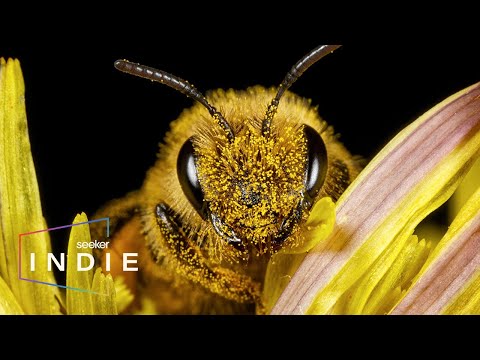
林宜悉 posted on 2026/04/01Ever wonder why bees are disappearing? This investigative short film dives deep into the fascinating world of bee microbiomes and the surprising impact of fungicides, revealing a hidden reason behind their decline. You'll pick up tons of advanced vocabulary and gain a deeper understanding of these vital ecosystems!
Learn this video on the APP!
The VoiceTube App has more in-depth practice for videos!