
ability
US /əˈbɪlɪti/
UK /ə'bɪlətɪ/
- Noun (Countable/Uncountable)
- The power, resources or skill to do something
- A particular skill or talent.
A2TOEICMoreaffect
US /əˈfɛkt/
UK /ə'fekt/
- Transitive Verb
- To cause a change in something else
- To pretend to have or feel (something).
- Noun
- (Psychology) Emotion or feeling.
A2TOEICMoreanxiety
US /æŋˈzaɪɪti/
UK /æŋ'zaɪətɪ/
- Uncountable Noun
- A feeling of worry, nervousness, or unease about something that might happen, especially when the outcome is uncertain.
B1Morearound the world
US /əˈraʊnd ði wɜrld/
UK /əˈraund ðə wɜː(r)ld/
- Phrase
- In or to many countries.
- In various places throughout the world.
A2Moreas well as
US /æz wɛl æz/
UK /æz wel æz/
- Adverb
- Also; in addition to
- Preposition
- In addition to; and also.
A1Moreat night
US /æt naɪt/
UK /æt nait/
- Phrase
- During the night; in the nighttime.
A1Moreawareness
US /əˈwɛrnɪs/
UK /əˈweənəs/
- Uncountable Noun
- Having knowledge of something
A2TOEICMoreburden
US /ˈbɚdn/
UK /'bɜ:dn/
- Transitive Verb
- To weigh down with a load; impose a task upon
- Noun (Countable/Uncountable)
- Something difficult to do, manage, or accept
- Something that is carried with difficulty; an oppressive load.
B1Morecheck out
US /tʃɛk aʊt/
UK /tʃek aut/
- Phrase
- Phrasal Verb
- To find out information about something
- To take books out of a library
A1Morechildcare
US /ˈtʃaɪldker/
UK /ˈtʃaɪldkeə(r)/
- Uncountable Noun
- Looking after children and babies
- Adjective
- Looking after children and babies
C1Morecite
US /saɪt/
UK /saɪt/
- Transitive Verb
- To officially order someone to appear in court
- To officially praise someone, e.g. for bravery
B1TOEICMoreclimate
US /ˈklaɪmɪt/
UK /ˈklaɪmət/
- Noun (Countable/Uncountable)
- Typical weather conditions in a particular place
- The general attitudes, feelings, or opinions that people have at a particular time.
A2Morecome up with
US /kʌm ʌp wɪð/
UK /kʌm ʌp wið/
- Phrasal Verb
- To think of an idea or solution; produce
A1Morecondition
US /kənˈdɪʃən/
UK /kənˈdɪʃn/
- Transitive Verb
- To improve something to make it better
- To cause to behave automatically in a certain way
- Noun (Countable/Uncountable)
- Disease or other medical problem
- The state of living you are in, e.g. good health
A2Morecope
US /koʊp/
UK /kəʊp/
- Verb (Transitive/Intransitive)
- To deal with something in spite of difficulties
A2Morecope with
US /kop wɪð/
UK /kəup wið/
- Phrasal Verb
- To deal successfully with a difficult situation.
A1Moredeprive
US /dɪˈpraɪv/
UK /dɪˈpraɪv/
- Transitive Verb
- To deny someone access to or take away something
B2Moredevastating
US
UK
- Transitive Verb
- To cause extensive destruction or ruin utterly
- Adjective
- Destroying everything; very shocking
- Causing great emotional pain or shock.
B1Moredisadvantage
US /ˌdɪsədˈvæntɪdʒ/
UK /ˌdɪsədˈvɑ:ntɪdʒ/
- Noun (Countable/Uncountable)
- A negative point; a downside; difficulty
- A factor that places someone in a less favorable position.
B1Moredisruption
US /dɪs'rʌpʃn/
UK /dɪs'rʌpʃn/
- Noun
- When a disturbance stops an activity in progress
B2Moredistress
US /dɪˈstrɛs/
UK /dɪ'stres/
- Uncountable Noun
- State of great sadness, anxiety or pain
- Condition of danger or emergency
- Transitive Verb
- To cause someone anxiety or sadness
- To be in financial trouble
B1Moredoom
US /dum/
UK /du:m/
- Noun (Countable/Uncountable)
- Certain of the failure or destruction of
- Very bad, unhappy future event or situation
- Transitive Verb
- To make failure, defeat or death certain for
B2Moredoom and gloom
US
UK
- Uncountable Noun
- A feeling of pessimism or despair; a focus on negative aspects.
- Predictions or talk about a disastrous future.
C2Moredue to
US /du tu/
UK /dju: tu:/
- Preposition
- Because of; owing to
- Adjective
- Attributable to; caused by.
A1Moreengage
US /ɪn'gedʒ/
UK /ɪn'ɡeɪdʒ/
- Transitive Verb
- To start to fight with an enemy
- To hire someone for a task or job
A2TOEICMoreextreme
US /ɪkˈstrim/
UK /ɪk'stri:m/
- Adjective
- Very great in degree
- Farthest from a center
- Noun
- Effort that is thought more than is necessary
- The furthest point or limit of something.
B1Morefatal
US /ˈfetl/
UK /ˈfeɪtl/
- Adjective
- Causing death; having very bad consequences
- Causing negative results
B1Morefor example
US
UK
- Phrase
- As an illustration or instance.
gender
US /ˈdʒɛndɚ/
UK /'dʒendə(r)/
- Noun
- State of being male or female
- The socially constructed roles, behaviours, expressions and identities of people.
- Transitive Verb
- To assign a gender to; to consider something in terms of gender.
B1Morehurricane
US /ˈhɚrɪˌken, ˈhʌr-/
UK /'hʌrɪkən/
- Noun
- Very severe storm usually occurs near the ocean
B1Morein green
US /ɪn ɡrin/
UK /ɪn ɡri:n/
- other
- Located in or surrounded by green plants or fields.
B2Morein particular
US /ɪn pɚˈtɪkjəlɚ/
UK /in pəˈtikjulə/
- Phrase
- Specifically; especially.
- Detailed or precise.
A1Morein the way
US /ɪn ði we/
UK /in ðə wei/
- Phrase
- Obstructing someone or something; hindering progress.
- Stored or placed so as to be available or ready when needed.
A1Moreinevitably
US /ɪnˈevɪtəbli/
UK /ɪnˈevɪtəbli/
- Adverb
- (Happening) with complete certainty
B1Moreinfluence
US / ˈɪnfluəns/
UK /'ɪnflʊəns/
- Verb (Transitive/Intransitive)
- To affect or change something indirectly
- To persuade someone to do something.
- Noun (Countable/Uncountable)
- The power to affect what happens, to persuade etc.
- A person or thing that affects someone or something in an important way.
A2TOEICMoreinteract
US /ˌɪntɚˈækt/
UK /ˌɪntər'ækt/
- Intransitive Verb
- To talk or do things with each other
A2Moreinteract with
US /ˌɪntɚˈækt wɪð/
UK /ˌɪntərˈækt wið/
- Phrase
- Verb (Transitive/Intransitive)
- To engage in communication or action involving mutual or reciprocal influence.
- To use a computer interface to achieve a specific goal.
A2Moreisolation
US /ˌaɪsəˈleʃən/
UK /ˌaɪsəˈleɪʃn/
- Uncountable Noun
- Condition of being in a distinct, separate place
- Process of separating things from other things
B1Moreknock on
US /nɑk ɑn/
UK /nɔk ɔn/
- Phrasal Verb
- To strike a door or window to attract attention.
- Intransitive Verb
- (In rugby) to drop the ball forward.
A1Morelive on
US
UK
- Phrasal Verb
- To continue to exist or be remembered.
- To eat a particular type of food as the main thing.
mental
US /ˈmɛntl/
UK /ˈmentl/
- Adjective
- Concerning the mind
A2TOEICMorenegative
US /ˈnɛɡətɪv/
UK /'neɡətɪv/
- Noun
- The opposite to a positive electrical charge
- In grammar, containing words such as 'no' or 'not'
- Adjective
- Being harmful, unwanted or unhelpful
- In mathematics, being less than zero
A2Morenumerous
US /ˈnumərəs, ˈnju-/
UK /ˈnju:mərəs/
- Adjective
- Existing in large numbers
- Consisting of many things or people.
B1Moreof course
US /ʌv kɔː(r)s/
UK /ɔv kɔː(r)s/
- Adverb
- Sure ; Certainly
- Phrase
- For sure; certainly
A2Moreon course
US /ɑn kɔː(r)s/
UK /ɔn kɔː(r)s/
- Adjective
- Likely to achieve a desired outcome after a period of difficulty.
- Phrase
- Progressing or developing as planned; likely to achieve the intended result.
- Following the intended route or direction.
A1Moreon record
US /ɑn rɪˈkɚd/
UK /ɔn riˈkɔ:d/
- Adverb
- Formally and publicly stated
- Adjective
- Officially documented or registered.
A1Morepsychology
US /saɪˈkɑlədʒi/
UK /saɪ'kɒlədʒɪ/
- Uncountable Noun
- The study of the mind and how it affects behavior
- Way in which a person or group thinks and behaves
C2Moreresearch
US /rɪˈsɚtʃ, ˈriˌsɚtʃ/
UK /rɪ'sɜ:tʃ/
- Verb (Transitive/Intransitive)
- To study in order to discover new ideas and facts
- To study the market relating to marketing products and services.
- Noun (Countable/Uncountable)
- Study done to discover new ideas and facts
- A particular area or topic of study.
A2TOEICMoreset out
US /sɛt aʊt/
UK /set aut/
- Phrasal Verb
- To arrange something in an orderly fashion
- To give in detail in writing
A1Moresevere
US /səˈvɪr/
UK /sɪ'vɪə(r)/
- Adjective
- Very bad; harsh
- (Of clothes, etc.) plain; simple; not decorated
A2TOEICMoresoar
US /sɔr, sor/
UK /sɔ:(r)/
- Intransitive Verb
- (Of prices, etc.) to increase a lot in a short time
- To fly or rise high in the air
B2TOEICMoresocietal
US /səˈsaɪɪtl/
UK /səˈsaɪətl/
- Adjective
- Concerning society or a society
B1Morestark
US /stɑ:rk/
UK /stɑ:k/
- Adjective
- Very clear and often unpleasant
B2Morestrain
US /stren/
UK /streɪn/
- Transitive Verb
- To remove the water from (food) using a colander
- To injure a muscle, leg etc. by using it too much
- Noun (Countable/Uncountable)
- Injury to a muscle, leg etc. through overuse
- Type or variation of a disease or bacillus
B2Morestress
US / strɛs/
UK /stres/
- Transitive Verb
- To emphasize one or more parts of a word, sentence
- To put pressure on something or someone
- Noun (Countable/Uncountable)
- Emphasis on part of a word or sentence
- Pressure on something or someone
A2TOEICMorestrike
US /straɪk/
UK /straɪk/
- Transitive Verb
- To hit something
- To remove or erase.
- Noun (Countable/Uncountable)
- A punch or hit
- Fact of not hitting the ball when playing baseball
A2TOEICMoresuch as
US /sʌtʃ æz/
UK /sʌtʃ æz/
- Preposition
- For example; like
A1Morethermometer
US /θərˈmɑ:mɪtə(r)/
UK /θəˈmɒmɪtə(r)/
- Noun
- Instrument for measuring temperature
C1Moretraumatic
US /traʊˈmætɪk/
UK /trɔ:ˈmætɪk/
- Adjective
- Causing upsetting emotional effects over time
- Causing an injury
B2Moretrigger
US /ˈtrɪɡɚ/
UK /'trɪɡə(r)/
- Noun
- Lever on a gun that you pull to fire
- Device that starts a process
- Transitive Verb
- To start a process off e.g. a memory
- To cause something to begin or happen.
B1Morewave in
US /weɪv ɪn/
UK /weɪv ɪn/
- other
- Signal or gesture for someone to enter a place.
B2Morewith it
US /wɪð ɪt/
UK /wið it/
- Adjective
- Intelligent, alert, and up-to-date.
- Understanding and knowledgeable about current trends or information.
A1More
Vocabulary
- due to: Because of; owing to
- for example: As an illustration or instance.
- on course: Likely to achieve a desired outcome after a period of difficulty.
- in particular: Specifically; especially.
- on record: Formally and publicly stated
- set out: To arrange something in an orderly fashion
- wave in: Signal or gesture for someone to enter a place.
- at night: During the night; in the nighttime.
- come up with: To think of an idea or solution; produce
- with it: Intelligent, alert, and up-to-date.
- interact with
- in the way: Obstructing someone or something; hindering progress.
- such as: For example; like
- around the world: In or to many countries.
- as well as: Also; in addition to
- knock on: To strike a door or window to attract attention.
- live on: To continue to exist or be remembered.
- doom and gloom: A feeling of pessimism or despair; a focus on negative aspects.
- in green: Located in or surrounded by green plants or fields.
- cope with: To deal successfully with a difficult situation.
- of course: Sure ; Certainly
- check out
- anxiety: A feeling of worry, nervousness, or unease about something that might happen, especially when the outcome is uncertain.
- mental: Concerning the mind
- engage: To start to fight with an enemy
- trigger: Lever on a gun that you pull to fire
- devastating: To cause extensive destruction or ruin utterly
- experience: Thing a person has done or that happened to them
- negative: The opposite to a positive electrical charge
- extreme: Very great in degree
- severe: Very bad; harsh
- general: Widespread, normal or usual
- strain: To remove the water from (food) using a colander
- traumatic: Causing upsetting emotional effects over time
- interact: To talk or do things with each other
- strike: To hit something
- inevitably: (Happening) with complete certainty
- psychology: The study of the mind and how it affects behavior
- climate: Typical weather conditions in a particular place
- stress: To emphasize one or more parts of a word, sentence
- environment: Natural world in which plants and animals live
- research: To study in order to discover new ideas and facts
- influence: To affect or change something indirectly
- ability: The power, resources or skill to do something
- awareness: Having knowledge of something
- burden: To weigh down with a load; impose a task upon
- distress: State of great sadness, anxiety or pain
- cope: To deal with something in spite of difficulties
- affect: To cause a change in something else
- brain: To strike someone forcefully on the head
- condition: To improve something to make it better
- numerous: Existing in large numbers
- fatal: Causing death; having very bad consequences
- guess: To give an answer without knowing if it is correct
- due: When something is required or expected
- gender: State of being male or female
- doom: Certain of the failure or destruction of
- isolation: Condition of being in a distinct, separate place
- deprive: To deny someone access to or take away something
- soar: (Of prices, etc.) to increase a lot in a short time
- haven: Place where people can feel safe and happy
- disruption: When a disturbance stops an activity in progress
- lot: What happens to a person in life from chance; fate
- hit: To have a negative impact on a person/place/thing
- kind: In a caring and helpful manner
- manage: To survive hardships and difficulties; to cope
- storm: To act violently or angrily
- hurricane: Very severe storm usually occurs near the ocean
- stark: Very clear and often unpleasant
- change: To exchange one set of clothes for another
- income: Earned money from work, investments or business
- societal: Concerning society or a society
- start: First time or place that a thing exists; beginning
- cite: To officially order someone to appear in court
- thermometer: Instrument for measuring temperature
- disadvantage: A negative point; a downside; difficulty
- childcare: Looking after children and babies
Get the full experience in the app
Learn anywhere with detailed sentence and usage analysis
01:03
She took a brave step forward, leaving behind her comfort zone to chase her dreams.
Vocabulary
- brave
adj. Having courage
- comfort zone
phr. A familiar situation where one feels safe
Explanation
a brave step is a noun phrase, where brave is an adjective modifying the noun step, meaning "a courageous step".
forward is an adverb modifying step, meaning "ahead".
The whole phrase serves as the object, answering the "what" of took (verb) — she took a brave step forward.
Get the full experience in the app
Look up words anytime with pronunciation, part of speech, and usage
brave
US/brev/
UK/breɪv/
adj.Brave
v.t.To bravely face
A2 Elementary
Get the full experience in the app
Practice speaking anytime and get instant pronunciation feedback
Try this speaking exercise.
Try practicing with this sentence.
80
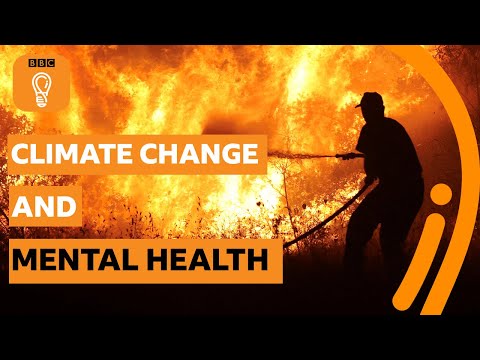
Is climate change affecting our mental health? | BBC Ideas
0
林宜悉 posted on 2026/04/01Ever wondered if those heatwaves and storms are messing with your head? This BBC Ideas video dives into how climate change is impacting our mental health, exploring everything from 'climate anxiety' to sleep disruption. You'll gain a deeper understanding of these connections and pick up some great vocabulary along the way!
Learn this video on the APP!
The VoiceTube App has more in-depth practice for videos!