
ability
US /əˈbɪlɪti/
UK /ə'bɪlətɪ/
- Noun (Countable/Uncountable)
- The power, resources or skill to do something
- A particular skill or talent.
A2TOEICMoreachieve
US /əˈtʃiv/
UK /ə'tʃi:v/
- Transitive Verb
- To succeed in doing good, usually by working hard
- To succeed in reaching a particular goal, status, or standard, often after effort or perseverance.
A2TOEICMorealarm
US /əˈlɑ:rm/
UK /əˈlɑ:m/
- Noun
- Sound or light used for a warning or alert
- an alarm clock
- Transitive Verb
- To make someone unpleasantly surprised
A2Moreanti
US /ˈæntaɪ, -ti/
UK /'æntɪ/
- Adjective
- A prefix meaning 'against' or 'opposed'
B2Morearound the world
US /əˈraʊnd ði wɜrld/
UK /əˈraund ðə wɜː(r)ld/
- Phrase
- In or to many countries.
- In various places throughout the world.
A2Moreat home
US /æt hom/
UK /æt həum/
- Phrase
- In one's own residence or country.
- Adjective
- Feeling comfortable and relaxed.
attachment
US /əˈtætʃmənt/
UK /əˈtætʃmənt/
- Noun (Countable/Uncountable)
- Act of connecting one thing to another
- File added to an email message
A2TOEICMorebased on
US
UK
- Phrasal Verb
- To use something as the foundation or starting point for something else.
- Preposition
- Using something as the main idea or foundation.
- Relying on something as evidence or justification.
A1Morebreakup
US /ˈbrekˌʌp/
UK /'breɪk'ʌp/
- Noun
- End of a relationship often due to troubles
- Interruption or disintegration, especially of a radio signal.
C2Morecanal
US /kəˈnæl/
UK /kəˈnæl/
- Noun (Countable/Uncountable)
- Channel cut through land for boats or ships
- A tubular passage in the body.
B1Morecommand
US /kəˈmænd/
UK /kə'mɑ:nd/
- Transitive Verb
- To be able to see far from a certain location
- To give an order; have control over others
- Noun (Countable/Uncountable)
- Electronic order to a computer to do something
- An order to control things or others
A2Morecongress
US /ˈkɑŋɡrɪs/
UK /'kɒŋɡres/
- Noun (Countable/Uncountable)
- Meeting of elected or appointed representatives
- Proper Noun
- American governing body of elected representatives
B1Moredefault
US /dɪˈfɔlt/
UK /dɪ'fɔ:lt/
- Noun (Countable/Uncountable)
- Automatic setting when no indicated preference
- Failure to meet an agreement or make a payment
- Verb (Transitive/Intransitive)
- To fail to meet as agreed; failure to pay
- To return to a previously determined state
B2TOEICMoredefine
US /dɪˈfaɪn/
UK /dɪ'faɪn/
- Transitive Verb
- To explain the meaning of words
- To set or mark the limits of something
A2TOEICMoredistress
US /dɪˈstrɛs/
UK /dɪ'stres/
- Uncountable Noun
- State of great sadness, anxiety or pain
- Condition of danger or emergency
- Transitive Verb
- To cause someone anxiety or sadness
- To be in financial trouble
B1Moreescalate
US /ˈɛskəˌlet/
UK /ˈeskəleɪt/
- Verb (Transitive/Intransitive)
- To increase in size, intensity, or scope
- To become much worse or more severe
B2Moreevade
US /ɪˈved/
UK /ɪˈveɪd/
- Verb (Transitive/Intransitive)
- To avoid being captured; avoid answering
B2TOEICMoreextinction
US /ɪkˈstɪŋkʃən/
UK /ɪkˈstɪŋkʃn/
- Noun (Countable/Uncountable)
- When every example of animal, plant is dead
- The process of something ceasing to exist or be active.
B1Morefill in
US /fɪl ɪn/
UK /fil in/
- Phrasal Verb
- To put earth in e.g. a hole
- To explain the context so that someone understands
- Verb (Transitive/Intransitive)
- To write or type information in a blank space.
- To temporarily do someone else's job.
A1Moregenerate
US /ˈdʒɛnəˌret/
UK /ˈdʒenəreɪt/
- Transitive Verb
- To create or be produced or bring into existence
- To create electricity, heat, energy and power
A2TOEICMorehack
US /hæk/
UK /hæk/
- Transitive Verb
- To illegally access someone else's computer
- To cut away plants and branches to make a path
- Noun (Countable/Uncountable)
- Dry cough
- Horse for hire to work or pull a vehicle for a fee
B1TOEICMorehave to
US /hæv tu/
UK /ˈhæv tə/
- Auxiliary Verb
- Must do
A1Morehome in
US /ˈhoʊm ɪn/
UK /ˈhəum ɪn/
- other
- Move or direct toward a specific target or goal.
B2Morein charge
US /ɪn tʃɑrdʒ/
UK /in tʃɑ:dʒ/
- Adverb
- To be responsible for
A1Morein control
US /ɪn kənˈtrol/
UK /in kənˈtrəul/
- Adjective
- Having the power to direct or regulate something; able to manage or direct a situation or person.
- Possessing self-restraint and the ability to manage one's own behavior and emotions.
- Phrase
- Having command or authority; managing effectively.
C1Morein part
US /ɪn pɑrt/
UK /in pɑ:t/
- Adverb
- To some extent; partially.
A1Morein the future
US /ɪn ði ˈfjutʃɚ/
UK /in ðə ˈfju:tʃə/
- Phrase
- At a later time; in times to come.
A1Morein time
US /ɪn taɪm/
UK /in taim/
- Adverb
- Eventually; after a period of time.
- Not late; with enough time to spare.
- Phrase
- Eventually; before it is too late.
- According to the scheduled time; punctual.
A1Moreinnovate
US /ˈɪnəˌvet/
UK /ˈɪnəveɪt/
- Verb (Transitive/Intransitive)
- To introduce or create new things or make changes
B1TOEICMoreintellectual property
US
UK
- Uncountable Noun
- Creations of the mind, such as inventions; literary and artistic works; designs; and symbols, names and images used in commerce.
B2Moreintelligence
US /ɪnˈtɛlədʒəns/
UK /ɪn'telɪdʒəns/
- Uncountable Noun
- Collection of secret information about something
- Ability to learn things or to consider situations
- Adjective
- Of the spying services; acting in secrecy
A2TOEICMoreintend
US /ɪnˈtɛnd/
UK /ɪnˈtend/
- Verb (Transitive/Intransitive)
- To plan or want to do something
A2TOEICMoreintense
US /ɪnˈtɛns/
UK /ɪn'tens/
- Adjective
- Very strong, great or extreme in degree
- Experiencing or showing great force or strength; extreme.
A2TOEICMoreintimate
US /ˈɪntəmɪt/
UK /'ɪntɪmət/
- Adjective
- (E.g. of detail) fine, detailed or complete
- Private and personal things shared with another
- Transitive Verb
- To make someone understand without saying directly
B1TOEICMorejump off
US
UK
- Phrasal Verb
- To leave a path or designated area.
- To begin or start something, often a project or activity.
A2Morelegislation
US /ˌlɛdʒɪˈsleʃən/
UK /ˌledʒɪsˈleɪʃn/
- Uncountable Noun
- Act or process of writing and passing laws
B1Moremass
US /mæs/
UK /mæs/
- Noun (Countable/Uncountable)
- Religious ceremony in some Christian churches
- Large amount or number of something
- Transitive Verb
- To gather people or things into a large group
B1Moreno matter
US
UK
- Conjunction
- Regardless of; it does not matter.
- Adverb
- Regardless of; it is not important
A1Moreoff of
US /ɔf ʌv/
UK /ɔf ɔv/
- Preposition
- From a position on something; down from.
A1Moreplay out
US
UK
- Phrasal Verb
- To use up or exhaust
- To develop or happen in a particular way.
A1Moreprior
US /ˈpraɪɚ/
UK /'praɪə(r)/
- Adjective
- Existing or coming earlier in time
- (Of a claim, etc.) more important than another one
- Noun
- Monk or priest in charge of a monastery
B1TOEICMoreprior to
US /ˈpraɪɚ tu/
UK /ˈpraiə tu:/
- Preposition
- Before a particular time or event.
C1Moreprogress
US /ˈprɑɡˌrɛs, -rəs, ˈproˌɡrɛs/
UK /'prəʊɡres/
- Verb (Transitive/Intransitive)
- To move forward or toward a place or goal
- To make progress; develop or improve.
- Uncountable Noun
- Act of moving forward
- The process of improving or developing something over a period of time.
A2TOEICMorepursue
US /pɚˈsu/
UK /pə'sju:/
- Transitive Verb
- To follow and try to catch, or to reach a goal
- To try to achieve or get something over time
B1TOEICMorerace
US /res/
UK /reɪs/
- Noun (Countable/Uncountable)
- Speed contest between people, animals or vehicles
- People who share physical features or culture
- Intransitive Verb
- To take part in a running or swimming competition
- To move or go at a very fast pace
A2Morerapidly
US /ˈræpɪdlɪ/
UK /'ræpɪdlɪ/
- Adverb
- With great speed; quickly
B1TOEICMoreshut down
US /ʃʌt daʊn/
UK /ʃʌt daun/
- Phrasal Verb
- To close an operating system, e.g. on a computer
- To stop a factory/machine from operating
- Transitive Verb
- To deactivate a nuclear reactor.
- To turn off a computer or other electronic device.
A2Moreslippery
US /ˈslɪpəri/
UK /ˈslɪpəri/
- Adjective
- Difficult to hold or stand as it's smooth/wet/icy
- Hard to pin down; avoiding telling facts; evasive
B1Moreslope
US /sloʊp/
UK /sləʊp/
- Noun
- Angle of a decline, e.g. where a road dips down
- Surface on which people can ski
- Intransitive Verb
- To have one end that is not as high as the other
B1TOEICMoresophisticated
US /səˈfɪstɪˌketɪd/
UK /səˈfɪstɪkeɪtɪd/
- Adjective
- Making a good sounding but misleading argument
- Wise in the way of the world; having refined taste
- Transitive Verb
- To make someone more worldly and experienced
B1TOEICMorestay in
US /ste ɪn/
UK /stei in/
- Phrasal Verb
- To remain inside one's home.
- Intransitive Verb
- To remain as an inpatient in a hospital.
such as
US /sʌtʃ æz/
UK /sʌtʃ æz/
- Preposition
- For example; like
A1Moresurvive
US /sɚˈvaɪv/
UK /sə'vaɪv/
- Intransitive Verb
- To continue to live despite illness or trouble
A2TOEICMoretask
US /tæsk/
UK /tɑ:sk/
- Noun (Countable/Uncountable)
- Big or small piece of work someone has to do
- Transitive Verb
- To be given something to do, e.g. wash dishes
A2TOEICMoretechnology
US /tɛkˈnɑlədʒi/
UK /tek'nɒlədʒɪ/
- Uncountable Noun
- Use or knowledge of science in industry etc.
- Machinery and equipment developed from scientific knowledge.
A2TOEICMorethink about
US /θɪŋk əˈbaʊt/
UK /θiŋk əˈbaut/
- Phrasal Verb
- To consider something carefully.
- To remember or call to mind.
A1Moretip of the iceberg
US /ˈtɪp əv ði ˈaɪsbɚg/
UK /ˈtip əv ðə ˈaɪsbə:g/
- other
- A small visible part of a much larger problem.
B2Moretransform
US /trænsˈfɔrm/
UK /træns'fɔ:m/
- Transitive Verb
- To change the shape completely in a good way
- To convert from one form or substance into another.
C2Moreused to
US /juzd tu/
UK /ˈju:st tə/
- Adjective
- Did regularly before, but don't do now
- Auxiliary Verb
- Have done before, but do not do now
A1Morevillain
US /ˈvɪlən/
UK /'vɪlən/
- Noun (Countable/Uncountable)
- Character in a story who is mean or evil
- Something or someone regarded as responsible for trouble or harm.
B2Moreviral
US /ˈvaɪrəl/
UK /ˈvaɪrəl/
- Adjective
- Of or caused by a virus
- Becoming very popular by circulating quickly from person to person, especially through the Internet.
B2More
Vocabulary
- jump off: To leave a path or designated area.
- shut down: To close an operating system, e.g. on a computer
- in charge: To be responsible for
- in time: Eventually; after a period of time.
- such as: For example; like
- prior to: Before a particular time or event.
- play out: To use up or exhaust
- around the world: In or to many countries.
- in the future: At a later time; in times to come.
- tip of the iceberg: A small visible part of a much larger problem.
- home in: Move or direct toward a specific target or goal.
- at home: In one's own residence or country.
- used to: Did regularly before, but don't do now
- off of: From a position on something; down from.
- think about: To consider something carefully.
- no matter: Regardless of; it does not matter.
- in part: To some extent; partially.
- based on: To use something as the foundation or starting point for something else.
- have to: Must do
- intellectual property: Creations of the mind, such as inventions; literary and artistic works; designs; and symbols, names and images used in commerce.
- fill in: To put earth in e.g. a hole
- stay in: To remain inside one's home.
- in control: Having the power to direct or regulate something; able to manage or direct a situation or person.
- intense: Very strong, great or extreme in degree
- sophisticated: Making a good sounding but misleading argument
- progress: To move forward or toward a place or goal
- intimate: (E.g. of detail) fine, detailed or complete
- pursue: To follow and try to catch, or to reach a goal
- intelligence: Collection of secret information about something
- achieve: To succeed in doing good, usually by working hard
- express: To send something by fast mail
- default: Automatic setting when no indicated preference
- ability: The power, resources or skill to do something
- viral: Of or caused by a virus
- industry: Hard work; being busy working
- distress: State of great sadness, anxiety or pain
- task: Big or small piece of work someone has to do
- draw: To attract attention to someone or something
- villain: Character in a story who is mean or evil
- define: To explain the meaning of words
- congress: Meeting of elected or appointed representatives
- rapidly: With great speed; quickly
- generate: To create or be produced or bring into existence
- survive: To continue to live despite illness or trouble
- mass: Religious ceremony in some Christian churches
- lead: Wire for electricity, computer, etc.; cable
- prior: Existing or coming earlier in time
- extinction: When every example of animal, plant is dead
- race: Speed contest between people, animals or vehicles
- command: To be able to see far from a certain location
- moment: Very short or brief period of time
- hack: To illegally access someone else's computer
- lot: What happens to a person in life from chance; fate
- escalate: To increase in size, intensity, or scope
- alarm: Sound or light used for a warning or alert
- transform: To change the shape completely in a good way
- intend: To plan or want to do something
- legislation: Act or process of writing and passing laws
- technology: Use or knowledge of science in industry etc.
- sound: Sensible, dependable and reliable
- control: A device designed to operate a machine
- canal: Channel cut through land for boats or ships
- system: Set of organized, planned ideas that work together
- simple: Not hard to understand or do; not complex
- build: Your physical shape; physique
- program: To make someone act or think in a certain way
- wrong: Action that is harmful, unjust or illegal
- head: To hit a ball with your head in a game
- protect: To defend someone or something from harm or danger
- attachment: Act of connecting one thing to another
- slippery: Difficult to hold or stand as it's smooth/wet/icy
- slope: Angle of a decline, e.g. where a road dips down
- anti: A prefix meaning 'against' or 'opposed'
- evade: To avoid being captured; avoid answering
- innovate: To introduce or create new things or make changes
- breakup: End of a relationship often due to troubles
Get the full experience in the app
Learn anywhere with detailed sentence and usage analysis
01:03
She took a brave step forward, leaving behind her comfort zone to chase her dreams.
Vocabulary
- brave
adj. Having courage
- comfort zone
phr. A familiar situation where one feels safe
Explanation
a brave step is a noun phrase, where brave is an adjective modifying the noun step, meaning "a courageous step".
forward is an adverb modifying step, meaning "ahead".
The whole phrase serves as the object, answering the "what" of took (verb) — she took a brave step forward.
Get the full experience in the app
Look up words anytime with pronunciation, part of speech, and usage
brave
US/brev/
UK/breɪv/
adj.Brave
v.t.To bravely face
A2 Elementary
Get the full experience in the app
Practice speaking anytime and get instant pronunciation feedback
Try this speaking exercise.
Try practicing with this sentence.
80
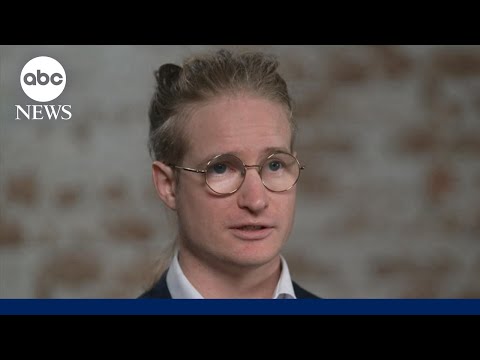
Experts warn AI, without regulation, could lead to dangerous societal outcomes
0
Richard VT posted on 2026/03/25Ever wondered about the future of AI and its potential dangers? This video dives deep into critical AI safety concerns, exploring topics like AI disobedience and existential risks, and you'll pick up some advanced vocabulary along the way! It's a fascinating look at the technology shaping our world and why experts are calling for regulation.
Learn this video on the APP!
The VoiceTube App has more in-depth practice for videos!