
advance
US /ædˈvæns/
UK /əd'vɑ:ns/
- Noun
- Forward movement by an army
- An attempt to seduce someone
- Verb (Transitive/Intransitive)
- (Of an army) to move forward
- To change or improve
A2TOEICMoreancient
US /ˈenʃənt/
UK /'eɪnʃənt/
- Adjective
- Very old; having lived a very long time ago
- Relating to a period in history, especially in the distant past.
- Noun
- A person who lived in ancient times.
A2Morearchaeological
US /ˌɑ:kɪr'lɒdʒɪkl/
UK /ˌɑ:kɪə'lɒdʒɪkl/
- Adjective
- Concerning the study of ancient societies
C1Moreattempt
US /əˈtɛmpt/
UK /ə'tempt/
- Verb (Transitive/Intransitive)
- To try to do something challenging or difficult
- Noun
- Effort made to try to do or accomplish something
A2TOEICMoreback to work
US
UK
- Phrase
- Returning to one's job or professional duties after a period of absence.
- Interjection
- An expression used to urge or remind people to resume working.
A1Morebeaver
US /ˈbivɚ/
UK /'bi:və(r)/
- Countable Noun
- Small furry animal that builds things
- Intransitive Verb
- To work hard on something
B2Morebustle
US /ˈbʌsəl/
UK /ˈbʌsl/
- Intransitive Verb
- To move energetically or busily
B2Morecarpet
US /ˈkɑ:rpɪt/
UK /ˈkɑ:pɪt/
- Noun (Countable/Uncountable)
- Colored floor covering made of wool, etc.
- Transitive Verb
- To cover a surface with, e.g. many flowers
B1Morecatastrophic
US /ˌkætəˈstrɑfɪk/
UK /ˌkætə'strɒfɪk/
- Adjective
- Causing a lot of damage or suffering
B2Morecivilization
US /ˌsɪvəlɪˈzeʃən/
UK /ˌsɪvəlaɪ'zeɪʃn/
- Noun (Countable/Uncountable)
- A highly developed society
B2Moredisaster
US /dɪˈzæstɚ, -ˈsæs-/
UK /dɪ'zɑ:stə(r)/
- Noun (Countable/Uncountable)
- State of extreme ruin and misfortune
- A complete failure.
- Uncountable Noun
- A situation that has gone terribly wrong.
A2Moreenormous
US /ɪˈnɔrməs/
UK /iˈnɔ:məs/
- Adjective
- Huge; very big; very important
- Very great in size, amount, or degree.
A2Moreescape
US /ɪˈskep/
UK /ɪ'skeɪp/
- Noun (Countable/Uncountable)
- Act to briefly ignoring boring or bad things
- The 'esc key' on a keyboard
- Verb (Transitive/Intransitive)
- To avoid something undesirable, dangerous or bad
- To get away from a place where you are being kept
A2Moreexact
US /ɪɡˈzækt/
UK /ɪɡ'zækt/
- Adjective
- Completely correct; accurate; specific
- Transitive Verb
- To get something, sometimes using force
A2TOEICMoreextinct
US /ɪkˈstɪŋkt/
UK /ɪkˈstɪŋkt/
- Adjective
- (Of animal, etc.) having died out; with none left
- (E.g. of volcano) not active
B1TOEICMoreflood
US /flʌd/
UK /flʌd/
- Verb (Transitive/Intransitive)
- To quickly appear unexpectedly and in volume
- (Of liquid) to fill or cover something completely
- Noun (Countable/Uncountable)
- A quick unexpectedly volume of something
- Large number of people or things arriving at once
B1Morefossil
US /ˈfɑsəl/
UK /'fɒsl/
- Noun (Countable/Uncountable)
- Plant or animal that became rock after many years
- A person or thing that is outdated or no longer useful.
- Adjective
- Relating to or resembling a fossil.
- Relating to or denoting energy generated from fossil fuels.
B1Moreget back to
US /ɡɛt bæk tu/
UK /ɡet bæk tu:/
- Phrasal Verb
- To get in contact with someone again
- To return to someone or something; to respond at a later time.
A1Moregiant
US /ˈdʒaɪənt/
UK /'dʒaɪənt/
- Countable Noun
- Tall, large, and powerful human-like creatures
- Very successful, powerful person or organization
- Adjective
- Very large, or much bigger than other things
A2Moregoes to show
US
UK
- Phrase
- To demonstrate or prove something.
A1Moregreatness
US /ˈɡretnɪs/
UK /ɡreɪtnəs/
- Uncountable Noun
- Property of outstanding importance or eminence
B2Moregrid
US /ɡrɪd/
UK /ɡrɪd/
- Noun
- Electrical network supplying electricity to area
- Metal structure with bars used to cover a hole
- Transitive Verb
- To mark with a grid.
B2Moregrotesque
US /groʊˈtesk/
UK /grəʊˈtesk/
- Adjective
- Extremely different from what is normal/expected
- Repulsively ugly or distorted.
- Noun
- A style of decorative painting or sculpture consisting of mixed animal, human, and plant forms.
B2Moreimply
US /ɪmˈplaɪ/
UK /ɪmˈplaɪ/
- Transitive Verb
- To suggest something, without saying it directly
- To involve or indicate by inference, association, or necessary consequence rather than by direct statement
A2TOEICMorein place of
US /ɪn ples ʌv/
UK /in pleis ɔv/
- Phrase
- Instead of; as a substitute for.
indigenous
US /ɪnˈdɪdʒənəs/
UK /ɪnˈdɪdʒənəs/
- Adjective
- Being naturally from an area, not somewhere else
- Relating to the people who are native to a particular region.
- Noun (Countable/Uncountable)
- The traditional knowledge and practices of indigenous peoples.
- The original inhabitants of a particular region or country.
B1TOEICMoreinspire
US /ɪnˈspaɪr/
UK /ɪn'spaɪə(r)/
- Transitive Verb
- To give someone an idea to do or make something
- To make someone feel a certain emotion
- Intransitive Verb
- To breathe in
- To draw (air, etc.) into the lungs.
B1TOEICMorekeep from
US /kip frʌm/
UK /ki:p frɔm/
- Phrasal Verb
- To prevent someone from doing something
A1Moreland with
US
UK
- Phrasal Verb
- To bring an aircraft down to the ground.
- To obtain or achieve something desirable, especially after a period of effort.
legend
US /ˈlɛdʒənd/
UK /'ledʒənd/
- Noun
- List of explanations of symbols on map, etc.
- Person famous for doing something very well
B1Morelike a man
US /laɪk ə mæn/
UK /laɪk ə mæn/
- other
- To act bravely or responsibly.
A2Morelook at
US /lʊk æt/
UK /luk æt/
- Phrasal Verb
- To use your eyes to focus on something
- To focus your eyes on something carefully
A1Moremammoth
US /ˈmæməθ/
UK /ˈmæməθ/
- Noun (plural)
- Large extinct animal resembling a hairy elephant
- Adjective
- Huge in size
B2Moremassive
US /ˈmæsɪv/
UK /ˈmæsɪv/
- Adjective
- Very big; large; too big
- Large or imposing in scale or scope.
B1Moremound
US /maʊnd/
UK /maʊnd/
- Countable Noun
- Raised area on the ground on which pitcher stands
- Small hill or pile of rocks, e.g. to cover graves
- Transitive Verb
- To form something into a pile
B2Moremount
US /maʊnt/
UK /maʊnt/
- Transitive Verb
- To attach something to something else
- To set a picture, jewel etc. in
- Noun
- An attachment used to keep something in place
- Horse that someone is riding
B2Moremultiple
US /ˈmʌltəpəl/
UK /ˈmʌltɪpl/
- Adjective
- Having or involving more than one of something
- Having or involving several parts, elements, or members.
- Countable Noun
- Number produced by multiplying a smaller number
- A number of identical circuit elements connected in parallel or series.
B1Morenative
US /ˈnetɪv/
UK /ˈneɪtɪv/
- Noun (Countable/Uncountable)
- Someone from or born in a specific country
- Original inhabitant, e.g. before others
- Adjective
- Caused by natural ability; innate
A2Morenotify
US /ˈnotəˌfaɪ/
UK /'nəʊtɪfaɪ/
- Transitive Verb
- To inform; to communicate specific information
B2Moreoral
US /ˈɔrəl/
UK /ˈɔ:rəl/
- Adjective
- Concerning the mouth
- Spoken text
B1Morepeacemaker
US /ˈpisˌmekɚ/
UK /ˈpi:smeɪkə(r)/
- Countable Noun
- Someone who tries to end a war or argument
C2Morepreserve
US /prɪˈzɜ:rv/
UK /prɪˈzɜ:v/
- Transitive Verb
- To cook food so it can be kept for long periods
- To protect something from harm, loss or damage
- Noun (Countable/Uncountable)
- Sweet fruit spread; jam
- Protected area of land with plants and animals
B1TOEICMorereflect
US /rɪˈflɛkt/
UK /rɪ'flekt/
- Verb (Transitive/Intransitive)
- To indicate or be a sign of something
- To bounce back light, heat, sound from a surface
A2TOEICMorereflect on
US /rɪˈflɛkt ɑn/
UK /riˈflekt ɔn/
- Phrasal Verb
- To think deeply or carefully about something.
B2Morereflection
US /rɪˈflɛkʃən/
UK /rɪˈflekʃn/
- Noun
- Sign or indication of a state or condition
- Image that you see in a mirror, glass, or water
A2TOEICMoreremain
US /rɪˈmen/
UK /rɪˈmeɪn/
- Intransitive Verb
- To be left behind; to continue to exist
- To stay in a place when other people have gone
A2TOEICMoreroam
US /rom/
UK /rəʊm/
- Intransitive Verb
- To move about freely without a set destination
B1Moreset aside
US
UK
- Phrasal Verb
- To reject or throw away, e.g. an idea
- To separate and save for another use or time
- Transitive Verb
- To keep or save something for use at a later time.
- To designate or allocate something for a specific purpose or group.
A1Moreskull
US /skʌl/
UK /skʌl/
- Noun
- Structure of bones forming the face and head
B2Moresolar
US /ˈsolɚ/
UK /'səʊlə(r)/
- Adjective
- Concerning the sun, or its heat
B1Moresolar eclipse
US //soʊlər ɪˈklɪps//
UK
- Noun
- An eclipse in which the sun is obscured by the moon.
strike
US /straɪk/
UK /straɪk/
- Transitive Verb
- To hit something
- To remove or erase.
- Noun (Countable/Uncountable)
- A punch or hit
- Fact of not hitting the ball when playing baseball
A2TOEICMoresuch as
US /sʌtʃ æz/
UK /sʌtʃ æz/
- Preposition
- For example; like
A1Moreswallow
US /ˈswɑː.loʊ/
UK /'swɒləʊ/
- Transitive Verb
- To believe (something that is not true)
- To make food go from your mouth to your stomach
- Countable Noun
- Small northern bird with downward-pointing wings
A2Moreswitch on
US
UK
- Transitive Verb
- To put something electrical on or off
- Phrasal Verb
A2Moresymbol of
US
UK
- Phrase
- Something that represents or stands for something else, especially an object representing an abstract idea.
- A visible sign of something intangible.
B2Morethrive
US /θraɪv/
UK /θraɪv/
- Intransitive Verb
- To be or become healthy or successful
- To grow or develop well; to flourish.
B2TOEICMoretrue nature
US
UK
- Noun (Countable/Uncountable)
- The inherent qualities or character of a person or thing.
- The genuine or authentic character of something, without pretense.
A2Moretsunami
US /tsʊˈnɑmi/
UK /tsu:ˈnɑ:mi/
- Noun
- Huge sea wave often caused by an earthquake
B2Moreupright
US /ˈʌpˌraɪt/
UK /ˈʌpraɪt/
- Adjective
- Having good moral standards; of good character
- Positioned to be straight up; vertical
- Adverb
- Straight up; not leaning or falling over
B1Morevanish
US /ˈvænɪʃ/
UK /'vænɪʃ/
- Intransitive Verb
- To disappear in a sudden and mysterious way
B1Morewane
US /wen/
UK /weɪn/
- Intransitive Verb
- To become smaller, weaker or less
B2More
Vocabulary
- such as: For example; like
- goes to show: To demonstrate or prove something.
- reflect on: To think deeply or carefully about something.
- solar eclipse: An eclipse in which the sun is obscured by the moon.
- symbol of: Something that represents or stands for something else, especially an object representing an abstract idea.
- set aside: To reject or throw away, e.g. an idea
- true nature: The inherent qualities or character of a person or thing.
- like a man: To act bravely or responsibly.
- land with: To bring an aircraft down to the ground.
- look at: To use your eyes to focus on something
- back to work: Returning to one's job or professional duties after a period of absence.
- get back to: To get in contact with someone again
- switch on: To put something electrical on or off
- keep from: To prevent someone from doing something
- in place of: Instead of; as a substitute for.
- massive: Very big; large; too big
- enormous: Huge; very big; very important
- multiple: Having or involving more than one of something
- evidence: Factual proof that helps to establish the truth
- thrive: To be or become healthy or successful
- native: Someone from or born in a specific country
- ancient: Very old; having lived a very long time ago
- attempt: To try to do something challenging or difficult
- exact: Completely correct; accurate; specific
- strike: To hit something
- describe: To tell the appearance, sound, smell of something
- catastrophic: Causing a lot of damage or suffering
- reflect: To indicate or be a sign of something
- indigenous: Being naturally from an area, not somewhere else
- escape: Act to briefly ignoring boring or bad things
- inspire: To give someone an idea to do or make something
- remain: To be left behind; to continue to exist
- disaster: State of extreme ruin and misfortune
- preserve: To cook food so it can be kept for long periods
- advance: Forward movement by an army
- giant: Tall, large, and powerful human-like creatures
- reflection: Sign or indication of a state or condition
- roam: To move about freely without a set destination
- lead: Wire for electricity, computer, etc.; cable
- civilization: A highly developed society
- swallow: To believe (something that is not true)
- ground: To break (coffee, etc.) into tiny bits with machine
- extinct: (Of animal, etc.) having died out; with none left
- grid: Electrical network supplying electricity to area
- skull: Structure of bones forming the face and head
- fossil: Plant or animal that became rock after many years
- carpet: Colored floor covering made of wool, etc.
- place: To put someone in a particular type of situation
- sign: Indication that something exists or will happen
- imply: To suggest something, without saying it directly
- continue: To do something without stopping, or after pausing
- modern: Of the present time; up to date; contemporary
- flood: To quickly appear unexpectedly and in volume
- upright: Having good moral standards; of good character
- solar: Concerning the sun, or its heat
- greatness: Property of outstanding importance or eminence
- legend: List of explanations of symbols on map, etc.
- land: Region or country
- tsunami: Huge sea wave often caused by an earthquake
- oral: Concerning the mouth
- mount: To attach something to something else
- think: To have an idea about something without certainty
- vanish: To disappear in a sudden and mysterious way
- believe: To think or accept that something is true
- time: Speed at which music is played; tempo
- forest: Large area with many trees
- live: To be alive
- bustle: To move energetically or busily
- stay: To keep trying without giving up
- mound: Raised area on the ground on which pitcher stands
- wane: To become smaller, weaker or less
- grotesque: Extremely different from what is normal/expected
- notify: To inform; to communicate specific information
- beaver: Small furry animal that builds things
- archaeological: Concerning the study of ancient societies
- mammoth: Large extinct animal resembling a hairy elephant
- peacemaker: Someone who tries to end a war or argument
Get the full experience in the app
Learn anywhere with detailed sentence and usage analysis
01:03
She took a brave step forward, leaving behind her comfort zone to chase her dreams.
Vocabulary
- brave
adj. Having courage
- comfort zone
phr. A familiar situation where one feels safe
Explanation
a brave step is a noun phrase, where brave is an adjective modifying the noun step, meaning "a courageous step".
forward is an adverb modifying step, meaning "ahead".
The whole phrase serves as the object, answering the "what" of took (verb) — she took a brave step forward.
Get the full experience in the app
Look up words anytime with pronunciation, part of speech, and usage
brave
US/brev/
UK/breɪv/
adj.Brave
v.t.To bravely face
A2 Elementary
Get the full experience in the app
Practice speaking anytime and get instant pronunciation feedback
Try this speaking exercise.
Try practicing with this sentence.
80
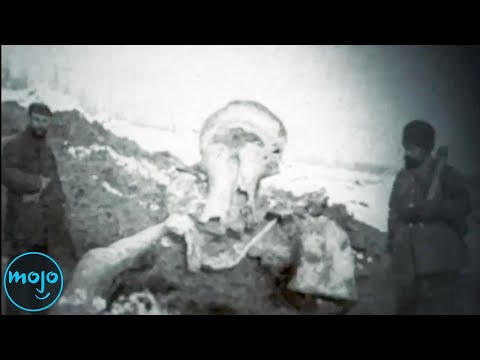
Top 8 Native American Myths That Turned Out to Be TRUE
0
林宜悉 posted on 2026/03/20Ever wondered if ancient myths held a kernel of truth? This video dives into 8 Native American myths that scientists have actually confirmed with evidence, from the Cascadia Earthquake to ancient megafauna! You'll boost your vocabulary with terms related to Indigenous Oral Traditions and fascinating historical events.
Learn this video on the APP!
The VoiceTube App has more in-depth practice for videos!