
at heart
US /æt hɑrt/
UK /æt hɑ:t/
- Phrase
- In one's real or essential nature; fundamentally.
A1Moreat risk
US
UK
- Phrase
- In danger; likely to be harmed
at some point
US /æt sʌm pɔɪnt/
UK /æt sʌm pɔint/
- Phrase
- At an unspecified time, usually in the future.
A1Moreaverage
US /ˈævərɪdʒ, ˈævrɪdʒ/
UK /'ævərɪdʒ/
- Noun (Countable/Uncountable)
- Total of numbers divided by the number of items
- Transitive Verb
- To add numbers then divide by the number of items
A2TOEICMorebog
US /bɔ:g/
UK /bɒg/
- Intransitive Verb
- To get stuck, slowed down or become delayed
- Noun
- Area of wet spongy ground
B2Moreboundary
US /ˈbaʊndəri, -dri/
UK /'baʊndrɪ/
- Noun
- A division or border to separate two areas
- In sports, a line or marker indicating the edge of the playing area.
B1Morebuy into
US /baɪ ˈɪntu/
UK /bai ˈɪntuː/
- Phrasal Verb
- To come to accept an idea or believe in it
- To buy a part of something e.g. a company's shares
A1Morechase
US /tʃes/
UK /tʃeɪs/
- Noun (Countable/Uncountable)
- Act of going after someone to catch them
- Something that one pursues or tries to obtain.
- Transitive Verb
- To go after with the intention of catching
- To try very hard to get something that you want
A2Morecommit
US /kəˈmɪt/
UK /kə'mɪt/
- Transitive Verb
- To do something bad, usually a crime
- To promise your permanent love or loyalty (to)
A2TOEICMorecontrive
US /kənˈtraɪv/
UK /kənˈtraɪv/
- Transitive Verb
- To devise or bring about with clever planning
C1TOEICMoredebt
US /dɛt/
UK /det/
- Noun (Countable/Uncountable)
- Sum of money owed to someone that is not yet paid
- A moral or social obligation.
A2TOEICMoredecay
US /dɪˈke/
UK /dɪˈkeɪ/
- Intransitive Verb
- To be slowly destroyed by natural processes; rot
- To lose health or strength
- Uncountable Noun
- Slow loss of physical or mental health
B1Moredepending on
US
UK
- Phrasal Verb
- To rely on for support (financial or emotional)
- Influenced or determined by.
- Preposition
- Subject to; contingent on
- Relying on someone or something for support or assistance.
A2Moredrown
US /draʊn/
UK /draʊn/
- Transitive Verb
- To kill something by putting it under water
- To make something very wet or cover it completely
B1Moredumb
US /dʌm/
UK /dʌm/
- Adjective
- Senseless; stupid
B1Moreexperiment
US /ɪkˈspɛrəmənt/
UK /ɪk'sperɪmənt/
- Noun (Countable/Uncountable)
- Test performed to assess new ideas or theories
- A course of action tentatively adopted without being sure of the eventual outcome.
- Verb (Transitive/Intransitive)
- To create and perform tests to research something
- To try something new that you haven't tried before
A2TOEICMoreexternally
US /ɪkˈstə:nl:ɪ/
UK /ɪk'stɜ:nəlɪ/
- Adverb
- On or from the outside
B2Morefeel like
US
UK
- Intransitive Verb
- To have a desire or inclination for something.
- To have a particular quality or sensation; resemble.
A1Moregoing on
US /ˈɡoɪŋ ɑn/
UK /ˈgəʊɪŋ ɔn/
- Phrasal Verb
- To continue doing something
- To happen (usually negative)
A1Moregot to
US /ɡɑt tu/
UK /gɔt tu:/
- Verb (Transitive/Intransitive)
- To arrive at some place
- To have the opportunity or permission to do something
- Phrasal Verb
- To appeal to the emotions of; move
- To finally begin to start something after a delay
A1Morehave to
US /hæv tu/
UK /ˈhæv tə/
- Auxiliary Verb
- Must do
A1Morehold on
US /hold ɑn/
UK /həuld ɔn/
- Phrasal Verb
- To wait for someone (e.g. on a phone call)
- To wait for a short time.
A1Moreidiotic
US /ˌɪdiˈɑtɪk/
UK /ˌɪdiˈɒtɪk/
- Adjective
- Very irresponsible or foolish
B2Moreignore
US /ɪɡˈnɔr, -ˈnor/
UK /ɪɡ'nɔ:(r)/
- Transitive Verb
- To not listen to, look at, or pay attention to
A2TOEICMorein a state
US
UK
- Phrase
- In a particular condition or situation.
- In an emotional condition, often negative (e.g., panic, distress).
B2Morein business
US /ɪn ˈbɪznɪs/
UK /in ˈbiznis/
- Phrase
- Actively operating as a commercial enterprise.
- Having a commercial partnership or association.
A1Morein debt
US /ɪn dɛt/
UK /in det/
- Phrase
- State of owing money to a person or institution
- Adjective
- Owing money.
A2Morein fact
US /ɪn fækt/
UK /in fækt/
- Adverb
- Used to emphasize the truth of a statement, especially one that contrasts with or contradicts something else.
- Used to introduce a more detailed or surprising piece of information.
- Phrase
- Used to emphasize the truth of a statement, especially one that is surprising or contrary to what might be expected.
C1Morein the way
US /ɪn ði we/
UK /in ðə wei/
- Phrase
- Obstructing someone or something; hindering progress.
- Stored or placed so as to be available or ready when needed.
A1Morein the world
US /ɪn ði wɜrld/
UK /in ðə wɜː(r)ld/
- Phrase
- Used to emphasize a question expressing surprise, confusion, or disbelief.
- Used to indicate the extent or degree of something, often in a superlative sense.
A1Morein time
US /ɪn taɪm/
UK /in taim/
- Adverb
- Eventually; after a period of time.
- Not late; with enough time to spare.
- Phrase
- Eventually; before it is too late.
- According to the scheduled time; punctual.
A1Moreincredible
US /ɪnˈkrɛdəbəl/
UK /ɪnˈkredəbl/
- Adjective
- Very good; amazing
- Really good; amazing; great
A2TOEICMorejump on
US /dʒʌmp ɑn/
UK /dʒʌmp ɔn/
- Phrasal Verb
- To criticize someone suddenly and strongly.
- To take advantage of an opportunity quickly.
A1Morelifelong
US /ˈlaɪflɔ:ŋ/
UK /ˈlaɪflɒŋ/
- Adjective
- Continuing through life; lasting a long time
- Uncountable Noun
- The process of continuing to learn throughout one's life.
B2Morelook at
US /lʊk æt/
UK /luk æt/
- Phrasal Verb
- To use your eyes to focus on something
- To focus your eyes on something carefully
A1Morelook back
US /lʊk bæk/
UK /luk bæk/
- Phrasal Verb
- To think about past events
A1Morelook up to
US /lʊk ʌp tu/
UK /luk ʌp tu:/
- Phrasal Verb
- To respect or admire someone
A1Moreminimize
US /ˈmɪnəˌmaɪz/
UK /'mɪnɪmaɪz/
- Transitive Verb
- To make something seem small or less important
B1Morenavy
US /ˈnevi/
UK /ˈneɪvi/
- Noun (Countable/Uncountable)
- Very dark shade of blue
- Armed force consisting of ships, sailors etc.
B1Moreon average
US /ɑn ˈævərɪdʒ/
UK /ɔn ˈævəridʒ/
- Phrase
- Typically; usually; based on an average calculation.
B1Moreone being
US
UK
- Noun
- An individual existence; a person or creature.
- A single entity or individual, especially in a philosophical or spiritual context.
A1Moreopportunity
US /ˌɑpɚˈtunɪti, -ˈtju-/
UK /ˌɒpə'tju:nətɪ/
- Noun (Countable/Uncountable)
- Time, situation when a thing might be done; chance
- A favorable time or occasion for doing something.
A2TOEICMoreoptimize
US /ˈɑ:ptɪmaɪz/
UK /ˈɒptɪmaɪz/
- Transitive Verb
- To make as effective as possible
B2Moreover time
US /ˈovɚ taɪm/
UK /ˈəuvə taim/
- Phrase
- Gradually; as time passes.
- During a long period.
- Adverb
- Gradually; as time passes.
B1Morephilosophical
US /ˌfɪləˈsɑ:fɪkl/
UK /ˌfɪləˈsɒfɪkl/
- Adjective
- Reacting calmly/reasonably if things are difficult
- Concerning philosophy
C1TOEICMorepluck
US /plʌk/
UK /plʌk/
- Uncountable Noun
- Quality of bravery or determination
- Transitive Verb
- To pull the feathers or hair off something
- To pull a string to make sounds on (e.g. a guitar)
B2TOEICMorepractical
US /ˈpræktɪkəl/
UK /ˈpræktɪkl/
- Adjective
- Relating to what is sensible, real or useful
- Relating to experience, action, or practice; not theoretical or ideal.
- Noun
- A practical exam or lesson.
- A person concerned chiefly with the practice of something; a person with practical skills.
A2TOEICMorepreserve
US /prɪˈzɜ:rv/
UK /prɪˈzɜ:v/
- Transitive Verb
- To cook food so it can be kept for long periods
- To protect something from harm, loss or damage
- Noun (Countable/Uncountable)
- Sweet fruit spread; jam
- Protected area of land with plants and animals
B1TOEICMoreprocess
US /ˈprɑsˌɛs, ˈproˌsɛs/
UK /prə'ses/
- Transitive Verb
- To organize and use data in a computer
- To deal with official forms in the way required
- Noun (Countable/Uncountable)
- Dealing with official forms in the way required
- Set of changes that occur slowly and naturally
A2TOEICMorepurpose
US /ˈpɚpəs/
UK /'pɜ:pəs/
- Noun (Countable/Uncountable)
- Reason for which something is done; aim; goal
- A person's sense of resolve or determination.
- Adverb
- With clear intention or determination.
- Intentionally; deliberately.
A2TOEICMoreput together
US /pʊt təˈɡɛðɚ/
UK /put təˈɡeðə/
- Phrasal Verb
- To build or assemble something small, e.g. a toy
- To organize or arrange something.
A1Morerelevance
US /ˈrɛləvəns/
UK /'reləvəns/
- Uncountable Noun
- State of being related or appropriate to a topic
- The quality or state of being significant or important.
B1Moreresearch
US /rɪˈsɚtʃ, ˈriˌsɚtʃ/
UK /rɪ'sɜ:tʃ/
- Verb (Transitive/Intransitive)
- To study in order to discover new ideas and facts
- To study the market relating to marketing products and services.
- Noun (Countable/Uncountable)
- Study done to discover new ideas and facts
- A particular area or topic of study.
A2TOEICMoreriddle
US /ˈrɪdl/
UK /'rɪdl/
- Countable Noun
- Amusing question that has a clever or funny answer
B1TOEICMoreshelf life
US /ʃɛlf laɪf/
UK /ʃelf laif/
- Noun
- The length of time for which an item remains usable, fit for consumption, or saleable.
A2Moresilicon
US /ˈsɪlɪkən, -ˌkɑn/
UK /ˈsɪlɪkən/
- Uncountable Noun
- Mineral used in making steel and computer parts
B2Moresimulation
US /ˌsɪmjəˈleʃən/
UK /ˌsɪmjuˈleɪʃn/
- Noun
- A copying method to study the real world
B1TOEICMoresociety
US /səˈsaɪɪti/
UK /sə'saɪətɪ/
- Noun (Countable/Uncountable)
- A group who meet to share values or interests
- Group of people living together
A2TOEICMorestatus
US /ˈstetəs, ˈstætəs/
UK /'steɪtəs/
- Uncountable Noun
- Position or rank relative to others in a society
- Legal position of a person or thing
A2TOEICMorestep back
US /stɛp bæk/
UK /step bæk/
- Phrasal Verb
- To move backwards; to move away from something.
- To take a break from something; to gain perspective.
A1Moretalk about it
US /tɔk əˈbaʊt ɪt/
UK /tɔ:k əˈbaut it/
- Verb (Transitive/Intransitive)
- To discuss a particular subject.
A1Moretrick
US /trɪk/
UK /trɪk/
- Transitive Verb
- To fool someone in order to obtain a result
- To playfully tease or fool to make someone laugh
- Noun (Countable/Uncountable)
- Act of trying to fool someone
- Quick or skillful way of doing something
A2Moreunlock
US /ʌnˈlɑk/
UK /ˌʌn'lɒk/
- Transitive Verb
- To use a key or code to open something
B1TOEICMoreused to
US /juzd tu/
UK /ˈju:st tə/
- Adjective
- Did regularly before, but don't do now
- Auxiliary Verb
- Have done before, but do not do now
A1Morevalidate
US /ˈvælɪˌdet/
UK /'vælɪdeɪt/
- Transitive Verb
- To show to be officially correct or allowable
B2TOEICMorevice
US /ˌvaɪ.sə/
UK /ˌvaɪs/
- Noun
- used as part of the title of particular positions. The person who holds one of these positions is next below in authority to the person who holds the full position and can act for them
- Noun (Countable/Uncountable)
- a moral fault or weakness in someone's character
- illegal and immoral activities, especially involving illegal sex, drugs, etc.
B2Moreworthless
US /ˈwɜ:rθləs/
UK /ˈwɜ:θləs/
- Adjective
- Being of no value; without positive aspects
- Having no importance or value
B2More
Vocabulary
- have to: Must do
- at some point: At an unspecified time, usually in the future.
- look at: To use your eyes to focus on something
- in business: Actively operating as a commercial enterprise.
- on average: Typically; usually; based on an average calculation.
- talk about it: To discuss a particular subject.
- put together: To build or assemble something small, e.g. a toy
- used to: Did regularly before, but don't do now
- look up to: To respect or admire someone
- step back: To move backwards; to move away from something.
- at risk: In danger; likely to be harmed
- one being: An individual existence; a person or creature.
- in debt: State of owing money to a person or institution
- in fact: Used to emphasize the truth of a statement, especially one that contrasts with or contradicts something else.
- in time: Eventually; after a period of time.
- over time: Gradually; as time passes.
- feel like: To have a desire or inclination for something.
- depending on: To rely on for support (financial or emotional)
- in a state: In a particular condition or situation.
- jump on: To criticize someone suddenly and strongly.
- hold on: To wait for someone (e.g. on a phone call)
- look back: To think about past events
- in the way: Obstructing someone or something; hindering progress.
- shelf life: The length of time for which an item remains usable, fit for consumption, or saleable.
- got to: To arrive at some place
- buy into: To come to accept an idea or believe in it
- at heart: In one's real or essential nature; fundamentally.
- going on: To continue doing something
- in the world: Used to emphasize a question expressing surprise, confusion, or disbelief.
- incredible: Very good; amazing
- process: To organize and use data in a computer
- opportunity: Time, situation when a thing might be done; chance
- realize: To become aware of or understand mentally
- trick: To fool someone in order to obtain a result
- average: Total of numbers divided by the number of items
- practical: Relating to what is sensible, real or useful
- completely: In every way or as much as possible
- experiment: Test performed to assess new ideas or theories
- purpose: Reason for which something is done; aim; goal
- dumb: Senseless; stupid
- commit: To do something bad, usually a crime
- research: To study in order to discover new ideas and facts
- debt: Sum of money owed to someone that is not yet paid
- status: Position or rank relative to others in a society
- brain: To strike someone forcefully on the head
- vice: used as part of the title of particular positions. The person who holds one of these positions is next below in authority to the person who holds the full position and can act for them
- ignore: To not listen to, look at, or pay attention to
- state: Region within a country, with its own government
- society: A group who meet to share values or interests
- preserve: To cook food so it can be kept for long periods
- chase: Act of going after someone to catch them
- complete: To finish or reach the end of doing something
- drop: Distance between a higher and a lower level
- boundary: A division or border to separate two areas
- risk: To do something potentially dangerous or foolish
- validate: To show to be officially correct or allowable
- lot: What happens to a person in life from chance; fate
- drown: To kill something by putting it under water
- important: Having power or authority
- decay: To be slowly destroyed by natural processes; rot
- relevance: State of being related or appropriate to a topic
- learn: To get knowledge or skills by study or experience
- philosophical: Reacting calmly/reasonably if things are difficult
- riddle: Amusing question that has a clever or funny answer
- optimize: To make as effective as possible
- point: An item to be discussed
- find: To become aware of something that is happening
- hard: Difficult to do; difficult to understand
- deep: Complex and important
- simulation: A copying method to study the real world
- minimize: To make something seem small or less important
- part: Division of a book
- pluck: Quality of bravery or determination
- lifelong: Continuing through life; lasting a long time
- bog: To get stuck, slowed down or become delayed
- worthless: Being of no value; without positive aspects
- navy: Very dark shade of blue
- contrive: To devise or bring about with clever planning
- silicon: Mineral used in making steel and computer parts
- externally: On or from the outside
- idiotic: Very irresponsible or foolish
- unlock: To use a key or code to open something
Get the full experience in the app
Learn anywhere with detailed sentence and usage analysis
01:03
She took a brave step forward, leaving behind her comfort zone to chase her dreams.
Vocabulary
- brave
adj. Having courage
- comfort zone
phr. A familiar situation where one feels safe
Explanation
a brave step is a noun phrase, where brave is an adjective modifying the noun step, meaning "a courageous step".
forward is an adverb modifying step, meaning "ahead".
The whole phrase serves as the object, answering the "what" of took (verb) — she took a brave step forward.
Get the full experience in the app
Look up words anytime with pronunciation, part of speech, and usage
brave
US/brev/
UK/breɪv/
adj.Brave
v.t.To bravely face
A2 Elementary
Get the full experience in the app
Practice speaking anytime and get instant pronunciation feedback
Try this speaking exercise.
Try practicing with this sentence.
80
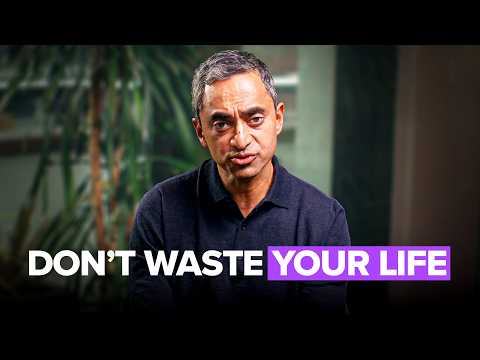
30 Years of Business Advice in 13 Minutes (from a Billionaire)
0
周明芬 posted on 2026/03/19Ever wondered how to build a successful business from scratch? This video dives into 30 years of invaluable advice from a billionaire founder, covering key lessons on lifelong learning, staying debt-free, and building resilience. You'll pick up practical tips and advanced vocabulary that are perfect for young professionals looking to level up their careers!
Learn this video on the APP!
The VoiceTube App has more in-depth practice for videos!