
affect
US /əˈfɛkt/
UK /ə'fekt/
- Transitive Verb
- To cause a change in something else
- To pretend to have or feel (something).
- Noun
- (Psychology) Emotion or feeling.
A2TOEICMoreagency
US /ˈedʒənsi/
UK /'eɪdʒənsɪ/
- Noun (Countable/Uncountable)
- Business that provides some service for others
B1TOEICMoreantibiotic
US /ˌæntibaɪˈɑ:tɪk/
UK /ˌæntibaɪˈɒtɪk/
- Adjective
- (Drug) used to fight certain kinds of diseases
- Noun
- Medicine that kills bacteria to fight infections
B1Moreat least
US /æt list/
UK /æt li:st/
- Adverb
- As a minimum
- Not less than
- Phrase
- No less than; at the minimum
- Used to indicate that something is positive in a bad situation.
C2Moreat risk
US
UK
- Phrase
- In danger; likely to be harmed
at the moment
US
UK
- Adverb
- At this time; now
A1Morebacterial
US /bæk'tɪərɪrl/
UK /bæk'tɪərɪəl/
- Adjective
- Concerning or caused by bacteria
B2Morecampus
US /ˈkæmpəs/
UK /'kæmpəs/
- Noun (plural)
- Grounds of an institution, e.g. a university
- Noun
- The grounds and buildings of a university or college.
- The grounds of a college or school.
B1Morechemistry
US /ˈkɛmɪstri/
UK /'kemɪstrɪ/
- Uncountable Noun
- The study of the structure of substances
B1Morecome along
US /kʌm əˈlɔŋ/
UK /kʌm əˈlɔŋ/
- Phrasal Verb
- To go with someone who takes the lead
- To make progress toward a goal
A1Morecommunity
US /kəˈmjunɪti/
UK /kə'mju:nətɪ/
- Noun (Countable/Uncountable)
- Group of people who share a common idea or area
- A feeling of fellowship with others, as a result of sharing common attitudes, interests, and goals.
- Adjective
- Relating to or shared by the people in a particular area.
- Shared or participated in by all members of a group
A2Moreconcern
US /kənˈsɚn/
UK /kənˈsɜ:n/
- Verb (Transitive/Intransitive)
- To be about a particular topic
- To have a direct impact on someone
- Noun (Countable/Uncountable)
- Company, firm or business
- Feeling of worry or anxiety
A2TOEICMoreconfirm
US /kənˈfɜ:rm/
UK /kənˈfɜ:m/
- Transitive Verb
- To formally approve or check something
- To provide evidence to establish the truth of
A2Moreconscience
US /ˈkɑnʃəns/
UK /'kɒnʃəns/
- Uncountable Noun
- Ability to sense what is right or wrong
B1Morecontact
US /ˈkɑnˌtækt/
UK /'kɒntækt/
- Adjective
- Touching or feeling something
- Noun (Countable/Uncountable)
- Touching or feeling something
- Object that allows electricity to run through it
A2Morecord
US /kɔrd/
UK /kɔ:d/
- Noun (Countable/Uncountable)
- A long strong material, thicker than string
- Electrical wire, covered in rubber or plastic
B1Morecorrespondent
US /ˌkɔrɪˈspɑndənt, ˌkɑr-/
UK /ˌkɒrəˈspɒndənt/
- Countable Noun
- Journalist, as one reporting from other countries
B1Moredevastation
US /ˌdevəˈsteɪʃn/
UK /ˌdevəˈsteɪʃn/
- Uncountable Noun
- Act of ruining or destroying something
- A feeling of being extremely shocked and sad.
B1Morediagnose
US /ˌdaɪəgˈnoʊs/
UK /ˈdaɪəgnəʊz/
- Transitive Verb
- To determine the cause of an illness or problem
B1Moredisease
US /dɪˈziz/
UK /dɪˈzi:z/
- Noun (Countable/Uncountable)
- Illness that affects a person, animal, or plant
- A disorder of structure or function in a plant, especially one caused by a pathogen.
- Transitive Verb
- To affect with disease; to corrupt or sicken.
A2TOEICMoredown the road
US
UK
- Phrase
- At a future time; in the future.
- Along the street; a short distance away.
A1Moredown with
US /daʊn wɪð/
UK /daun wið/
- Adjective
- Suffering from an illness.
- Agreeable to; in favor of.
- Interjection
- An expression of opposition to something.
A1Moreextremely
US /ɪk'strimlɪ/
UK /ɪkˈstri:mli/
- Adverb
- In a way that is much more than usual or expected
- Remarkably; unusually.
B1Morefever
US /ˈfivɚ/
UK /'fi:və(r)/
- Noun (Countable/Uncountable)
- A high body temperature, indicating illness
- State of excited emotion or activity
- Transitive Verb
- To cause to have a fever.
B1Moreflu
US /flu/
UK /flu:/
- Noun (Countable/Uncountable)
- Illness causing headache, fever etc.
- A specific instance or bout of influenza.
B2Morefor example
US
UK
- Phrase
- As an illustration or instance.
for now
US /fɔr naʊ/
UK /fɔ: nau/
- Phrase
- Temporarily; for the present time.
- In the short term; for the immediate future.
A1Moregenuinely
US /ˈdʒɛnjʊɪnlɪ/
UK /'dʒenjʊɪnlɪ/
- Adverb
- In a real, actual, not false or artificial way
- In a sincere and honest way.
A2Moregoing on
US /ˈɡoɪŋ ɑn/
UK /ˈgəʊɪŋ ɔn/
- Phrasal Verb
- To continue doing something
- To happen (usually negative)
A1Morehangover
US /ˈhæŋoʊvər/
UK /ˈhæŋəʊvə(r)/
- Noun
- Ill feeling from drinking too much alcohol
C1Moreheadache
US /ˈhed.eɪk/
UK /ˈhed.eɪk/
- Noun (Countable/Uncountable)
- Pain in the head
- Something that causes worry or annoyance.
B2Moreheartbreak
US /ˈhɑ:rtbreɪk/
UK /ˈhɑ:tbreɪk/
- Uncountable Noun
- Great sorrow caused by e.g. death of loved one
- Overwhelming distress caused by the end of a romantic relationship or the loss of a loved one.
C1Morein hospital
US /ɪn ˈhɑspɪtl/
UK /ɪn ˈhɒspɪtl/
- other
- Admitted to a hospital for treatment.
A2Moreinfection
US /ɪnˈfɛkʃən/
UK /ɪnˈfekʃn/
- Noun
- (Computers) Having a computer virus
- Making or becoming sick with a bacteria/virus
A2Moreinto perspective
US
UK
- Phrase
- To clarify or provide a broader understanding of a situation or issue.
- To show something is not as important as it seemed, compared to something else.
C1Moreisolate
US /ˈaɪsəˌlet/
UK /ˈaɪsəleɪt/
- Transitive Verb
- To identify, consider, or deal with separately
- To keep in a place or situation apart from others
B1Morelook at
US /lʊk æt/
UK /luk æt/
- Phrasal Verb
- To use your eyes to focus on something
- To focus your eyes on something carefully
A1Morelunchtime
US /ˈlʌntʃˌtaɪm/
UK /ˈlʌntʃtaɪm/
- Noun
- The time you eat your midday meal
- Adjective
- Relating to or happening during the time when lunch is eaten.
B2Moremeningitis
US /ˌmɛnɪnˈdʒaɪtɪs/
UK /ˌmenɪnˈdʒaɪtɪs/
- Uncountable Noun
- A serious illness affecting part of the brain
C1Moremoss
US /mɔs,mɑs/
UK /mɒs/
- Uncountable Noun
- Soft green plant which grows on trees and stones
B2Morenick
US /nɪk/
UK /nɪk/
- Noun
- Person's name
- Scratches caused by accidentally knocking
- Transitive Verb
- To make a scratch in
- To steal
B2Morenightclub
US /ˈnaɪtˌklʌb/
UK /ˈnaɪtklʌb/
- Countable Noun
- Place for drinking and dancing at night
B2Moreoccur
US /əˈkɚ/
UK /əˈkɜ:(r)/
- Intransitive Verb
- To come to pass or to happen
- To be found to exist; to be present.
A2TOEICMoreon air
US /ɑn er/
UK /ɔn eə(r)/
- Adverb
- Being broadcast on radio or television.
- Adjective
- Available or accessible to the public.
A2Moreon site
US /ɑn saɪt/
UK /ɔn sait/
- Adverb
- At the location of a particular activity or project.
- Present at a specific location for a particular purpose.
A1Moreoutbreak
US /ˈaʊtˌbrek/
UK /ˈaʊtbreɪk/
- Noun (Countable/Uncountable)
- Sudden occurrence of illness, discontent etc.
- A sudden occurrence of something unwelcome, such as war or disease.
B2Morepress down
US /prɛs daʊn/
UK /pres daun/
- Phrasal Verb
- To apply pressure to something with a pushing motion.
A1Moreprevent
US /prɪˈvɛnt/
UK /prɪ'vent/
- Transitive Verb
- To stop something from happening or existing
A2TOEICMorepupil
US /ˈpjupəl/
UK /ˈpju:pl/
- Countable Noun
- Someone who follows, is being taught by an artist
- Small, black round part of the middle of the eye
A2Morequeue
US /kju/
UK /kju:/
- Noun (Countable/Uncountable)
- Line of people or cars waiting for something
- A list of data items, jobs, etc., stored so as to be retrievable in a definite order, usually the order of insertion.
- Intransitive Verb
- To wait in a line.
B1Morerash
US /ræʃ/
UK /ræʃ/
- Adjective
- Without much thought; done or acting too quickly
- Noun
- Series of many negative events in a short time
- Skin condition of raised red spots
B2Moreremain
US /rɪˈmen/
UK /rɪˈmeɪn/
- Intransitive Verb
- To be left behind; to continue to exist
- To stay in a place when other people have gone
A2TOEICMoresecurity
US /sɪˈkjʊrɪti/sə'kjurətɪ/
UK /sɪ'kjʊərətɪ/
- Noun
- Department in a company in charge of protection
- Financial document, like stocks, bonds and notes
A2TOEICMoresincere
US /sɪnˈsɪr/
UK /sɪn'sɪə(r)/
- Adjective
- Meaning what you say truthfully; honest
A2TOEICMorespinal
US /ˈspaɪnəl/
UK /ˈspaɪnl/
- Adjective
- Concerning the spine or nerves in your back
B1Morespread
US /sprɛd/
UK /spred/
- Noun (Countable/Uncountable)
- A big meal, often laid out as a buffet
- The distance between two things
- Verb (Transitive/Intransitive)
- To place over a large area; to cover a large area
- (Of ideas, gossip) to pass to and affect others
A2TOEICMorestiff
US /stɪf/
UK /stɪf/
- Noun
- Slang term for a dead body
- Adjective
- Frozen still due to fear or anger
- Not able to be bent
B1Morestrain
US /stren/
UK /streɪn/
- Transitive Verb
- To remove the water from (food) using a colander
- To injure a muscle, leg etc. by using it too much
- Noun (Countable/Uncountable)
- Injury to a muscle, leg etc. through overuse
- Type or variation of a disease or bacillus
B2Moresuch as
US /sʌtʃ æz/
UK /sʌtʃ æz/
- Preposition
- For example; like
A1Moretalking about
US
UK
- Phrasal Verb
- To discuss a particular topic.
- To be constantly mentioning or bringing up a subject.
A1Morethanks to
US /θæŋks tu/
UK /θæŋks tu:/
- Preposition
- Because of; as a result of.
A1Moreuntil further notice
US /ənˈtɪl ˈfɝðɚ ˈnoʊtɪs/
UK /ənˈtil ˈfɜ:ðə ˈnəutɪs/
- other
- Up to an unknown time in the future when more information is given.
B1Morevaccination
US /ˌvæksəˈneʃən/
UK /ˌvæksɪ'neɪʃn/
- Noun (Countable/Uncountable)
- Type of injection to prevent getting a disease
B2TOEICMorevaccine
US /vækˈsin,ˈvækˌsin/
UK /'væksi:n/
- Noun (Countable/Uncountable)
- Shot using weak disease cells to stop same disease
- A preparation of weakened or killed microorganisms, or of antigenic proteins derived from them, used to induce protective immunity in animals.
B2Morevomit
US /ˈvɑ:mɪt/
UK /ˈvɒmɪt/
- Noun (Countable/Uncountable)
- Food coming back up from stomach, due to illness
- Verb (Transitive/Intransitive)
- To bring (blood, etc.) up and out of mouth
B2Morework at
US /wɚk æt/
UK /wə:k æt/
- Phrasal Verb
- To have a job at a particular place or organization.
- To make an effort to improve something.
A1Morework out
US /wɚk aʊt/
UK /wə:k aut/
- Phrasal Verb
- To find a way to do something, by thinking
A1More
Vocabulary
- in hospital: Admitted to a hospital for treatment.
- on site: At the location of a particular activity or project.
- at least: As a minimum
- look at: To use your eyes to focus on something
- down the road: At a future time; in the future.
- come along: To go with someone who takes the lead
- going on: To continue doing something
- until further notice: Up to an unknown time in the future when more information is given.
- such as: For example; like
- down with: Suffering from an illness.
- press down: To apply pressure to something with a pushing motion.
- for now: Temporarily; for the present time.
- at the moment: At this time; now
- work at: To have a job at a particular place or organization.
- work out
- for example: As an illustration or instance.
- at risk: In danger; likely to be harmed
- talking about: To discuss a particular topic.
- on air: Being broadcast on radio or television.
- thanks to: Because of; as a result of.
- into perspective: To clarify or provide a broader understanding of a situation or issue.
- sort: To organize things by putting them into groups
- extremely: In a way that is much more than usual or expected
- genuinely: In a real, actual, not false or artificial way
- treat: To pay for the food or enjoyment of someone else
- sense: Certain mental feeling or emotion
- strain: To remove the water from (food) using a colander
- community: Group of people who share a common idea or area
- disease: Illness that affects a person, animal, or plant
- spread: A big meal, often laid out as a buffet
- prevent: To stop something from happening or existing
- contract: To become ill as a result of getting a disease
- affect: To cause a change in something else
- brain: To strike someone forcefully on the head
- occur: To come to pass or to happen
- concern: To be about a particular topic
- remain: To be left behind; to continue to exist
- vomit: Food coming back up from stomach, due to illness
- contact: Touching or feeling something
- security: Department in a company in charge of protection
- vaccine: Shot using weak disease cells to stop same disease
- hangover: Ill feeling from drinking too much alcohol
- stiff: Slang term for a dead body
- risk: To do something potentially dangerous or foolish
- agency: Business that provides some service for others
- outbreak: Sudden occurrence of illness, discontent etc.
- infection: (Computers) Having a computer virus
- correspondent: Journalist, as one reporting from other countries
- queue: Line of people or cars waiting for something
- sincere: Meaning what you say truthfully; honest
- diagnose: To determine the cause of an illness or problem
- conscience: Ability to sense what is right or wrong
- chemistry: The study of the structure of substances
- staff: Employees of a company
- confirm: To formally approve or check something
- campus: Grounds of an institution, e.g. a university
- fever: A high body temperature, indicating illness
- pupil: Someone who follows, is being taught by an artist
- turn: To become (a particular age)
- mistake: Something done wrong/calculated wrong; error
- antibiotic: (Drug) used to fight certain kinds of diseases
- include: To make someone, something part of a group
- cord: A long strong material, thicker than string
- devastation: Act of ruining or destroying something
- isolate: To identify, consider, or deal with separately
- area: Amount of measured space
- disappear: To no longer see because it's not there any more
- feel: To be aware of or experience an emotion, sensation
- university: High-level educational institution; college
- problem: Something difficult to deal with or causes trouble
- rash: Without much thought; done or acting too quickly
- spinal: Concerning the spine or nerves in your back
- vaccination: Type of injection to prevent getting a disease
- headache: Pain in the head
- flu: Illness causing headache, fever etc.
- bacterial: Concerning or caused by bacteria
- moss: Soft green plant which grows on trees and stones
- nick: Person's name
- heartbreak: Great sorrow caused by e.g. death of loved one
- meningitis: A serious illness affecting part of the brain
- lunchtime: The time you eat your midday meal
- nightclub: Place for drinking and dancing at night
Get the full experience in the app
Learn anywhere with detailed sentence and usage analysis
01:03
She took a brave step forward, leaving behind her comfort zone to chase her dreams.
Vocabulary
- brave
adj. Having courage
- comfort zone
phr. A familiar situation where one feels safe
Explanation
a brave step is a noun phrase, where brave is an adjective modifying the noun step, meaning "a courageous step".
forward is an adverb modifying step, meaning "ahead".
The whole phrase serves as the object, answering the "what" of took (verb) — she took a brave step forward.
Get the full experience in the app
Look up words anytime with pronunciation, part of speech, and usage
brave
US/brev/
UK/breɪv/
adj.Brave
v.t.To bravely face
A2 Elementary
Get the full experience in the app
Practice speaking anytime and get instant pronunciation feedback
Try this speaking exercise.
Try practicing with this sentence.
80
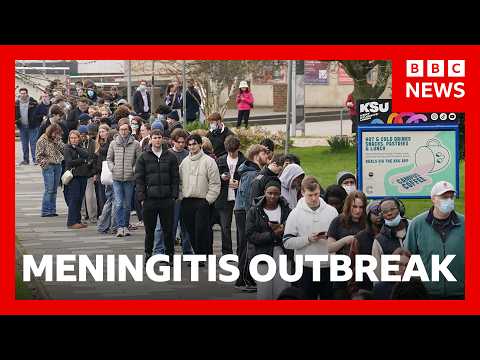
Two people dead after meningitis outbreak in Kent, England | BBC News
0
林宜悉 posted on 2026/03/16Worried about meningitis? This news report dives into a real-life outbreak at the University of Kent, explaining crucial symptoms and the public health response. You'll pick up advanced vocabulary related to health and learn practical phrases for discussing urgent situations!
Learn this video on the APP!
The VoiceTube App has more in-depth practice for videos!