
amuse
US /əˈmjuz/
UK /ə'mju:z/
- Transitive Verb
- To make someone laugh by entertaining them
B2Moreancient
US /ˈenʃənt/
UK /'eɪnʃənt/
- Adjective
- Very old; having lived a very long time ago
- Relating to a period in history, especially in the distant past.
- Noun
- A person who lived in ancient times.
A2Morearchaeologist
US /ˌɑrkɪˈɑlədʒɪst/
UK /ˌɑ:kiˈɒlədʒɪst/
- Countable Noun
- Scientist studying ancient societies
C1Moreat once
US /æt wʌns/
UK /æt wʌns/
- Adverb
- Immediately; without delay
- At the same time; simultaneously
A2Morechemical
US /ˈkɛmɪkəl/
UK /ˈkemɪkl/
- Noun (Countable/Uncountable)
- Basic substance produced by mixing elements
- The branch of science concerned with the substances of which matter is composed, the investigation of their properties and reactions, and the use of such reactions to form new substances.
- Adjective
- Made of various elements
A2Moredelight
US /dɪˈlaɪt/
UK /dɪ'laɪt/
- Uncountable Noun
- Strong feeling of great pleasure
- Transitive Verb
- To give someone pleasure or joy
B1Moredocument
US /ˈdɑkjəmənt/
UK /'dɒkjʊmənt/
- Noun (Countable/Uncountable)
- Official (printed) record that gives information
- Transitive Verb
- To support an opinion with recorded evidence
A2TOEICMoreexcavate
US /ˈɛkskəˌvet/
UK /ˈekskəveɪt/
- Transitive Verb
- To dig holes in the ground to discover something
B1Moreexcrement
US /ˈɛkskrəmənt/
UK /ˈekskrɪmənt/
- Uncountable Noun
- Waste matter discharged from the body; feces
C1Moreextraordinary
US /ɪkˈstrɔ:rdəneri/
UK /ɪkˈstrɔ:dnri/
- Adjective
- Beyond what is ordinary; very unusual; remarkable
- Additional to or different from what is usual or regular.
B1TOEICMoreidentify
US /aɪˈdɛntəˌfaɪ/
UK /aɪ'dentɪfaɪ/
- Transitive Verb
- To indicate who or what someone or something is
- To say exactly what something is
B1TOEICMorein fact
US /ɪn fækt/
UK /in fækt/
- Adverb
- Used to emphasize the truth of a statement, especially one that contrasts with or contradicts something else.
- Used to introduce a more detailed or surprising piece of information.
- Phrase
- Used to emphasize the truth of a statement, especially one that is surprising or contrary to what might be expected.
C1Moreinflammation
US /ˌɪnfləˈmeʃən/
UK /ˌɪnfləˈmeɪʃn/
- Noun (Countable/Uncountable)
- Painful swelling in the body due to illness
- A condition in which a part of the body becomes reddened, swollen, hot, and often painful, especially as a reaction to injury or infection.
B2Moreingredient
US /ɪnˈɡridiənt/
UK /ɪnˈgri:diənt/
- Noun (Countable/Uncountable)
- Food item used when making a meal or drink
- Quality necessary to be something to work well
B1TOEICMoreinvolve
US /ɪnˈvɑlv/
UK /ɪn'vɒlv/
- Transitive Verb
- To have or be included as a part of something
- To cause (a person or group) to take part in an event or activity.
A2TOEICMoremedicine
US /ˈmɛdɪsɪn/
UK /ˈmedsn/
- Noun (Countable/Uncountable)
- Something used in treating illness or pain
- Science of preventing, treating, or curing disease
A2TOEICMoremuseum
US /mjuˈziəm/
UK /mjuˈzi:əm/
- Countable Noun
- Building to display art/science/history objects
A2Moreperfume
US /pərˈfju:m/
UK /ˈpɜ:fju:m/
- Noun (Countable/Uncountable)
- Liquid with a pleasing smell you put on your skin
- Nice, sweet or flowery smell
- Transitive Verb
- To add a pleasing smell to something
B1Morephysician
US /fɪˈzɪʃən/
UK /fɪˈzɪʃn/
- Countable Noun
- A medical doctor
B2Morepoop
US /pup/
UK /pu:p/
- Uncountable Noun
- Feces
- Intransitive Verb
- To defecate
C2Morepractice
US /ˈpræktɪs/
UK /'præktɪs/
- Noun
- The office and place for legal or medical work
- Doing something many times to become better at it
- Verb (Transitive/Intransitive)
- To work as a doctor or lawyer
- To live according to the teachings of a religion
A2TOEICMorepreviously
US /ˈprivɪəslɪ/
UK /'pri:vɪəslɪ/
- Adverb
- At an earlier time
- In the past; formerly.
B1TOEICMoreprovince
US /ˈprɑvɪns/
UK /'prɒvɪns/
- Noun
- Subject that a person has a good knowledge of
- Area a country is divided into outside the capital
B1Morerecommend
US /ˌrɛkəˈmɛnd/
UK /ˌrekə'mend/
- Transitive Verb
- To advise or suggest that someone do something
- To endorse or support something publicly.
A2TOEICMorerecover
US /rɪ'kʌvər/
UK /rɪ'kʌvə(r)/
- Verb (Transitive/Intransitive)
- To return to a prior normal condition
- To get back something that was lost
A2TOEICMorerefer
US /rɪˈfɚ/
UK /rɪ'fɜ:(r)/
- Verb (Transitive/Intransitive)
- To talk about or write about something
- To give information about something
A2TOEICMorerenowned
US /rɪˈnaʊnd/
UK /rɪˈnaʊnd/
- Adjective
- Widely known and esteemed
B2TOEICMoreresidue
US /ˈrezɪdu:/
UK /ˈrezɪdju:/
- Noun (Countable/Uncountable)
- Left over part after most is taken away
B2Morescientifically
US /ˌsaɪən'tɪfɪklɪ/
UK /ˌsaɪən'tɪfɪklɪ/
- Adverb
- In an manner that follows the rules of science
B1Moreskin
US /skɪn/
UK /skɪn/
- Transitive Verb
- To defeat someone easily and completely
- To hurt yourself, accidentally cutting yourself
- Noun
- Outer covering of an animal used for leather; hide
- Outer covering of a fruit or vegetable
A2Moresmell
US /smɛl/
UK /smel/
- Intransitive Verb
- To have a particular odor
- Transitive Verb
- To sense that something is not right
- To notice a particular odor
A2Morespecialize
US /ˈspɛʃəˌlaɪz/
UK /ˈspeʃəlaɪz/
- Verb (Transitive/Intransitive)
- To focus on one area of a field or profession
- To change to fit your environment
A2TOEICMoresubstance
US /ˈsʌbstəns/
UK /'sʌbstəns/
- Uncountable Noun
- Essence of; most basic or central qualities
- Particular type of material
A2Moresurvive
US /sɚˈvaɪv/
UK /sə'vaɪv/
- Intransitive Verb
- To continue to live despite illness or trouble
A2TOEICMorethyme
US /taɪm/
UK /taɪm/
- Noun (Countable/Uncountable)
- Type of herb with a slightly minty flavor
C1Moretrace
US /tres/
UK /treɪs/
- Transitive Verb
- To make an outline to determine a shape
- To find someone or something that has disappeared
- Uncountable Noun
- Very small quantity of something
- A mark or other sign of the former presence or passage of something.
B1Moreturkey
US /ˈtɜ:rki/
UK /ˈtɜ:ki/
- Countable Noun
- Edible bird resembling a large chicken
- Proper Noun
- the Republic of Türkiye, this nation sits at the crossroads of Europe and Asia
C1Moreunusual
US /ʌnˈjuʒuəl/
UK /ʌnˈju:ʒuəl/
- Adjective
- Being rare or uncommon; not ordinary; strange
- Remarkable or interesting because different from or better than others.
B1Moreused to
US /juzd tu/
UK /ˈju:st tə/
- Adjective
- Did regularly before, but don't do now
- Auxiliary Verb
- Have done before, but do not do now
A1Morevial
US /ˈvaɪəl/
UK /'vaɪəl/
- Countable Noun
- Small container of glass or plastic
C1More
Vocabulary
- used to: Did regularly before, but don't do now
- at once: Immediately; without delay
- in fact: Used to emphasize the truth of a statement, especially one that contrasts with or contradicts something else.
- extraordinary: Beyond what is ordinary; very unusual; remarkable
- present: Being in attendance; being there; having turned up
- recommend: To advise or suggest that someone do something
- evidence: Factual proof that helps to establish the truth
- practice: The office and place for legal or medical work
- ingredient: Food item used when making a meal or drink
- ancient: Very old; having lived a very long time ago
- experience: Thing a person has done or that happened to them
- expect: To believe something is probably going to happen
- identify: To indicate who or what someone or something is
- substance: Essence of; most basic or central qualities
- inflammation: Painful swelling in the body due to illness
- renowned: Widely known and esteemed
- refer: To talk about or write about something
- apply: To spread a substance or liquid over a surface
- involve: To have or be included as a part of something
- survive: To continue to live despite illness or trouble
- suggest: To mention something that could be done; propose
- previously: At an earlier time
- trace: To make an outline to determine a shape
- document: Official (printed) record that gives information
- chemical: Basic substance produced by mixing elements
- delight: Strong feeling of great pleasure
- fact: Something that is known or proved to be true
- residue: Left over part after most is taken away
- physician: A medical doctor
- poop: Feces
- province: Subject that a person has a good knowledge of
- unusual: Being rare or uncommon; not ordinary; strange
- hold: To agree to keep something for someone
- area: Amount of measured space
- scientifically: In an manner that follows the rules of science
- perfume: Liquid with a pleasing smell you put on your skin
- side: To decide to agree with one point, not the other
- work: The product of some artistic or literary endeavor
- specialize: To focus on one area of a field or profession
- human: A person; a man, woman or child
- design: To plan in a particular way to fulfill a purpose
- fight: To argue or quarrel with someone about something
- excrement: Waste matter discharged from the body; feces
- time: Speed at which music is played; tempo
- medicine: Something used in treating illness or pain
- recover: To return to a prior normal condition
- thyme: Type of herb with a slightly minty flavor
- smell: To have a particular odor
- museum: Building to display art/science/history objects
- skin: To defeat someone easily and completely
- archaeologist: Scientist studying ancient societies
- amuse: To make someone laugh by entertaining them
- turkey: Edible bird resembling a large chicken
- excavate: To dig holes in the ground to discover something
- vial: Small container of glass or plastic
Get the full experience in the app
Learn anywhere with detailed sentence and usage analysis
01:03
She took a brave step forward, leaving behind her comfort zone to chase her dreams.
Vocabulary
- brave
adj. Having courage
- comfort zone
phr. A familiar situation where one feels safe
Explanation
a brave step is a noun phrase, where brave is an adjective modifying the noun step, meaning "a courageous step".
forward is an adverb modifying step, meaning "ahead".
The whole phrase serves as the object, answering the "what" of took (verb) — she took a brave step forward.
Get the full experience in the app
Look up words anytime with pronunciation, part of speech, and usage
brave
US/brev/
UK/breɪv/
adj.Brave
v.t.To bravely face
A2 Elementary
Get the full experience in the app
Practice speaking anytime and get instant pronunciation feedback
Try this speaking exercise.
Try practicing with this sentence.
80
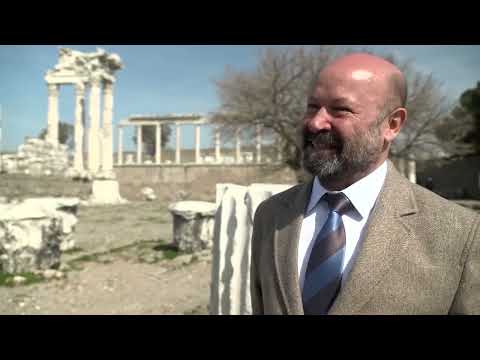
Healing poop: Evidence shows feces used in ancient Roman medicine
0
林宜悉 posted on 2026/03/13You won't believe what ancient Romans used for medicine! This video dives into surprising historical evidence of fecal remedies and ancient perfumes, perfect for boosting your knowledge and picking up some fascinating advanced vocabulary. Get ready for a deep dive into cultural history and medical mysteries!
Learn this video on the APP!
The VoiceTube App has more in-depth practice for videos!