
affect
US /əˈfɛkt/
UK /ə'fekt/
- Transitive Verb
- To cause a change in something else
- To pretend to have or feel (something).
- Noun
- (Psychology) Emotion or feeling.
A2TOEICMoreat least
US /æt list/
UK /æt li:st/
- Adverb
- As a minimum
- Not less than
- Phrase
- No less than; at the minimum
- Used to indicate that something is positive in a bad situation.
C2Moreat risk
US
UK
- Phrase
- In danger; likely to be harmed
benign
US /bɪˈnaɪn/
UK /bɪˈnaɪn/
- Adjective
- (Of cancer) not harmful or too serious
- Kind and gentle
C1TOEICMorebond
US /bɑnd/
UK /bɒnd/
- Noun (Countable/Uncountable)
- Rope, chain or other thing used to tie someone up
- Closeness that is shared between people or groups
- Verb (Transitive/Intransitive)
- To develop a close relationship with
- To become joined or connected, e.g. using glue
A2TOEICMorebuffer
US /ˈbʌfɚ/
UK /ˈbʌfə(r)/
- Noun (Countable/Uncountable)
- Data in computer memory allowing fast access
- Protection to prevent things mixing
- Transitive Verb
- To store data in special memory for fast access
- To protect a thing by separating it from
B2Morecapital
US /ˈkæpɪtl/
UK /'kæpɪtl/
- Noun
- Writing the first letter of a word in big letters
- Official main city of a country, province or state
- Adjective
- Main, or major
- (Of an offense) liable to the death penalty.
A2Morecinder
US /ˈsɪndɚ/
UK /ˈsɪndə(r)/
- Noun
- Piece of burnt wood/coal that is still warm
C1Moreconcern
US /kənˈsɚn/
UK /kənˈsɜ:n/
- Verb (Transitive/Intransitive)
- To be about a particular topic
- To have a direct impact on someone
- Noun (Countable/Uncountable)
- Company, firm or business
- Feeling of worry or anxiety
A2TOEICMoreconflict
US /ˈkɑnˌflɪkt/
UK /'kɒnflɪkt/
- Noun (Countable/Uncountable)
- Argument or struggle between two or more parties
- A serious disagreement or argument.
- Verb (Transitive/Intransitive)
- To have opposite ideas; to disagree; To not match
A2Moreconstraint
US /kənˈstrent/
UK /kənˈstreɪnt/
- Noun (Countable/Uncountable)
- Thing preventing you moving or acting; restriction
B1Morecrude
US /krud/
UK /kru:d/
- Adjective
- Lacking manners or finesse; rude
B1Morecurrency
US /ˈkɚrənsi, ˈkʌr-/
UK /'kʌrənsɪ/
- Uncountable Noun
- Widespread acceptance
- Money system that a country uses
B1Morecurrent
US /ˈkɚrənt, ˈkʌr-/
UK /'kʌrənt/
- Uncountable Noun
- Electricity flowing through wires
- Movement of water in a river, or air in the sky
- Adjective
- Happening or being in the present time
- In general use or accepted by most people.
A2Moredeficit
US /ˈdɛfɪsɪt/
UK /ˈdefɪsɪt/
- Noun (Countable/Uncountable)
- Amount less than what is needed or required
- The amount by which expenditure or liabilities exceed income or assets.
B1Moredistribution
US /ˌdɪstrəˈbjuʃən/
UK /ˌdɪstrɪˈbju:ʃn/
- Noun (Countable/Uncountable)
- Dividing or spreading out to others
- Act of sending products to stores to sell
- Adjective
- Sending products to stores to sell
B1Moreduration
US /duˈreɪʃn/
UK /djuˈreɪʃn/
- Uncountable Noun
- Length of time that something lasts
B1TOEICMoreexcess
US /ˈɛkˌsɛs/
UK /ɪkˈses/
- Noun (Countable/Uncountable)
- Amount that is more than necessary or over a limit
- An extra amount.
- Verb (Transitive/Intransitive)
- To be more than or go beyond.
B1Moreexternal
US /ɪkˈstɚnəl/
UK /eksˈtə:nl/
- Adjective
- Concerning foreign countries
- Concerning the outside of something; outer
A2Morefavorable
US /ˈfevərəbəl, ˈfevrə-/
UK /'feɪvərəbl/
- Adjective
- When a good result or positive outcome is likely
B2TOEICMorefiscal
US /ˈfɪskəl/
UK /ˈfɪskl/
- Adjective
- Concerning government spending and taxing
B2TOEICMorefor sure
US /fɔr ʃʊr/
UK /fɔ: ʃuə/
- Adverb
- Definitely; certainly; without a doubt.
- Used to emphasize a statement.
- Interjection
- An expression of strong agreement or affirmation.
A2Morefor the rest
US /fɔr ði rɛst/
UK /fɔ: ðə rest/
- Phrase
- Concerning the remaining people or things.
- During the remaining part of a period of time.
A1Moreget past
US /ɡɛt pæst/
UK /ɡet pɑːst/
- Phrasal Verb
- To overcome an obstacle or difficulty.
- To move beyond someone or something that is blocking your way.
A1Moreget through
US /ɡɛt θru/
UK /ɡet θru:/
- Phrasal Verb
- To arrive at the end of or finish something
- To succeed in contacting someone by phone
A1Morego beyond
US /ɡo biˈɑnd/
UK /ɡəu biˈjɔnd/
- Phrasal Verb
- To do more than planned or expected; exceed
A1Morego on
US /ɡo ɑn/
UK /ɡəu ɔn/
- Phrasal Verb
- To continue doing something
- To happen (usually negative)
- Interjection
- Used to encourage someone
A1Moregravitational
US /ˌɡrævɪˈteɪʃənl/
UK /ˌgrævɪˈteɪʃənl/
- Adjective
- Concerning the force of gravity
C1Morehave to
US /hæv tu/
UK /ˈhæv tə/
- Auxiliary Verb
- Must do
A1Moreimpact
US /ˈɪmˌpækt/
UK /'ɪmpækt/
- Noun
- A striking effect or result to hit with force
- Act or force of one thing hitting something else
- Verb (Transitive/Intransitive)
- To hit or strike someone or something with force
- To have a strong effect on someone or something.
A2TOEICMorein point
US /ɪn pɔɪnt/
UK /in pɔint/
- Adjective
- Relevant; pertinent
A2Morein terms of
US
UK
- Phrase
- With regard to; concerning a particular aspect.
A1Moreinflation
US /ɪnˈfleʃən/
UK /ɪn'fleɪʃn/
- Noun (Countable/Uncountable)
- Act of filling something with air or gas
- Continual rise in the prices of products
B1TOEICMoreintervene
US /ˌɪntərˈvi:n/
UK /ˌɪntəˈvi:n/
- Intransitive Verb
- To get involved to try to prevent trouble
- To interrupt a situation, argument, etc.
B1Moreissue
US /ˈɪʃu/
UK /'ɪʃu:/
- Transitive Verb
- To make something available to be used or sold
- To deliver a statement, etc. in an official manner
- Noun (Countable/Uncountable)
- Important topic discussed, debated or argued over
- Single edition of a magazine
A2TOEICMorejuggle
US /ˈdʒʌɡəl/
UK /ˈdʒʌgl/
- Verb (Transitive/Intransitive)
- To entertain by throwing and catching balls, etc.
B2Morelet up
US /lɛt ʌp/
UK /let ʌp/
- Phrasal Verb
- To do something more slowly or less intensely
- Intransitive Verb
- To become less strong; to weaken or abate.
A1Morelinger
US /ˈlɪŋɡɚ/
UK /ˈlɪŋgə(r)/
- Intransitive Verb
- To take your time doing something; hang around
B2Morelook at
US /lʊk æt/
UK /luk æt/
- Phrasal Verb
- To use your eyes to focus on something
- To focus your eyes on something carefully
A1Morelook through
US
UK
- Phrasal Verb
- To examine carefully to see what is there
- To search for something among a collection of things.
A1Moremechanically
US /mɪˈkænɪkəlɪ/
UK /mə'kænɪklɪ/
- Adverb
- In a machine-like manner; without feeling
- By or like the use of machines; automatically
B1Morenonlinear
US /nɑnˈlɪniɚ/
UK /'nɒn'lɪnɪəl/
- Adjective
- Not in a line or straight progression
C2Moreof course
US /ʌv kɔː(r)s/
UK /ɔv kɔː(r)s/
- Adverb
- Sure ; Certainly
- Phrase
- For sure; certainly
A2Moreon impact
US
UK
- Phrase
- Immediately upon collision or forceful contact.
- Relating to the effect or influence of something.
A1Morepandemic
US /pænˈdɛmɪk/
UK /pæn'demɪk/
- Adjective
- (of a disease) existing in almost all of an area or in almost all of a group of people, animals, or plants
- Noun
- a pandemic disease
C2Morepre
US
UK
- Prefix
- A prefix meaning 'before'
B2Moreprecisely
US /prɪˈsaɪsli/
UK /prɪˈsaɪsli/
- Adverb
- In an exact and accurate manner
- (Emphasizes that a statement is totally correct)
B1TOEICMoreprone
US /proʊn/
UK /prəʊn/
- Adjective
- Lying flat with your head facing the ground
- Likely to have, do or be (usually something bad)
B2TOEICMorepurchase
US
UK
- Transitive Verb
- To buy something; to get by paying money for it
- Noun (Countable/Uncountable)
- Something that you bought
- Strong hold on something; grip
A2TOEICMorequestionable
US /ˈkwɛstʃənəbəl/
UK /ˈkwestʃənəbl/
- Adjective
- Not likely to be right or true; doubtful
B1Morereflect
US /rɪˈflɛkt/
UK /rɪ'flekt/
- Verb (Transitive/Intransitive)
- To indicate or be a sign of something
- To bounce back light, heat, sound from a surface
A2TOEICMoreregion
US /ˈridʒən/
UK /'ri:dʒən/
- Noun (Countable/Uncountable)
- Part of a country, of the world, area, etc.
- A part of the body
A2TOEICMorerely
US /rɪˈlaɪ/
UK /rɪ'laɪ/
- Intransitive Verb
- Depend on with full trust or confidence
- To trust or have confidence in someone.
B2TOEICMoreremain
US /rɪˈmen/
UK /rɪˈmeɪn/
- Intransitive Verb
- To be left behind; to continue to exist
- To stay in a place when other people have gone
A2TOEICMorerepresent
US /ˌrɛprɪˈzɛnt/
UK /ˌreprɪ'zent/
- Transitive Verb
- To depict art objects, figures, scenes; to portray
- To show or describe something in a particular way
A2TOEICMoreshut down
US /ʃʌt daʊn/
UK /ʃʌt daun/
- Phrasal Verb
- To close an operating system, e.g. on a computer
- To stop a factory/machine from operating
- Transitive Verb
- To deactivate a nuclear reactor.
- To turn off a computer or other electronic device.
A2Moresift through
US
UK
- Phrasal Verb
- To examine something very carefully in order to find something important or useful.
A2Moresit back
US /sit bæk/
UK /sit bæk/
- Phrasal Verb
- To relax and take it easy.
- To refrain from taking action or getting involved.
A1Moreslack
US /slæk/
UK /slæk/
- Uncountable Noun
- Condition of being looser or not tight
- Adjective
- Doing something poorly; not making enough effort
B2TOEICMoresqueeze
US /skwiz/
UK /skwi:z/
- Noun (Countable/Uncountable)
- Amount of liquid from firmly pressing e.g. orange
- Act of putting pressure on, as to get liquid out
- Transitive Verb
- To force or threaten someone to give you something
- To strongly compress something to get liquid out
C1Moresticky
US /ˈstɪki/
UK /ˈstɪki/
- Adjective
- Easy to adhere or stick to other things
- (Of weather/a day) uncomfortably hot and humid
B1Morestrait
US /stret/
UK /streɪt/
- Noun
- Channel joining large bodies of water
C2Moresurplus
US /ˈsɚpləs, -ˌplʌs/
UK /ˈsɜ:pləs/
- Adjective
- More than is needed or wanted
- Noun (Countable/Uncountable)
- Extra amount of something above what you need
- The amount by which income or receipts exceed outlays or expenditure.
B1TOEICMoresustain
US /səˈsten/
UK /sə'steɪn/
- Transitive Verb
- To lengthen or continue to do something
- To support or maintain someone or something
B2TOEICMoresustainable
US /səˈsteɪnəbl/
UK /səˈsteɪnəbl/
- Adjective
- Capable of continuing for a long time
- Able to be maintained without running out of
B2Moretalking about
US
UK
- Phrasal Verb
- To discuss a particular topic.
- To be constantly mentioning or bringing up a subject.
A1Moretransmission
US /trænsˈmɪʃən, trænz-/
UK /trænsˈmɪʃn/
- Noun
- Part of car including gears affecting speed of car
- Electronic signal sent by radio waves; broadcast
B1Moretricky
US /ˈtrɪki/
UK /'trɪkɪ/
- Adjective
- Difficult, so needing skill to do or deal with
- Likely to use tricks; dishonest or deceptive
A2Moreup there
US /ʌp ðɛr/
UK /ʌp ðɛə/
- Adverb
- In or to a higher place or position; far away.
- In heaven.
A1Moreway to go
US /we tu ɡo/
UK /wei tu: ɡəu/
- Interjection
- An expression of encouragement or approval.
- An expression of sarcasm after someone has made a mistake.
A1More
Vocabulary
- of course: Sure ; Certainly
- get through: To arrive at the end of or finish something
- look through: To examine carefully to see what is there
- at least: As a minimum
- have to: Must do
- go on: To continue doing something
- shut down: To close an operating system, e.g. on a computer
- go beyond: To do more than planned or expected; exceed
- for sure: Definitely; certainly; without a doubt.
- in terms of
- let up: To do something more slowly or less intensely
- on impact: Immediately upon collision or forceful contact.
- get past: To overcome an obstacle or difficulty.
- look at: To use your eyes to focus on something
- way to go: An expression of encouragement or approval.
- for the rest: Concerning the remaining people or things.
- talking about: To discuss a particular topic.
- at risk: In danger; likely to be harmed
- in point: Relevant; pertinent
- up there: In or to a higher place or position; far away.
- sift through: To examine something very carefully in order to find something important or useful.
- sit back: To relax and take it easy.
- pandemic: (of a disease) existing in almost all of an area or in almost all of a group of people, animals, or plants
- matter: To be of great importance; to count
- term: Conditions applying to an agreement, contract
- impact: A striking effect or result to hit with force
- prone: Lying flat with your head facing the ground
- tricky: Difficult, so needing skill to do or deal with
- conflict: Argument or struggle between two or more parties
- sustainable: Capable of continuing for a long time
- develop: To explain something in steps and in detail
- squeeze: Amount of liquid from firmly pressing e.g. orange
- represent: To depict art objects, figures, scenes; to portray
- current: Electricity flowing through wires
- environment: Natural world in which plants and animals live
- reflect: To indicate or be a sign of something
- bond: Rope, chain or other thing used to tie someone up
- precisely: In an exact and accurate manner
- currency: Widespread acceptance
- affect: To cause a change in something else
- issue: To make something available to be used or sold
- concern: To be about a particular topic
- capital: Writing the first letter of a word in big letters
- sustain: To lengthen or continue to do something
- excess: Amount that is more than necessary or over a limit
- remain: To be left behind; to continue to exist
- inflation: Act of filling something with air or gas
- external: Concerning foreign countries
- region: Part of a country, of the world, area, etc.
- purchase: To buy something; to get by paying money for it
- effect: An advantage, benefit
- account: An advantage
- deficit: Amount less than what is needed or required
- risk: To do something potentially dangerous or foolish
- provide: To make available; to supply for use
- linger: To take your time doing something; hang around
- economy: Using money, resources in a careful, effective way
- rely: Depend on with full trust or confidence
- surplus: More than is needed or wanted
- distribution: Dividing or spreading out to others
- duration: Length of time that something lasts
- benign: (Of cancer) not harmful or too serious
- sticky: Easy to adhere or stick to other things
- crude: Lacking manners or finesse; rude
- question: To ask for or try to get information
- intervene: To get involved to try to prevent trouble
- strait: Channel joining large bodies of water
- gravitational: Concerning the force of gravity
- slack: Condition of being looser or not tight
- start: First time or place that a thing exists; beginning
- transmission: Part of car including gears affecting speed of car
- fiscal: Concerning government spending and taxing
- country: An area of land that is controlled by a government
- constraint: Thing preventing you moving or acting; restriction
- juggle: To entertain by throwing and catching balls, etc.
- buffer: Data in computer memory allowing fast access
- strong: (Of tea or beer) dark or thick
- forget: To not remember something
- long: Person's name
- favorable: When a good result or positive outcome is likely
- questionable: Not likely to be right or true; doubtful
- pre: A prefix meaning 'before'
- cinder: Piece of burnt wood/coal that is still warm
- mechanically: In a machine-like manner; without feeling
- nonlinear: Not in a line or straight progression
Get the full experience in the app
Learn anywhere with detailed sentence and usage analysis
01:03
She took a brave step forward, leaving behind her comfort zone to chase her dreams.
Vocabulary
- brave
adj. Having courage
- comfort zone
phr. A familiar situation where one feels safe
Explanation
a brave step is a noun phrase, where brave is an adjective modifying the noun step, meaning "a courageous step".
forward is an adverb modifying step, meaning "ahead".
The whole phrase serves as the object, answering the "what" of took (verb) — she took a brave step forward.
Get the full experience in the app
Look up words anytime with pronunciation, part of speech, and usage
brave
US/brev/
UK/breɪv/
adj.Brave
v.t.To bravely face
A2 Elementary
Get the full experience in the app
Practice speaking anytime and get instant pronunciation feedback
Try this speaking exercise.
Try practicing with this sentence.
80
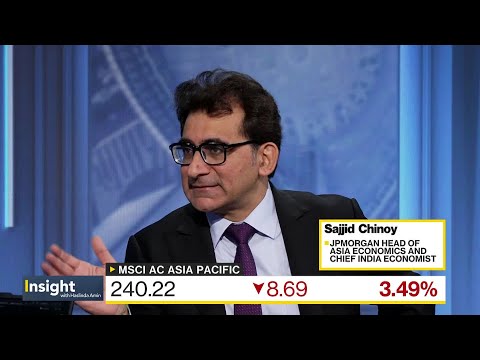
JPMorgan Economist Sajjid Chinoy on India’s Biggest Dangers from an Extended Iran Conflict
0
Richard VT posted on 2026/03/06Wondering how the Iran conflict could impact oil prices and your wallet? JPMorgan Economist Sajjid Chinoy breaks down the geopolitical risks, supply shocks, and inflation outlook for Asian economies in this expert interview. You'll pick up advanced vocabulary related to oil markets and macroeconomic trends, perfect for understanding complex global events!
Learn this video on the APP!
The VoiceTube App has more in-depth practice for videos!