
around the world
US /əˈraʊnd ði wɜrld/
UK /əˈraund ðə wɜː(r)ld/
- Phrase
- In or to many countries.
- In various places throughout the world.
A2Moreassign
US /əˈsaɪn/
UK /ə'saɪn/
- Transitive Verb
- To give someone a particular job to do
- To give someone credit or blame for something
B2TOEICMoreassociation
US /əˌsoʊʃi'eɪʃn/
UK /əˌsəʊʃɪ'eɪʃn/
- Noun
- Organization of people with the same interest
B1TOEICMoreat least
US /æt list/
UK /æt li:st/
- Adverb
- As a minimum
- Not less than
- Phrase
- No less than; at the minimum
- Used to indicate that something is positive in a bad situation.
C2Moreat once
US /æt wʌns/
UK /æt wʌns/
- Adverb
- Immediately; without delay
- At the same time; simultaneously
A2Moreautism
US /ˈɔˌtɪzəm/
UK /ˈɔ:tɪzəm/
- Uncountable Noun
- Disorder that prevents normal communication
B2Morebacteria
US /bækˈtɪriə/
UK /bæk'tɪərɪə/
- Noun (plural)
- The very small creatures that can cause disease
B2Morebased on
US
UK
- Phrasal Verb
- To use something as the foundation or starting point for something else.
- Preposition
- Using something as the main idea or foundation.
- Relying on something as evidence or justification.
A1Morebelly
US /ˈbɛli/
UK /'belɪ/
- Noun (Countable/Uncountable)
- Middle part of the body; the stomach
- A bulging or rounded part of something.
- Verb (Transitive/Intransitive)
- To expand outward; swell
- To swell like a balloon
B2Moreblame
US /blem/
UK /bleɪm/
- Transitive Verb
- To say someone is responsible for something bad
- Noun (Countable/Uncountable)
- Act of saying someone did something bad
A2TOEICMorecause
US /kɔz/
UK /kɔ:z/
- Noun
- Belief, goal or organization that people support
- Reason for
- Transitive Verb
- To make something happen; create effect or result
A2Morechronic
US /ˈkrɑnɪk/
UK /'krɒnɪk/
- Adjective
- Always or often doing something, e.g. lying
- (Of disease) over a long time; serious
B1Morecolonize
US /ˈkɑləˌnaɪz/
UK /'kɒlənaɪz/
- Transitive Verb
- To take control over place and live there
B2Morecomparison
US /kəmˈpærɪsən/
UK /kəmˈpærɪsn/
- Noun (Countable/Uncountable)
- Act of comparing things
- The quality or state of being similar or alike.
A2Moreconsistently
US /kənˈsɪstəntlɪ/
UK /kən'sɪstəntlɪ/
- Adverb
- In a manner that is the same almost every time
- In every case or on every occasion; invariably
B1Moreconsumption
US /kənˈsʌmpʃən/
UK /kənˈsʌmpʃn/
- Noun (Countable/Uncountable)
- The act of buying and using products
- The act of using energy, food or materials; the amount used
B1Morecontaminate
US /kənˈtæməˌnet/
UK /kənˈtæmɪneɪt/
- Transitive Verb
- To make impure by adding a harmful element
B2Moreconvince
US /kənˈvɪns/
UK /kən'vɪns/
- Transitive Verb
- To persuade someone, or make them feel sure
A2TOEICMorecorrelation
US /ˌkɔrəˈleʃən, ˌkɑr-/
UK /ˌkɒrəˈleɪʃn/
- Noun (Countable/Uncountable)
- The relationship between two variables
- A statistical measure that expresses the extent to which two variables are linearly related (meaning they change together at a constant rate).
B1Moredecline
US /dɪˈklaɪn/
UK /dɪ'klaɪn/
- Intransitive Verb
- To bend towards the ground
- To slope downward.
- Verb (Transitive/Intransitive)
- To lessen in quality or value
A2TOEICMoredecrease
US /dɪˈkris/
UK /dɪˈkri:s/
- Verb (Transitive/Intransitive)
- To reduce the size, amount or number of something
- Uncountable Noun
- Amount by which something has been reduced
B1TOEICMoredisease
US /dɪˈziz/
UK /dɪˈzi:z/
- Noun (Countable/Uncountable)
- Illness that affects a person, animal, or plant
- A disorder of structure or function in a plant, especially one caused by a pathogen.
- Transitive Verb
- To affect with disease; to corrupt or sicken.
A2TOEICMoredose
US /doʊs/
UK /dəʊs/
- Noun (Countable/Uncountable)
- An amount of medicine to be taken at any one time
- Transitive Verb
- To give a certain amount of something to someone
B1Moreestablish
US /ɪˈstæblɪʃ/
UK /ɪˈstæblɪʃ/
- Transitive Verb
- To set or create something to last for a long time
- To use facts, evidence to show truth or clarity
A2TOEICMoreexamine
US /ɪɡˈzæmɪn/
UK /ɪgˈzæmɪn/
- Transitive Verb
- (Medical) to test to find out what is wrong
- To test your knowledge or ability
A2Morefever
US /ˈfivɚ/
UK /'fi:və(r)/
- Noun (Countable/Uncountable)
- A high body temperature, indicating illness
- State of excited emotion or activity
- Transitive Verb
- To cause to have a fever.
B1Morefor example
US
UK
- Phrase
- As an illustration or instance.
genetic
US /dʒəˈnɛtɪk/
UK /dʒəˈnetɪk/
- Adjective
- Of, relating to, or controlled by genes
- Relating to genes or heredity.
B1Morego on
US /ɡo ɑn/
UK /ɡəu ɔn/
- Phrasal Verb
- To continue doing something
- To happen (usually negative)
- Interjection
- Used to encourage someone
A1Morehave to
US /hæv tu/
UK /ˈhæv tə/
- Auxiliary Verb
- Must do
A1Morein a sense
US /ɪn e sɛns/
UK /in ə sens/
- Phrase
- In one way of thinking; to some extent; in some ways.
B1Morein public
US /ɪn ˈpʌblɪk/
UK /in ˈpʌblik/
- Phrase
- In a place where anyone can see or hear you.
- Adjective
- Relating to the government or the people as a whole.
B1Morein the absence of
US /ɪn ði ˈæbsəns əv/
UK /ɪn ði ˈæbsəns əv/
- other
- When someone or something is not present or available.
B1Moreincreased risk
US
UK
- Noun
- A greater chance of something harmful or dangerous happening.
- A higher probability of financial loss in an investment.
B2Moreintellectual
US /ˌɪntlˈɛktʃuəl/
UK /ˌɪntəˈlektʃuəl/
- Noun (Countable/Uncountable)
- connected with or using a person’s ability to think in a logical way and understand things
- a person who is well educated and enjoys activities in which they have to think seriously about things
- Adjective
- Relating to the intellect or mental understanding.
- Appealing to or requiring the use of the intellect.
B1Morelike hell
US
UK
- Phrase
- Used to express strong disagreement or refusal.
- With great speed, force, or intensity.
B2Morelook at
US /lʊk æt/
UK /luk æt/
- Phrasal Verb
- To use your eyes to focus on something
- To focus your eyes on something carefully
A1Moremargarine
US /ˈmɑ:rdʒərən/
UK /ˌmɑ:dʒəˈri:n/
- Uncountable Noun
- Butter substitute made from food oils
B2Moremedication
US /ˌmɛdɪˈkeʃən/
UK /ˌmedɪˈkeɪʃn/
- Noun (Countable/Uncountable)
- Substance to relieve pain or cure sickness
B2Morenumber of people
US /ˈnʌmbɚ ʌv ˈpipəl/
UK /ˈnʌmbə ɔv ˈpi:pl/
- Phrase
- The total count of individuals within a group or gathering.
- A statistical figure representing the population size or a subset thereof.
A1Morenutritional
US /njuˈtrɪʃənl:/
UK /njʊ'trɪʃənl/
- Adjective
- (Of foods) having positive effects on your health
B1Moreobesity
US /oˈbisɪti/
UK /əʊ'bi:sətɪ/
- Uncountable Noun
- State of being so fat it can harm your health
- The state of being far too heavy; corpulence.
B2Moreobservation
US /ˌɑbzɚˈveʃən/
UK /ˌɒbzəˈveɪʃn/
- Noun (Countable/Uncountable)
- Remark or comment on something you noticed
- Practice of performing actions required by rules
B1Moreobserve
US /əbˈzɜ:rv/
UK /əbˈzɜ:v/
- Verb (Transitive/Intransitive)
- To celebrate a particular holiday/religious event
- To obey or follow laws, rules, or customs
A2TOEICMoreodd
US /ɑd/
UK /ɒd/
- Adjective
- Being unmatched with someone or something
- Being a number not able to be divided by two
A2Moreof interest
US /əv ˈɪntrɪst/
UK /əv ˈɪntrəst/
- other
- Relevant or important to someone or something.
B2Morepeak
US /pik/
UK /pi:k/
- Noun
- Part of a cap that sticks out over your eyes
- The very top of a mountain
- Intransitive Verb
- To reach the highest or best point
B1Morepregnancy
US /ˈprɛɡnənsi/
UK /ˈpregnənsi/
- Uncountable Noun
- When a woman carries her unborn baby inside her
- A specific instance or period of being pregnant.
B1Morepregnant
US /ˈprɛɡnənt/
UK /ˈpregnənt/
- Adjective
- Carrying your unborn baby inside you
- Full of meaning or significance; suggestive.
B1Moreprocess
US /ˈprɑsˌɛs, ˈproˌsɛs/
UK /prə'ses/
- Transitive Verb
- To organize and use data in a computer
- To deal with official forms in the way required
- Noun (Countable/Uncountable)
- Dealing with official forms in the way required
- Set of changes that occur slowly and naturally
A2TOEICMorerandomize
US
UK
- Transitive Verb
- To arrange in a random order
B2Morereflect
US /rɪˈflɛkt/
UK /rɪ'flekt/
- Verb (Transitive/Intransitive)
- To indicate or be a sign of something
- To bounce back light, heat, sound from a surface
A2TOEICMorerequire
US /rɪˈkwaɪr/
UK /rɪ'kwaɪə(r)/
- Transitive Verb
- To demand that someone does something
- To need to do something, to make it necessary
A2TOEICMoreresearch
US /rɪˈsɚtʃ, ˈriˌsɚtʃ/
UK /rɪ'sɜ:tʃ/
- Verb (Transitive/Intransitive)
- To study in order to discover new ideas and facts
- To study the market relating to marketing products and services.
- Noun (Countable/Uncountable)
- Study done to discover new ideas and facts
- A particular area or topic of study.
A2TOEICMoreshark
US /ʃɑ:rk/
UK /ʃɑ:k/
- Noun
- Person who lends money at unfair rates of interest
- Large and dangerous fish with sharp teeth
B2Moreshift in
US
UK
- Phrasal Verb
- A change or alteration in something.
B2Moresoda
US /ˈsoʊdə/
UK /ˈsəʊdə/
- Noun (Countable/Uncountable)
- Sweet bubbly flavored drink
B2Moresort out
US /sɔrt aʊt/
UK /sɔ:t aut/
- Phrasal Verb
- To find a way of dealing with a problem; resolve
- To resolve a problem; manage successfully
A1Moresuch as
US /sʌtʃ æz/
UK /sʌtʃ æz/
- Preposition
- For example; like
A1Moreswim in
US
UK
- Phrasal Verb
- To move through water by using your arms and legs.
- Intransitive Verb
- To have a lot of something.
A1Moretrial
US /ˈtraɪəl, traɪl/
UK /ˈtraɪəl/
- Noun (Countable/Uncountable)
- Hearing and judgment of a case in court
- Act or process of testing or experimenting
- Transitive Verb
- To be made or done as a test or experiment
A2TOEICMoreultra
US /'ʌltrə/
UK /'ʌltrə/
- Prefix
- Prefix that denotes a lot of something; extreme
B2Morework out
US /wɚk aʊt/
UK /wə:k aut/
- Phrasal Verb
- To find a way to do something, by thinking
A1More
Vocabulary
- increased risk: A greater chance of something harmful or dangerous happening.
- such as: For example; like
- based on: To use something as the foundation or starting point for something else.
- at least: As a minimum
- have to: Must do
- at once: Immediately; without delay
- number of people: The total count of individuals within a group or gathering.
- for example: As an illustration or instance.
- in a sense: In one way of thinking; to some extent; in some ways.
- sort out: To find a way of dealing with a problem; resolve
- of interest: Relevant or important to someone or something.
- in the absence of: When someone or something is not present or available.
- look at: To use your eyes to focus on something
- around the world: In or to many countries.
- shift in: A change or alteration in something.
- in public: In a place where anyone can see or hear you.
- like hell: Used to express strong disagreement or refusal.
- work out
- go on: To continue doing something
- swim in: To move through water by using your arms and legs.
- sort: To organize things by putting them into groups
- chronic: Always or often doing something, e.g. lying
- process: To organize and use data in a computer
- obesity: State of being so fat it can harm your health
- convince: To persuade someone, or make them feel sure
- sense: Certain mental feeling or emotion
- develop: To explain something in steps and in detail
- bacteria: The very small creatures that can cause disease
- consumption: The act of buying and using products
- intellectual: connected with or using a person’s ability to think in a logical way and understand things
- disease: Illness that affects a person, animal, or plant
- decline: To bend towards the ground
- environment: Natural world in which plants and animals live
- research: To study in order to discover new ideas and facts
- trial: Hearing and judgment of a case in court
- blame: To say someone is responsible for something bad
- increase: To make or become larger in size or amount
- consistently: In a manner that is the same almost every time
- reflect: To indicate or be a sign of something
- correlation: The relationship between two variables
- exist: To be present, alive or real
- odd: Being unmatched with someone or something
- establish: To set or create something to last for a long time
- similar: Nearly the same; alike
- pregnant: Carrying your unborn baby inside you
- belly: Middle part of the body; the stomach
- association: Organization of people with the same interest
- genetic: Of, relating to, or controlled by genes
- cause: Belief, goal or organization that people support
- require: To demand that someone does something
- effect: An advantage, benefit
- comparison: Act of comparing things
- observe: To celebrate a particular holiday/religious event
- risk: To do something potentially dangerous or foolish
- examine: (Medical) to test to find out what is wrong
- observation: Remark or comment on something you noticed
- autism: Disorder that prevents normal communication
- pregnancy: When a woman carries her unborn baby inside her
- peak: Part of a cap that sticks out over your eyes
- notice: To become aware by sight, touch, or hearing
- assign: To give someone a particular job to do
- decrease: To reduce the size, amount or number of something
- control: A device designed to operate a machine
- dose: An amount of medicine to be taken at any one time
- fever: A high body temperature, indicating illness
- contaminate: To make impure by adding a harmful element
- rise: To wake up and get out of bed after sleeping
- nutritional: (Of foods) having positive effects on your health
- medication: Substance to relieve pain or cure sickness
- difficult: Hard; not easy; you need to work hard to do it
- ultra: Prefix that denotes a lot of something; extreme
- group: Two or more musicians who play music together
- colonize: To take control over place and live there
- enroll: To put someone into a group; to register
- shark: Person who lends money at unfair rates of interest
- margarine: Butter substitute made from food oils
- soda: Sweet bubbly flavored drink
- randomize: To arrange in a random order
Get the full experience in the app
Learn anywhere with detailed sentence and usage analysis
01:03
She took a brave step forward, leaving behind her comfort zone to chase her dreams.
Vocabulary
- brave
adj. Having courage
- comfort zone
phr. A familiar situation where one feels safe
Explanation
a brave step is a noun phrase, where brave is an adjective modifying the noun step, meaning "a courageous step".
forward is an adverb modifying step, meaning "ahead".
The whole phrase serves as the object, answering the "what" of took (verb) — she took a brave step forward.
Get the full experience in the app
Look up words anytime with pronunciation, part of speech, and usage
brave
US/brev/
UK/breɪv/
adj.Brave
v.t.To bravely face
A2 Elementary
Get the full experience in the app
Practice speaking anytime and get instant pronunciation feedback
Try this speaking exercise.
Try practicing with this sentence.
80
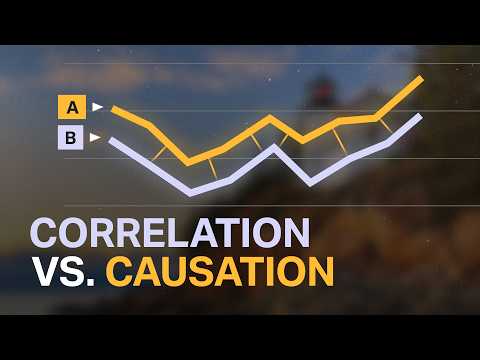
Correlation isn’t causation: What headlines often get wrong about health science
0
みかん posted on 2026/02/28Ever wondered if that health headline is actually true? This video dives into how correlation doesn't always mean causation, using fascinating examples like acetaminophen and pregnancy to explain complex scientific research. You'll boost your understanding of epidemiology and pick up some advanced vocabulary along the way!
Learn this video on the APP!
The VoiceTube App has more in-depth practice for videos!