
allusion
US /əˈluʒən/
UK /əˈlu:ʒn/
- Noun
- Implied or indirect reference
C1Moreapplause
US /əˈplɔz/
UK /ə'plɔ:z/
- Noun (Countable/Uncountable)
- The sound made by clapping a performance or speech
B1Moreapproval
US /əˈpruvəl/
UK /əˈpru:vl/
- Uncountable Noun
- Agreement that person/thing is acceptable
- Positive opinion of something or someone
A2TOEICMoreat home
US /æt hom/
UK /æt həum/
- Phrase
- In one's own residence or country.
- Adjective
- Feeling comfortable and relaxed.
at least
US /æt list/
UK /æt li:st/
- Adverb
- As a minimum
- Not less than
- Phrase
- No less than; at the minimum
- Used to indicate that something is positive in a bad situation.
C2Moreaward
US /əˈwɔrd/
UK /ə'wɔ:d/
- Transitive Verb
- To give a prize for doing something well
- Countable Noun
- Prize given to you because you did something well
A2TOEICMorebalance out
US /ˈbæləns aʊt/
UK /ˈbæləns aut/
- Phrasal Verb
- To make or become more equal to another thing
A2Morebase
US /bes/
UK /beɪs/
- Noun (Countable/Uncountable)
- Place military personnel live, train, and operate
- Bottom part of an object that touches a surface
- Transitive Verb
- To use as the starting point or origin for
- To have as the main location for (company, etc.)
A2TOEICMoreblame
US /blem/
UK /bleɪm/
- Transitive Verb
- To say someone is responsible for something bad
- Noun (Countable/Uncountable)
- Act of saying someone did something bad
A2TOEICMorechamber
US /ˈtʃembɚ/
UK /'tʃeɪmbə(r)/
- Countable Noun
- Enclosed space that contains something
- Large room that is used for official meetings
B1TOEICMorechoir
US /kwaɪr/
UK /'kwaɪə(r)/
- Noun (Countable/Uncountable)
- Group of people who sing together e.g. in church
- The area in a church or cathedral reserved for the clergy and choir.
B2Morecongress
US /ˈkɑŋɡrɪs/
UK /'kɒŋɡres/
- Noun (Countable/Uncountable)
- Meeting of elected or appointed representatives
- Proper Noun
- American governing body of elected representatives
B1Morecongressional
US /kənˈɡreʃənl/
UK /kənˈgreʃənl/
- Adjective
- Concerning the US congress
B2Moredefend
US /dɪˈfɛnd/
UK /dɪ'fend/
- Transitive Verb
- To protect and explain your position in court
- To protect against an attack
B1TOEICMoredepict
US /dɪˈpɪkt/
UK /dɪ'pɪkt/
- Transitive Verb
- To represent or describe something using words
- To represent or show something in a picture or painting; to portray visually.
B1TOEICMoredeploy
US /dɪˈplɔɪ/
UK /dɪˈplɔɪ/
- Transitive Verb
- To put into position (often a military operation)
- To put something into use or action.
B1TOEICMoredisaster
US /dɪˈzæstɚ, -ˈsæs-/
UK /dɪ'zɑ:stə(r)/
- Noun (Countable/Uncountable)
- State of extreme ruin and misfortune
- A complete failure.
- Uncountable Noun
- A situation that has gone terribly wrong.
A2Moreeconomic
US /ˌɛkəˈnɑmɪk, ˌikə-/
UK /ˌi:kəˈnɒmɪk/
- Adjective
- Concerning trade, industry, and money
- Financially worthwhile; profitable.
- Noun
- A system relating to economics
- A factor relating to economics
A2Moreeject
US /ɪ'dʒekt/
UK /ɪ'dʒekt/
- Transitive Verb
- To make a disc or tape come out of a machine
- To throw someone out; force someone to leave
B2Moreelection
US /ɪˈlɛkʃən/
UK /ɪ'lekʃn/
- Noun
- Process of choosing someone by voting
B1TOEICMoreenergy
US /ˈɛnədʒi/
UK /'enədʒɪ/
- Noun (Countable/Uncountable)
- Physical or mental strength
- Enthusiasm and determination.
A2Morefor the most part
US
UK
- Phrase
- Generally; mostly; on the whole.
- Mostly; generally; in most cases.
A1Morego on
US /ɡo ɑn/
UK /ɡəu ɔn/
- Phrasal Verb
- To continue doing something
- To happen (usually negative)
- Interjection
- Used to encourage someone
A1Morego out
US /ɡo aʊt/
UK /ɡəu aut/
- Phrase
- To leave a building (e.g. a house)
- Phrasal Verb
- (Of a fire) to burn out; be extinguished
- Go out of fashion to stop being fashionable
A1Morehave to
US /hæv tu/
UK /ˈhæv tə/
- Auxiliary Verb
- Must do
A1Morein addition to
US /ɪn əˈdɪʃən tu/
UK /in əˈdiʃən tu:/
- Preposition
- Besides; as well as
- Phrase
- Besides; as well as.
- Furthermore; moreover.
B1Morein fact
US /ɪn fækt/
UK /in fækt/
- Adverb
- Used to emphasize the truth of a statement, especially one that contrasts with or contradicts something else.
- Used to introduce a more detailed or surprising piece of information.
- Phrase
- Used to emphasize the truth of a statement, especially one that is surprising or contrary to what might be expected.
C1Morein on
US
UK
- Phrase
- To be involved in a secret or plan.
- To be aware of something that is secret or not generally known.
A1Morein spades
US
UK
- Phrase
- To a great degree; abundantly.
- Used to emphasize the extent or degree of something, often negative.
A1Morein terms of
US
UK
- Phrase
- With regard to; concerning a particular aspect.
A1Morein the streets
US /ɪn ðə strits/
UK /ɪn ðə stri:ts/
- other
- Located or happening outdoors in public roads or areas.
A2Morein the world
US /ɪn ði wɜrld/
UK /in ðə wɜː(r)ld/
- Phrase
- Used to emphasize a question expressing surprise, confusion, disbelief
- Used to indicate the extent or degree of something, often in a superlative sense
A1Moreirritated
US
UK
- Transitive Verb
- To disturb, anger, or upset someone
- To make part of the body feel soreness and pain
- Adjective
- Annoyed, angered or upset
B1TOEICMorelatino
US /læ'ti:noʊ/
UK /læ'ti:nəʊ/
- Noun
- Person with a Spanish-speaking background
C2Moremortgage payments
US
UK
- Noun
- Regular installments paid towards the repayment of a mortgage loan.
nail
US /nel/
UK /neɪl/
- Countable Noun
- Pointed piece of metal used to join pieces of wood
- Hard part at the end of your finger
- Transitive Verb
- To attach things together with metal nails
- To catch someone doing an illegal activity
B1Moreof course
US /ʌv kɔː(r)s/
UK /ɔv kɔː(r)s/
- Adverb
- Sure ; Certainly
- Phrase
- For sure; certainly
A2Moreon a daily basis
US
UK
- Phrase
- Happening every day.
A1Moreon record
US /ɑn rɪˈkɚd/
UK /ɔn riˈkɔ:d/
- Adverb
- Formally and publicly stated
- Adjective
- Officially documented or registered.
A1Moreon the spot
US /ɑn ði spɑt/
UK /ɔn ðə spɔt/
- Phrase
- Immediately; at that location.
- Present and ready for action or responsibility.
A1Moreover to
US
UK
- Preposition
- Used to hand over to someone else to speak
- The responsibility is now yours
perspective
US /pɚˈspɛktɪv/
UK /pə'spektɪv/
- Noun (Countable/Uncountable)
- Artistic method of creating a sense of distance
- Ability to understand what is important in life
B1TOEICMorepersuade
US /pərˈsweɪd/
UK /pəˈsweɪd/
- Transitive Verb
- To try to make someone to do, believe something
A2TOEICMorepill
US /pɪl/
UK /pɪl/
- Noun
- Person who is difficult to deal with
- Small, round piece of medicine that is swallowed
A2Morepoint out
US /pɔɪnt aʊt/
UK /pɔint aut/
- Phrasal Verb
- To make others aware of an idea
- To draw attention to something or someone
A1Morepolicy
US /ˈpɑlɪsi/
UK /'pɒləsɪ/
- Noun
- Document stating terms of an insurance agreement
- Course of action proposed by an organization, etc.
A2TOEICMorepoll
US /pol/
UK /pəʊl/
- Noun (Countable/Uncountable)
- Process of gathering opinions by asking questions
- Polls where you go to cast your vote in elections
- Transitive Verb
- To ask a group of people in a vote or election
B1TOEICMorepopulist
US /ˈpɑpjulɪst/
UK /'pɒpjəlɪst/
- Noun
- Politician claiming to represent ordinary people
- Adjective
- Claiming to represent the views of ordinary people
B2Morepresident
US /ˈprɛzɪdənt,-ˌdɛnt/
UK /ˈprezɪdənt/
- Noun
- Person in charge of a country, or organization
- The highest-ranking executive in a corporation or organization.
A2TOEICMoreproposal
US /prəˈpozəl/
UK /prəˈpəʊzl/
- Noun
- Act of asking someone to marry you
- Offer or plan to people who can decide about it
B1TOEICMoreprosperity
US /prɑˈspɛrɪti/
UK /prɒ'sperətɪ/
- Uncountable Noun
- State of being financially/economically successful
- State of growing and being healthy
B1Moreraid
US /red/
UK /reɪd/
- Noun
- Sudden entry by police; surprise attack by army
- A sudden aggressive incursion.
- Transitive Verb
- (Army) to suddenly enter or attack a place
- To suddenly enter or attack, e.g. to steal or harm
B1Moresee in
US /si ɪn/
UK /si: in/
- Phrasal Verb
- To accompany someone to the entrance of a building or room.
A1Moresilo
US /ˈsaɪlo/
UK /'saɪləʊ/
- Noun
- Underground installation for firing missiles
C1Morespeech
US /spitʃ/
UK /spi:tʃ/
- Uncountable Noun
- A formal talk to an audience
- Expression of ideas or opinions by talking
A2TOEICMorespend
US /spɛnd/
UK /spend/
- Transitive Verb
- To use money to pay for something
- To use time in order to do something
A2TOEICMoresurrogate
US /ˈsɜ:rəgət/
UK /ˈsʌrəgət/
- Noun
- Person appointed in the place of another
- Adjective
- Appointed; used in the place of another
B2Moretalking about
US
UK
- Phrasal Verb
- To discuss a particular topic.
- To be constantly mentioning or bringing up a subject.
A1Moretick
US /tɪk/
UK /tɪk/
- Intransitive Verb
- To function properly or normally
- (Clock) to make light regular timed noise
- Countable Noun
- Small blood-sucking insect that lives on the skin
- Written mark to show something is correct or done
B1Moreto the left
US
UK
- Phrase
- In or toward the left direction.
- Situated on the left side of.
union
US /ˈjunjən/
UK /'ju:nɪən/
- Noun (Countable/Uncountable)
- Act of joining two or more things into one
- Marriage
- Proper Noun
- The United States of America, especially during the Civil War.
A2TOEICMoreunited
US /juˈnaɪtɪd/
UK /jʊ'naɪtɪd/
- Verb (Transitive/Intransitive)
- To join or come together for the same goal
- Adjective
- Joined or combined together
A2More
Vocabulary
- talking about: To discuss a particular topic.
- at least: As a minimum
- of course: Sure ; Certainly
- at home: In one's own residence or country.
- on record: Formally and publicly stated
- in addition to: Besides; as well as
- see in: To accompany someone to the entrance of a building or room.
- in terms of
- on a daily basis: Happening every day.
- in the world: Used to emphasize a question expressing surprise, confusion, disbelief
- in on: To be involved in a secret or plan.
- go out: To leave a building (e.g. a house)
- to the left: In or toward the left direction.
- over to: Used to hand over to someone else to speak
- go on: To continue doing something
- mortgage payments: Regular installments paid towards the repayment of a mortgage loan.
- have to: Must do
- on the spot: Immediately; at that location.
- in fact: Used to emphasize the truth of a statement, especially one that contrasts with or contradicts something else.
- for the most part: Generally; mostly; on the whole.
- in the streets: Located or happening outdoors in public roads or areas.
- in spades: To a great degree; abundantly.
- point out: To make others aware of an idea
- balance out: To make or become more equal to another thing
- perspective: Artistic method of creating a sense of distance
- sort: To organize things by putting them into groups
- applause: The sound made by clapping a performance or speech
- blame: To say someone is responsible for something bad
- state: Region within a country, with its own government
- prosperity: State of being financially/economically successful
- disaster: State of extreme ruin and misfortune
- address: Exact street location of a place
- congress: Meeting of elected or appointed representatives
- depict: To represent or describe something using words
- rate: To assess something or consider its qualities
- persuade: To try to make someone to do, believe something
- economy: Using money, resources in a careful, effective way
- record: Highest or most extreme level achieved
- chamber: Enclosed space that contains something
- poll: Process of gathering opinions by asking questions
- energy: Physical or mental strength
- approval: Agreement that person/thing is acceptable
- lot: What happens to a person in life from chance; fate
- important: Having power or authority
- policy: Document stating terms of an insurance agreement
- irritated: To disturb, anger, or upset someone
- tick: To function properly or normally
- spend: To use money to pay for something
- president: Person in charge of a country, or organization
- control: A device designed to operate a machine
- economic: Concerning trade, industry, and money
- defend: To protect and explain your position in court
- election: Process of choosing someone by voting
- proposal: Act of asking someone to marry you
- raid: Sudden entry by police; surprise attack by army
- stand: To be a candidate in an election
- bring: To take or go with someone to a place
- point: An item to be discussed
- speech: A formal talk to an audience
- deploy: To put into position (often a military operation)
- nail: Pointed piece of metal used to join pieces of wood
- question: To ask for or try to get information
- union: Act of joining two or more things into one
- hard: Difficult to do; difficult to understand
- award: To give a prize for doing something well
- pill: Person who is difficult to deal with
- surrogate: Person appointed in the place of another
- feel: To be aware of or experience an emotion, sensation
- base: Place military personnel live, train, and operate
- united: To join or come together for the same goal
- choir: Group of people who sing together e.g. in church
- congressional: Concerning the US congress
- eject: To make a disc or tape come out of a machine
- allusion: Implied or indirect reference
- populist: Politician claiming to represent ordinary people
- silo: Underground installation for firing missiles
- latino: Person with a Spanish-speaking background
Get the full experience in the app
Learn anywhere with detailed sentence and usage analysis
01:03
She took a brave step forward, leaving behind her comfort zone to chase her dreams.
Vocabulary
- brave
adj. Having courage
- comfort zone
phr. A familiar situation where one feels safe
Explanation
a brave step is a noun phrase, where brave is an adjective modifying the noun step, meaning "a courageous step".
forward is an adverb modifying step, meaning "ahead".
The whole phrase serves as the object, answering the "what" of took (verb) — she took a brave step forward.
Get the full experience in the app
Look up words anytime with pronunciation, part of speech, and usage
brave
US/brev/
UK/breɪv/
adj.Brave
v.t.To bravely face
A2 Elementary
Get the full experience in the app
Practice speaking anytime and get instant pronunciation feedback
Try this speaking exercise.
Try practicing with this sentence.
80
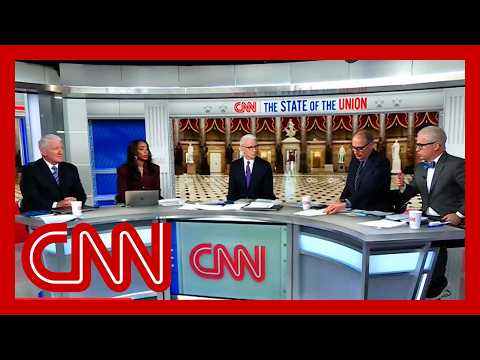
CNN’s first reactions to Trump’s State of the Union 2026
0
Richard VT posted on 2026/02/25Ever wondered how CNN reacts to a major political event? This video dives into the immediate responses to Donald Trump's 2026 State of the Union address, giving you a front-row seat to the political commentary. You'll pick up advanced vocabulary and complex sentence structures used in real-time news analysis, perfect for understanding nuanced discussions on topics like the economy and immigration.
Learn this video on the APP!
The VoiceTube App has more in-depth practice for videos!